Onycholysis: Why Your Nail Is Separating & What to Do
The short answer
Onycholysis is painless nail lifting from the nail bed.
What Is Onycholysis?
Onycholysis is the painless separation of the nail plate from the nail bed beneath it. The lift begins at the free edge of the nail (the tip) and can spread proximally toward the cuticle. Where the nail has lifted, a white, yellow, or greenish opaque area appears — this is actually air beneath the nail plate, or sometimes accumulated debris or secondary infection in the space.
The nail plate itself remains structurally intact in most cases of onycholysis — it is the bond between the plate and the nail bed that has broken down. This is an important distinction from nail fragility or crumbling, which signals structural damage to the plate itself.
Onycholysis is not a diagnosis in its own right but a sign — a visible result of many possible underlying processes. Identifying and removing the cause is the foundation of treatment. The separated nail cannot be re-attached under any circumstances: new nail must grow out from the matrix (the growth center beneath the cuticle) and, over time, replace the detached section. This process takes months.
What Causes Nails to Separate?
The causes of onycholysis are numerous, and more than one may operate at the same time. They are broadly categorized as local or systemic.
Local Causes (Most Common)
Trauma The most frequent single cause. The nail plate can be separated by:
- Aggressive cleaning under the nail with a sharp tool (a common habit that damages the hyponychium — the skin seal at the nail's free edge — and creates a space for further separation)
- Tight footwear repeatedly pressing on the big toenail during walking or sport
- Catching the nail on fabric or other objects, causing sudden avulsion of part of the plate
- Occupational repeated impact to the fingertip
- Artificial nails placed with excessive filing of the natural nail plate
Moisture and Maceration Prolonged or repetitive water exposure softens the nail plate, weakens the nail bed attachment, and creates a moist environment ideal for Candida and bacteria. This is particularly relevant in:
- People who wash hands or submerge hands in water frequently
- Wearing occlusive gloves for long periods without ventilation
- Hyperhidrosis (excessive sweating)
Nail Cosmetics and Chemicals Nail hardeners, acetone-based removers, acrylic or gel products (especially improper removal), and formaldehyde-containing products can damage the nail bed adhesion. Gel product lifting that is then peeled — rather than properly soaked off — can cause acute, dramatic onycholysis. See how to remove gel nails safely for the correct technique.
Fungal Nail Infection Subungual hyperkeratosis (debris build-up under the nail from onychomycosis) exerts pressure that lifts the nail from its bed. Onycholysis is a classic feature of fungal nail infection. Distinguishing fungal from non-fungal onycholysis requires laboratory testing (KOH microscopy, nail culture).
Allergic Contact Dermatitis Allergy to nail cosmetic ingredients — particularly tosylamide/formaldehyde resin in conventional nail lacquers, or acrylates in gel systems — can cause allergic inflammation of the nail bed, disrupting attachment.
Systemic Causes
Psoriasis Nail psoriasis is the most important systemic cause of onycholysis. Up to 80% of patients with nail psoriasis develop onycholysis, along with pitting, oil-drop (salmon-patch) discoloration, and subungual hyperkeratosis. Nail psoriasis may occur even when skin psoriasis is absent or mild. The mechanism involves inflammation at the nail bed and hyponychium, degrading the attachment to the nail plate.
Thyroid Disease Onycholysis — particularly the characteristic form known as "Plummer's nails" — is a recognized feature of hyperthyroidism. Any unexplained onycholysis, especially in the absence of obvious local cause, is an indication to test thyroid function. The association is strong enough that it has prompted recommendations for TSH testing in unexplained cases.
Iron Deficiency Anemia Iron deficiency can cause nail changes including koilonychia (spoon-shaped nails) and, less commonly, onycholysis.
Drug-Induced Onycholysis Several medications predictably cause photo-onycholysis (onycholysis triggered by sun exposure on the drug) or direct nail bed toxicity:
- Tetracyclines (doxycycline in particular) — the most commonly reported photo-onycholysis drug; may affect all nails of sun-exposed hands
- Psoralens (PUVA therapy) — photo-sensitizing agents used in psoriasis treatment
- Taxanes (paclitaxel, docetaxel) — chemotherapy drugs causing subungual hemorrhage and separation
- Fluoroquinolone antibiotics, capecitabine, and targeted cancer therapies (EGFR inhibitors) have also been reported
Other Systemic Associations Onycholysis has been reported in lupus erythematosus, reactive arthritis, connective tissue disorders, and — rarely — as a sign of internal malignancy. These are less common causes but important in the diagnostic evaluation of unexplained multi-nail onycholysis.
What Onycholysis Looks Like
The appearance can vary depending on the cause:
- White or pale yellow opacity beginning at the free edge, with a curved or irregular border proximally — the most common appearance (seen in trauma, moisture, and idiopathic cases)
- Salmon-pink (oil-drop) patch of discoloration visible through the nail plate — strongly suggestive of nail psoriasis
- Green or black discoloration in the lifted space — indicates secondary Pseudomonas aeruginosa infection of the exposed nail bed; the green pigment (pyocyanin) is characteristic of this bacterium
- Yellow-brown opacity with subungual debris — suggests concurrent fungal infection
Treatment: What Actually Works
The Foundational Rule: You Cannot Re-Attach Lifted Nail
This is the single most important fact about onycholysis: the separated section of nail cannot be reattached, and no treatment will reconnect it to the nail bed. The only resolution is for new, healthy nail to grow from the matrix (growth center) and progressively replace the detached nail as it is trimmed away. Toenail growth averages 1–1.5 mm per month; full resolution of a severely affected big toenail can take 12–18 months.
Step 1 — Identify and Remove the Cause
Before the nail can recover, the precipitating factor must be eliminated:
- Stop all aggressive nail cleaning beneath the plate — never insert implements under the nail
- Stop peeling or picking at lifted nail edges — this extends the separation
- Identify and discontinue any causative drug (inform your prescriber)
- Treat fungal infection with appropriate antifungal therapy if confirmed
- Manage psoriasis — systemic therapy (biologics, methotrexate) or intralesional corticosteroid injections to the nail fold can reduce nail psoriasis severity and allow the nail to re-attach
Step 2 — Keep the Nail Short and the Space Dry
- Trim the detached section regularly — cut the lifted nail back to where it still adheres to the nail bed, keeping the free edge as short as safely possible. This prevents the space from accumulating debris, moisture, and organisms.
- Keep hands dry after washing — gently dry between and around the nails
- Wear gloves (cotton inside vinyl or nitrile) for dishwashing, cleaning, and all prolonged water contact
- Avoid prolonged submersion of hands in water
Step 3 — Manage Secondary Infection
The space beneath lifted nail is a warm, moist, protected environment in which bacteria and yeast thrive. Green discoloration indicates Pseudomonas colonization; treatment options include diluted acetic acid (white vinegar) soaks, topical ciprofloxacin drops (off-label), or — when indicated — systemic antibiotics. Candida overgrowth responds to topical or oral antifungals.
Step 4 — Treat the Underlying Condition
Specific treatments for the systemic cause can dramatically accelerate recovery:
- Psoriasis: Topical high-potency corticosteroids or intralesional triamcinolone injections into the nail fold reduce inflammation and allow nail bed re-attachment; biologic therapies with nail psoriasis efficacy include ixekizumab and secukinumab
- Hyperthyroidism: Once thyroid function is normalized with antithyroid medications or other treatment, nails typically recover spontaneously
- Iron deficiency: Correcting iron stores through supplementation or addressing the underlying cause usually allows nail changes to improve
What Not to Do
- Do not apply nail lacquer or gel to detached nail — this traps moisture and bacteria in the lifted space
- Do not use nail glue to try to re-stick the lifted portion — it seals in infection
- Do not pull or tear the lifted nail — this causes pain and potential injury to the nail bed
Photo-Onycholysis: A Special Case
Photo-onycholysis is onycholysis triggered by ultraviolet light exposure in combination with a photosensitizing drug — most commonly doxycycline. The mechanism involves UV-induced damage to the nail bed, causing acute separation. It typically affects the index, middle, and ring fingers (most sun-exposed) and can affect all nails in severe cases. Management: discontinue the drug if possible; if doxycycline is clinically necessary, wear gloves outdoors and apply sunscreen to the dorsal hands. Resolution follows once the drug is stopped, but the affected nails must still grow out.
When to See a Dermatologist
Onycholysis with an obvious local cause (e.g., you know you had gel nails peeled off, or started doxycycline last month) can be managed conservatively at home with the measures above. See a dermatologist or GP if:
- Multiple nails are affected without a clear local cause
- Onycholysis is progressing despite conservative care
- You have other skin or joint symptoms suggestive of psoriasis or a connective tissue disorder
- There is significant green, black, or brown discoloration in the lifted space
- You need blood tests to exclude thyroid disease, iron deficiency, or anemia
- The nail has been lifted for more than 3–4 months without improvement
Products that fit this guide
Picked by code from each product's full ingredient list.

Catrice
Aura Glam Nail Polish
nail polish · 10.5 ml · 22 ingredients
- Fragrance-free
- No essential oils
- With titanium dioxide

Catrice
Base & Top Coat Allround 2-in-1
nail polish · 10.5 ml · 10 ingredients
- Fragrance-free
- No essential oils
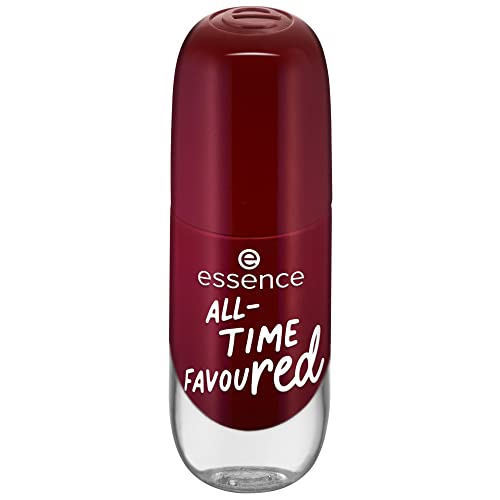
Essence
Gel Nail Colour
nail polish · 8 ml · 9 ingredients
- Fragrance-free
- No essential oils
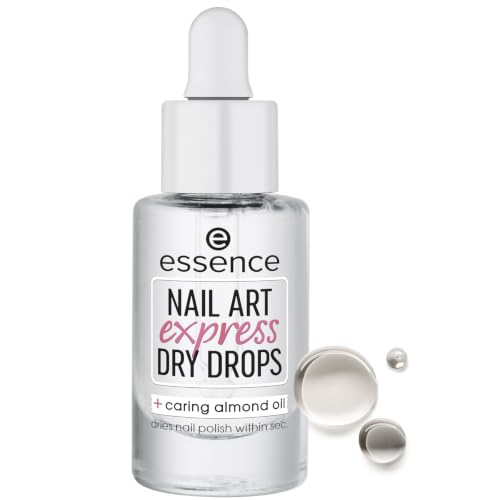
Essence
Nail Art Express Dry Drops
nail polish · 8 ml · 5 ingredients
- Fragrance-free
- No essential oils
- With vitamin e
When to see a professional
See a GP or dermatologist if: multiple nails are affected without a clear local cause; onycholysis is worsening despite protective measures; there is significant discoloration (green, salmon-pink, or widespread brown) in the lifted space; you have other symptoms suggesting psoriasis or a systemic condition; or you need blood tests to exclude thyroid disease, iron deficiency, or anemia. Psoriatic nail disease can present before skin psoriasis appears — a dermatologist can distinguish it from other causes and offer targeted treatment.
Frequently asked questions
What does current evidence say about treating onycholysis in 2026?
Current evidence confirms that treatment must target the underlying cause — there is no intervention that re-attaches lifted nail. For onycholysis due to psoriasis, biologics such as ixekizumab and secukinumab (IL-17 inhibitors) have the strongest evidence for nail improvement. For drug-induced cases, stopping the offending drug is the only required step. For trauma or moisture-driven cases, strict nail protection (gloves for wet work, no sub-nail cleaning, regular trimming) combined with time is the evidence-based approach. A 2014 PMC review of onycholysis management confirmed that keeping the separated portion trimmed short and the space dry is universally recommended, regardless of cause.
Can onycholysis heal on its own?
Yes, once the cause is removed. If the nail separation was caused by a one-time trauma, a drug that has since been stopped, or an accidental gel peel, the new nail growing from the matrix will be attached normally. However, if the cause persists — ongoing aggressive nail cleaning, untreated psoriasis, continuing moisture exposure — new nail will separate as soon as it grows out. The separated portion itself never reattaches; only new growth from the base of the nail will be sound.
What is the green discoloration under my lifted nail?
Green or blue-green discoloration beneath a lifted nail almost always indicates Pseudomonas aeruginosa infection in the space between the nail plate and nail bed. Pseudomonas produces a green pigment (pyocyanin) that stains the nail. It is not dangerous in an otherwise healthy person but should be treated with diluted white vinegar soaks (one part vinegar to one part water for 15 minutes twice daily) or — if persistent — assessed by a clinician who may prescribe topical or oral ciprofloxacin. Keeping the nail trimmed short and the space dry will prevent recurrence.
Does onycholysis mean I have a fungal nail infection?
Not necessarily. Onycholysis is a feature of fungal nail infection (onychomycosis) but is also caused by trauma, psoriasis, thyroid disease, medications, moisture exposure, and nail cosmetic products — none of which involve fungus. The appearance can be similar. If you are unsure, a GP or dermatologist can arrange KOH microscopy or nail culture to confirm or exclude fungal infection before treatment is started.
How long does it take for onycholysis to resolve?
Recovery time depends entirely on which nail is affected and how much of it is lifted. Fingernails grow approximately 3 mm per month, so a fingernail with significant separation may take 4–6 months for healthy new nail to grow in. Toenails grow at roughly 1–1.5 mm per month; a severely affected big toenail can take 12–18 months. These timelines assume the underlying cause has been addressed. If the cause persists, recovery will not occur regardless of how long you wait.
Health information, not medical advice.
Beauty Comparison is an independent editorial publication. This page is researched and sourced to the authorities listed below, but it is general information — not a diagnosis or a substitute for personalised advice from a qualified doctor, dermatologist or pharmacist. If your symptoms are severe, spreading, painful, or not improving, see a healthcare professional.Sources
- 01Onycholysis — DermNet NZ — DermNet NZ, 2023-01-01. Definition, local and systemic causes of onycholysis including trauma, psoriasis, thyroid disease, fungal infection, drugs; management principles including nail trimming and moisture protection.
- 02Onycholysis (Nail Separation): Symptoms, Causes & Treatment — Cleveland Clinic, 2022-01-01. Onycholysis separates nail plate from nail bed; cannot be reattached; causes include trauma, psoriasis, hyperthyroidism, fungal infection, medications; management with nail trimming and glove use.
- 03Onycholysis as an Early Indicator of Thyroid Disease — PMC / NIH, 2019-01-01. Unexplained onycholysis can be an early sign of hyperthyroidism; thyroid function testing (TSH) recommended in cases without obvious local cause.
- 04Nail as a Window of Systemic Diseases — PMC / NIH, 2015-01-01. Onycholysis is associated with diverse systemic conditions including psoriasis, hyperthyroidism, iron deficiency, lupus, and drug reactions (tetracyclines, psoralens, taxanes); nail changes as diagnostic clues to systemic disease.
- 05Idiopathic/Simple Onycholysis: Response to Combination Topical Therapy — PMC / NIH, 2022-01-01. Management of simple onycholysis includes nail trimming, moisture avoidance, and protective gloves; combination topical therapy assessed for idiopathic cases.