
Catrice
Hydro Supercharged Serum
moisturizer · 30 ml · 11 ingredients
- Fragrance-free
- No essential oils
- No coconut oil, isopropyl myristate and other heavy, pore-clogging emollients
- With niacinamide
Full ingredient lists, decoded. Free-from facts on every product.
Shop by need · Acne-prone skin
1081 products in our library pass every rule for acne-prone skin: with no coconut oil, isopropyl myristate and other heavy, pore-clogging emollients. The best of each type are below, picked by code from their full ingredient lists and updated November 6, 2026.
The catch: a product can suit you by its ingredient list and still not suit your skin, so patch test anything new and see a doctor if a problem doesn't settle.
For acne-prone skin, start with the ingredient list. Labels list ingredients from highest amount to lowest, down to about 1%, so look for helpful active ingredients, such as salicylic acid, niacinamide or benzoyl peroxide, near the top. Every product on this page was picked by code from its full ingredient list.
Catrice
moisturizer · 30 ml · 11 ingredients

Catrice
moisturizer · 28 ml · 23 ingredients
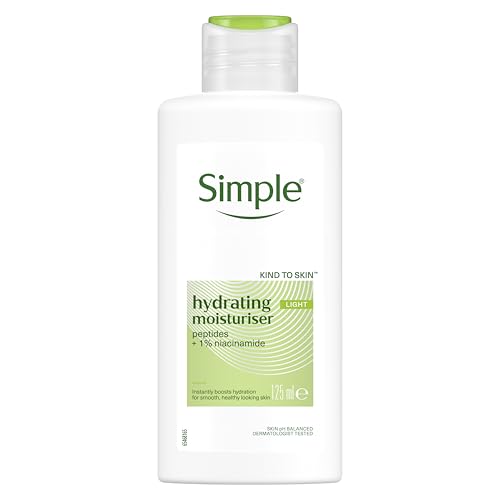
Simple
moisturizer · 125 ml · 30 ingredients

Balea
moisturizer · 50 ml · 21 ingredients

CeraVe
cleanser · 473 ml · 23 ingredients

CeraVe
cleanser · 473 ml · 20 ingredients

Nivea
cleanser · 150 ml · 16 ingredients

La Roche-Posay
cleanser · 12 g · 24 ingredients

Isdin
sunscreen · 50 ml · 34 ingredients

La Roche-Posay
sunscreen · 40 ml · 33 ingredients

Balea
sunscreen · 50 ml · 25 ingredients
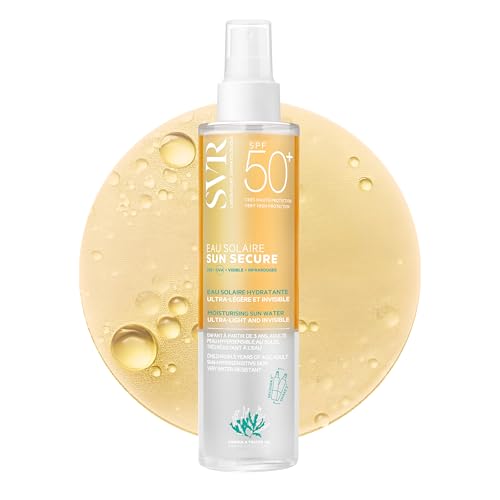
SVR
sunscreen · 200 ml · 22 ingredients

Anua
serum · 30 ml · 35 ingredients

Medik8
serum · 50 ml · 41 ingredients

Anua
serum · 30 ml · 45 ingredients

Vichy
serum · 2.4 l · 23 ingredients

CeraVe
retinol serum · 30 ml · 39 ingredients

Medik8
retinol serum · 50 ml · 29 ingredients

Vichy
retinol serum · 2.4 l · 39 ingredients

The Inkey List
retinol serum · 30 ml · 30 ingredients

Paula's Choice
acne treatment · 20 ml · 27 ingredients

Essence
acne treatment · 11 ingredients

Medik8
acne treatment · 30 ml · 30 ingredients

Anua
acne treatment · 30 g · 67 ingredients

Catrice
foundation · 10.5 g · 13 ingredients

Catrice
foundation · 30 ml · 37 ingredients

e.l.f.
foundation · 14 ml · 7 ingredients

Essence
foundation · 16 g · 24 ingredients

Beauty of Joseon
toner · 5.27 fl oz · 24 ingredients

The Inkey List
toner · 100 ml · 16 ingredients

Avène Cicalfate
toner · 100 ml · 19 ingredients

Anua
toner · 150 ml · 62 ingredients
This hub's picks leave out coconut oil, isopropyl myristate and other heavy emollients, thick moisturizing ingredients that can clog pores. Every pick is free of them. Patch test anything new on a small area, such as inside the elbow, for several days before using it all over. For painful, deep or scarring acne, see a doctor or dermatologist, since prescription options work where products stop.
Ingredients are listed from the highest amount to the lowest, down to about 1%. Below that point the order is free, so the bottom of the list tells you less. Start with the first several names. Look there for helpful actives like salicylic acid (BHA), an oil-soluble exfoliant that reaches inside pores, or niacinamide, vitamin B3, which helps with oil, redness and uneven tone.
Fragrance-free means no added fragrance, but only the full ingredient list proves it. Look too for heavy, pore-clogging emollients (softening oils) such as coconut oil and isopropyl myristate. Check the list for both before you buy.
Patch test anything new. Apply a little to a small area, such as inside the elbow, for several days before using it all over. Benzoyl peroxide is a staple acne active, and azelaic acid is used for breakouts and rosacea-prone skin. For painful, deep or scarring acne, see a doctor or dermatologist. Prescription options can work where products stop.
Look for ingredients such as salicylic acid (BHA), niacinamide or benzoyl peroxide on the full ingredient list. Salicylic acid is an oil-soluble exfoliant that clears inside pores. Niacinamide, vitamin B3, helps with oil, redness, uneven tone and the skin barrier. Benzoyl peroxide is a staple acne active.
Niacinamide, or vitamin B3, helps with oil, so it suits oily skin. Our picks are also free of coconut oil, isopropyl myristate and other heavy, pore-clogging emollients. Products with more of the helpful ingredients rank higher on our lists.
Patch test anything new before using it all over. Apply a little to a small area, such as inside the elbow, for several days. Then, and only then, use it all over. It is a useful check for sensitive skin.
See a doctor or dermatologist for painful, deep or scarring acne. Prescription options work where products stop. Our picks come from reading full ingredient lists, not from a diagnosis of your skin.