
Anua
3 Ceramide Panthenol Moisture Barrier Cream
moisturizer · 100 ml · 63 ingredients
- Fragrance-free
- No essential oils
- No drying alcohol
- No menthol, camphor, witch hazel and glycolic acid
- With ceramides
Full ingredient lists, decoded. Free-from facts on every product.
Shop by need · Rosacea-prone skin
483 products in our library pass every rule for rosacea-prone skin: free of fragrance, essential oils and drying alcohol and with no menthol, camphor, witch hazel and glycolic acid. The best of each type are below, picked by code from their full ingredient lists and updated November 6, 2026.
The catch: a product can suit you by its ingredient list and still not suit your skin, so patch test anything new and see a doctor if a problem doesn't settle.
Rosacea-prone skin usually does better with products that leave out added scent, and only the full ingredient list proves it. Ingredients are listed from highest amount to lowest, so the first names make up the most of the product. Every product on this page was picked by reading its full ingredient list.
Anua
moisturizer · 100 ml · 63 ingredients

Uriage
moisturizer · 500 ml · 24 ingredients

Bioderma
moisturizer · 100 ml · 28 ingredients
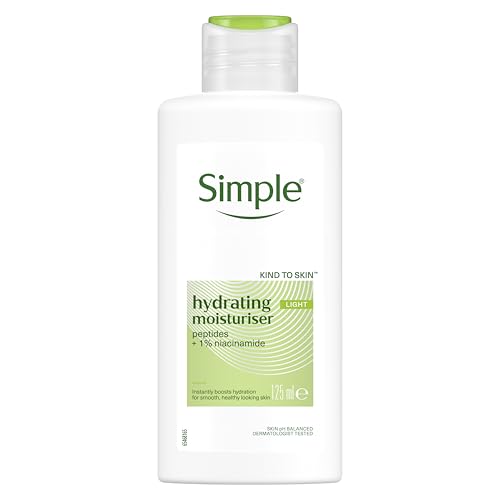
Simple
moisturizer · 125 ml · 30 ingredients

CeraVe
cleanser · 473 ml · 23 ingredients

CeraVe
cleanser · 474 ml · 25 ingredients

La Roche-Posay
cleanser · 12 g · 24 ingredients

Anua
cleanser · 40 g · 29 ingredients

Isdin
sunscreen · 50 ml · 34 ingredients

CeraVe
sunscreen · 52 ml · 36 ingredients

CeraVe
sunscreen · 52 ml · 40 ingredients

Skin1004
sunscreen · 50 ml · 42 ingredients

Anua
serum · 30 ml · 35 ingredients

Anua
serum · 50 ml · 43 ingredients

Balea
serum · 30 ml · 16 ingredients

Beauty of Joseon
serum · 150 ml · 24 ingredients

Catrice
foundation · 10.5 g · 13 ingredients

Catrice
foundation · 8 g · 19 ingredients

e.l.f.
foundation · 14 ml · 7 ingredients

Essence
foundation · 16 g · 24 ingredients
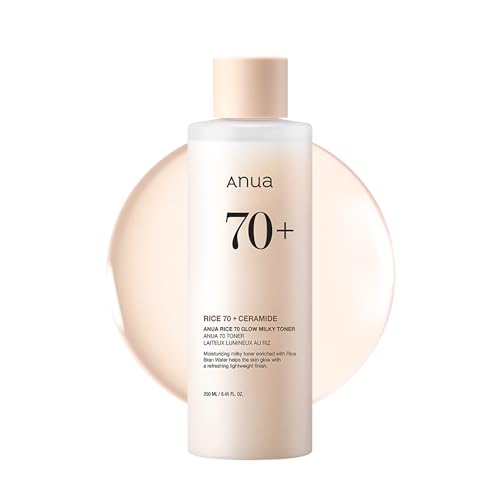
Anua
toner · 8.45 fl oz · 35 ingredients

Anua
toner · 150 ml · 62 ingredients

Byoma
toner · 100 ml · 23 ingredients

The Inkey List
toner · 100 ml · 16 ingredients
These picks leave out added fragrance, listed as Parfum, Fragrance or Aroma, which is the most common cause of cosmetic contact allergy. They also skip essential oils such as lavender, citrus peel, peppermint or tea tree, since those carry the same allergens as perfume. Drying alcohols such as Alcohol denat., SD alcohol, ethanol and isopropyl alcohol are out, as are menthol, camphor, witch hazel and glycolic acid. See a doctor or dermatologist for diagnosis and treatment, because products only make daily care gentler.
Reading the full list shows you what is really in a product. Ingredients are listed from the highest amount to the lowest, down to about 1%; below that, the order is free. "Unscented" can still contain a masking fragrance that hides other smells. "Fragrance-free" means no added fragrance, and only the full ingredient list proves it.
Check for added scent, listed as Parfum, Fragrance or Aroma. Fragrance is the most common cause of cosmetic contact allergy, so rosacea-prone skin usually does better without it. Essential oils, like peppermint or tea tree, carry the same allergens as perfume. Skip alcohol denat., SD alcohol, ethanol or isopropyl alcohol high on the list. Fatty alcohols such as cetyl alcohol are fine.
Apply a little to a small area, such as inside the elbow, and wait several days before using it all over. Near the top of the list, helpful ingredients include azelaic acid, niacinamide, ceramides, centella asiatica, zinc oxide and allantoin. A doctor or dermatologist diagnoses and treats rosacea; products only make daily care gentler.
Skip products with added fragrance, listed as Parfum, Fragrance or Aroma, since fragrance is the most common cause of cosmetic contact allergy. Also avoid scented plant oils, called essential oils, and drying alcohols like SD alcohol. Menthol, camphor, witch hazel and glycolic acid are left out too.
Centella asiatica, a soothing plant extract, is popular for irritated skin. Allantoin is a soothing, softening ingredient. Ceramides are skin-identical lipids, or fatty molecules, that help hold the skin barrier together. Picks with more of these helpful ingredients rank higher on our list.
Yes. Patch test anything new by applying a little to a small area, such as inside the elbow, for several days before you use it all over your face. Rosacea itself is diagnosed and treated by a doctor or dermatologist; products only make daily care gentler.
Azelaic acid is used for breakouts and rosacea-prone skin, so it is often recommended for both concerns. Niacinamide, a form of vitamin B3, helps with oil, redness and uneven tone. Zinc oxide, a mineral UV filter, is a soothing protectant. Look for these alongside fragrance-free formulas with no essential oils or drying alcohol.