Every Type of Manicure: Gel, Acrylic, Dip, SNS, Regular
The short answer
There are five main manicure types: regular polish, gel, acrylic, dip powder, and press-ons.
The Five Manicure Types — A Plain Comparison
Not all manicures are the same product. The differences between regular polish and gel, or between gel and dip powder, are chemical and structural — not just marketing. Understanding them helps you choose the right service for your lifestyle and nail health.
1. Regular (Traditional) Polish
What it is: A solvent-based lacquer — typically nitrocellulose, a film-forming resin, a plasticizer, and pigments suspended in ethyl acetate/butyl acetate solvents. Dries by solvent evaporation.
How long it lasts: 2–7 days on most people; longer with a good base coat, top coat, and careful wear.
Removal: Any acetone or non-acetone nail polish remover. No soaking required.
Risk profile: The lowest of all manicure types. Formulas marketed as "5-free," "7-free," or "10-free" exclude historically problematic plasticizers and solvents (notably dibutyl phthalate, toluene, and formaldehyde). However, a 2025 review in the International Journal of Dermatology found that 83% of products claiming to be toluene-free actually contained toluene — verified labeling matters.
Best for: Low-maintenance wear, people with sensitive nails or skin, or anyone wanting flexibility to change colors frequently.
2. Gel Polish Manicure
What it is: A photopolymer formula — oligomers and monomers (primarily acrylates and methacrylates) that cross-link into a hard film when exposed to UV or LED radiation. Requires a base coat, two color layers, and a top coat, each cured under a lamp.
How long it lasts: 2–3 weeks chip-free for most people; longer for low-activity hands.
Removal: Acetone soak-off — cotton saturated with 100% acetone, wrapped for 10–15 minutes. Peeling or filing off gel is the single most common source of nail-plate damage.
UV lamp considerations: UV fluorescent lamp units (the older style) and LED units both emit primarily UVA radiation. A 2025 scoping review in the International Journal of Dermatology found that in vitro studies demonstrated elevated DNA damage markers in irradiated keratinocytes; however, the authors concluded that direct causal links between nail lamp use and carcinoma remain unestablished at current exposure levels. LED lamps cure faster (30–60 seconds per coat versus 2 minutes) and result in lower cumulative UVA exposure per session. The American Academy of Dermatology recommends applying SPF 30+ broad-spectrum sunscreen to hands before UV-lamp exposure, or wearing opaque UV-blocking gloves with fingertips trimmed.
Risk profile: Allergic contact dermatitis (ACD) from acrylates and HEMA (hydroxyethyl methacrylate) is the most common adverse outcome — appearing in nearly 50% of gel-related case studies reviewed in a 2025 systematic review. Onycholysis, pterygium inversum unguis, and pseudo-psoriatic nails are also reported. Reactions can occur at the nail site or distantly (face, eyelids) via transfer.
Best for: People who want chip-free color for 2–3 weeks without adding nail length. Not appropriate if you have a known acrylate allergy.
3. Dip Powder / SNS Nails
What it is: Nails are painted with a cyanoacrylate-based resin (similar to nail glue), dipped into finely milled acrylic powder, and sealed with an activator coat. The activator (a catalyst) hardens the layers without any UV lamp. SNS (Signature Nail Systems) is the most recognized brand name; "dip powder" is the generic technique.
How long it lasts: 3–5 weeks — typically the longest-wearing option without acrylic sculpting.
Removal: Acetone soak-off, requiring more time than gel removal (10–20 minutes) due to thicker layering.
Hygiene consideration: The shared dipping jar is a cross-contamination risk. The American Academy of Dermatology advises never dipping directly into a shared container — each client's application should use a separate disposable cup or have the powder sprinkled on, not dipped into.
Risk profile: Cyanoacrylate allergy is possible. A 2025 systematic review noted dyshidrotic-like contact dermatitis and paronychia among dip powder adverse outcomes. No UV lamp means no UV-related risk. Some brands add calcium and vitamin E to their powders, though clinical evidence for nail-health benefit is limited.
Best for: People who want maximum wear without UV exposure, or who want the look of a more substantial nail without full acrylic extension.
4. Acrylic Nails
What it is: A two-component system — a liquid monomer (ethyl methacrylate, EMA) and a polymer powder (polymethyl methacrylate, PMMA) — mixed to form a workable paste that can be sculpted onto the nail or a form. Air-hardens by polymerization without any lamp.
How long it lasts: 3–6 weeks before a fill is needed; the enhancement itself can be worn continuously with regular infills.
Removal: Acetone soak-off (30–45 minutes) or mechanical filing/drilling. Both methods carry damage risk without professional skill.
Application impact: To bond acrylic properly, the natural nail plate must be roughed up with an abrasive file — this thins the plate and weakens it permanently while the enhancement is being worn. The AAD notes that acrylic nails leave natural nails "thin, brittle, and parched" after removal.
Risk profile: The highest among enhancement types. Allergic contact dermatitis from EMA acrylates was found in 60% of acrylic-related case studies in a 2025 systematic review. Worn-down nail syndrome (triangular thinning of the distal nail plate), onychomycosis (fungal infection), onycholysis, and periungual eczema are all documented. The FDA banned methyl methacrylate (MMA) — a more hazardous monomer used in early acrylic formulations — for nail products in the 1970s, but a 2019 occupational study found MMA still present in air at varying concentrations in surveyed salons.
MMA vs. EMA: EMA (ethyl methacrylate) is the current industry standard monomer and is substantially less hazardous than MMA, though still a potential sensitizer. Products using MMA are non-compliant with professional standards and should be avoided.
Best for: People who want dramatic nail extension or length that gel cannot achieve, or who need a structural repair for a broken nail. The AAD recommends choosing soak-off gel over acrylics where possible to reduce damage risk.
5. Press-On Nails
What it is: Pre-shaped artificial nail tips in plastic (ABS resin) or gel-like materials, adhered to the natural nail with nail glue (cyanoacrylate) or adhesive tabs.
How long they last: Adhesive tabs: 1–5 days. Nail glue: up to 2 weeks with proper prep and application.
Removal: Adhesive-tab versions soak off in warm soapy water. Glue-bonded versions require acetone or a long warm soak. Forcing them off is the primary damage risk.
Risk profile: Lower than gel or acrylic when used correctly. Cyanoacrylate glue spilled on cotton or fabric can cause an exothermic reaction — a documented source of chemical burns requiring skin grafting in severe cases. A 2024 PMC review reported multiple such cases, emphasizing careful glue handling.
Best for: Special occasions, color experimentation, or people wanting a damage-free short-term enhancement. Not suitable for high-contact work or water-heavy activities.
Side-by-Side Comparison
| Feature | Regular Polish | Gel | Dip Powder / SNS | Acrylic | Press-On |
|---|---|---|---|---|---|
| Wear time | 2–7 days | 2–3 weeks | 3–5 weeks | 3–6 weeks (with fills) | 1 day–2 weeks |
| UV lamp needed | No | Yes (UV or LED) | No | No | No |
| Adds length | No | Minimal (builder gel) | No | Yes | Yes |
| Nail filing required | Minimal | Light buff | Light prep | Aggressive | Light prep |
| Removal method | Remover | Acetone soak 10–15 min | Acetone soak 10–20 min | Acetone soak 30–45 min | Warm water or acetone |
| Primary allergen risk | Low | Acrylates, HEMA | Cyanoacrylate | EMA acrylates | Cyanoacrylate |
| Overall nail-health risk | Lowest | Moderate | Low–moderate | Highest | Low |
Choosing by Lifestyle
Low maintenance, nail-health-first: Regular polish with breaks, or press-ons for special occasions.
Chip-free for 2–3 weeks, no length: Gel manicure with LED lamp; apply SPF 30+ to hands before each session.
Maximum durability, no UV: Dip powder / SNS. Insist on individual cups, not shared dipping jars.
Length and structure: Acrylic, with EMA-based product (not MMA), from a trained technician. Plan for recovery periods.
Quick special-occasion nails: Press-ons with adhesive tabs (not glue) for low-commitment wear.
Nail Health Between Manicures
Regardless of type, the AAD recommends:
- Taking a 1–2 week break between gel or dip manicures to allow the nail plate to rehydrate.
- Applying petroleum jelly or a nail-specific moisturizer to nails and cuticles daily between manicures.
- Never allowing a technician to cut or aggressively push cuticles — the cuticle seals the nail matrix against bacteria.
- Inspecting bare nails after removal: persistent discoloration, thickening, pain, or separation from the nail bed warrants a dermatologist visit.
For specific concerns about gel safety, see Gel Manicure Safety. For a head-to-head of acrylic and gel, see Acrylic vs Gel Nails.
Products that fit this guide
Picked by code from each product's full ingredient list.

Catrice
Aura Glam Nail Polish
nail polish · 10.5 ml · 22 ingredients
- Fragrance-free
- No essential oils
- With titanium dioxide

Catrice
Base & Top Coat Allround 2-in-1
nail polish · 10.5 ml · 10 ingredients
- Fragrance-free
- No essential oils
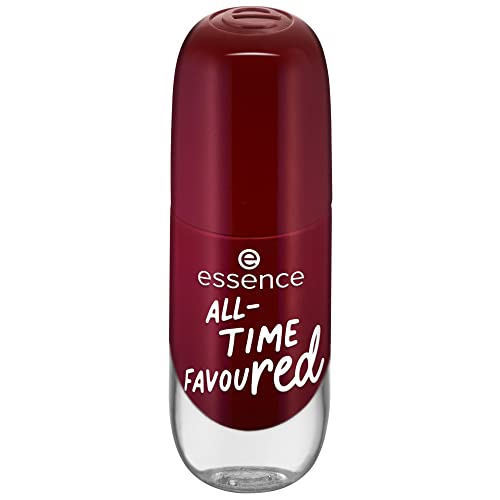
Essence
Gel Nail Colour
nail polish · 8 ml · 9 ingredients
- Fragrance-free
- No essential oils
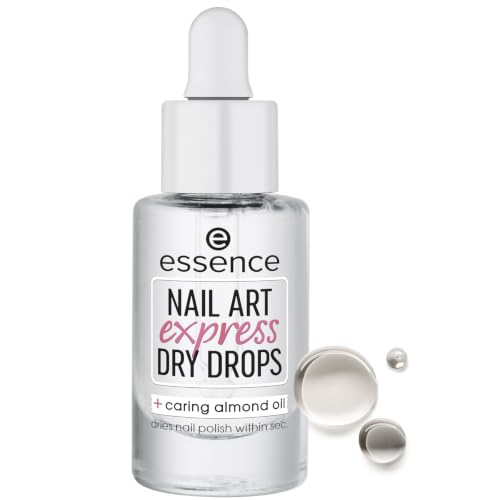
Essence
Nail Art Express Dry Drops
nail polish · 8 ml · 5 ingredients
- Fragrance-free
- No essential oils
- With vitamin e
Frequently asked questions
What is the most popular manicure type in 2026?
Gel polish remains the dominant salon service globally, valued for its chip-free 2–3 week wear and high-gloss finish. Dip powder has grown sharply in popularity, particularly among clients who want longer wear without UV exposure. Acrylic remains the standard for nail extension. Regular polish has seen a resurgence among health-conscious consumers taking breaks from enhancement services.
Which manicure type lasts the longest?
Dip powder / SNS typically lasts the longest at 3–5 weeks, followed by acrylics (3–6 weeks with infills), gel (2–3 weeks), and regular polish (2–7 days). Press-ons with nail glue can last up to 2 weeks but are generally intended for shorter wear.
Which manicure type is safest for your nails?
Regular polish is the lowest-risk option — no UV exposure, no acrylate adhesives, and easy removal. Among enhancements, press-ons (with adhesive tabs, not glue) and dip powder are lower risk than gel or acrylics. Acrylics carry the highest risk due to aggressive nail-plate filing and acrylate allergen exposure. The AAD recommends soak-off gels over acrylics when enhancement is desired.
Does gel or dip powder damage nails more?
Both cause nail-plate damage primarily at removal — peeling or scraping off either type physically strips the nail plate. With correct acetone soak-off technique, damage is minimized for both. Gel has the added variable of UV lamp exposure. Dip powder layers are thicker and require a longer soak. Neither is definitively more damaging than the other when applied and removed properly by a trained technician.
Is an SNS manicure the same as dip powder?
SNS (Signature Nail Systems) is a specific brand of dip powder — the terms are used interchangeably in many salons. The underlying chemistry is the same: cyanoacrylate resin layers combined with acrylic powder, hardened by an activator without UV light. Other dip powder brands include Kiara Sky, OPI DipPowder, and Revel Nail.
Can I get any manicure type if I have an acrylate allergy?
Acrylate and methacrylate compounds are present in gel polish, dip powder activators, and acrylic nail systems. If you have a confirmed acrylate allergy (patch-tested), all enhancement types may be unsuitable. Regular polish (traditional lacquer) and press-ons with adhesive tabs are the safest alternatives. Consult a dermatologist or allergist for patch testing before trying any enhancement type.
Sources
- 01Dermatologic Conditions Associated With Various Types of Popular Nail Cosmetics: A Systematic Review — PubMed Central / Journal of Cosmetic Dermatology, 2025-01-01. Systematic review documenting adverse outcomes by manicure type: gel (ACD in ~50% of studies, PIU, onycholysis), acrylic (ACD in ~60% of studies, worn-down nail syndrome), dip (dyshidrotic-like dermatitis, paronychia).
- 02The Safety of Nail Products: Health Threats in the Nail Industry — PubMed Central / International Journal of Dermatology, 2025-01-01. Documents the toxic trio (DBP, toluene, formaldehyde) in nail products; 83% of toluene-free-labeled products contain toluene; MMA health risks; TPHP endocrine disruption; occupational risk for nail technicians.
- 03Artificial nails: Dermatologists' tips for reducing nail damage — American Academy of Dermatology (aad.org). AAD recommends soak-off gels over acrylics; LED over UV lamps; avoiding cuticle trimming; choosing professional removal over peeling.
- 04Dip powder manicure: 5 tips to keep your nails healthy — American Academy of Dermatology (aad.org). AAD advises against shared dipping jars (cross-contamination risk), recommends individual cups or sprinkled application, patch-test one nail first, allow 1-month recovery between manicures.
- 05Adverse Effects of Do-It-Yourself Nail Cosmetics: A Literature Review — PubMed Central / Dermatology Reports, 2024-01-01. ACD from acrylates is the most prevalent complication across nail enhancement types; cyanoacrylate glue can cause exothermic chemical burns; worn-down nail syndrome results from over-filing.
- 06Assessing the Health Implications of UV/LED Nail Lamp Radiation Exposure: A Scoping Review — PubMed Central / International Journal of Dermatology, 2025-01-01. In vitro DNA damage in keratinocytes and fibroblasts from UV nail lamp exposure; causal links to carcinoma not yet established; recommends SPF 30+ or UV-blocking gloves before lamp exposure.