What Is My Scalp Type? Oily, Dry, Normal & Combination
The short answer
Your scalp type — oily, dry, normal, or combination.
What Is Scalp Type — and Why Does It Matter?
The scalp is skin — skin with a unique concentration of follicles and sebaceous glands. Each of the approximately 100,000 hair follicles on the adult scalp has one or more attached sebaceous glands that continuously secrete sebum: a lipid-rich, waxy substance composed mainly of triglycerides, free fatty acids, wax esters, and squalene. Sebum lubricates the hair shaft, forms part of the skin's antimicrobial barrier, and provides waterproofing.
Scalp type is essentially a measure of how much sebum your scalp produces, how fast it replenishes after washing, and how that oil distributes down your hair shaft. Knowing your scalp type allows you to match wash frequency, shampoo strength, conditioning approach, and treatment products to what your scalp actually needs — rather than following generic advice designed for someone else's biology.
The four recognized scalp types are:
| Type | Characteristic | Typical wash frequency |
|---|---|---|
| Oily | Greasy or flat within 1–2 days of washing | Daily or every other day |
| Dry | Tight, itchy, or flaky; rarely greasy | Every 3–7 days |
| Normal | Comfortable for 2–3 days post-wash | Every 2–3 days |
| Combination | Oily at roots, dry or normal at mid-lengths/ends | Every 2–3 days, targeted conditioner |
How to Identify Your Scalp Type
The Day-Two Test
The most reliable at-home assessment is to wash your hair on day one, then check the roots without touching them again on the morning of day two:
- Flat, shiny, or visibly greasy roots → oily scalp
- Roots look similar to just-washed, and scalp feels comfortable → normal scalp
- Scalp feels tight, slightly itchy, or you notice small dry flakes → dry scalp
- Roots are oily but the mid-lengths and ends feel rough or dry → combination scalp
Physical Clues to Look For
Oily scalp indicators
- Hair looks unwashed and flat within 24 hours
- Scalp smells oily or musty before it looks dirty
- Dandruff flakes are yellow, greasy, and larger (suggests seborrheic dermatitis, not just oil)
- Hair product buildup accumulates quickly
Dry scalp indicators
- Small, white, powdery flakes that fall freely onto shoulders
- Scalp feels tight or itchy after washing, especially in cold weather
- Itching worsens in heated or dry-air environments
- Other body skin also tends toward dryness
Normal scalp indicators
- No significant oiliness, flaking, or tightness between washes
- Hair stays fresh-feeling for two to three days
- Scalp is comfortable without any special products
Combination scalp indicators
- Oily roots but dry, frizzy, or brittle ends
- Dandruff may appear at the root but lengths feel parched
- Conditioner applied to the scalp makes roots greasy within a day
The Biology Behind Scalp Type
Sebaceous Glands and Sebum Production
Sebaceous glands are holocrine glands — they rupture to release their contents — sitting in the dermis just above the hair follicle. They are among the densest in the body on the scalp. Sebum production is regulated primarily by androgens (testosterone and dihydrotestosterone, DHT), which is why sebum levels peak during puberty and early adulthood, then gradually decline from the fifth decade onward.
Published in-vivo research using the Sebuprint method found that the human scalp produces sebum detectable at the hair root within six hours of shampooing, and that in people with greasy-type scalps, sebum spreads roughly 8.4 cm down the hair shaft within 24 hours and extends to approximately 14.5 cm by 48 hours. By contrast, non-greasy scalps showed about 5.8 cm spread at 24 hours — roughly half the rate.
Why Combination Scalp Happens
Sebum is a thick, waxy material — it travels down the hair shaft slowly and imperfectly, particularly on hair longer than about 10–12 cm. If you have fine hair, the shaft carries oil more efficiently; if you have coarser, curlier, or longer hair, sebum barely migrates past the first few centimetres. The result: an oily scalp environment near the follicle while the rest of the strand is oil-deprived. Chemical treatments (bleach, color, relaxers) worsen this by lifting the cuticle, making mid-lengths even more porous and moisture-hungry.
Why Scalp Type Shifts Over Time
- Puberty: Androgen surge sharply increases sebaceous gland activity — the classic oily teenage scalp.
- Pregnancy: Elevated estrogen prolongs hair in the growth (anagen) phase and can reduce oiliness during pregnancy, with an abrupt post-partum shift.
- Menopause: Falling estrogen and relative androgen dominance can paradoxically increase or decrease scalp oiliness depending on the individual.
- Seasons: Low winter humidity reduces ambient moisture and dries the scalp barrier; hot weather increases sweat and sebum.
- Hair care habits: Overwashing strips sebum, triggering rebound overproduction that can make a normal scalp appear oily over time. Silicone-heavy products build up, masking whether the scalp is actually dry or oily underneath.
Matching Your Scalp Type to a Routine
Oily Scalp
Wash frequently enough that sebum does not accumulate to levels that promote Malassezia overgrowth or seborrheic dermatitis. Clarifying or balancing shampoos with mild surfactants (sodium lauryl sulfate-free formulas are gentler for daily use) remove excess sebum without leaving film. Avoid scalp conditioners and heavy oils. Salicylic acid 1–2% shampoos help dissolve sebum and scalp buildup.
See the full oily scalp protocol on the oily scalp care page.
Dry Scalp
Shift to a gentle, non-stripping shampoo — one without sodium lauryl sulfate or alcohol as prominent ingredients — and reduce wash frequency to allow the scalp's natural oils to redistribute. Lukewarm (not hot) water preserves the lipid barrier. Fragrance-free formulas reduce the risk of contact irritation. Leave-in scalp serums with hyaluronic acid or glycerin provide humectant hydration between washes.
A critical distinction: dry scalp must be differentiated from dandruff (seborrheic dermatitis) before treatment — see dry scalp vs. dandruff for the full comparison.
Normal Scalp
A normal scalp needs the least intervention. Use a mild, balanced shampoo every two to three days and condition from mid-lengths to ends. The main risk for a normal scalp is disrupting its balance with overly aggressive products or trending "scalp detox" routines it doesn't need.
Combination Scalp
The goal is targeted treatment: cleanse the scalp zone effectively without over-drying the lengths. Shampooing roots only and applying conditioner from mid-lengths to ends (never the scalp) is the core strategy. Diluting a gentle shampoo slightly reduces surfactant intensity at the ends. Rinse-out or leave-in conditioners from the mid-shaft downward address end-zone dryness without adding weight at the roots.
Scalp Type vs. Hair Type: Not the Same Thing
Your scalp type (oil production) and your hair type (curl pattern, density, porosity) are independent variables — though they interact. A person with 4C coily hair can have an oily scalp; a person with straight 1A hair can have a dry scalp. What confuses most people is that coarser, curlier hair textures do a poorer job of distributing sebum down the shaft, which can make a normally-producing scalp feel dry relative to the hair's needs even when the scalp itself is not truly "dry."
Understand your hair type and hair porosity separately, then cross-reference with your scalp type to build a complete picture of what your hair and scalp actually need.
When Your Scalp Type Might Signal Something More
Not every flaky, itchy, or greasy scalp is a simple scalp-type matter. Persistent symptoms may indicate:
- Seborrheic dermatitis — yellowish, greasy scale with inflammation; responds to antifungal shampoos
- Scalp psoriasis — well-defined, thick, silvery-white plaques; requires dermatologist-prescribed treatment
- Tinea capitis — fungal infection, more common in children; requires oral antifungal medication
- Contact dermatitis — localized rash or severe itch after introducing a new product
If your scalp condition does not improve with appropriate over-the-counter management within four weeks, or if you develop redness, pain, swelling, or patchy hair loss, see a board-certified dermatologist.
Products that fit: itchy, sensitive scalp
Picked by code from each product's full ingredient list.
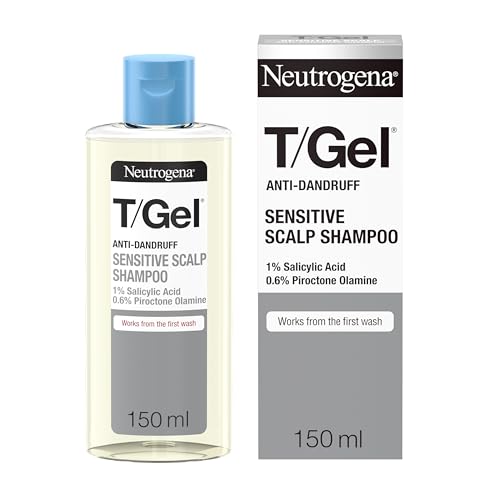
Neutrogena
T/Gel Anti Dandruff Shampoo
shampoo · 150 ml · 15 ingredients
- Fragrance-free
- No essential oils
- No MI/MCI
- With piroctone olamine
- With salicylic acid
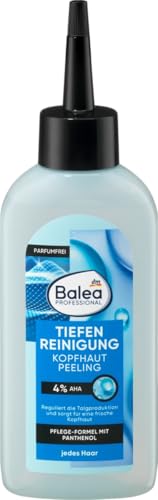
Balea
Professional Scalp Scrub Deep Cleansing
scalp treatment · 150 ml · 10 ingredients
- Fragrance-free
- No essential oils
- No MI/MCI
- With panthenol

OGX
ProGrowth + Peptide Scalp Serum
scalp treatment · 10 ml · 16 ingredients
- Fragrance-free
- No essential oils
- No MI/MCI
- With panthenol

Eucerin
Dermo Capillaire Anti-dandruff Shampoo
shampoo · 250 ml · 15 ingredients
- Fragrance-free
- No essential oils
- No MI/MCI
- With panthenol
Frequently asked questions
Is scalp type the same in 2026 as dermatologists described in previous years?
Yes — the core biology has not changed, and the clinical framework of oily, dry, normal, and combination scalp types remains the standard used in trichology and dermatology practice. More recent research has refined our understanding of the scalp microbiome (particularly the roles of Malassezia and Cutibacterium species in healthy vs. seborrheic scalps), but the practical classification system and care recommendations remain consistent with longstanding dermatological guidance.
Can my scalp type change?
Yes — scalp type is not fixed. Hormonal changes (puberty, pregnancy, post-partum, menopause), aging, seasonal climate shifts, medication, and even changes in washing frequency or product choice can shift sebum output meaningfully. It is worth reassessing if your current routine stops working.
Does washing hair every day cause more oiliness?
Frequent washing does not permanently reprogram sebaceous gland output — gland activity is hormonally governed. However, stripping the scalp with aggressive surfactants daily can cause short-term rebound sebum secretion as the glands respond to the absence of surface oil. Using a gentle, balanced shampoo and washing only as often as your sebum output genuinely requires prevents this cycle.
What is the difference between a dry scalp and dandruff?
Dry scalp results from moisture loss — flakes are small, dry, and white, and the scalp feels tight or itchy. Dandruff (seborrheic dermatitis) results from excess sebum and Malassezia yeast overgrowth — flakes are larger, yellowish, and greasy, and the scalp may be inflamed. Treating them identically is a common mistake: moisturizing shampoos help dry scalp but can worsen dandruff. See the full comparison at [dry scalp vs. dandruff](/dry-scalp-vs-dandruff).
Can someone have both an oily scalp and sensitive scalp at the same time?
Yes — these are not mutually exclusive. Sensitive scalp is defined by subjective symptoms (burning, itching, pain, trichodynia) triggered by physical, chemical, or hormonal factors, and can occur with any sebum level. People with seborrheic dermatitis often have oily scalps and heightened sensitivity simultaneously. See [sensitive scalp care](/sensitive-scalp-care) for management strategies.
How does porosity relate to scalp type?
Hair porosity describes the cuticle's ability to absorb and retain moisture — it is a property of the hair shaft, not the scalp. A high-porosity shaft loses moisture quickly, making the hair feel dry regardless of how much scalp oil is produced. A normal-producing scalp attached to high-porosity hair can therefore feel like a combination or dry scenario at the ends. Understanding both independently prevents the common mistake of over-conditioning the scalp to address dryness that is actually a porosity issue at the shaft.
Sources
- 01Revisiting, in vivo, the hair regreasing process by the Sebuprint method — PubMed Central / International Journal of Cosmetic Science, 2020-07-01. Scalp sebum is detectable at the hair root within 6 hours of washing; in greasy-type scalps sebum spreads 8.4 cm down the shaft within 24 hours and 14.5 cm by 48 hours — roughly double the rate of non-greasy scalps.
- 02Anatomy, Hair Follicle — StatPearls — NCBI Bookshelf / StatPearls (NIH). Approximately 100,000 scalp hair follicles each carry attached sebaceous glands; sebum is androgen-regulated, lubricates the shaft, and forms the scalp's antimicrobial lipid barrier.
- 03Lipidomic and Metagenomic Profiling of Chinese Female Emerging Adults With Oily Scalp — PubMed Central / Frontiers in Microbiology, 2025-01-01. Oily scalps are dominated by triglyceride-rich sebum; Cutibacterium acnes (42.61%) and Lawsonella clevelandensis (13.37%) are the primary bacterial colonizers; excess sebum disrupts microbial balance and promotes irritating metabolite production.
- 04Is your dry scalp something more serious? — AAD — American Academy of Dermatology (aad.org). Dry scalp results from moisture loss and is distinguished from dandruff; persistent dry scalp warrants evaluation for psoriasis, tinea capitis, or actinic keratosis.
- 05Dry Scalp: Causes, Treatment & Prevention — Cleveland Clinic. Dry scalp causes small white powdery flakes and scalp tightness; differs from dandruff (seborrheic dermatitis) which produces larger, greasier, yellowish flakes.