Oily Scalp: Causes, How Often to Wash & Best Shampoos
The short answer
An oily scalp is caused by excess sebum from androgen-driven sebaceous glands.
What Is an Oily Scalp?
An oily scalp — medically referred to as seborrhea when clinically significant — occurs when the sebaceous glands attached to scalp hair follicles produce more sebum than the scalp surface can efficiently disperse. The result is hair that appears flat, greasy, or unwashed within one to two days of shampooing, a scalp that may smell oily before it visibly looks dirty, and a tendency toward rapid product buildup.
Sebum itself is not a problem — it is essential. It lubricates the hair shaft, contributes to the scalp's antimicrobial lipid barrier, and forms part of the acid mantle that keeps pathogens at bay. Excess sebum, however, creates a nutrient-dense environment that promotes the overgrowth of scalp commensal microorganisms — particularly Malassezia and Cutibacterium species — which can trigger inflammation, flaking, and odor if dysbiosis develops.
Causes of Oily Scalp
Primary: Genetics and Androgens
Sebaceous gland size and secretory activity are under the primary control of androgens, particularly testosterone and dihydrotestosterone (DHT). DHT, the more potent androgen, directly stimulates sebaceous gland proliferation and increases sebum output. This is why sebum levels are highest during puberty and early adulthood — when androgen levels peak — and why men typically produce more scalp sebum than women. Individual genetic variation in androgen receptor sensitivity determines much of the difference between people with oily versus normal scalps.
Hormonal Fluctuations
Because sebum is hormonally driven, any change in the hormonal milieu can affect output:
- Menstrual cycle: Sebum production rises in the week before menstruation (luteal phase) due to relative androgen elevation.
- Pregnancy: Elevated estrogen often moderates oiliness during pregnancy, with rebound seborrhea possible post-partum.
- Polycystic ovary syndrome (PCOS): Characterized by elevated androgens; oily scalp and skin are common presenting features.
- Puberty: The classic trigger — androgen surge dramatically increases sebaceous activity.
Lifestyle and Environmental Factors
These do not override genetics but influence how sebum accumulates:
- Hot, humid weather increases sweat and sebum flow.
- Stress elevates cortisol and androgens, which may modestly increase sebum.
- Diet: High glycaemic index diets and dairy have been associated with increased sebum production in acne research, though scalp-specific data are less robust.
- Overwashing with harsh shampoos: Repeated stripping of the scalp barrier causes short-term sebum rebound, as surface depletion triggers compensatory secretion — a well-described phenomenon.
- Heavy, occlusive hair products applied to the scalp: Silicones, pomades, and oils coat the follicle opening and physically trap sebum, creating the sensation of increased oiliness even if gland output has not changed.
How Fast Does Sebum Return?
Published in-vivo research using the Sebuprint sebum-collection method showed that sebum is detectable at the hair root within six hours of shampooing. In subjects who perceived their scalps as greasy, sebum spread approximately 8.4 cm along the hair shaft within 24 hours, extending to 14.5 cm by 48 hours. In subjects with non-greasy scalps, these values were approximately 5.8 cm and 8.7 cm respectively — confirming that greasy-type scalps regreased at roughly double the rate.
This explains why oily-scalp individuals often feel the need to wash daily: their regreasing rate is biologically accelerated, not a sign of poor hygiene or habit failure.
How Often Should You Wash an Oily Scalp?
The short answer is: as often as it takes for your scalp to remain comfortable and your hair to look clean — for most oily scalps, that is daily or every other day.
The persistent myth that "washing every day makes your scalp produce more oil" is not supported by the physiology. Sebaceous gland activity is under hormonal control, not wash-frequency control. The rebound oiliness some people report after increasing frequency is more accurately explained by using harsh surfactants (sodium lauryl sulfate at high concentrations) that over-strip the barrier — the solution is a gentler shampoo, not less washing.
Practical wash frequency guidance by oily scalp severity:
| Oiliness pattern | Recommended frequency |
|---|---|
| Roots become greasy within 24 hours | Daily wash with gentle balancing shampoo |
| Roots become greasy at 24–48 hours | Every other day |
| Occasional oiliness, mild seborrhea | Every 2–3 days with a clarifying shampoo once weekly |
| Oily scalp with seborrheic dermatitis | Daily or every other day with medicated antifungal shampoo (AAD guidance) |
Active Ingredients That Work
Zinc Pyrithione (ZPT)
The most widely used antifungal and anti-seborrheic agent in OTC shampoos. ZPT is delivered to scalp tissue via adsorption onto keratin and hair, where it inhibits Malassezia species and reduces flaking. A 331-person multicenter randomized trial found ZPT 1% shampoo produced 67% improvement in total dandruff severity score at week 4.
Ketoconazole
A broad-spectrum imidazole antifungal that inhibits fungal ergosterol synthesis. The same multicenter RCT found ketoconazole 2% achieved 73% improvement in dandruff severity — statistically superior to ZPT 1% (p < 0.02) — with significantly lower recurrence rates at 4-week follow-up. Ketoconazole 1% is available OTC; 2% by prescription in some markets.
Salicylic Acid (1–2%)
A beta-hydroxy acid (BHA) that dissolves the keratin cross-linking holding scalp buildup and skin cells together, acting as a keratolytic. Salicylic acid shampoos break down the sebum-and-skin-cell matrix that creates scalp buildup, making the scalp easier to cleanse. A 2024 cohort study published on PubMed Central (NCT-affiliated) confirmed efficacy of salicylic acid combined with piroctone olamine for moderate-to-severe seborrheic dermatitis of the scalp.
Piroctone Olamine
A broad-spectrum antimicrobial active with antifungal properties, used as an alternative to ZPT in European formulas. Well tolerated; evidence level is similar to ZPT.
Selenium Sulfide (1–2.5%)
Both antifungal and cytostatic; reduces scalp cell turnover. Ketoconazole was found statistically superior to selenium sulfide 2.5% at day 8 in comparative trials, though both significantly outperformed placebo. Selenium sulfide can temporarily discolor light-colored or chemically treated hair.
Coal Tar (0.5–5%)
One of the oldest anti-dandruff actives; reduces scalp cell proliferation. Effective but cosmetically less elegant due to odor, and requires cautious use given theoretical concerns about prolonged use (not established at OTC concentrations).
What to Use (and Avoid) for an Oily Scalp
Use
- Gentle balancing or clarifying shampoos with mild surfactants (ammonium lauryl sulfate, sodium laureth sulfate, or sulfate-free alternatives)
- Active-ingredient shampoos with ZPT, piroctone olamine, or salicylic acid when seborrhea is a concern
- Scalp-specific toners or serums with niacinamide, witch hazel, or salicylic acid between washes
- Dry shampoo as a short-term tool only — regular reliance leads to follicle clogging and scalp buildup
Avoid
- Heavy conditioners, oils, or butters on the scalp (mid-lengths and ends only)
- Silicone-based styling products applied at the root
- Leaving conditioner on the scalp — conditioner is designed for the hair shaft, not the follicle environment
- Product overload (multiple leave-in products, serums, oils applied before styling)
When Oily Scalp Is More Than Just Oiliness
Seborrheic Dermatitis
If your oily scalp also produces yellowish, greasy flakes, scalp redness, or itching, seborrheic dermatitis is the more likely diagnosis. Seborrheic dermatitis is a chronic inflammatory condition driven by an interplay between sebum, Malassezia species, and individual immune susceptibility — affecting approximately 5% of the general population globally (the noninflammatory dandruff variant affects closer to 50%). The AAD recommends antifungal shampoos (ketoconazole, ZPT, ciclopirox) as first-line treatment, used two to three times per week for straight/wavy hair or once weekly for curly/coily hair.
See dandruff vs. seborrheic dermatitis for the full clinical comparison.
PCOS-Related Oily Scalp
Women with PCOS experiencing oily scalp, oily skin, and acne simultaneously should discuss androgen management with their physician or endocrinologist. Spironolactone and combined oral contraceptives (where appropriate) reduce androgen-driven sebum by systemic hormonal modulation — an approach no topical shampoo can match.
Understanding the Scalp Microbiome in Oily Scalps
The scalp microbiome in high-sebum individuals shifts toward higher relative abundance of lipid-metabolizing organisms. A 2025 lipidomic and metagenomic study of oily scalps found the dominant bacterial species were Cutibacterium acnes (42.61%), Lawsonella clevelandensis (13.37%), and Malassezia restricta (5.85%). Excess triglyceride-rich sebum creates an abundant nutrient supply that promotes microbial overproliferation, and the resulting metabolites — including free fatty acids from triglyceride degradation — contribute to the inflammatory signals underlying seborrheic dermatitis.
Maintaining a healthy scalp microbiome means avoiding both extremes: allowing enough sebum for the commensal flora to thrive, and removing enough to prevent the dysbiosis that triggers inflammation.
Quick-Reference: Oily Scalp Routine
- Shampoo scalp thoroughly, working product into the root zone for at least 60 seconds before rinsing.
- Condition mid-lengths to ends only — never apply conditioner to the scalp.
- Rinse thoroughly — residue left at the scalp accelerates regreasing and buildup.
- Style lightly — avoid heavy pomades, waxes, or oils at the root.
- If using dry shampoo, apply to roots only, let sit 30–60 seconds, then brush out fully — do not let it accumulate between washes.
For the broader context of how scalp type fits into your complete hair care picture, start with the scalp type guide.
Products that fit: itchy, sensitive scalp
Picked by code from each product's full ingredient list.
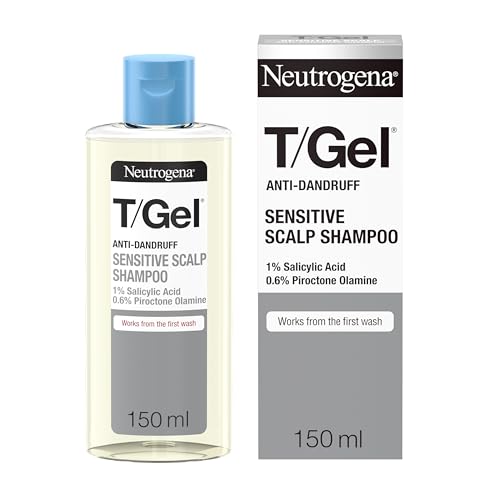
Neutrogena
T/Gel Anti Dandruff Shampoo
shampoo · 150 ml · 15 ingredients
- Fragrance-free
- No essential oils
- No MI/MCI
- With piroctone olamine
- With salicylic acid
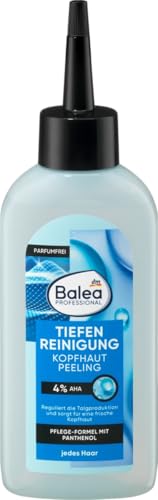
Balea
Professional Scalp Scrub Deep Cleansing
scalp treatment · 150 ml · 10 ingredients
- Fragrance-free
- No essential oils
- No MI/MCI
- With panthenol

OGX
ProGrowth + Peptide Scalp Serum
scalp treatment · 10 ml · 16 ingredients
- Fragrance-free
- No essential oils
- No MI/MCI
- With panthenol

Eucerin
Dermo Capillaire Anti-dandruff Shampoo
shampoo · 250 ml · 15 ingredients
- Fragrance-free
- No essential oils
- No MI/MCI
- With panthenol
Frequently asked questions
Does washing hair every day make an oily scalp worse in 2026?
No — this is a persistent myth that the physiology does not support. Sebaceous gland activity is regulated by hormones (primarily androgens), not wash frequency. Daily washing with a gentle, appropriately formulated shampoo does not reprogram gland output. What can cause temporary rebound oiliness is using overly harsh, high-concentration sulfate shampoos that strip the scalp barrier aggressively — the solution is switching to a gentler formula, not reducing washing frequency below what your sebum output genuinely requires.
What is the best shampoo ingredient for an oily scalp?
For simple oiliness without flaking, a gentle clarifying or balancing shampoo washed frequently enough is usually sufficient. If flaking accompanies oiliness (suggesting seborrheic dermatitis), the most evidence-backed choices are ketoconazole 2% (superior to other OTC actives in randomized controlled trials), zinc pyrithione 1%, or piroctone olamine. Salicylic acid 1–2% is useful for buildup and mild seborrheic symptoms. Ketoconazole 2% shampoo showed 73% improvement in dandruff severity versus 67% for zinc pyrithione 1% in a 331-person RCT.
Can diet affect scalp oiliness?
Potentially, though the scalp-specific evidence is less robust than acne research. High glycaemic index diets and some dairy intake have been linked to increased sebum production and androgen activity in skin research. A balanced diet low in processed sugars and dairy is a reasonable adjunct to topical management, but it will not overcome a genetic predisposition to high sebum output.
Is dry shampoo safe to use on an oily scalp?
Dry shampoo is safe as an occasional between-wash tool to absorb surface oil and add volume, but regular daily reliance is problematic. Starch or talc-based dry shampoos accumulate at follicle openings over time, contributing to scalp buildup and potentially exacerbating seborrheic dermatitis. Use it as a bridge tool, not a replacement for actual cleansing.
When should I see a doctor about an oily scalp?
See a dermatologist if: oiliness is accompanied by persistent yellowish greasy flakes, scalp redness, or burning (possible seborrheic dermatitis requiring antifungal treatment); if you suspect androgen excess (oily scalp, oily skin, acne, and irregular periods in women — possible PCOS); or if OTC shampoos have not resolved the issue after 4–6 weeks of consistent use.
Sources
- 01Revisiting, in vivo, the hair regreasing process by the Sebuprint method — PubMed Central / International Journal of Cosmetic Science, 2020-07-01. Greasy-type scalps regreased at approximately double the rate of non-greasy scalps; sebum detectable within 6 hours of washing and spreads 8.4 cm at 24 hours vs. 5.8 cm in non-greasy scalps.
- 02Lipidomic and Metagenomic Profiling of Chinese Female Emerging Adults With Oily Scalp — PubMed Central / Frontiers in Microbiology, 2025-01-01. Oily scalps are dominated by triglyceride-rich sebum; Cutibacterium acnes (42.61%) and Lawsonella clevelandensis (13.37%) are the primary bacterial colonizers; excess sebum disrupts microbial balance.
- 03A multicenter randomized trial of ketoconazole 2% and zinc pyrithione 1% shampoos in severe dandruff and seborrheic dermatitis — PubMed / Skin Pharmacology and Physiology, 2003-01-01. Ketoconazole 2% achieved 73% improvement in dandruff severity vs. 67% for ZPT 1% (p<0.02) in 331 participants; ketoconazole showed significantly lower recurrence rates at 4-week follow-up.
- 04Seborrheic Dermatitis — Diagnosis and Treatment — American Academy of Dermatology (aad.org). AAD recommends antifungal shampoos 2–3 times per week for straight/wavy hair and once weekly for curly/coily hair in seborrheic dermatitis management.
- 05Seborrheic Dermatitis — StatPearls — NCBI Bookshelf / NIH. Seborrheic dermatitis affects approximately 5% of the global population (dandruff variant ~50%); driven by Malassezia species, sebum composition, and individual susceptibility; antifungal treatment is first-line.
- 06A Cohort Clinical Study on the Efficacy of Topical Salicylic Acid/Piroctone Olamine Dandruff Pre-Gel and Cleanser in Improving Symptoms of Seborrheic Dermatitis — PubMed Central / NIH, 2024-01-01. Salicylic acid combined with piroctone olamine showed clinical efficacy in reducing moderate-to-severe seborrheic dermatitis symptoms of the scalp.