Beauty Treatments to Avoid During Pregnancy (& Safe Swaps)
The short answer
Retinoids, hydroquinone, high-concentration salicylic acid, and elective laser or injectable treatments should be avoided during.
The Framework: How to Think About Pregnancy and Beauty
Not every beauty product or procedure carries the same risk in pregnancy. The relevant variables are:
- Systemic absorption: How much of an ingredient actually crosses the skin and reaches the bloodstream — and potentially the fetus?
- Known risk: Is there teratogenic, embryotoxic, or developmental data from animal or human studies?
- Risk-benefit ratio: Is the treatment medically necessary, or purely elective? The bar for elective cosmetic procedures is higher than for clinically indicated treatments.
- Trimester: The first trimester (organogenesis — weeks 3–10) is the period of greatest vulnerability. Many clinicians recommend deferring even theoretically low-risk elective procedures until the second trimester.
This guide works through the major categories systematically. The references are peer-reviewed dermatology literature and institutional guidance from the AAD and ACOG.
Skincare Ingredients to Avoid in Pregnancy
Retinoids: All Forms, Stop Them
The retinoid class (all forms of vitamin A used in skincare and dermatology) is the most widely recognized skincare contraindication in pregnancy.
Why: Oral isotretinoin and high-dose oral vitamin A are established teratogens causing craniofacial, cardiac, and CNS defects. Topical retinoids have much lower systemic absorption, and two small prospective studies (96 and 106 participants) of first-trimester topical tretinoin use did not find increased malformation rates. However, the threshold of topical retinoid exposure that might be harmful in humans is unknown, and the principle is that no elective cosmetic ingredient should carry even a theoretical uncharacterized risk during pregnancy when effective alternatives exist.
The AAD's guidance is explicit: retinol, tretinoin, tazarotene, adapalene, and retinaldehyde should all be stopped during pregnancy. Resume them postpartum (after weaning if breastfeeding).
Safe alternative: Bakuchiol 0.5%, niacinamide 5–10%, azelaic acid, vitamin C (see pregnancy-safe retinol alternatives).
Hydroquinone: Avoid
Hydroquinone is the gold-standard topical depigmenting agent for melasma, dark spots, and hyperpigmentation — but it has the highest systemic absorption of any commonly used skincare ingredient: 35–45% of applied hydroquinone is absorbed through the skin systemically. This is substantially higher than most other ingredients and means meaningful systemic exposure occurs with routine use. Pending safety studies in pregnancy, avoidance is the standard recommendation.
Safe alternative: Azelaic acid 10–20%, niacinamide 4–5%, vitamin C 10–20%, kojic acid 1–4% (see melasma pregnancy guide).
High-Concentration Salicylic Acid: Avoid on Large Areas
Salicylic acid (BHA) at concentrations typical of OTC leave-on products (0.5–2%) is considered safe in pregnancy, used on limited skin areas, not occluded. The systemic concerns arise with:
- High-concentration peels (>20–30% salicylic acid)
- Application to large body areas for prolonged periods
- Occluded applications
In these scenarios, significant systemic absorption can occur. The AAD advises using salicylic acid sparingly and only below 2% concentration during pregnancy.
Safe alternative: Glycolic acid or lactic acid at 5–10% for exfoliation; azelaic acid for acne and comedones.
Chemical Sunscreen Filters: Switch to Mineral
Oxybenzone (benzophenone-3), octinoxate (ethylhexyl methoxycinnamate), and 4-methylbenzylidene camphor are chemical UV filters with potential endocrine-disrupting properties. A 2025 PMC photoprotection review recommends avoiding these filters during pregnancy in favor of mineral alternatives.
Safe alternative: Zinc oxide and/or titanium dioxide mineral sunscreen, SPF 30–50. Tinted mineral formulations with iron oxide protect against visible light as well, which is particularly beneficial for melasma prevention.
Formaldehyde and Formaldehyde-Releasing Preservatives
Formaldehyde is a known carcinogen and sensitizer found in some nail hardeners, certain hair products, and older preservative systems (DMDM hydantoin, quaternium-15, imidazolidinyl urea). Pregnant women should avoid professional keratin-straightening treatments that use formaldehyde-releasing compounds — exposure in a salon environment to heated formaldehyde vapor represents meaningful inhalation risk.
Safe alternative: Formaldehyde-free keratin alternatives exist but should be researched for their specific ingredients. Discuss with your stylist.
Benzoyl Peroxide: Use Cautiously
Benzoyl peroxide (BPO) absorbs approximately 5% through the skin and is metabolized to benzoic acid. No human studies have specifically examined its safety in pregnancy. The AAD lists it as an ingredient to use with caution (not in the avoid category). At low to moderate concentrations (2.5–5%) applied to limited areas, most dermatologists consider it acceptable for pregnancy acne when benefits outweigh precautionary concerns.
Injectable Treatments: Defer Elective Procedures
Botulinum Toxin (Botox, Dysport, Xeomin, Jeuveau)
The botulinum toxin molecule has a high molecular weight (~900 kDa as a complex), which makes significant placental transfer pharmacologically unlikely. Multiple case reports of cosmetic injections during early (unrecognized) pregnancy have not documented adverse fetal outcomes. However:
- No controlled safety data exist for cosmetic-dose botulinum toxin in pregnancy
- Isolated reports of miscarriage at high therapeutic doses (treating conditions like cervical dystonia) have been noted
- All professional dermatology and obstetrics bodies classify botulinum toxin for cosmetic use as an elective procedure to defer until postpartum
The guideline is not that a cosmetic injection before a confirmed pregnancy causes known harm — it is that there is no reason to accept an elective treatment with insufficient safety data when deferral costs nothing.
If you received botulinum toxin before knowing you were pregnant: The data, while limited, are generally reassuring given the molecular weight and cosmetic dosing. Discuss with your obstetrician but there is no established evidence of harm from cosmetic doses.
Dermal Fillers (Hyaluronic Acid, Calcium Hydroxyapatite, PLLA, PMMA)
Dermal fillers are classified as a relative contraindication in pregnancy in dermatology procedural guidance. Reasons include:
- Insufficient safety data on filler materials during pregnancy
- Pregnancy causes increased vascular changes and tissue edema — the skin and vascular anatomy behave differently, increasing complication risk
- Vascular occlusion (a rare but serious filler complication) may be more difficult to manage in a pregnant patient
- Post-inflammatory hyperpigmentation risk is amplified during pregnancy, and any injection-site bruising or inflammation is more likely to cause lasting pigmentation
Guidance: Defer all elective filler treatments to postpartum.
Hair Treatments
Permanent Hair Dye
Risk level: Low for personal use, moderate occupational concern.
A 2008 PMC review of hair product safety in pregnancy (PMC2567273) found that personal use of hair dye 3–4 times throughout pregnancy is "not considered to be of concern" given minimal systemic absorption of dye chemicals through healthy scalp skin. The limited published data have not found associations between occasional personal hair dye use and adverse pregnancy outcomes. The AAD does not list permanent hair dye in its avoid category.
Standard precautions:
- Many clinicians advise waiting until after the first trimester (week 13+) as a precautionary measure, since organogenesis is complete
- Use in a well-ventilated space
- Wear gloves
- Minimize scalp contact by choosing highlights, balayage, or other techniques that keep dye off the scalp itself
- Avoid use if you have scalp wounds, sores, or eczema (compromised skin barrier increases absorption)
Occupational exposure (hairdressers): The PMC2567273 review found no documented teratogenic effects in studies of pregnant hairdressers, but recommends wearing gloves, limiting working hours to 35 per week, ensuring salon ventilation, and avoiding prolonged standing.
Chemical Relaxers and Texturizers
Chemical hair straighteners and relaxers contain sodium hydroxide (lye) or guanidine compounds at very alkaline pH. Their systemic absorption data in pregnancy are limited. General guidance is to follow the same precautions as hair dye — defer where possible, especially first trimester; use with gloves and ventilation; avoid scalp application near wounds or sores.
Keratin (Brazilian Blowout) Treatments
The main safety concern with many keratin straightening treatments is formaldehyde or formaldehyde-releasing preservatives, which when heated release formaldehyde vapor. This is an inhalation exposure concern in a salon environment. Formaldehyde-containing keratin treatments should be avoided during pregnancy. Review your treatment's specific ingredient list; formaldehyde-free alternatives exist.
Bleach and Highlights
Similar risk profile to permanent hair dye — relatively low for infrequent personal use. Highlights that do not contact the scalp (foils, balayage) reduce scalp skin exposure further and are widely considered the safest approach during pregnancy.
Nail Treatments
Gel Manicures, Acrylics, and Dip Powder
Nail salon products — UV gel systems, acrylic polymers (methyl methacrylate and EMA), and dip powder systems — involve potential inhalation of fumes and skin contact with chemical compounds. The evidence base for systemic harm from professional nail services during pregnancy is limited, but the following precautions reduce exposure:
- Choose a well-ventilated salon or request outside air circulation
- Avoid biting or picking at nails during a manicure application
- Seek formaldehyde-free nail polish formulations (many mainstream brands now offer "3-free," "5-free," or "7-free" variants)
- Limit frequency
For UV gel manicure curing, the UV exposure is very brief and localized to the hands; a 2023 published study found that UV-LED nail lamps can cause DNA damage in nail bed skin cells with repeated exposure. While pregnancy-specific data are absent, using sunscreen on the hands before UV gel curing is a sensible precaution.
Nail Polish Remover
Acetone is the most common nail polish remover. It is absorbed through the skin and lungs. At the brief exposures involved in normal nail polish removal, systemic exposure is low. Avoid contact-heavy sessions and ensure ventilation.
Hair Removal
Laser Hair Removal and IPL
There are no controlled safety data on laser hair removal or IPL during pregnancy. Additionally, pregnancy-related hormonal changes continue to stimulate hair growth (vellus hair thickening is a common pregnancy change), meaning results from treatments performed during pregnancy would be unpredictable in any case. The standard guidance from multiple dermatology procedural reviews is to defer laser and IPL hair removal until postpartum.
Safe alternatives during pregnancy:
- Waxing: Considered safe; note that pregnancy hormones can make skin more sensitive and more prone to post-waxing redness, so perform a patch test, use lower-temperature wax, and be prepared for increased discomfort
- Shaving: Completely safe
- Depilatory creams: The active chemicals (calcium thioglycolate or potassium thioglycolate) show negligible systemic absorption at consumer concentrations and are considered safe; test a small area first as skin sensitivity increases during pregnancy
- Threading: Safe; no chemical contact
Electrolysis
Permanent hair removal via electrolysis involves small electrical currents applied to individual follicles. Dedicated pregnancy safety data are absent, and it is classified alongside laser as a procedure to defer — partly due to the uncertainty around electrical stimulation near a developing fetus, partly for logistical reasons.
Professional Skin Treatments
Chemical Peels
The safety of chemical peels in pregnancy depends on the peeling agent and concentration:
| Peel Type | Pregnancy Status |
|---|---|
| Glycolic acid (low to moderate %) | Generally safe; minimal systemic absorption |
| Lactic acid | Generally safe; minimal systemic absorption |
| Salicylic acid (≤2%, limited area) | Caution; acceptable on small areas, not full face/body |
| High-concentration salicylic acid (>2%) | Avoid |
| Trichloroacetic acid (TCA) | Avoid — associated with low birth weight in one cohort study |
| Phenol peel | Avoid — significant systemic absorption |
The general guidance is that professional peels beyond low-concentration glycolic or lactic acid are deferred until postpartum, both for safety reasons and because pregnancy skin is more reactive and prone to post-inflammatory hyperpigmentation.
Microdermabrasion
Mechanical exfoliation using fine crystals or a diamond tip with suction — considered safe in pregnancy. It is a non-invasive physical procedure with no chemical systemic absorption. Safe for addressing texture and dullness during pregnancy.
Laser and Light-Based Treatments
Most elective aesthetic laser treatments — fractional resurfacing, Q-switched pigment lasers, vascular lasers for cosmetic purposes — lack pregnancy safety data and are deferred. Medical indications (e.g., laser treatment of genital condylomata / HPV lesions) have been performed in pregnancy with CO2 and Nd:YAG lasers under dermatologist and obstetrician supervision.
Microneedling
Microneedling creates micro-injuries to stimulate collagen. Formal pregnancy safety data are absent. Some formulations used with microneedling (e.g., growth factors, platelet-rich plasma, certain vitamin cocktails) have unclear pregnancy profiles. The standard recommendation is to defer microneedling until postpartum.
Tanning Beds
UV tanning beds should be avoided during pregnancy. Beyond the general carcinogenic risks, UV exposure directly worsens melasma (the most common skin concern of pregnancy) and represents avoidable photodamage. Mineral self-tanner with dihydroxyacetone (DHA) is safe — DHA has minimal systemic availability (~0.5%) and is used widely in pregnancy without documented adverse effects.
Safe Treatment Summary Table
| Treatment | Safety in Pregnancy | Notes |
|---|---|---|
| Mineral SPF (zinc oxide, titanium dioxide) | Safe | First-line intervention; SPF 50+ recommended |
| Gentle cleanser, fragrance-free moisturizer | Safe | Core routine |
| Azelaic acid 10–20% | Safe all trimesters | Best active for acne + pigmentation |
| Niacinamide 4–10% | Safe | Brightening, barrier support |
| Vitamin C serum | Safe | Morning use; antioxidant + brightening |
| Glycolic acid / lactic acid (cosmetic %) | Safe | Evening; avoid professional high-% peels |
| Hyaluronic acid | Safe | Hydration; negligible absorption |
| Topical clindamycin | Safe | Acne; all trimesters |
| Benzoyl peroxide (≤5%) | Caution (limited data) | Acceptable for acne if needed |
| Microdermabrasion | Safe | Physical exfoliation; no systemic exposure |
| Waxing | Safe | Skin may be more sensitive; patch test first |
| Shaving | Safe | No concerns |
| Depilatory creams | Safe | Negligible absorption; patch test first |
| DHA self-tanner | Safe | Minimal systemic availability |
| Hair dye (personal use, post-first trimester) | Low risk | Ventilate; gloves; avoid scalp sores |
| Retinoids (all topical forms) | Avoid | AAD: stop during pregnancy |
| Hydroquinone | Avoid | 35–45% systemic absorption |
| Botulinum toxin (cosmetic) | Defer | Elective; insufficient safety data |
| Dermal fillers | Defer | Elective; relative contraindication |
| Laser / IPL (cosmetic) | Defer | No safety data |
| Microneedling | Defer | No safety data |
| Chemical peels (TCA, phenol, high-SA) | Avoid / Defer | Systemic absorption concerns |
| Keratin treatments (formaldehyde-containing) | Avoid | Formaldehyde inhalation risk |
| Tanning beds | Avoid | UV worsens melasma; carcinogenic |
| Spironolactone | Avoid | Requires washout before conception |
| Oral tetracyclines | Avoid | Fetal tooth/bone effects after 15 weeks |
Timing: Why the Second Trimester Matters
If a dermatologic or cosmetic procedure is clinically necessary during pregnancy (not purely elective), the second trimester (weeks 13–27) is the preferred window:
- First trimester: Organogenesis — the period when fetal organ systems are forming. Greatest vulnerability to teratogens. Avoid all non-essential procedures.
- Second trimester: Organogenesis is largely complete; miscarriage risk is lower; patient has not yet reached the increased discomfort and positioning difficulties of late pregnancy.
- Third trimester: Increased risk of preterm labor; positioning for procedures may compress the vena cava (lying flat for extended periods is inadvisable); some medications used in procedures may affect fetal circulation.
Practical Approach: What to Do Now
- Review your current routine against the ingredient list above. The most common changes needed are: stop retinoids, stop hydroquinone, switch to mineral SPF.
- Inform your dermatologist you are pregnant (or trying to conceive) — they can review your prescription treatments and any planned procedures.
- Discuss your full product list with your obstetrician at your next appointment. Bring product ingredient lists if needed.
- For acne that requires active treatment: azelaic acid, topical clindamycin, and benzoyl peroxide (used cautiously) are the available in-pregnancy toolkit.
- For melasma prevention: start rigorous tinted mineral SPF in the first trimester — the evidence supporting first-trimester photoprotection for melasma prevention is the strongest single intervention data point in pregnancy skincare.
- Defer elective procedures — botulinum toxin, fillers, laser, aesthetic peels — to postpartum. They will work just as well then, and you won't spend your pregnancy managing complications from elective treatments.
Products that fit: pregnancy
Picked by code from each product's full ingredient list.

Balea
med Ultra Sensitive Face Serum
moisturizer · 30 ml · 20 ingredients
- Fragrance-free
- No essential oils
- No retinoids and hydroquinone
- With hyaluronic acid
- With glycerin

Balea
Niacinamide Night Cream
moisturizer · 50 ml · 14 ingredients
- Fragrance-free
- No essential oils
- No retinoids and hydroquinone
- With niacinamide
- With glycerin

Catrice
Glam & Doll Curl Freeze Lash Sculpt Gel
moisturizer · 9.5 ml · 13 ingredients
- Fragrance-free
- No essential oils
- No retinoids and hydroquinone
- With glycerin
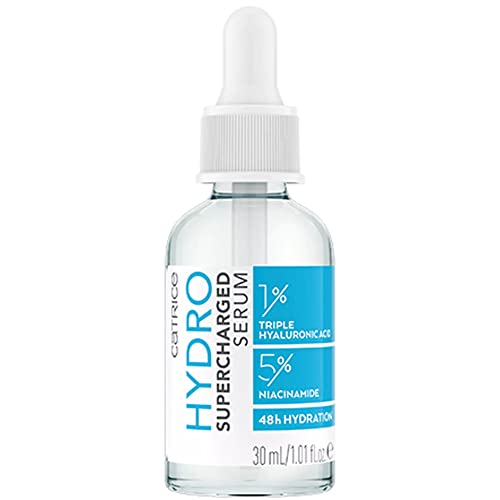
Catrice
Hydro Supercharged Serum
moisturizer · 30 ml · 11 ingredients
- Fragrance-free
- No essential oils
- No retinoids and hydroquinone
- With niacinamide
- With hyaluronic acid
Frequently asked questions
What skincare ingredients are actually safe to use during pregnancy in 2026?
The AAD's current guidance identifies the following as safe: physical/mineral sunscreen (zinc oxide, titanium dioxide), vitamin C, glycolic acid (at cosmetic concentrations), azelaic acid, niacinamide, hyaluronic acid, ceramides, topical clindamycin (for acne), and benzoyl peroxide (at low concentrations, used cautiously). These are the building blocks of an effective pregnancy skincare routine that addresses anti-aging, acne, and pigmentation goals.
Can I get Botox while pregnant?
Botulinum toxin injections for cosmetic purposes should be deferred until postpartum. While the large molecular size of botulinum toxin makes significant placental transfer pharmacologically unlikely, and case reports of accidental cosmetic injection during early unrecognized pregnancies have generally not shown harm, no adequate controlled safety data exist for cosmetic-dose botulinum toxin in pregnancy. All professional dermatology guidelines classify cosmetic botulinum toxin as an elective procedure to defer. If you received Botox before you knew you were pregnant, discuss with your obstetrician — the limited data are generally reassuring.
Is it safe to dye my hair when pregnant?
Hair dye for personal use is considered low-risk during pregnancy, particularly after the first trimester. A peer-reviewed review found that personal use of hair dye 3–4 times during pregnancy is not considered a safety concern given minimal systemic absorption through healthy scalp skin. Precautions: wait until after week 13; use in a well-ventilated space; wear gloves; consider highlights or techniques that minimize scalp contact. Do not use hair dye near scalp wounds or sores.
Can I get laser hair removal while pregnant?
No — laser hair removal and IPL are deferred during pregnancy. There are no controlled safety data on these procedures during pregnancy. Additionally, pregnancy hormones continue to stimulate hair growth throughout gestation, making results unpredictable. Safe alternatives include waxing, shaving, threading, and depilatory creams — all of which are considered safe for use during pregnancy.
What should I do if I used a retinoid before I knew I was pregnant?
First: do not panic. The systemic absorption from topical retinoids is substantially lower than from oral retinoids, and two published prospective studies of women who used topical tretinoin in the first trimester without knowing they were pregnant did not find increased malformation rates. Discuss your exposure with your obstetrician — they can assess the timing, duration, and concentration of use. Stop the retinoid immediately upon confirmation of pregnancy and do not resume until after breastfeeding is complete.
Are chemical peels safe during pregnancy?
It depends on the peel. Glycolic acid and lactic acid peels at cosmetic concentrations (as in OTC leave-on products) are considered safe in pregnancy due to negligible systemic absorption. Professional glycolic acid peels at moderate concentrations have been used for gestational acne without documented adverse effects. TCA (trichloroacetic acid) peels are associated with fetal growth concerns in one study and should be avoided. High-concentration salicylic acid peels are avoided due to systemic absorption risk. Phenol peels are contraindicated. The general advice is to defer professional peels to postpartum unless managing a specific medical indication under dermatologist supervision.
Health information, not medical advice.
Beauty Comparison is an independent editorial publication. This page is researched and sourced to the authorities listed below, but it is general information — not a diagnosis or a substitute for personalised advice from a qualified doctor, dermatologist or pharmacist. If your symptoms are severe, spreading, painful, or not improving, see a healthcare professional.Sources
- 01Dermatologist-approved pregnancy skin care — American Academy of Dermatology (AAD). AAD lists all topical retinoids, hydroquinone, spironolactone, tetracyclines, and 5-FU as ingredients to avoid completely; recommends mineral SPF (zinc oxide, titanium dioxide), vitamin C, and glycolic acid as safe; advises salicylic acid and benzoyl peroxide with caution.
- 02A review of the safety of cosmetic procedures during pregnancy and lactation — PMC / NIH (PMC5418954), 2017-03-01. Glycolic and lactic acid peels are safe due to negligible dermal penetration; botulinum toxin has large molecular size making placental transfer unlikely but cosmetic use lacks sufficient safety data; trichloroacetic acid peels associated with low birth weight; sclerotherapy contraindicated first trimester and after 36 weeks; hydroquinone and tazarotene should be avoided.
- 03Dermatologic and Cosmetic Procedures in Pregnancy — PMC / NIH (PMC9364454), 2022-07-01. Second trimester is optimal timing for any necessary procedure; microdermabrasion is safe; fillers are relatively contraindicated; botulinum toxin correct intramuscular administration does not lead to significant systemic concentrations but requires more research; laser/IPL hair removal deferred; waxing, shaving, depilatory creams are safe hair removal options.
- 04Safety of skin care products during pregnancy — PMC / NIH (PMC3114665), 2011-06-01. Hydroquinone absorbs systemically at 35–45% — highest of any reviewed skincare ingredient; benzoyl peroxide absorbs ~5% and metabolizes to benzoic acid; DHA self-tanner has ~0.5% systemic availability; topical clindamycin and erythromycin show no increased risk of malformations in 647+ pregnant women; glycolic and salicylic acid show minimal systemic absorption at cosmetic concentrations.
- 05Safety of hair products during pregnancy: Personal use and occupational exposure — PMC / NIH (PMC2567273), 2008-10-01. Personal use of hair dye 3–4 times during pregnancy is not considered a safety concern due to minimal systemic absorption; no teratogenic effects documented in pregnant hairdresser studies; occupational guidance includes gloves, ventilation, and limited working hours.
- 06Treatment of Acne Vulgaris During Pregnancy and Lactation: A Narrative Review — PMC / NIH (PMC9823189), 2023-01-01. Azelaic acid safe all trimesters; benzoyl peroxide up to 5% acceptable; salicylic acid and glycolic acid considered safe during all trimesters at cosmetic concentrations; all topical retinoids (tretinoin, adapalene, tazarotene) should be avoided; isotretinoin strictly contraindicated; oral tetracyclines contraindicated after 15 weeks.
- 07Photoprotection in pregnancy: addressing safety concerns and optimizing skin health — PMC / NIH (PMC11984416), 2025-04-01. Chemical sunscreen filters oxybenzone, octinoxate, and 4-methylbenzylidene camphor should be avoided during pregnancy; zinc oxide and titanium dioxide are the preferred mineral filters; non-spray sunscreen formulations recommended to avoid inhalation risk.