Melasma: What It Is, Why It's So Stubborn & How to Treat
The short answer
Melasma is hormonally driven, symmetrical facial pigmentation.
What Is Melasma?
Melasma is a chronic pigmentation disorder of the face, defined by bilaterally symmetrical brown or gray-brown patches that appear predominantly on sun-exposed areas: the cheeks, upper lip, chin, forehead, and bridge of the nose. Unlike the discrete spots of solar lentigines or the localized marks of post-inflammatory hyperpigmentation, melasma tends to cover larger zones and often has an irregular but broadly symmetrical distribution.
Melasma affects up to 6 million people in the United States and an estimated 1–2% of the global population. Women account for roughly 90% of cases. It is substantially more common in people with Fitzpatrick skin types III–V — medium to dark skin tones — but can occur in all skin tones. It is particularly prevalent in Hispanic, Asian, Middle Eastern, and South Asian populations.
Melasma is not dangerous, does not become cancerous, and causes no physical symptoms beyond its appearance. But it can cause significant psychological distress and is one of the most challenging pigmentation disorders to treat because of its hormonal and photosensitive drivers, its deep and mixed-depth pigment in many cases, and its high rate of recurrence.
Why Melasma Is So Stubborn: The Biology
Melasma is not simply excess UV exposure — it is a disorder of melanocyte hyperactivity with multiple overlapping drivers:
Hormonal Triggers
Estrogen and progesterone upregulate melanocyte-stimulating hormone (MSH) receptor expression and increase tyrosinase activity. This explains why melasma occurs:
- During pregnancy (chloasma, or "the mask of pregnancy")
- When starting or changing combined oral contraceptives
- With hormone replacement therapy (HRT)
- In the perimenopausal period in some women
The hormonal connection is why melasma is inherently difficult to eradicate while a hormonal trigger remains active — the drive to produce excess melanin is continuously renewed.
UV Sensitivity
UV-A and UV-B radiation independently stimulate melanin production in all skin, but in melasma-prone skin, the melanocytes are hyperresponsive. Even brief UV exposure that would not affect normal skin can significantly worsen or trigger a melasma relapse. Critically, visible light — the blue-violet portion of the spectrum — has also been shown to independently trigger melanogenesis in darker-skinned individuals with melasma. This means that standard chemical sunscreens that block UV but not visible light offer incomplete protection for many melasma patients.
Dermis-Level Changes
Advanced imaging has revealed that melasma involves not only overactive melanocytes in the epidermis but also dermal changes: solar elastosis, increased mast cells, and in some cases a mixed epidermal-dermal pattern of pigment deposition. Dermal melasma is substantially more resistant to topical brighteners, which are most effective on epidermal pigment. Wood's lamp examination can partially differentiate the two (epidermal pigment is accentuated; dermal is not), though many patients have a mixed pattern.
Vascular Component
Recent research has identified increased vascularity in melasma lesions, with elevated levels of vascular endothelial growth factor (VEGF). This is thought to amplify the melanogenic response and may partly explain why tranexamic acid — which also has anti-angiogenic properties — is effective.
Diagnosis
Melasma is typically diagnosed clinically by a dermatologist based on:
- Bilateral symmetrical distribution on sun-exposed facial skin
- History of hormonal exposure (pregnancy, OCP, HRT) or significant UV exposure
- Patient demographic (women aged 20–50, Fitzpatrick types III–V most common)
Wood's lamp examination helps determine whether pigment is predominantly epidermal (responds better to topicals) or dermal (requires more aggressive or longer treatment). Dermoscopy shows characteristic features including brown to gray pigmentation, a pseudo-reticular pattern, and prominent vascularity. Biopsy is rarely performed but definitively confirms diagnosis.
Important: Any pigmented facial lesion that is asymmetric, irregularly bordered, multi-colored, rapidly changing, or of uncertain diagnosis should be evaluated by a dermatologist to rule out melanoma or other skin conditions before treating for melasma.
The Treatment Hierarchy
Step 1: Strict Photoprotection (Non-Negotiable)
Every treatment protocol for melasma begins with — and requires ongoing commitment to — daily broad-spectrum sun protection at SPF 50 or higher.
Tinted mineral sunscreens (physical blockers: zinc oxide, titanium dioxide) with iron oxides are the evidence-backed recommendation for melasma. Iron oxides absorb visible blue-violet light (380–500 nm range), which has been shown in at least one RCT to independently trigger melanogenesis in patients with melasma beyond what UV blocking alone prevents. A 2020 study in JAAD found that adding visible-light protection via iron-oxide pigments to SPF 50+ significantly improved melasma outcomes compared to identical UV-blocking SPF without visible-light protection.
Apply SPF 50+ as the final step of your morning routine. Reapply every 2 hours if outdoors. This step must be maintained indefinitely — even on cloudy days, indoors near windows, and during treatment.
Step 2: First-Line Topical Depigmenting Agents
Hydroquinone 4% (prescription): The most rigorously studied single topical for melasma. Inhibits tyrosinase and impairs melanosome biogenesis and transfer. Multiple placebo-controlled trials confirm efficacy. The FDA maintains that OTC hydroquinone 2% is safe and effective for skin lightening; prescription 4% is substantially more potent. Use in 3–4 month cycles with breaks to prevent exogenous ochronosis. Not for use in pregnancy.
Azelaic acid 20% (prescription) or 10–15% (some OTC): A dicarboxylic acid that selectively inhibits overactive melanocytes without affecting normally-functioning ones — a particularly desirable property in melasma. It has anti-inflammatory and mild keratolytic properties. FDA-approved at 20% for rosacea but widely used off-label for melasma with strong evidence. Category B in pregnancy — one of the safest options for pregnant patients with melasma.
Tranexamic acid (topical 2–5%): Disrupts the keratinocyte-plasminogen-melanocyte signaling pathway. Multiple clinical trials confirm efficacy comparable to hydroquinone with excellent tolerability. Available OTC at lower concentrations in serums and creams.
Kojic acid (1–4%), alpha-arbutin (1–2%), niacinamide (5–10%): All have supporting evidence as adjuncts or alternatives in patients who do not tolerate hydroquinone or azelaic acid. Combination approaches incorporating multiple mechanisms are generally more effective.
Step 3: Triple Combination Cream (Prescription)
The Kligman-Willis triple combination — hydroquinone 4% + tretinoin 0.05% + fluocinolone acetonide 0.01% — available as Tri-Luma in the United States, is the most rigorously studied topical for melasma and the standard against which other treatments are compared in clinical trials. At least 10 randomized controlled trials confirm it outperforms any individual component used alone.
The steroid component (fluocinolone) reduces inflammation that drives melanogenesis and also minimizes retinoid and hydroquinone irritation — but is included specifically to limit the irritation/inflammation cycle, not as a depigmenting agent. Because it contains a topical corticosteroid, use is typically limited to 8–12 week cycles to avoid steroid-related side effects (skin atrophy, telangiectasias).
Step 4: Oral Tranexamic Acid (Physician Supervised)
For melasma resistant to topical therapy, oral tranexamic acid 250 mg twice daily has emerged as one of the most evidence-supported options. At least 8 randomized controlled trials confirm significant improvement in MASI (Melasma Area and Severity Index) scores over 8–24 weeks. It is not a standard drug with FDA approval for melasma (used off-label), and it carries a modest increase in thrombotic risk — contraindicated in patients with history of DVT, PE, or thromboembolic disorders. Prescribing physicians typically assess cardiovascular risk before initiating.
Comparing Treatment Options
| Treatment | Evidence Strength | Pregnancy Safe? | Main Considerations |
|---|---|---|---|
| SPF 50+ (tinted with iron oxides) | Strong — foundation | Yes | Must be maintained indefinitely |
| Hydroquinone 4% | Strong | No | 3–4 month cycles; ochronosis risk with prolonged use |
| Azelaic acid 20% | Strong | Yes (category B) | Well tolerated; slightly slower onset |
| Triple combination cream | Very strong (Tri-Luma) | No | Most potent topical; steroid limits duration |
| Tranexamic acid (topical) | Moderate–strong | Limited data; caution | Well tolerated; OTC access |
| Oral tranexamic acid | Strong | No | Requires physician supervision; thrombotic risk |
| Kojic acid, niacinamide, arbutin | Moderate (adjuncts) | Generally yes | Useful in combination |
| Chemical peels | Moderate | No | Risk of PIH in darker skin; series required |
| Q-switched Nd:YAG laser | Moderate (with caveats) | No | Rebound risk; maintain strict SPF after |
Procedures for Refractory Melasma
When topical therapy reaches its ceiling, procedural options can address deeper or more resistant pigment:
Chemical Peels: Superficial to medium-depth peels using glycolic acid (30–70%), salicylic acid (20–30%), or Jessner's solution — used as a series of 4–6 treatments every 3–4 weeks. Pre-conditioning with hydroquinone for 4–6 weeks reduces post-peel PIH risk. Superficial peels are preferred in Fitzpatrick types IV–VI; medium-depth peels carry significant PIH risk in darker skin.
Laser and Light Devices: Q-switched Nd:YAG laser (1064 nm) and picosecond lasers have been used for melasma with variable results. Important caveats: melasma can initially improve dramatically then undergo significant rebound hyperpigmentation — particularly if strict photoprotection is not maintained after treatment. Fractional ablative lasers carry higher PIH risk in darker skin tones. IPL is not recommended as a first-line procedure for melasma. Expert dermatologist guidance is essential; outcomes in melasma are more unpredictable than for solar lentigines.
Microneedling + topical delivery: Microneedling may enhance penetration of depigmenting serums (tranexamic acid, vitamin C) into the dermis where pigment is deposited. A growing body of evidence suggests combined microneedling + tranexamic acid can produce improvements in refractory mixed-type melasma.
Melasma and Hormonal Contraceptives
If your melasma is significantly affecting quality of life and you use combined oral contraceptives (estrogen + progestin), your dermatologist may recommend discussing a switch to a progestin-only method with your gynecologist. Non-hormonal contraceptive options also avoid the melanogenic estrogen stimulus. Similarly, HRT — especially combined estrogen-progestin formulations — is a well-recognized melasma trigger; transdermal delivery routes may have a lower melasma risk than oral HRT, though data are limited.
This is a conversation for your clinical team — the melasma benefit of switching must be weighed against your contraceptive needs and overall health.
Melasma During Pregnancy
"Chloasma" or "the mask of pregnancy" affects 50–70% of pregnant women. Key management principles:
- Strict daily SPF 50+ — safe and the most important intervention
- Azelaic acid (10–20%) — considered safe in pregnancy (category B); the first-line active for pregnant patients with melasma
- Avoid hydroquinone and tretinoin — not recommended during pregnancy
- Topical niacinamide — generally considered safe in pregnancy; useful adjunct
- Most pregnancy melasma partially or fully resolves postpartum, particularly if hormonal contraceptives are not restarted
Living With Melasma: The Long-Term Perspective
Melasma is best understood as a chronic condition requiring ongoing management rather than a temporary problem with a permanent solution. Clear objectives:
- Achieve meaningful lightening during treatment cycles
- Maintain clearance with indefinite daily SPF, periodic topical brighteners, and sun-avoidance behaviors (hats, shade, UV-protective clothing)
- Prevent relapse by minimizing UV exposure and being aware of hormonal triggers
Many patients achieve excellent cosmetic outcomes with this framework. The frustrating reality is that stopping SPF for as little as a few weeks of summer can reverse months of progress — which is why routine sun protection must become a non-negotiable daily habit.
Products that fit: dark spots and uneven tone
Picked by code from each product's full ingredient list.

Anua
Peach 70 Niacinamide Serum
serum · 30 ml · 45 ingredients
- No essential oils
- With vitamin c
- With niacinamide
- With alpha arbutin
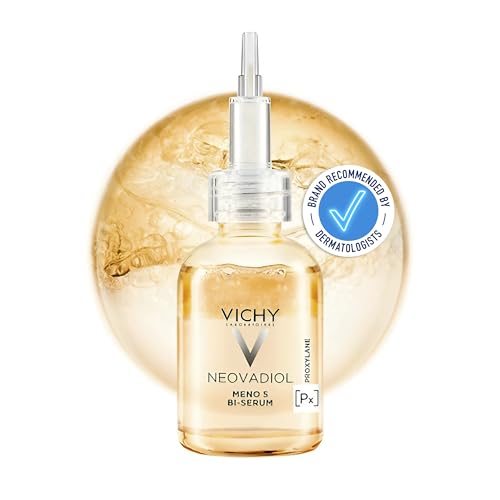
Vichy
Neovadiol Meno 5 Bi-Serum
serum · 2.4 l · 23 ingredients
- No essential oils
- With vitamin c
- With niacinamide
- With glycolic acid

Catrice
Glow Super Vitamin Serum
serum · 30 ml · 26 ingredients
- Fragrance-free
- No essential oils
- With vitamin c
- With niacinamide

Paula's Choice
Clinical 20% Niacinamide Treatment
serum · 20 ml · 26 ingredients
- Fragrance-free
- No essential oils
- With vitamin c
- With niacinamide
When to see a professional
Consult a board-certified dermatologist if: melasma is not improving after 3 months of consistent OTC treatment plus strict daily SPF; you have darker skin and want to consider chemical peels or laser (risk of PIH requires professional guidance); you wish to consider prescription options including hydroquinone 4%, triple combination cream, or oral tranexamic acid; you are pregnant and need guidance on safe treatment; the pigmentation is rapidly worsening, asymmetric, or of uncertain character (to rule out melanoma or other conditions); or melasma is significantly affecting your quality of life or psychological wellbeing. A dermatologist can confirm the diagnosis, assess pigment depth with Wood's lamp and dermoscopy, and create a tailored treatment plan.
Frequently asked questions
What does the latest evidence say about treating melasma in 2026?
The 2026 evidence base continues to support triple combination cream (hydroquinone + tretinoin + mild steroid) as the single most effective topical approach, backed by over 10 RCTs. Oral tranexamic acid (250 mg twice daily) has accumulated strong RCT evidence and is increasingly used for refractory melasma under physician supervision. A key advance is the recognition that visible blue-violet light (not just UV) independently triggers melanogenesis in melasma patients — making tinted sunscreens with iron oxides a clinical recommendation rather than an optional upgrade. Picosecond lasers show promise but melasma rebound after laser remains a significant risk without lifelong strict photoprotection.
Can melasma be cured permanently?
No — melasma cannot be cured in the conventional sense. It is a chronic condition in which overactive melanocytes persist in the skin and will re-activate on UV or hormonal exposure. Treatment achieves meaningful lightening and improved appearance, but maintenance — daily SPF 50+, periodic brightening actives, and sun-avoidance behaviors — is required indefinitely to prevent recurrence. Patients who stop treatment and photoprotection typically see melasma return within weeks to months of UV exposure.
Does melasma get worse with age?
It depends on the driver. Pregnancy-related melasma often partly or fully resolves postpartum, especially if hormonal contraceptives are not restarted. Melasma associated with ongoing hormonal contraceptive use or cumulative UV damage may progressively worsen if untreated and unprotected. After menopause, with reduced estrogen, some patients see natural improvement. However, decades of accumulated UV damage can produce darker and more diffuse pigmentation regardless of hormonal status — which is why early and consistent photoprotection is the most important preventive measure.
Is laser treatment safe for melasma?
Laser treatment for melasma must be approached with caution. Unlike solar lentigines or PIH, melasma often undergoes initial clearance followed by significant rebound hyperpigmentation — particularly without rigorous post-treatment photoprotection. Q-switched Nd:YAG 1064 nm is the most widely used and best-tolerated laser for darker skin tones with melasma. Fractional ablative lasers are not recommended as first-line for melasma due to high PIH risk. Laser should be performed by an experienced dermatologist who understands melasma biology, and must be combined with continued topical therapy and strict SPF maintenance.
Is hydroquinone safe to use for melasma?
Hydroquinone 2–4% is the most studied topical brightener in dermatology and is considered safe when used in the protocols described — 3–4 month treatment cycles, with breaks, under physician supervision. The primary concern is exogenous ochronosis — a paradoxical permanent blue-black pigmentation from prolonged, uninterrupted use — which occurs most commonly in patients with darker skin tones applying it continuously for extended periods. It should not be used during pregnancy. The AAD and most international dermatological bodies consider it safe and effective within these parameters. Many patients use it successfully for decades in properly supervised cycles.
Why did my melasma come back after it cleared?
Because treatment calms overactive melanocytes but does not remove or permanently deactivate them. Any UV exposure, hormonal change, or skin inflammation can re-trigger melanin overproduction. The most common reasons for relapse: stopping daily SPF (even for a short period in summer); starting or changing hormonal contraceptives; pregnancy; or stopping maintenance brighteners. This is inherent to melasma biology — not a treatment failure. Indefinite photoprotection and periodic maintenance actives are the expected long-term approach.
Health information, not medical advice.
Beauty Comparison is an independent editorial publication. This page is researched and sourced to the authorities listed below, but it is general information — not a diagnosis or a substitute for personalised advice from a qualified doctor, dermatologist or pharmacist. If your symptoms are severe, spreading, painful, or not improving, see a healthcare professional.Sources
- 01Melasma: Epidemiology, pathogenesis and treatment — PubMed Central / Indian Dermatology Online Journal, 2013-08-01. Comprehensive melasma epidemiology (90% women, skin types III–V); hormonal triggers (estrogen/progesterone upregulate tyrosinase and MSH receptors); Wood's lamp classification; triple combination therapy efficacy.
- 02Melasma: A Review of the Basic Science and Treatment Options — PubMed Central / Dermatology and Therapy, 2020-03-01. Pathophysiology of melasma: UV, visible light, and hormonal drivers; vascular component (VEGF elevation); evidence for hydroquinone, triple combination, tranexamic acid, chemical peels, and laser; rebound risk with laser.
- 03Oral tranexamic acid for the treatment of melasma: A review of clinical evidence — PubMed / Journal of the American Academy of Dermatology, 2020-06-01. RCT evidence for oral tranexamic acid 250 mg twice daily significantly reducing MASI scores; mechanism via plasminogen pathway; thrombotic risk requires physician supervision; contraindicated with thrombosis history.
- 04Iron oxides in sunscreen improve protection from visible light-induced melasma — PubMed / Journal of the American Academy of Dermatology, 2020-04-01. RCT demonstrating that tinted SPF 50+ with iron oxides significantly outperforms non-tinted SPF 50+ for melasma because iron oxides block blue-violet visible light that independently triggers melanogenesis.
- 05Melasma — AAD patient information — American Academy of Dermatology (AAD). AAD guidance on melasma: definition, triggers (UV, hormones, pregnancy), treatment options (hydroquinone, azelaic acid, kojic acid, triple combination), maintenance requirement, and when to see a dermatologist.
- 06Melasma treatment: an evidence-based review — PubMed Central / International Journal of Dermatology, 2014-01-01. Evidence ranking for melasma treatments; triple combination cream is Level I evidence (multiple RCTs); hydroquinone monotherapy Level I; laser/IPL Level II with significant rebound risk; azelaic acid Level I; sun protection essential foundation.