Alpha Arbutin: The Gentle Brightener Dermatologists Love
The short answer
Alpha arbutin inhibits tyrosinase at the active site.
What Is Alpha Arbutin?
Alpha arbutin (systematic name: 4-hydroxyphenyl-α-D-glucopyranoside) is a biosynthetic glycoside — a molecule in which hydroquinone is bound to a glucose molecule via an alpha glycosidic linkage. This structural modification transforms hydroquinone from a direct melanocyte-toxic agent into a controlled, enzyme-targeted tyrosinase inhibitor with a substantially improved safety profile.
Alpha arbutin should be distinguished from beta arbutin (the beta-glycosidic form, naturally occurring in bearberry, cranberry, and pear plants) and from deoxyarbutin (a structurally related synthetic compound with higher potency). Alpha arbutin is the stereoisomeric form that demonstrates superior tyrosinase inhibitory potency compared to beta arbutin in published enzyme kinetics studies.
It is not accurate to describe alpha arbutin simply as "a natural ingredient" — it is predominantly produced via enzymatic synthesis from hydroquinone and glucose in laboratory settings. However, arbutin in the beta form does occur naturally in plants.
How Alpha Arbutin Works
Tyrosinase Inhibition: The Primary Mechanism
Alpha arbutin inhibits tyrosinase — the key rate-limiting enzyme in the melanin synthesis pathway — by competing directly with L-tyrosine for the enzyme's active site binding. Unlike kojic acid (which chelates the enzyme's copper cofactor) or tranexamic acid (which blocks upstream plasmin signaling), alpha arbutin acts at the substrate level: it occupies the binding site that tyrosine would normally use, preventing the enzymatic cascade that converts tyrosine into melanin.
Importantly, alpha arbutin achieves this without affecting tyrosinase gene expression. Studies confirm it inhibits both tyrosinase activity and melanin biosynthesis in melanocytes at non-cytotoxic concentrations — meaning it reduces pigmentation without damaging or destroying melanocytes. This is a critical distinction from hydroquinone, which at higher concentrations exerts direct cytotoxic effects on melanocytes (one of the mechanisms behind ochronosis risk).
Melanosome Maturation Inhibition
Beyond tyrosinase inhibition, research demonstrates that alpha arbutin also inhibits melanosome maturation — the process by which melanin-containing vesicles develop within melanocytes. Partially mature melanosomes contain less functional melanin and are less efficiently transferred to surrounding keratinocytes. This dual action (reduced synthesis + impaired melanosome maturation) amplifies alpha arbutin's brightening effect relative to simple tyrosinase inhibitors.
The Paradoxical Activator Effect at High Concentrations
Research by Qin et al. revealed a nuanced dual concentration-dependent effect: at low concentrations, alpha arbutin acts as a tyrosinase inhibitor (desired effect); at higher concentrations, it can act as an activator of the diphenolase reaction due to interactions with residues at the entrance to the enzyme's active site. This mechanistic insight explains why the optimal cosmetic range for alpha arbutin is 1–2%, and why higher concentrations are not necessarily more effective — and may in some contexts paradoxically increase pigmentation.
Clinical Evidence
Direct Efficacy Data
A well-cited controlled study demonstrated that at 10% alpha arbutin concentration, UV-induced hyperpigmentation was reduced by 43.5%. When combined with aloesin (a flavonoid with complementary anti-melanogenic activity), the combination achieved 63.3% reduction in melanin content — one of the strongest brightening results documented for non-prescription actives.
A PMC-indexed delivery systems study (PMC10481281) evaluated alpha arbutin loaded into nanostructured ethosomal vesicles, finding that the nanosystem provided superior skin penetration (reaching deeper epidermal layers) compared to plain gel formulation, with in vivo studies confirming efficacy for hyperpigmentation and anti-aging. This research direction reflects an important translational truth: alpha arbutin's hydrophilicity limits passive skin penetration, so advanced delivery systems meaningfully enhance its clinical effect.
Comparative Data with Deoxyarbutin
Deoxyarbutin, a synthetic derivative, at 2% performed comparably to 4% hydroquinone in clinical studies — providing an indirect benchmark for the arbutin class. Direct head-to-head data between alpha arbutin and deoxyarbutin suggests alpha arbutin has moderately lower potency but a more favorable tolerability profile.
Safety Profile: The Key Advantages Over Hydroquinone
This comparison is foundational to understanding why alpha arbutin has become dermatologists' preferred gentle brightener:
| Alpha Arbutin | Hydroquinone | |
|---|---|---|
| Mechanism | Tyrosinase inhibition (substrate competition) | Tyrosinase inhibition + melanocyte cytotoxicity |
| Ochronosis risk | None reported | Yes (with very prolonged use) |
| Mutagenicity | None at cosmetic concentrations | Concerns at high concentrations |
| EU cosmetic status | Permitted (≤2%) | Banned in EU cosmetics |
| Tolerability | Excellent across all skin types | Moderate; irritation common |
| Long-term use | Safe for continuous use | Typically cycled (3 months on/off) |
| Fitzpatrick suitability | All skin types (I–VI) | Moderate-to-high risk in darker skin tones |
The absence of ochronosis risk is particularly significant. Exogenous ochronosis — a paradoxical blue-black or gray discoloration caused by paradoxical melanin accumulation in dermal macrophages — is a serious complication associated with prolonged hydroquinone use, especially in darker skin tones. No published cases of ochronosis have been attributed to alpha arbutin use.
Optimal Concentration: Why 1–2% Is the Sweet Spot
The effective range for alpha arbutin in cosmetic formulations is 1–2%. Below 1%, the tyrosinase-inhibitory effect may be insufficient for visible lightening over typical 8–16 week treatment windows. Above 3%, the paradoxical activator effect described in enzyme kinetics research may occur in some formulations, and potential hydrolysis of the glycosidic bond back to hydroquinone (particularly in acidic formulations or at elevated temperatures) could theoretically release free hydroquinone.
Practical implication: when evaluating products, 1–2% alpha arbutin is the evidence-backed cosmetic target. Higher concentrations are not safer or more effective.
How to Use Alpha Arbutin
Standard routine integration:
- Apply 1–2% alpha arbutin serum to clean, dry skin once or twice daily
- No special timing requirement (morning or evening use is appropriate; it does not increase photosensitivity as retinoids do)
- Follow with moisturizer and, in the morning, SPF 30+
- Expect progressive brightening over 8–16 weeks of consistent use
Layering with actives: Alpha arbutin is one of the most compatible brightening ingredients with other skincare actives. It stacks well with:
- Niacinamide (complementary melanogenesis/transfer inhibition; no adverse interaction)
- Tranexamic acid (complementary pathway coverage — TXA blocks plasmin signaling, arbutin blocks tyrosinase)
- Vitamin C (complementary mechanisms; can be used in the same serum or split AM/PM)
- Retinol (arbutin has no photosensitizing effect so timing is flexible; retinol accelerates cell turnover while arbutin reduces new melanin formation)
- AHAs/BHAs (on alternate nights if sensitive; AHAs improve melanin clearance by accelerating cell shedding, complementing arbutin's synthesis-inhibiting effect)
Avoid: Highly acidic formulations (pH below 3.5) — these may hydrolyze the glycosidic bond and release hydroquinone, reducing efficacy and potentially increasing risk. Ideally, alpha arbutin formulations should be pH 5–7.
Alpha Arbutin vs. Other Brighteners: Where It Fits
| Ingredient | Tolerability | Speed | Stability | Pregnancy Safe? | Ochronosis Risk |
|---|---|---|---|---|---|
| Alpha arbutin (1–2%) | Excellent | Moderate (8–16 wk) | Good | Yes (generally) | None |
| Tranexamic acid | Excellent | Moderate (8–20 wk) | Good | Consult doctor | None |
| Niacinamide (5%) | Excellent | Fast (4–8 wk visible) | Good | Yes | None |
| Azelaic acid (15–20%) | Good | Moderate (12–24 wk) | Excellent | Yes (Cat. B) | None |
| Kojic acid (≤1%) | Moderate | Moderate (8–16 wk) | Poor | Caution | None |
| Vitamin C (10–20%) | Moderate | Moderate-fast | Poor | Generally yes | None |
| Hydroquinone (4%) | Moderate | Moderate | Good | No | Yes (prolonged use) |
Alpha arbutin sits at the intersection of efficacy and safety — not the fastest-acting brightener, but among the most reliable, best-tolerated, and broadest-applicable across all skin types and long-term use scenarios.
Who Should Use Alpha Arbutin
Alpha arbutin is appropriate for virtually all adults concerned about:
- Post-inflammatory hyperpigmentation from acne, eczema, or injury
- Melasma or chloasma
- Solar lentigines (sun spots/age spots)
- Freckles or general uneven skin tone
- General complexion brightness and tone evenness
It is one of the very few brightening ingredients appropriate for all six Fitzpatrick skin types. This is particularly meaningful for Fitzpatrick types IV–VI (medium-brown to very dark skin), where ingredients like hydroquinone and kojic acid carry disproportionate risks of irritation-induced post-inflammatory hyperpigmentation — the very outcome the ingredient is meant to prevent.
For complementary reading, see the brightening ingredients comparison, tranexamic acid guide, and hyperpigmentation guide in this cluster.
Products with alpha arbutin
Picked by code from each product's full ingredient list.

Anua
Rice Enzyme Brightening Cleansing Powder
cleanser · 40 g · 29 ingredients
- Fragrance-free
- No essential oils
- With ceramides
- With lactic acid
- With vitamin c
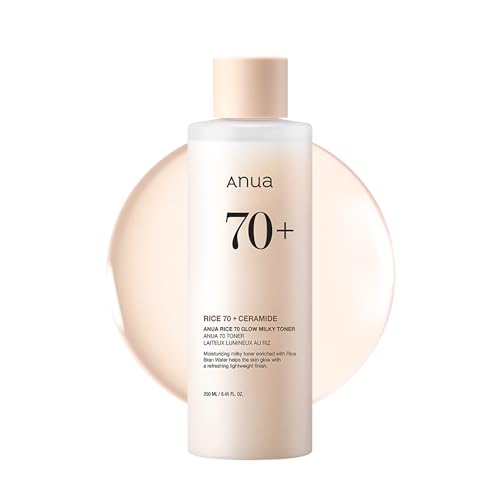
Anua
Rice 70 Glow Milky Toner
toner · 8.45 fl oz · 35 ingredients
- Fragrance-free
- No essential oils
- With ceramides
- With niacinamide
- With hyaluronic acid

Anua
7 Rice Ceramide Hydrating Barrier Serum
serum · 50 ml · 43 ingredients
- Fragrance-free
- No essential oils
- With ceramides
- With niacinamide
- With hyaluronic acid

Anua
Peach 70 Niacinamide Serum
serum · 30 ml · 45 ingredients
- No essential oils
- With ceramides
- With niacinamide
- With hyaluronic acid
Frequently asked questions
Is alpha arbutin still recommended in 2026 — what does the latest evidence say?
Yes — alpha arbutin remains one of the most widely recommended OTC brightening ingredients, with no new safety signals and a growing evidence base. The mechanism (tyrosinase inhibition via substrate competition, plus melanosome maturation inhibition) is well established. Research into improved delivery systems (ethosomes, nanoparticles) is actively expanding its clinical effectiveness. Dermatologists consistently recommend it as a first-line option for hyperpigmentation, particularly for those seeking a long-term, gentle alternative to hydroquinone — which remains banned in EU cosmetics. No regulatory bodies have raised concerns about alpha arbutin at the standard 1–2% cosmetic concentration.
How is alpha arbutin different from hydroquinone?
Structurally, alpha arbutin is hydroquinone bound to a glucose molecule via an alpha glycosidic bond. This modification changes its behavior significantly: alpha arbutin inhibits tyrosinase competitively without the melanocyte-cytotoxic effects of hydroquinone, meaning it does not carry ochronosis risk, has no established mutagenicity at cosmetic concentrations, and is safe for continuous long-term use. Hydroquinone is more potent but requires cycling (typically 3 months on, then a break), carries ochronosis risk with prolonged use, and is banned as a cosmetic ingredient in the EU. For most OTC users, alpha arbutin offers a substantially safer long-term option.
What percentage of alpha arbutin should I look for in products?
The evidence-backed cosmetic range is 1–2%. At 10%, clinical studies showed 43.5% reduction in UV-induced hyperpigmentation — but 10% is a research concentration not widely seen in commercial products. At 1–2%, consistent use for 8–16 weeks produces meaningful brightening in clinical studies. Higher concentrations (above 3%) are not recommended for home use: enzyme kinetics research shows paradoxical activating effects at higher concentrations in some reaction conditions, and the risk of glycosidic bond hydrolysis back to hydroquinone increases in acidic environments.
Can I use alpha arbutin every day long-term?
Yes — alpha arbutin is suitable for continuous daily use without the cycling requirements of hydroquinone. It does not cause ochronosis, has excellent tolerability data across all skin types, and does not increase photosensitivity (meaning morning and evening use are both appropriate). Daily broad-spectrum SPF 30+ is still required alongside use — not because of arbutin itself, but because UV exposure triggers the melanogenesis alpha arbutin is working to suppress, undermining the treatment.
Is alpha arbutin safe for dark skin tones?
Yes — alpha arbutin is specifically recommended as a preferred choice for Fitzpatrick skin types IV–VI (medium-brown to very dark skin). Its non-cytotoxic mechanism means it does not damage melanocytes, dramatically reducing the risk of irritation-induced post-inflammatory hyperpigmentation that can occur with more aggressive brighteners (hydroquinone, kojic acid at higher concentrations, or strong acids) on deeper skin tones. This safety profile across all skin types is one of the primary reasons dermatologists favor it for hyperpigmentation treatment in patients with skin of color.
Can alpha arbutin be used during pregnancy?
Alpha arbutin is generally considered low-risk from a topical safety standpoint. Unlike hydroquinone (which has restrictions in many markets and some safety concerns), kojic acid (limited data), or retinoids (categorically contraindicated), alpha arbutin has no established teratogenic effect and systemic absorption from topical application is minimal. However, robust clinical safety data in pregnancy are limited for any cosmetic brightening ingredient, and the standard guidance applies: discuss with your dermatologist or obstetrician before continuing or starting any active skincare during pregnancy. Azelaic acid (FDA Pregnancy Category B) has the most established pregnancy safety data among brightening actives.
Sources
- 01Encapsulation of alpha arbutin, a depigmenting agent, in nanosized ethosomes: In vitro and in vivo human studies — PubMed Central, 2023-09-01. Alpha arbutin loaded into nanostructured ethosomal gel provides superior skin penetration versus plain gel; in vivo studies confirmed efficacy for hyperpigmentation; alpha arbutin inhibits tyrosinase and melanosome maturation at non-cytotoxic concentrations.
- 02Inhibitory effects of arbutin on melanin biosynthesis of alpha-MSH-induced hyperpigmentation in cultured skin tissues — PubMed, 2009-01-01. Arbutin inhibits melanin biosynthesis induced by alpha-MSH; decreases tyrosinase activity in a cell-free system; inhibits both tyrosinase activity and melanin content in B16 melanoma cells; 10% alpha arbutin reduced UV-induced hyperpigmentation by 43.5%; combined with aloesin the reduction reached 63.3%.
- 03Mechanistic Basis and Clinical Evidence for the Applications of Nicotinamide (Niacinamide) to Control Skin Aging and Pigmentation — PubMed Central / MDPI, 2021-08-01. Context for alpha arbutin stacking: niacinamide inhibits melanosome transfer (downstream of synthesis); alpha arbutin inhibits tyrosinase (upstream); combination addresses complementary non-redundant pathway steps in hyperpigmentation.