Vitamin C vs. Niacinamide vs. Azelaic Acid for Dark Spots
The short answer
All three fade dark spots but via different pathways — vitamin C is fastest.
How These Three Ingredients Compare
Vitamin C, niacinamide, and azelaic acid are arguably the three most evidence-backed OTC brightening ingredients available today. They share the goal — reducing visible hyperpigmentation — but achieve it via entirely different biological pathways. Understanding those pathways is the key to choosing the right one for your skin and, ideally, combining them intelligently.
Vitamin C (L-Ascorbic Acid): Fast-Acting Brightening + UV Defense
How It Works
L-ascorbic acid (the biologically active form of vitamin C) attacks hyperpigmentation at two points:
-
Tyrosinase inhibition: Vitamin C directly inhibits tyrosinase, the rate-limiting enzyme in the melanin synthesis pathway. By competing at the enzyme's copper-containing active site, it reduces melanin production in melanocytes. Studies confirm it reduces both tyrosinase activity and melanin content in treated melanocytes.
-
Antioxidant quenching of UV-triggered melanogenesis: UV radiation triggers the formation of reactive oxygen species (ROS) that upregulate melanin synthesis independently of tyrosinase. Vitamin C neutralizes these ROS, cutting off this secondary pigmentation trigger. This dual action — enzymatic inhibition + antioxidant protection — is unique to vitamin C among brightening ingredients.
Clinical Evidence
A clinical trial using 25% vitamin C with an absorption-enhancing carrier for 16 weeks produced significant reduction in melasma-induced pigmentation. A study combining vitamins C and E with palmitoyl tripeptide showed visible brightening in 35 women over 56 days of daily serum use. Stable vitamin C derivatives such as 3-O-ethyl ascorbic acid (EAA) have demonstrated anti-hyperpigmentation efficacy with improved stability profiles.
Best For
Sun-induced dark spots, melasma, general photoaging-related uneven tone, and anyone who wants combined brightening + antioxidant UV protection in a morning serum.
Limitations
L-ascorbic acid is chemically unstable — it oxidizes on exposure to air, light, and heat, turning the serum yellow then orange-brown as it degrades. Degraded vitamin C loses efficacy and can potentially irritate skin. Look for:
- Airless or opaque pump packaging
- pH 2.5–3.5 (required for skin penetration)
- Vitamin E and ferulic acid stabilizers (these extend shelf life significantly)
- Use within 3 months of opening
High concentrations (15–20%) can cause tingling or stinging on sensitive, rosacea-prone, or barrier-compromised skin.
Niacinamide: The Barrier-Strengthening Melanin Blocker
How It Works
Niacinamide (nicotinamide, vitamin B3) has a fundamentally different mechanism from the other two: it does not inhibit melanin synthesis at all. Instead, it acts downstream in the pigmentation pathway by blocking the transfer of completed melanosomes (melanin-filled vesicles) from melanocytes to surrounding keratinocytes.
This distinction is significant: even if a melanocyte produces melanin normally, that pigment only becomes visible skin tone when it is delivered to and distributed within keratinocytes. Niacinamide intercepts that delivery step.
The mechanism involves reduction of prostaglandin E2 (PGE2) secretion from keratinocytes. PGE2 normally activates protease-activated receptor 2 (PAR-2) on keratinocytes, a key signal that promotes melanosome uptake. By reducing PGE2, niacinamide suppresses PAR-2 activation and the phagocytosis of melanosomes. In a co-culture keratinocyte/melanocyte model, niacinamide produced 35–68% inhibition of melanosome transfer.
Clinical Evidence
A paired clinical study of 18 subjects using 5% niacinamide moisturizer vs. vehicle found significant decreases in hyperpigmentation and increases in skin lightness after 4 weeks. A larger trial of 120 subjects assigned to vehicle, sunscreen, or 2% niacinamide + sunscreen found objective improvements in facial hyperpigmentation by computer-analyzed digital imaging. A randomized study comparing an anti-hyperpigmentation serum containing 5% niacinamide, 1% tranexamic acid, 0.2% stabilized vitamin C, and hydroxy acids against 4% hydroquinone in 60 women with melasma showed equivalent melanin density reduction at 3–5 months, with superior tolerability and hydration in the niacinamide-containing formula.
Best For
All skin types, especially sensitive, reactive, or rosacea-prone skin. Niacinamide's additional effects — ceramide synthesis stimulation (barrier strengthening), sebum regulation, and anti-inflammatory activity — make it valuable beyond brightening. Ideal for post-acne hyperpigmentation where the skin is already compromised.
Limitations
Works more slowly than vitamin C for sun-induced spots specifically. Does not provide antioxidant protection against UV-triggered pigmentation. Results are most visible in studies running 8–12 weeks.
Azelaic Acid: Post-Inflammatory Hyperpigmentation Specialist
How It Works
Azelaic acid is a naturally occurring dicarboxylic acid derived from Pityrosporum yeast and found in grains. It targets hyperpigmentation through three complementary mechanisms:
-
Competitive tyrosinase inhibition: Azelaic acid competitively inhibits tyrosinase, blocking melanin synthesis — similar in principle to vitamin C but via a different binding mechanism.
-
Selective cytotoxicity toward abnormal melanocytes: This is azelaic acid's most distinctive property. It inhibits mitochondrial enzymes and DNA synthesis selectively in hyperactive, abnormal melanocytes — the overactive cells responsible for hyperpigmentation — while leaving normal-functioning melanocytes unaffected. This selective action means it does not cause hypopigmentation of surrounding healthy skin, unlike hydroquinone.
-
Normalization of keratinization: Abnormal follicular keratinization traps melanin in the epidermis, making dark spots darker and more persistent. Azelaic acid normalizes this process, improving melanin clearance.
Additionally, azelaic acid has clinically significant anti-inflammatory and antimicrobial properties, making it uniquely useful for acne-related hyperpigmentation: it treats both the active acne and the dark spots left behind simultaneously.
Clinical Evidence
A meta-analysis of six randomized controlled trials found azelaic acid may be superior to hydroquinone for melasma severity reduction. A double-blind, placebo-controlled trial of 15% azelaic acid gel in acne-induced post-inflammatory hyperpigmentation found effective improvement with minimal adverse reactions (PMC11116308). The 20% cream has been studied head-to-head against 4% hydroquinone in multiple melasma trials.
Best For
Post-inflammatory hyperpigmentation from acne, rosacea-associated redness and dark spots, melasma (especially as a maintenance therapy or for those who cannot use hydroquinone), and anyone who requires a long-term or pregnancy-safe option. Azelaic acid is classified as FDA Pregnancy Category B — one of the very few active brightening ingredients considered appropriate during pregnancy and breastfeeding.
Limitations
The prescription formulations (15% gel, 20% cream) are significantly more potent than OTC concentrations (typically 5–10%). Some users experience initial tingling on application. Results for established hyperpigmentation require a minimum of 12 weeks; for PIH, at least three months of consistent use is recommended.
Direct Comparison: Choosing the Right Ingredient
| Vitamin C | Niacinamide | Azelaic Acid | |
|---|---|---|---|
| Mechanism | Tyrosinase inhibition + antioxidant | Melanosome transfer inhibition | Tyrosinase inhibition + selective melanocyte cytotoxicity |
| Best evidence for | Sun spots, photoaging, melasma | General hyperpigmentation, barrier support | PIH, acne-related spots, melasma |
| Tolerability | Moderate (can sting at high %) | Excellent (all skin types) | Good (mild tingling only) |
| Stability | Poor (oxidizes; requires care) | Excellent (water-stable) | Excellent (does not oxidize) |
| Speed of results | 8–16 weeks at 10–20% | 4–12 weeks at 2–5% | 12–24 weeks (PIH: 12+ weeks) |
| Pregnancy safe? | No strong data; generally avoided | Yes | Yes (FDA Category B) |
| Extra benefits | Collagen synthesis; UV antioxidant | Barrier strengthening; sebum control | Anti-acne; anti-rosacea; anti-inflammatory |
| OTC availability | Yes (L-AA or derivatives) | Yes | Yes (5–10%); Rx for 15–20% |
How to Combine All Three
These three ingredients are not competing — they address pigmentation at different stages of the melanogenesis pathway and are highly complementary:
Morning routine: Vitamin C serum (10–20% L-ascorbic acid or stable derivative) → moisturizer → SPF 30+
The morning slot maximizes vitamin C's antioxidant protection against UV-triggered melanogenesis and oxidative stress throughout the day.
Evening routine: Cleanser → niacinamide serum (4–5%) or azelaic acid (10–15%) → moisturizer
Niacinamide pairs particularly well with other evening actives. It is safe alongside retinol (supports barrier during retinization), tranexamic acid, and azelaic acid.
Note on vitamin C + niacinamide: The longstanding myth that these two convert into niacin (a flushing compound) when combined has been definitively disproven — this theoretical reaction does not occur at skin-surface temperatures. The combination is safe and often synergistic.
Bottom Line
- Choose vitamin C if your primary concern is sun-induced dark spots or melasma and you want the fastest-acting brightener with added antioxidant protection.
- Choose niacinamide if you have sensitive skin, want the most versatile and well-tolerated option, or need simultaneous barrier and oil-control benefits.
- Choose azelaic acid if your hyperpigmentation follows acne or inflammation (PIH), if you are pregnant or breastfeeding, or if you want a long-term treatment with anti-acne and anti-rosacea co-benefits.
- Use all three for a comprehensive multi-pathway approach — they work via distinct mechanisms and do not interfere with each other.
For related guidance, see the full hyperpigmentation guide, tranexamic acid guide, and alpha arbutin guide in this cluster.
Products that fit: dark spots and uneven tone
Picked by code from each product's full ingredient list.

Anua
Peach 70 Niacinamide Serum
serum · 30 ml · 45 ingredients
- No essential oils
- With vitamin c
- With niacinamide
- With alpha arbutin
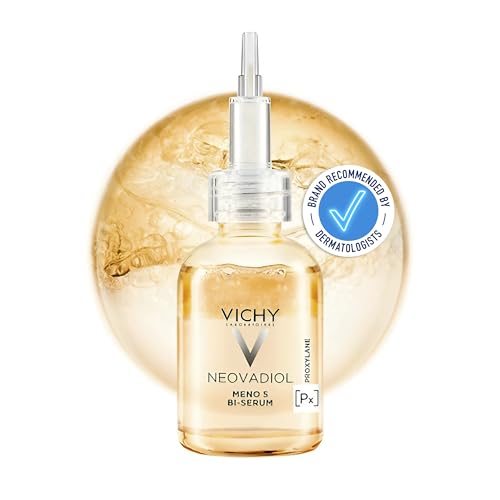
Vichy
Neovadiol Meno 5 Bi-Serum
serum · 2.4 l · 23 ingredients
- No essential oils
- With vitamin c
- With niacinamide
- With glycolic acid

Catrice
Glow Super Vitamin Serum
serum · 30 ml · 26 ingredients
- Fragrance-free
- No essential oils
- With vitamin c
- With niacinamide

Paula's Choice
Clinical 20% Niacinamide Treatment
serum · 20 ml · 26 ingredients
- Fragrance-free
- No essential oils
- With vitamin c
- With niacinamide
Frequently asked questions
Which ingredient fades dark spots fastest — vitamin C, niacinamide, or azelaic acid?
Vitamin C tends to produce the fastest visible improvement for sun-induced spots and melasma, particularly at higher concentrations (15–20%) applied consistently in the morning. Clinical studies show measurable improvement in as little as 8 weeks. Niacinamide shows improvements as early as 4 weeks in clinical trials, though typically for general uneven tone rather than discrete lesions. Azelaic acid generally requires the longest commitment — 12+ weeks — but has superior evidence for post-inflammatory hyperpigmentation from acne.
Can I use vitamin C, niacinamide, and azelaic acid together?
Yes — these three ingredients work via complementary mechanisms and are safe to combine. A practical approach: vitamin C serum in the morning (antioxidant protection + brightening), and niacinamide or azelaic acid in the evening. Niacinamide and azelaic acid can both be used in the same PM routine. The old myth that niacinamide and vitamin C cannot be combined has been disproven — there is no clinically meaningful interaction between them at normal skincare use temperatures.
Is azelaic acid safe during pregnancy?
Azelaic acid is classified FDA Pregnancy Category B — animal studies showed no fetal harm, and it is considered one of the safest topical actives for use during pregnancy and breastfeeding. Vitamin C and niacinamide are also generally considered low-risk, but azelaic acid has the most established safety data in pregnancy. Always discuss any active skincare ingredient with your obstetrician or dermatologist during pregnancy.
Why does my vitamin C serum turn orange or yellow?
L-ascorbic acid oxidizes when exposed to air, light, or heat, turning the serum yellow and then orange-brown. Oxidized vitamin C has reduced efficacy and may cause irritation. Discard any serum that has turned dark orange or brown. To slow oxidation: store in a cool, dark place; use within 3 months of opening; look for formulations with vitamin E and ferulic acid stabilizers, or choose a stable derivative like ascorbyl glucoside or 3-O-ethyl ascorbic acid.
What concentration of each ingredient should I look for?
For vitamin C: 10–20% L-ascorbic acid (lower concentrations are less effective; above 20% adds irritation without proportional benefit). For niacinamide: 2–5% is the evidence-backed range; 10% is widely used but may cause flushing in some individuals. For azelaic acid: 10% OTC or 15–20% prescription (the higher concentrations have the most clinical trial evidence for melasma and PIH).
Sources
- 01Ascorbic Acid Treatments as Effective and Safe Anti-Aging Therapies for Sensitive Skin — PubMed Central / MDPI, 2024-02-01. Vitamin C (ascorbic acid) inhibits tyrosinase and reduces melanin content in melanocytes; reduces UVA-induced melanogenesis through antioxidant properties; effective and safe for sensitive skin.
- 02Mechanistic Basis and Clinical Evidence for the Applications of Nicotinamide (Niacinamide) to Control Skin Aging and Pigmentation — PubMed Central / MDPI, 2021-08-01. Niacinamide inhibits melanosome transfer by reducing PGE2 secretion from keratinocytes; 35–68% inhibition of transfer in co-culture models; clinical trials show significant hyperpigmentation reduction at 2–5% concentration.
- 03Evaluation of the Efficacy of a Serum Containing Niacinamide, Tranexamic Acid, Vitamin C, and Hydroxy Acid Compared to 4% Hydroquinone in the Management of Melasma — PubMed Central, 2025-03-01. A serum with 5% niacinamide, 1% tranexamic acid, 0.2% stabilized vitamin C, and hydroxy acids achieved equivalent melanin density reduction to 4% hydroquinone in 60 women with melasma over 3–5 months, with superior tolerability and hydration.
- 04Different therapeutic approaches in melasma: advances and limitations — PubMed Central, 2024-04-01. Azelaic acid competitively inhibits tyrosinase and selectively inhibits mitochondrial enzymes and DNA synthesis in abnormal melanocytes; a meta-analysis of six RCTs found azelaic acid may be superior to hydroquinone for melasma.
- 05Efficacy and safety of 15% azelaic acid gel in acne-induced post-inflammatory erythema and hyperpigmentation — PubMed Central, 2024-05-01. Double-blind, placebo-controlled trial: 15% azelaic acid gel effectively improved acne-induced PIH with minimal adverse reactions; FDA Pregnancy Category B classification noted.
- 06The Anti-Aging and Whitening Potential of a Cosmetic Serum Containing 3-O-ethyl-l-ascorbic Acid — PubMed Central, 2021-05-01. 3-O-ethyl ascorbic acid (stable vitamin C derivative) reduces hyperpigmentation and melanin content; combination with lactic acid lessened hyperpigmentation manifestations; vitamin C derivatives maintain efficacy while improving stability over L-ascorbic acid.