How to Get Rid of Dark Spots on Your Face
The short answer
Apply SPF 50+ every morning, vitamin C serum in the AM.
Why Dark Spots Form
Dark spots on the face are caused by one of three main mechanisms, each requiring a slightly different treatment emphasis:
- Post-inflammatory hyperpigmentation (PIH): Melanocytes over-respond to inflammation from acne, eczema, cuts, or any skin injury by depositing excess melanin. The mark appears at the exact site of the healed lesion. PIH from acne is the most common type of dark spot in adults.
- Melasma: Hormonally driven patches triggered by UV, estrogen, and progesterone — typically bilaterally symmetrical on the cheeks, forehead, or upper lip. Notoriously stubborn. Requires long-term management, not a one-time fix.
- Sun spots (solar lentigines): Flat, discrete brown spots that accumulate in sun-exposed areas from years of UV damage. More responsive to targeted treatment than melasma.
Identifying your type matters because it determines how long treatment will take and whether prescription-level help is warranted. When in doubt, a dermatologist can confirm the diagnosis — some pigmented lesions warrant examination to rule out other conditions.
The Core Principle: Target Melanin at Multiple Steps
Melanin production is a multi-step enzymatic process. The most effective approach disrupts multiple steps simultaneously:
- Block melanin synthesis (vitamin C, hydroquinone, azelaic acid, kojic acid, alpha-arbutin — all inhibit the enzyme tyrosinase)
- Block melanosome transfer from melanocytes to surrounding skin cells (niacinamide, tranexamic acid)
- Accelerate pigmented cell turnover so dark cells shed faster (retinoids, AHAs)
- Prevent UV re-stimulation (SPF 50+)
No single ingredient does all four. A well-designed routine layers ingredients to address at least 2–3 steps.
Your Dark-Spot Routine: Step by Step
Morning Routine
Step 1 — Gentle Cleanser Wash with a non-stripping, non-comedogenic cleanser. Squeaky-clean is not the goal — an intact skin barrier absorbs active ingredients better and reduces inflammation that triggers PIH.
Step 2 — Vitamin C Serum (15–20% L-ascorbic acid) Apply to clean, dry skin. Vitamin C is best used in the morning because it provides antioxidant protection against UV-generated reactive oxygen species that trigger melanogenesis, and it inhibits tyrosinase directly. The most effective form is L-ascorbic acid at pH 2.5–3.5. Look for products in opaque or dark glass to prevent oxidation — an orange or dark-yellow serum has already degraded.
Step 3 — Moisturizer A hydrating moisturizer seals in actives and protects the skin barrier. Ingredients like ceramides, niacinamide, and hyaluronic acid support healthy cell turnover and reduce irritation from actives.
Step 4 — Broad-Spectrum SPF 50+ The most important step. Apply generously — most people apply 25–50% of the required amount. A coin-sized amount for the face. Reapply every 2 hours if outdoors. Physical (mineral) sunscreens with iron oxides — tinted formulations — offer additional visible-light protection, which is particularly relevant for melasma.
Evening Routine
Step 1 — Double Cleanse (if wearing SPF or makeup) Oil-based cleanser first to dissolve sunscreen and makeup, then a water-based cleanser. This removes physical barriers that would prevent active ingredients from absorbing.
Step 2 — Treatment Active: Choose Based on Your Spot Type
| Dark Spot Type | Best PM Active | Concentration |
|---|---|---|
| PIH from acne | Azelaic acid | 10–20% (20% = Rx) |
| PIH (any skin tone) | Niacinamide | 5–10% |
| Melasma | Tranexamic acid | 2–5% |
| Sun spots | Retinol | 0.25–1% |
| All types | Combination of above | Per product |
Apply just one or two actives per night to avoid over-layering and barrier disruption.
Step 3 — Retinoid (2–4 nights per week, not same night as other actives for beginners) Retinoids are the most evidence-backed ingredients for accelerating cell turnover and reducing pigment residence time in the epidermis. Start at retinol 0.25–0.3%, twice weekly, and build frequency slowly over 8–12 weeks. Retinoids also inhibit tyrosinase and reduce melanosome transfer — making them valuable for all three types of dark spot.
For PIH specifically, prescription tretinoin (0.025–0.05%) has the most evidence and works faster than OTC retinol, but requires a prescription and causes more initial irritation.
Step 4 — Moisturizer Lock in actives and support the barrier. Especially important when using retinoids or azelaic acid, which can be drying.
When to Step Up to Prescription Treatment
OTC actives work for most people given enough time and consistency. Step up to a dermatologist consultation if:
- No visible improvement after 3 months of consistent daily treatment with at least two active ingredients plus SPF 50+
- Melasma is your primary concern — melasma often requires prescription hydroquinone 4%, a combination triple cream (hydroquinone + tretinoin + mild corticosteroid), or oral tranexamic acid to achieve meaningful clearance
- Dark skin tone + aggressive active use — risk of procedure-induced PIH makes professional oversight valuable before considering chemical peels or laser
Prescription Hydroquinone 4%: The gold standard topical brightener. Inhibits tyrosinase and impairs melanosome formation. Use for 3–4 month cycles with breaks — not indefinitely. Substantially more effective than OTC 2% formulations. Not recommended during pregnancy.
Prescription Tretinoin (0.025–0.05%): Faster and more potent than OTC retinol for accelerating cell turnover. Requires a prescription and has a more pronounced initial purge/retinization period.
Oral Tranexamic Acid: For melasma that is not responding to topicals, physician-supervised oral tranexamic acid (250 mg twice daily) has strong RCT evidence. Not appropriate for people with a history of blood clots.
Professional Treatments for Stubborn Spots
For pigment that does not respond to topicals — particularly deep, dermal pigment — professional procedures can achieve faster and more complete results:
Chemical Peels: Glycolic acid (30–70%), salicylic acid, or combination (Jessner's solution) peels. A series of 4–6 peels every 4 weeks, performed by a trained professional, accelerates epidermal turnover significantly. Risk of PIH in darker skin tones means superficial peels are preferred, and preconditioning with topicals for 4–6 weeks beforehand reduces that risk.
Laser Treatments: Q-switched Nd:YAG 1064 nm, picosecond lasers, fractional lasers, and intense pulsed light (IPL) can specifically target melanin deposits. Q-switched Nd:YAG is the most widely used in darker skin tones due to lower risk of epidermal injury. Melasma requires caution with laser — it can initially respond then rebound, particularly without rigorous post-laser SPF use.
Microneedling: An emerging option for PIH and melasma that may enhance topical ingredient penetration. Evidence base is building but still limited compared to peels and laser.
What to Avoid
- Lemon juice and DIY acids: Unpredictable, phototoxic, and regularly causes chemical burns — the resulting PIH can be worse than the original spots.
- Physical scrubbing and harsh exfoliants: Micro-trauma triggers melanocyte activation and worsens PIH.
- Steroid-only creams for lightening: Some over-the-counter skin-lightening products in unregulated markets contain topical corticosteroids, which can thin the skin, cause rebound hyperpigmentation, and worsen the original condition. Steroids are only appropriate as a component of a timed triple combination under medical supervision.
- Mercury-containing products: Illegal but still circulating in some markets. Mercury is effective at blocking melanogenesis but is systemically toxic. Any cream listing "mercury," "mercurous chloride," or "ammoniated mercury" should be discarded.
Realistic Expectations by Dark Spot Type
| Type | Difficulty | Timeline with Consistent Treatment |
|---|---|---|
| Mild PIH, fair-medium skin | Low | 8–12 weeks OTC |
| Moderate PIH, darker skin | Moderate | 3–6 months |
| Deep dermal PIH, dark skin | High | 6–12+ months; may need professional procedures |
| Melasma | High (prone to recurrence) | 3–6 months active treatment + ongoing maintenance |
| Sun spots (solar lentigines) | Low–moderate | 3–6 months topicals; faster with laser |
| Freckles (ephelides) | Low | 4–8 weeks topicals; they fade naturally in winter |
Tracking Progress
Photograph the area in consistent lighting (natural light, same time of day, no filter) every 4 weeks. Pigmentation can fade gradually in ways that are hard to notice day-to-day. If no visible improvement after 12 weeks of twice-daily consistent application, reassess:
- Are you applying SPF every morning without exception? (Most common failure point)
- Are you using the active ingredient in an effective concentration?
- Could the spots be a different type than you assumed? See a dermatologist.
Step by step
- 1
Identify your dark spot type
Determine whether your spots are PIH (at a site of previous acne or injury), melasma (symmetrical patches on cheeks, forehead, or upper lip triggered by sun and hormones), or sun spots (discrete flat marks from cumulative UV on sun-exposed areas). Treatment emphasis and realistic timelines differ between types. When uncertain, consult a dermatologist — especially for larger or asymmetric pigmented lesions.
- 2
Apply vitamin C serum every morning
After cleansing, apply a 15–20% L-ascorbic acid serum (pH 2.5–3.5) to dry skin. Vitamin C inhibits tyrosinase and neutralizes the UV-triggered reactive oxygen species that stimulate melanin overproduction. Use a product in opaque or dark glass packaging — oxidized orange-yellow vitamin C has lost efficacy. Allow to absorb 1–2 minutes before the next step.
- 3
Apply broad-spectrum SPF 50+ every morning without exception
This is the single most impactful step. Apply a generous coin-sized amount to the face as the final morning step, after vitamin C and moisturizer. Tinted sunscreens with iron oxides provide additional protection against visible light, which is especially important for melasma. Reapply every 2 hours if outdoors. No topical brightener will produce lasting results without consistent daily photoprotection.
- 4
Add an evening active targeting melanin transfer or synthesis
Choose based on your spot type: azelaic acid (10–20%) for PIH — it selectively inhibits overactive melanocytes and has strong evidence for PIH and melasma; niacinamide (5–10%) to reduce melanosome transfer to keratinocytes; tranexamic acid (2–5%) for melasma. Apply to clean skin after double-cleansing, before moisturizer. Start with one active before layering to understand how your skin responds.
- 5
Introduce a retinoid on alternate nights
Two to four nights per week, substitute your evening active with retinol (0.25–0.5% to start). Retinoids accelerate cell turnover, reducing the time that pigmented cells spend at the skin surface, and also inhibit tyrosinase. Apply to fully dry skin — wait 20 minutes post-cleanse. Begin at twice weekly and build frequency over 8–12 weeks. Always wear SPF the following morning — retinoids increase photosensitivity. See your dermatologist for prescription tretinoin if OTC retinol shows no improvement after 12 weeks.
- 6
Use moisturizer morning and evening to maintain the skin barrier
An intact skin barrier ensures active ingredients absorb effectively rather than causing surface irritation. Choose fragrance-free, non-comedogenic formulations. Ceramides, hyaluronic acid, and squalane support barrier repair. This is especially important when using retinoids or azelaic acid, which can temporarily increase dryness.
- 7
Photograph and track progress every 4 weeks
Take photos in consistent natural light, no filter, at the same time of day. Hyperpigmentation fades slowly and is easy to miss day-to-day. Most clinical trials measure primary endpoints at 8–12 weeks — allow at least that long before assessing whether a regimen is working. If no visible change after 12 consistent weeks, consult a dermatologist to evaluate prescription options or professional procedures.
Products that fit: dark spots and uneven tone
Picked by code from each product's full ingredient list.

Anua
Peach 70 Niacinamide Serum
serum · 30 ml · 45 ingredients
- No essential oils
- With vitamin c
- With niacinamide
- With alpha arbutin
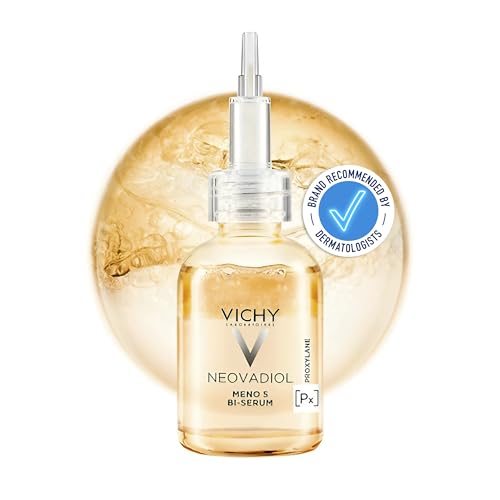
Vichy
Neovadiol Meno 5 Bi-Serum
serum · 2.4 l · 23 ingredients
- No essential oils
- With vitamin c
- With niacinamide
- With glycolic acid

Catrice
Glow Super Vitamin Serum
serum · 30 ml · 26 ingredients
- Fragrance-free
- No essential oils
- With vitamin c
- With niacinamide

Paula's Choice
Clinical 20% Niacinamide Treatment
serum · 20 ml · 26 ingredients
- Fragrance-free
- No essential oils
- With vitamin c
- With niacinamide
Frequently asked questions
Is there anything proven to fade dark spots fast in 2026?
No topical ingredient provides fast results — melanocyte biology and keratinocyte turnover simply take time. The fastest evidence-backed approaches are: for melasma, prescription triple combination cream (hydroquinone + tretinoin + mild corticosteroid), which shows measurable improvement in 4–8 weeks; for isolated sun spots, Q-switched Nd:YAG or picosecond laser, which can significantly fade individual lesions in 1–3 sessions. For PIH from acne, prescription tretinoin + azelaic acid + strict SPF gives the fastest OTC-adjacent results, typically visible improvement in 6–8 weeks. Nothing topical works in days or weeks for deep or melasma-type pigment.
How long does it really take for dark spots to fade?
Superficial epidermal PIH from a recent acne spot can begin to fade with treatment in 6–8 weeks, with significant improvement by 3 months. Older, deeper, or darker marks take 6–12 months. Melasma rarely clears completely — partial improvement over 3–6 months is realistic with diligent treatment, but maintenance is required indefinitely to prevent recurrence. Sun spots respond well to topicals over 3–6 months, or faster with laser.
Can vitamin C actually fade dark spots?
Yes, with realistic expectations. L-ascorbic acid at 15–20% inhibits tyrosinase — the enzyme that makes melanin — and scavenges reactive oxygen species that trigger melanogenesis. Multiple controlled trials confirm vitamin C reduces the appearance of dark spots and produces a measurable brightening effect over 8–12 weeks. It is not as potent as hydroquinone and works best as part of a multi-ingredient regimen. Formulation matters: it must be stable (not oxidized), at an effective concentration, and at the right pH.
Should I use niacinamide or vitamin C for dark spots?
Use both, at different times of day — they target different steps of pigmentation. Vitamin C inhibits melanin production (best in AM for UV protection benefit). Niacinamide reduces melanosome transfer from melanocytes to surrounding cells (morning or evening). They are compatible and complementary. The old claim that mixing them causes flushing from nicotinic acid formation does not hold at cosmetic-use concentrations.
Does sunscreen help fade dark spots?
Sunscreen does not actively fade pigment, but it prevents UV from stimulating new melanin production and from darkening existing spots. Without strict daily SPF 50+, any active ingredient you apply is being actively undermined — UV re-stimulates the melanocytes you are trying to calm. Think of sunscreen as the prerequisite that allows brighteners to work: necessary but not sufficient on its own.
Why do dark spots come back after they fade?
Because the melanocytes that caused the pigmentation are still present in your skin — they have just been calmed, not removed. UV exposure, hormonal fluctuation (especially for melasma), or new inflammation can re-trigger them. This is why maintenance — continued SPF 50+ every day and periodic use of brightening actives — is necessary even after successful treatment. Melasma in particular requires indefinite maintenance; it is a chronic condition, not a curable one.
Sources
- 01How to Fade Dark Spots in Darker Skin Tones — American Academy of Dermatology (AAD). AAD-recommended approach: daily broad-spectrum tinted sunscreen (SPF 30+), topical brighteners including retinoids, vitamin C, azelaic acid, kojic acid; professional procedures (laser, prescription hydroquinone) for resistant pigment.
- 02Management of Hyperpigmentation: Current Treatments and Emerging Therapies — PubMed Central / Dermatology and Therapy, 2021-09-01. Evidence for vitamin C, niacinamide, azelaic acid, kojic acid, tranexamic acid, alpha-arbutin as tyrosinase inhibitors and melanin-transfer blockers; combination therapy outperforms monotherapy.
- 03Niacinamide: A B vitamin that improves aging facial skin appearance — PubMed / Dermatologic Surgery, 2005-07-01. 5% niacinamide applied twice daily significantly reduces hyperpigmentation by blocking melanosome transfer from melanocytes to keratinocytes over 8 weeks.
- 04Vitamin C in dermatology — PubMed Central / Indian Dermatology Online Journal, 2013-04-01. L-ascorbic acid inhibits tyrosinase, reduces UV-induced reactive oxygen species that trigger melanogenesis, and demonstrates brightening effects in controlled trials at 10–20% concentration.
- 05Retinoids and Their Dermatological Applications — PubMed Central / International Journal of Molecular Sciences, 2018-05-21. Topical retinoids accelerate keratinocyte turnover, inhibit tyrosinase activity, and reduce melanosome transfer — all reducing the epidermal pigment load over 12–24 weeks.
- 06Effect of sun protection and skin care products on the treatment of melasma — PubMed Central / Frontiers in Medicine, 2023-01-18. SPF 50+ is the essential foundation for all hyperpigmentation treatment; tinted sunscreens with iron oxides reduce visible-light triggered melasma recurrence; photoprotection significantly enhances brightener efficacy.