Brittle Nails: Why They Break & How to Strengthen Them
The short answer
Brittle nails are most often caused by repeated wetting and drying, nutritional gaps.
What Are Brittle Nails?
Brittle nails — the medical term is nail fragility syndrome — describes nails that split, peel, crumble, or break with minimal mechanical force. Clinicians recognize two distinct subtypes, and distinguishing them matters for treatment:
- Onychorrhexis: Longitudinal splitting that runs from the free edge back toward the cuticle, producing a ridged, rough surface. Associated with dehydration, aging, and systemic disease.
- Onychoschizia: Lamellar splitting — thin horizontal layers peel away at the free edge, like flaking pastry. The classic presentation of repeated wet–dry nail exposure.
Both subtypes can coexist. Brittle nails affect an estimated 20% of the population, with fingernails affected more frequently than toenails and women over 50 the most commonly affected group.
Why Nails Become Brittle: The Mechanism
A healthy nail plate is made up of tightly interlocked, flattened keratin cells bonded by disulfide bridges and embedded in a lipid matrix. This structure keeps the nail firm but slightly flexible. Two things can disrupt it:
-
Loss of water content. Nail plates that are adequately hydrated (18–21% water content) flex under pressure. Below roughly 16%, they become rigid and fracture. Every time a nail cycles from wet to dry — a hand-wash, a swim, contact with detergent — water rushes in and then evaporates, leaving the nail more dehydrated than before. Repeated cycles fatigue the keratin bonds.
-
Loss of lipid intercellular cement. The inter-lamellar lipid layer holds nail plate layers together. Organic solvents (acetone-based removers, harsh detergents) dissolve this layer faster than the nail can replenish it, enabling layer-by-layer separation (onychoschizia).
Causes of Brittle Nails
Most Common: External and Lifestyle Factors
| Factor | Mechanism |
|---|---|
| Frequent hand-washing / wet work | Repeated hydration–dehydration cycles deplete moisture |
| Acetone nail polish remover | Dissolves intercellular lipids; dehydrates nail plate |
| Prolonged water immersion (swimming) | Same wet–dry cycling as above |
| Harsh soaps and cleaning products | Lipid stripping + alkaline pH disrupts keratin |
| Aggressive nail filing | Physical trauma to the nail plate edge |
| Gel and acrylic nail products | UV curing + removal (solvents) weaken the natural nail |
These account for the majority of brittle nail presentations. They are almost always reversible once the offending habits change.
Nutritional Deficiencies
- Iron deficiency: Reduced oxygen delivery to the nail matrix impairs normal keratinization. Even mild iron deficiency anemia is associated with nail fragility; koilonychia (spoon nails) is a classic sign of significant iron deficiency.
- Zinc deficiency: Zinc is essential to the enzymatic cross-linking of keratin. Deficiency produces white spots, ridging, and increased brittleness.
- Biotin (vitamin B7): Biotin is a cofactor in fatty acid synthesis and keratin scaffolding. While overt deficiency is rare, clinical trials show that supplementation measurably increases nail plate thickness in those with brittle nail syndrome — see the supplements section below.
- Protein malnutrition: Nails are approximately 80–90% hard keratin, a protein. Severe or prolonged protein restriction slows nail growth and reduces plate density.
Systemic and Dermatological Causes
Many systemic diseases express themselves in nails. In a patient with brittle nails and no obvious lifestyle cause, consider:
- Hypothyroidism: Thyroid hormone regulates keratinocyte differentiation and nail matrix cycling. Hypothyroidism produces slow, dry, brittle nails alongside other systemic signs (fatigue, cold intolerance, weight gain).
- Psoriasis: Nail involvement occurs in 10–55% of people with psoriasis. Pitting, oil-drop discoloration, onycholysis, and crumbling are more specific findings, but brittleness often accompanies them.
- Lichen planus: A less common but important cause of nail ridging and longitudinal splitting (onychorrhexis). Can cause permanent nail loss if untreated.
- Alopecia areata: Frequently co-presents with trachyonychia (rough, sandpaper-like nails) and may also cause pitting and brittleness.
- Onychomycosis (nail fungal infection): Fungal invasion of the nail plate produces thickening, yellow-brown discoloration, and crumbling — often mistaken for simple brittleness. It requires antifungal treatment, not moisturization.
- Raynaud phenomenon: Reduced distal blood flow chronically impairs nail matrix nutrition, producing fragile, dystrophic nails.
Medications
Retinoids (isotretinoin, acitretin) commonly cause nail brittleness — a class effect of their influence on keratinocyte maturation. Chemotherapy agents, particularly taxanes, can cause onychorrhexis and onycholysis as a direct toxic effect on the nail matrix.
Treatment: What the Evidence Supports
1. Moisturize the Nail Plate Daily
The single most effective intervention for dehydration-driven brittleness is consistent nail moisturization. Look for ingredients that penetrate the nail plate:
- Urea (10–20%): Increases nail water-binding capacity and softens the plate. Studies show it improves elasticity and reduces lamellar splitting.
- Lactic acid or glycolic acid (alpha-hydroxy acids): Keratolytic action loosens surface layers and allows moisturizer penetration; also increases nail plate flexibility.
- Dimethicone / occlusive agents: Prevent transungual water loss by forming a barrier.
Apply immediately after hand-washing while the nail is still slightly damp, then seal with a gentle cuticle oil or barrier cream.
2. Protective Habits
- Wear cotton-lined rubber gloves for all wet work: washing dishes, cleaning, and gardening.
- Switch to acetone-free nail polish remover. Ethyl acetate or isopropyl alcohol-based removers are substantially less dehydrating.
- Limit removal cycles. Allowing nail polish to remain longer between removals reduces the frequency of solvent exposure.
- File in one direction. Bidirectional sawing creates micro-fractures at the nail edge that propagate under stress. Use a glass or crystal file rather than coarse emery boards.
- Keep nails trimmed shorter during recovery. Shorter free edges have less mechanical leverage and break less.
3. Biotin Supplementation
Biotin is the most studied nutritional intervention for brittle nails. A 1990 study published in the Journal of the American Academy of Dermatology found a 25% increase in nail plate thickness with 2.5 mg daily biotin supplementation. A 1993 follow-up study found that 63% of patients with brittle nail syndrome reported improvement at 6 months on 2.5 mg/day.
A 2017 review in the Journal of Drugs in Dermatology concluded that available evidence supports biotin's benefit in confirmed brittle nail syndrome, while noting that most trials lack placebo controls. The current clinical consensus: biotin is a reasonable, safe supplement for brittle nails, with the best evidence at 2.5 mg daily for at least 6 months — results require this duration because nails grow slowly.
Important biotin caveat: High-dose biotin supplementation (≥5 mg/day) can interfere with immunoassay-based laboratory tests for thyroid hormones, troponin, and other markers. Inform your doctor and pause biotin for 48–72 hours before blood tests.
4. Address Underlying Causes
If a nutritional deficiency or systemic disease is contributing, treating it is the most effective intervention:
- Iron deficiency anemia → oral iron supplementation (under medical guidance, with serum ferritin monitoring)
- Hypothyroidism → thyroid hormone replacement; nail changes typically improve over months of treatment
- Onychomycosis → confirmed by nail clipping microscopy/culture; treated with oral terbinafine or itraconazole (topical antifungals have limited penetration)
- Psoriasis or lichen planus → refer to a dermatologist; systemic or biologic treatments may be needed for significant nail involvement
5. Nail Lacquers
Several nail-hardening lacquers are marketed for brittle nails. Those containing hydroxypropyl-chitosan or urea + keratin have the strongest supportive data. Avoid formaldehyde-based hardeners: formaldehyde crosslinks keratin so aggressively that it makes nails more brittle over time with repeated use.
What Does Not Work
- Gelatin or collagen supplements for "nail growth": No rigorous evidence supports gelatin specifically. Collagen peptides have some evidence for reducing nail breakage in a 2017 placebo-controlled trial, but the effect size is modest.
- Soaking nails in oil before filing: While oil application after filing helps, soaking wet nails before filing actually makes them more vulnerable to tearing (wet keratin is softened and less structurally resistant at the plate edge).
- Very high biotin doses (>10 mg): Do not produce better nail outcomes than 2.5 mg and carry a greater risk of laboratory test interference.
When to See a Dermatologist
Self-managed care resolves most mild-to-moderate brittle nail cases within 3–6 months. See a dermatologist if:
- Nails have yellow, brown, or greenish discoloration — this raises suspicion for onychomycosis
- Nails are separating from the nail bed (onycholysis)
- Nails are dramatically thickened as well as brittle
- Brittleness is accompanied by pitting, oil-drop discoloration, or horizontal grooves (Beau's lines)
- Brittleness appeared suddenly alongside other systemic symptoms (fatigue, weight change, cold intolerance)
- No improvement after 3 months of consistent moisturization and habit changes
Early investigation saves time — onychomycosis in particular worsens and becomes harder to treat the longer it goes unaddressed.
Products that fit this guide
Picked by code from each product's full ingredient list.

Catrice
Aura Glam Nail Polish
nail polish · 10.5 ml · 22 ingredients
- Fragrance-free
- No essential oils
- With titanium dioxide

Catrice
Base & Top Coat Allround 2-in-1
nail polish · 10.5 ml · 10 ingredients
- Fragrance-free
- No essential oils
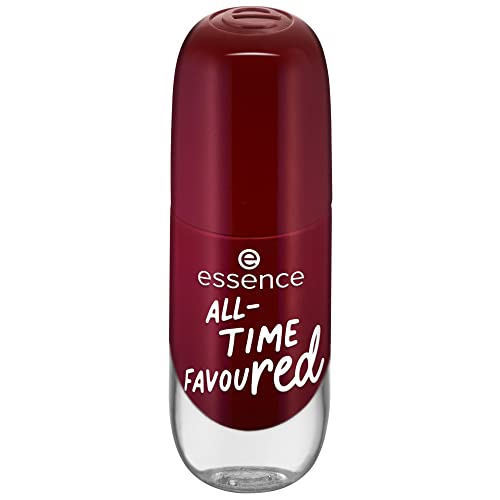
Essence
Gel Nail Colour
nail polish · 8 ml · 9 ingredients
- Fragrance-free
- No essential oils
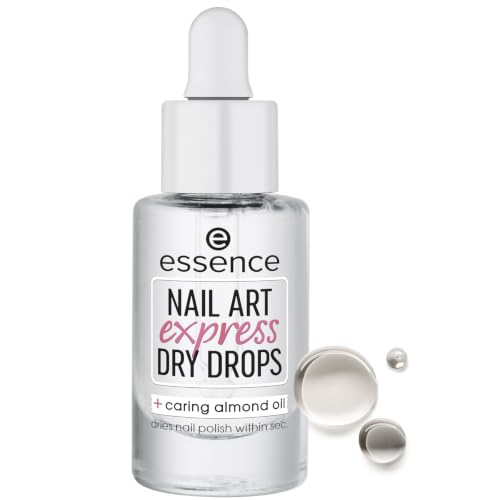
Essence
Nail Art Express Dry Drops
nail polish · 8 ml · 5 ingredients
- Fragrance-free
- No essential oils
- With vitamin e
When to see a professional
Consult a dermatologist if: nails are yellow, brown, or greenish (possible onychomycosis); nails are separating from the nail bed (onycholysis); nails are thickened as well as brittle; brittleness is accompanied by pitting, oil-drop discoloration, or horizontal grooves across all nails (Beau's lines); brittleness appeared suddenly alongside systemic symptoms such as fatigue, weight change, or cold intolerance; or there is no improvement after 3 months of consistent moisturization and habit changes. Onychomycosis requires antifungal medication — not moisturizer — and becomes progressively harder to treat if left untreated.
Frequently asked questions
What is the evidence for biotin supplements for brittle nails in 2026?
Biotin remains the most evidenced oral supplement for brittle nails. Clinical studies show a 25% increase in nail plate thickness and improvement reported by the majority of participants after 6 months on 2.5 mg/day. A 2017 review in the Journal of Drugs in Dermatology concluded evidence supports its use for brittle nail syndrome. However, most trials lack placebo controls, and benefits are most pronounced in those with true biotin deficiency. High-dose biotin (≥5 mg/day) can interfere with thyroid and troponin blood tests — inform your doctor.
Why are my nails brittle only in winter?
Cold air holds less moisture, and indoor heating further lowers humidity — together these dramatically lower ambient moisture, accelerating transungual water loss from the nail plate. Winter also tends to coincide with more hand-washing and indoor cleaning. The seasonal pattern is strongly suggestive of environmental dehydration rather than a systemic cause. Apply a urea- or AHA-based nail moisturizer after every hand wash and consider wearing gloves outdoors.
Can brittle nails indicate a serious underlying disease?
In most people they do not — lifestyle factors account for the majority of cases. However, brittle nails can be an early sign of hypothyroidism, iron deficiency anemia, psoriasis, or lichen planus. The features that raise concern are: brittleness that developed without obvious lifestyle change, brittleness accompanied by systemic symptoms (fatigue, weight change, cold intolerance), horizontal grooves across all nails (Beau's lines), pitting or oil-drop discoloration, or separation of the nail from the bed. In these situations, blood tests and dermatologist evaluation are appropriate.
How long does it take for brittle nails to recover?
Fingernails grow approximately 3 mm per month, meaning a full nail plate takes 3–6 months to replace itself. Improvement from moisturization and habit changes is typically visible within 2–3 months at the free edge, but full recovery of the nail plate from cuticle to tip takes 4–6 months. Biotin supplementation requires at minimum 6 months of consistent daily use for measurable plate-thickness changes. Patience is genuinely required.
Is nail hardener good for brittle nails?
It depends on the formulation. Hydroxypropyl-chitosan and urea-based nail lacquers have evidence of benefit. Formaldehyde-based hardeners work initially but cause paradoxical increased brittleness with repeated use because they crosslink keratin excessively, making the plate rigid and prone to cracking. Check the ingredient list and avoid products listing formaldehyde or formalin.
Should I stop using gel or acrylic nails if my nails are brittle?
Yes, temporarily. Gel and acrylic products, particularly during removal, significantly stress the natural nail plate. The solvents used to remove enhancements dissolve inter-lamellar lipids, and the filing required in removal physically weakens the nail. Allowing a 2–3 month break from enhancements, combined with daily moisturization, gives the nail plate the best opportunity to recover. When you return to enhancements, choose acetone-free or foil-wrap removal methods.
Health information, not medical advice.
Beauty Comparison is an independent editorial publication. This page is researched and sourced to the authorities listed below, but it is general information — not a diagnosis or a substitute for personalised advice from a qualified doctor, dermatologist or pharmacist. If your symptoms are severe, spreading, painful, or not improving, see a healthcare professional.Sources
- 01Pathogenesis, Clinical Signs and Treatment Recommendations in Brittle Nails: A Review — PubMed / Journal of the European Academy of Dermatology and Venereology, 2019-11-14. Brittle nails affect up to 20% of the population, especially women over 50; two main subtypes are onychorrhexis and onychoschizia; dehydration is the primary pathogenic mechanism; biotin, urea moisturizers, and lacquers are recommended treatments.
- 02Efficacy and tolerability of a biomineral formulation for treatment of onychoschizia: a randomized trial — PMC / NIH — Skin Appendage Disorders, 2019-05-01. Biomineral formulation containing amino acids, vitamins (C, E, B6, biotin), and minerals (zinc, iron, copper) was well tolerated and effective in strengthening nails in onychoschizia subjects after 3 months.
- 03Treatment of brittle fingernails and onychoschizia with biotin: scanning electron microscopy — PubMed / Journal of the American Academy of Dermatology, 1990-12-01. Daily oral biotin supplementation at 2.5 mg produced a 25% increase in nail plate thickness in patients with brittle nails, confirmed by scanning electron microscopy.
- 04Nail Supplements: When, How, and Why? — PMC / NIH — Journal of Cosmetic Dermatology, 2025-02-01. Reviews evidence for biotin, collagen peptides, keratin, silica, and other nail supplements; notes biotin interference with immunoassay laboratory tests at high doses; confirms biotin benefit most notable in deficiency states.
- 05Fingernails: Do's and don'ts for healthy nails — Mayo Clinic. Recommendations for nail care including moisturizing, wearing gloves for wet work, avoiding harsh chemicals, and when to seek medical attention for nail changes.
- 06Nail as a window of systemic diseases — PMC / Indian Dermatology Online Journal, 2015-03-01. Nail changes including koilonychia, onychorrhexis, and brittleness can be manifestations of systemic diseases including iron deficiency, hypothyroidism, psoriasis, and lichen planus; clinicians should use nail findings diagnostically.