How to Grow Your Nails Faster: What Actually Has Evidence
The short answer
No proven method dramatically speeds nail growth.
How Fast Do Nails Grow?
Fingernails grow at an average rate of approximately 3 mm per month — or roughly 0.1 mm per day. A complete replacement of the nail plate from matrix to free edge takes 3–6 months for fingernails and 12–18 months for toenails.
This rate varies between individuals and within the same individual based on several established factors:
| Factor | Effect on Growth Rate |
|---|---|
| Age | Growth slows progressively after the mid-20s |
| Dominant hand | Nails on the dominant hand grow slightly faster |
| Season | Faster growth in summer; slower in winter (temperature-related blood flow) |
| Pregnancy | Accelerated nail growth due to hormonal changes |
| Individual genetics | Strong heritable component |
| Nutritional status | Deficiencies reduce rate; well-nourished is the baseline |
The honest starting point: there is no topical product, supplement, or technique that reliably doubles or dramatically accelerates the biological pace of nail matrix cell division. What strategies do — the good ones — is either reduce breakage (so growth is retained rather than lost) or address nutritional deficiencies (restoring normal growth when it has been impaired).
Why Nails Break Before They Get Long
Most people who struggle to grow their nails are not failing to grow them — they are growing them and then breaking them. Nail plate integrity determines how much of each month's 3 mm of growth survives.
The most common breakage causes:
- Dehydration of the nail plate: Repeated wet–dry cycles from hand-washing, swimming, and dishwashing reduce nail flexibility, making the plate brittle and prone to fracture.
- Acetone exposure: Nail polish remover strips the inter-lamellar lipid cement, weakening the plate structure.
- Physical trauma: Typing, opening packages, and handling objects all create mechanical stress on the free edge of longer nails.
- Nutritional deficiencies: Iron, zinc, and protein deficiency reduce the structural integrity of newly formed nail plate.
Addressing breakage is therefore the most impactful thing most people can do to achieve longer nails.
What Actually Helps: Evidence-Based Strategies
1. Prevent Breakage Through Moisturization
A hydrated nail plate is flexible; a dehydrated one is brittle. Daily application of a nail or cuticle moisturizer — especially after hand-washing — is the single highest-impact daily habit for nail length retention.
Ingredients with evidence of nail penetration and hydration:
- Urea (10–20%): Increases water-binding capacity of the nail plate
- Jojoba oil: Penetrates the nail plate and restores lipid content
- Lactic acid (AHA): Exfoliates and improves penetration of subsequent moisturizers
Apply within 30 seconds of drying your hands. This captures residual moisture before it evaporates.
2. Wear Gloves for Wet Work and Tasks
Cotton-lined rubber gloves for dishwashing, cleaning, and gardening protect the nails from both solvent/chemical exposure and physical trauma during tasks. This is the most underused and most impactful protective habit.
3. File Technique: One Direction, Fine Grit
Bidirectional filing (sawing back and forth) creates micro-fractures at the free edge that propagate into splits under daily mechanical stress. File in one direction only, always moving toward the center of the nail, with a glass or fine-crystal file. Coarse emery boards remove too much material and create ragged edges.
4. Nutritional Optimization
Your nails cannot grow faster than the nutrients available to the matrix allow. The key nutritional targets:
Protein: The nail plate is 80–90% hard keratin, a structural protein. Severe protein restriction slows growth measurably. Normal dietary protein intake (most adults with varied diets are fine) supports normal growth.
Iron: Iron deficiency — particularly in menstruating women, vegans, and athletes — is one of the most common causes of slowed nail growth and increased brittleness. A serum ferritin test identifies deficiency. Dietary sources: red meat, liver, legumes, fortified cereals, leafy greens paired with vitamin C.
Zinc: Required for enzymatic keratin crosslinking and cell division in the nail matrix. Deficiency produces white spots, slow growth, and increased breakage. Dietary sources: oysters, beef, pumpkin seeds, cashews.
Biotin (vitamin B7): See below — its role is better documented for nail strength than for growth rate.
5. Biotin Supplementation
Biotin is the most researched supplement for nails. Clinically, its evidence is strongest for reducing nail brittleness and increasing plate thickness rather than accelerating growth rate. A 1990 study in the Journal of the American Academy of Dermatology found 2.5 mg daily biotin produced a 25% increase in nail plate thickness. A 1993 trial found 63% of participants with brittle nails reported improvement at 6 months.
The mechanism is indirect: a thicker, more resilient nail plate breaks less frequently, so more of the growth produced each month is retained as nail length.
The honest caveat: A 2017 review in the Journal of Drugs in Dermatology noted that most biotin trials lack placebo controls and that evidence in healthy, non-deficient individuals is limited. Biotin supplementation in otherwise healthy people with no nail brittleness is unlikely to produce meaningful results.
Practical recommendation: Try biotin at 2.5 mg daily for 6 months if you have brittle nails. Allow at least 3 months before assessing. At higher doses (≥5 mg), biotin interferes with thyroid hormone and troponin immunoassay tests — inform your doctor.
6. Collagen Peptides
A 2017 randomized, placebo-controlled trial in the Journal of Cosmetic Dermatology found that 2.5 g daily hydrolyzed collagen peptide supplementation for 24 weeks produced a 12% increase in nail growth rate and a 42% reduction in broken nails. A 2024 study in the same journal showed similar benefits in an East Asian population. The mechanism is likely improved nail bed matrix support and connective tissue synthesis.
These are real, peer-reviewed findings — modest in absolute effect size but genuine. If you are already addressing the basics (moisturization, nutrition, breakage prevention) and want to add a supplement with the best evidence for actual growth rate, collagen peptides are the strongest candidate.
Standard dosing: 2.5–5 g daily of marine or bovine hydrolyzed collagen peptides. Results require 12–24 weeks of consistent use.
7. Keep Nails Clean and Filed, Not Maximally Long
The counterintuitive truth: attempting to grow nails as long as possible before length is established increases breakage risk. Instead, grow nails gradually by allowing them to reach a modest length, maintaining that length until the plate is strong and consistent, then extending further. Filing a small amount from a break point prevents a crack propagating further up the nail.
What Does Not Work
Rubbing Nails Together
The folk practice of briskly rubbing fingernails against each other ("nail rubbing for growth") is not supported by evidence. The mechanical stimulation does not penetrate to the nail matrix and cannot accelerate matrix cell division.
Vaseline or Petroleum Jelly Alone
Petroleum jelly is an excellent occlusive moisturizer for the cuticle and surrounding skin but does not penetrate the nail plate. It will not accelerate growth; it can help prevent dehydration and reduce breakage indirectly.
Garlic on Nails
Despite persistent social media claims, there is no clinical evidence that rubbing raw garlic on nails accelerates growth. The allicin in garlic has antifungal properties relevant to nail infection but no documented effect on nail matrix activity.
Nail Hardeners (Most Formulas)
Formaldehyde-based nail hardeners temporarily firm the nail by over-crosslinking keratin. With repeated use, they paradoxically increase brittleness — the opposite of what is needed for length retention. A hydroxypropyl-chitosan–based lacquer is a safer, evidence-supported alternative for strengthening.
Do Gel and Acrylic Nails Help You Grow Nails?
Many people report that their nails "grew" while wearing gel or acrylic enhancements — and this is often true. What happens is not accelerated growth but protected growth: the hard enhancement acts as a physical shield that prevents the natural nail underneath from breaking during daily tasks. The 3 mm/month still grows at the same rate; it simply survives.
The trade-off: the solvents and mechanical filing involved in gel and acrylic removal damage the nail plate, often producing the brittleness and breakage that prompted the enhancements in the first place. This is a cycle worth recognizing.
If using enhancements for length, choose gel over acrylic (less structural damage), use foil-wrap or non-acetone removal, and invest in a strengthening nail oil applied at the cuticle between fills.
A Practical 8-Week Plan
| Habit | Timing | Notes |
|---|---|---|
| Apply cuticle oil / nail moisturizer | After every hand wash | Within 30 seconds of drying |
| Wear rubber gloves for dishes and cleaning | Every time | Cotton-lined |
| File in one direction only | As needed | Glass file; avoid coarse emery boards |
| Biotin 2.5 mg (if brittle nails) | Daily with food | Minimum 6-month commitment |
| Collagen peptides 2.5 g (optional) | Daily | Morning smoothie or supplement |
| Eat adequate protein, iron, zinc | Every day | Iron from meat/legumes + vitamin C |
| Switch to acetone-free remover | Every removal | Ethyl acetate-based |
Products that fit this guide
Picked by code from each product's full ingredient list.

Catrice
Aura Glam Nail Polish
nail polish · 10.5 ml · 22 ingredients
- Fragrance-free
- No essential oils
- With titanium dioxide

Catrice
Base & Top Coat Allround 2-in-1
nail polish · 10.5 ml · 10 ingredients
- Fragrance-free
- No essential oils
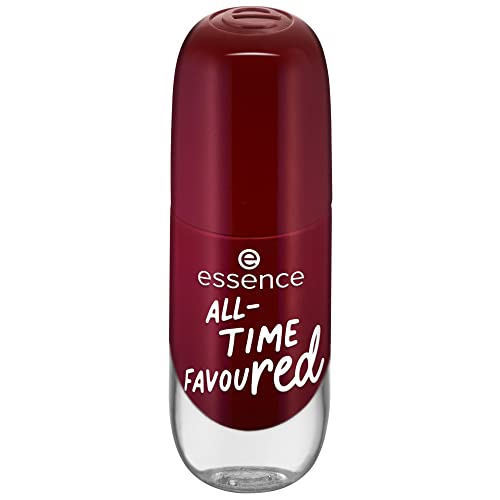
Essence
Gel Nail Colour
nail polish · 8 ml · 9 ingredients
- Fragrance-free
- No essential oils
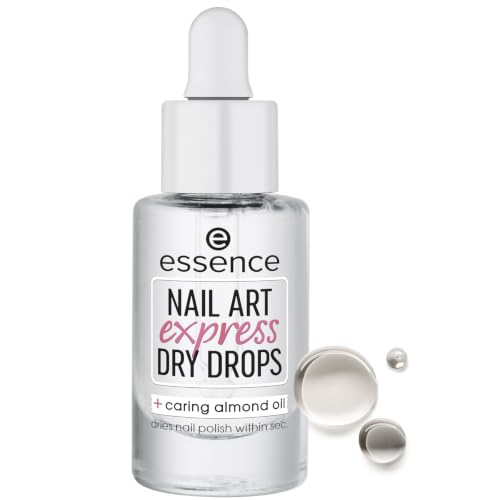
Essence
Nail Art Express Dry Drops
nail polish · 8 ml · 5 ingredients
- Fragrance-free
- No essential oils
- With vitamin e
Frequently asked questions
Do nail growth supplements actually work in 2026?
It depends on the supplement and your starting point. Biotin at 2.5 mg daily has consistent clinical evidence for reducing nail brittleness and breakage in those with brittle nail syndrome — it does not accelerate growth rate in healthy individuals. Collagen peptides (2.5–5 g daily) have the strongest evidence for a modest increase in actual growth rate, from a 2017 RCT showing 12% faster growth and 42% fewer broken nails at 24 weeks. Iron and zinc supplementation restores growth to normal if a deficiency is present. In a nutritionally adequate, healthy person, no supplement has been shown to meaningfully exceed the baseline 3 mm/month growth rate.
How long does it take to grow nails from nothing?
Fingernails grow approximately 3 mm per month. Growing from a very short length (say, 2–3 mm past the fingertip) to a moderately long length (10–12 mm past the fingertip) takes roughly 3–4 months. Reaching a dramatically long nail takes 6 months or more. The key variable is not growth rate but breakage prevention — most nails that 'won't grow' are growing normally but breaking before visible length accumulates.
Is it true nails grow faster in summer?
Yes — this is well documented in the literature. Warmer temperatures increase peripheral blood flow to the fingers, delivering more oxygen and nutrients to the nail matrix and accelerating cell division. Fingernail growth rates measured in studies are consistently higher in summer months. This effect is also why the nails on your dominant hand grow slightly faster — increased blood flow from greater muscle use.
Does drinking more water help nails grow faster?
Adequate hydration is important for overall nail plate health — dehydrated nail plates are more brittle and prone to breakage. However, drinking extra water beyond normal hydration needs does not further accelerate nail growth. The nail plate is produced by cells deep in the matrix, and growth rate is primarily regulated by hormones, age, and circulation, not water intake. Focus on topical moisturization of the nail plate rather than dramatically increasing fluid intake.
Why do my nails grow faster on one hand?
Nails on the dominant hand grow consistently faster — this effect was documented as early as the 1930s and replicated in later studies. The most accepted explanation is greater blood flow to the dominant hand from higher muscle activity, delivering more nutrients to the nail matrix. Some researchers also attribute it to minor mechanical stimulation of the matrix during gripping tasks. The dominant-hand effect is typically a few percent faster, not dramatically so.
Can I grow my nails faster by eating more protein?
If your protein intake is already adequate, eating more will not speed nail growth. The nail plate is 80–90% keratin protein, so protein adequacy is necessary for normal nail production — but there is no evidence that excess protein beyond needs provides additional benefit. For people with very low protein intake (restrictive diets, clinical protein malnutrition), correcting the deficit will restore growth to normal levels.
Sources
- 01Nail Supplements: When, How, and Why? — PMC / NIH — Journal of Cosmetic Dermatology, 2025-02-01. Reviews evidence for biotin, collagen peptides, keratin, silica, zinc, and iron supplements for nail health; biotin evidence strongest for brittle nail syndrome; collagen peptides show modest RCT evidence for growth rate improvement.
- 02Vitamins for the Management of Nail Disease: A Literature Review — PMC / NIH — Dermatology and Therapy, 2024-03-01. Reviews clinical evidence for vitamins and minerals in nail health; notes biotin's benefit for brittle nail syndrome; zinc and iron deficiency associated with nail growth slowing; protein malnutrition reduces nail growth rate.
- 03Treatment of brittle fingernails and onychoschizia with biotin: scanning electron microscopy — PubMed / Journal of the American Academy of Dermatology, 1990-12-01. 2.5 mg daily biotin produced 25% increase in nail plate thickness in brittle nail patients; benefit mechanism is improved plate strength reducing breakage, not accelerated growth rate.
- 04The Normal Growth Rate of Human Fingernails in Indian Population — PMC / NIH — Journal of Cutaneous and Aesthetic Surgery, 2024-09-01. Fingernails grow approximately 3 mm per month (0.1 mm/day); growth rate varies with age, dominant hand, season, and nutrition; toenails grow significantly more slowly than fingernails.
- 05Biotin supplementation for hair and nail health: Does it pass the test? — American Academy of Dermatology — Dermatology World Insights, 2021-01-01. AAD review concludes biotin evidence for hair and nail health is limited in healthy individuals; benefit best documented in those with deficiency or brittle nail syndrome; high-dose biotin interferes with laboratory tests.
- 06Influence of collagen peptide supplementation on visible signs of skin and nail health and aging in an East Asian population — Journal of Cosmetic Dermatology (Wiley), 2024-04-01. Randomized controlled trial: daily collagen peptide supplementation improved nail thickness and reduced brittleness; supports prior findings of 12% growth rate increase and 42% reduction in broken nails at 24 weeks.