Glycolic Acid: Benefits, Strength & How Often to Use It
The short answer
Glycolic acid is the most potent AHA exfoliant, proven to smooth texture, fade dark spots.
What Is Glycolic Acid?
Glycolic acid is an alpha-hydroxy acid (AHA) naturally derived from sugar cane. At just 76 g/mol, it is the smallest molecule in the AHA family — smaller than lactic acid (90 g/mol), malic acid (134 g/mol), or mandelic acid (152 g/mol). That low molecular weight is not a trivial detail: it means glycolic acid penetrates the epidermis faster and deeper than any other AHA, which is both the source of its exceptional efficacy and the reason it requires the most careful use.
The science behind glycolic acid is mature. Decades of controlled clinical trials and mechanistic studies have established what it does, at what concentrations, and for whom. This guide covers all of it.
How Glycolic Acid Works
Exfoliation Mechanism
Healthy skin continuously sheds dead corneocytes (the outermost dead skin cells) through a process called desquamation. This depends on enzymes breaking down the protein bridges — called corneodesmosomes — that hold dead cells together. With age, UV damage, and certain skin conditions, this process slows. Dead cells accumulate, producing dullness, rough texture, and the appearance of enlarged pores.
Glycolic acid disrupts corneodesmosomes at their weakest point, accelerating their breakdown and triggering controlled, synchronized shedding of the surface layer. A foundational 1997 study confirmed this "targeted desmosmal action" occurs without compromising the deeper barrier structures of the skin — a key distinction from purely abrasive mechanical exfoliants.
Collagen Stimulation and Dermal Remodeling
Glycolic acid's benefits extend beyond simple surface exfoliation. A peer-reviewed 2021 study in Clinical, Cosmetic and Investigational Dermatology (PMC7891644) confirmed that glycolic acid adjusted to pH 4 directly stimulates fibroblasts to produce more collagen and triggers epidermal renewal — without elevating TNF-α (a pro-inflammatory cytokine). This means the regenerative effect is not driven by inflammatory damage but by direct biological signalling.
The pathway involves:
- Fibroblast activation: Glycolic acid upregulates collagen gene expression and increases dermal collagen density.
- Hyaluronic acid production: Multiple studies document increased epidermal and dermal hyaluronic acid following AHA treatment, improving hydration and plumpness.
- Keratinocyte proliferation: At physiological pH (~3.5–4.0), the H⁺ ion gradient activates TRPV1 ion channels in basal keratinocytes, stimulating controlled cell proliferation and renewal.
Pigmentation Effects
Glycolic acid addresses hyperpigmentation through two mechanisms: first, exfoliation physically removes pigmented surface cells faster; second, research suggests AHAs may interfere with melanosome transfer from melanocytes to keratinocytes, reducing the appearance of dark spots over time. A 2024 systematic review found glycolic acid to be among the most safe and effective peeling agents for melasma.
What Glycolic Acid Treats: The Evidence
Photoaging and Fine Lines
This is glycolic acid's best-evidenced application. UV-damaged skin accumulates excess dead cells, loses collagen, and develops uneven pigmentation. Glycolic acid addresses all three:
- A classic double-blind, vehicle-controlled trial (Smith 1996) found measurable improvements in rough texture, fine wrinkling, solar lentigines, and keratoses with 5% glycolic acid. Histology revealed epidermal thickening and increased dermal collagen.
- A glycolic acid peel review (PMC3875240) confirmed that concentrations of 30–50% in professional settings produce excellent clinical results for superficial photoaging and fine lines.
Uneven Skin Tone and Hyperpigmentation
Glycolic acid is a first-line ingredient for PIH (post-inflammatory hyperpigmentation), solar lentigines, and mild melasma. The accelerated cell turnover it drives helps surface pigmented cells shed faster, while repeated use reduces melanin irregularity.
Acne and Breakout-Prone Skin
By clearing the hyperkeratosis that plugs follicles — the first step in acne formation — glycolic acid is an effective non-prescription option for comedonal and mild inflammatory acne. It is sometimes combined with salicylic acid (a BHA that works inside the pore) for broader coverage.
Skin Texture and Dullness
Even without clinical pathology, glycolic acid is the most effective OTC ingredient for routine texture refinement, the removal of the dull, uneven surface that accumulates between professional treatments.
Glycolic Acid vs. Other AHAs
| AHA | Molecular Weight | Penetration Depth | Best For | Skin Sensitivity |
|---|---|---|---|---|
| Glycolic acid | 76 g/mol | Deepest | Anti-aging, photoaging, rough texture | Least tolerant |
| Lactic acid | 90 g/mol | Moderate | Sensitive skin, hydration, gentle brightening | More tolerant |
| Mandelic acid | 152 g/mol | Slowest | Darker skin tones, acne, combo with salicylic | Most gentle |
| PHAs (gluconolactone) | 178–194 g/mol | Surface only | Very sensitive skin, rosacea, eczema-prone | Extremely gentle |
Glycolic acid is the most effective and the most potent AHA. It is also the most likely to cause irritation in those who are new to exfoliants or have sensitive skin. Lactic acid, mandelic acid, and PHAs are progressively gentler alternatives that sacrifice some potency for tolerability.
Concentrations: OTC vs. Professional
Over-the-Counter (5–20%)
- 5–10%: The appropriate starting range. Effective for regular maintenance exfoliation, gentle brightening, and acne management. Suitable for most skin types, including sensitive skin when used carefully.
- 10–15%: A meaningful step up. Clear anti-aging benefits documented at this range in regular home-use products. Reserve for established tolerance.
- 15–20%: The upper limit of most home-use regulations. Effective for significant texture improvement and hyperpigmentation. Use 1–2× weekly maximum; not for sensitive skin.
Professional Peels (30–70%)
Professional-strength glycolic acid peels are applied by trained practitioners for defined durations (typically 2–10 minutes) with close neutralization control. They deliver more dramatic results but carry higher risk of irritation, post-inflammatory hyperpigmentation (especially in darker skin tones), and temporary redness. These are not for home use.
pH Matters More Than Concentration
Glycolic acid's efficacy is pH-dependent. The free acid (the active form) only exists in meaningful concentrations below pH 4. Many OTC products are formulated at pH 5–6 for better tolerability — but at that pH, the majority of glycolic acid is in its ionized, poorly penetrating form. A product listing "10% glycolic acid" at pH 5.5 will exfoliate far less effectively than the same concentration at pH 3.5.
What to look for: Products that disclose their pH (ideally 3.5–4.5) give you confidence about actual free acid availability. If pH is not disclosed, test strips can give a rough measure.
How to Use Glycolic Acid
Beginner Protocol
- Start at 5%, two nights per week.
- Apply to clean, fully dry skin — damp skin amplifies penetration and irritation.
- Use a pea-to-dime size amount across the entire face; avoid the eye area and lips.
- Follow with a non-comedogenic moisturizer to buffer barrier disruption.
- Apply SPF 30+ every morning — non-negotiable. Glycolic acid increases UV sensitivity.
- After 4 weeks of comfortable use, increase to 3 nights per week or step up to 8–10%.
The SPF Rule
Glycolic acid temporarily reduces the thickness of the stratum corneum. Morning sun exposure without SPF will rapidly undo your gains and risks making pigmentation worse, particularly in darker skin tones. This is not optional advice — it is the condition for any benefit.
What Not to Use on the Same Night
- Retinol / retinoids: Compounding both on the same night amplifies barrier disruption. Use on alternate nights.
- Vitamin C (L-ascorbic acid): pH competition; use vitamin C in the morning.
- Other AHAs or BHAs: One exfoliant per night is enough. The AHA vs BHA guide covers combination strategies in detail.
- Benzoyl peroxide: Can react with and degrade AHA efficacy; separate to morning.
Who Should Be Cautious
- Darker skin tones (Fitzpatrick IV–VI): Higher risk of post-inflammatory hyperpigmentation from concentrated AHAs. Start at 5% maximum and increase conservatively. A 2025 retrospective review of high-concentration peels in phototypes IV–VI confirmed meaningful risks warrant professional supervision for high-strength treatments.
- Active eczema, psoriasis, or rosacea: Glycolic acid can severely exacerbate active inflammatory conditions. Consult a dermatologist before using.
- Pregnancy and breastfeeding: Low-concentration glycolic acid (≤10%) is generally considered safe in pregnancy by most dermatologists, but the evidence is limited. Discuss with your OB.
- Recent laser treatment or chemical peel: Wait for full healing — typically 2–4 weeks — before re-introducing exfoliants.
Glycolic Acid Side Effects
Common (especially when starting)
- Tingling or mild stinging: Expected within the first 30–60 seconds of application. If burning continues beyond 2 minutes, rinse off immediately.
- Redness: Transient post-application redness is normal. Persistent redness lasting hours indicates the concentration or frequency is too high.
- Dryness and flaking: Increased cell turnover means more visible shedding in the first 1–2 weeks. Support with a ceramide- or hyaluronic-acid-based moisturizer.
- Photosensitivity: Increased sun sensitivity throughout use — managed with daily SPF.
Signs You're Over-Exfoliating
- Persistent tightness, stinging, or burning
- Skin that looks visibly raw, shiny, or "glass-like"
- Increased sensitivity to products that previously caused no reaction
- Redness that does not resolve within a few hours
If these appear, stop glycolic acid and all other exfoliants. Focus on gentle cleansing, fragrance-free moisturizer, and daily SPF. See how often should you exfoliate for frequency guidance.
When to Expect Results
- Week 2–3: Surface texture begins to feel smoother; skin looks brighter.
- Week 4–6: Reduction in the appearance of blackheads and congested pores.
- Week 8–12: Measurable improvement in fine surface lines and tone evenness.
- Months 3–6: Collagen-remodeling effects become visible as reduced fine lines and improved skin firmness.
Consistency matters. Stopping and restarting delays cumulative benefit.
Products with glycolic acid (aha)
Picked by code from each product's full ingredient list.
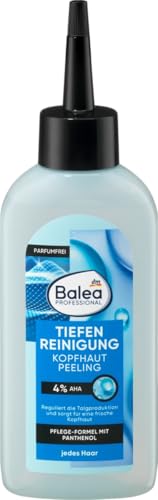
Balea
Professional Scalp Scrub Deep Cleansing
scalp treatment · 150 ml · 10 ingredients
- Fragrance-free
- No essential oils
- With glycolic acid
- With panthenol

Beauty of Joseon
Green Plum Refreshing Toner
toner · 5.27 fl oz · 24 ingredients
- Fragrance-free
- No essential oils
- With glycerin
- With salicylic acid
- With glycolic acid

Paula's Choice
Skin Perfecting 25% AHA + 2% BHA Exfoliant Peel
exfoliant · 30 ml · 13 ingredients
- Fragrance-free
- No essential oils
- With salicylic acid
- With glycolic acid
- With lactic acid

Paula's Choice
Skin Perfecting 8% AHA Gel Exfoliant
exfoliant · 100 ml · 15 ingredients
- Fragrance-free
- No essential oils
- With glycolic acid
- With panthenol
- With aloe vera
Frequently asked questions
Is glycolic acid still recommended in 2026?
Yes — glycolic acid remains one of the most evidence-backed OTC exfoliants available. Its mechanism of action, efficacy for photoaging, hyperpigmentation, and acne, and safety profile are all thoroughly documented in peer-reviewed literature. A 2024 systematic review confirmed it is among the most effective chemical peeling agents for melasma. The formulation guidance (correct pH, appropriate concentration, SPF use) has not materially changed.
What percentage of glycolic acid should a beginner use?
Start at 5–8% and use it two nights per week on dry skin, followed by a moisturizer. Increase frequency before increasing concentration: move from 2 nights to 3–4 nights per week over 4–6 weeks before stepping up to 10%. Most people achieve excellent results between 8–12% with consistent use.
Can you use glycolic acid every day?
Daily use at low concentrations (5–10%) is tolerated by some people, but it is not necessary for good results and is the most common route to over-exfoliation. Begin at 2–3 nights per week and advance only if there is no redness, dryness, or persistent sensitivity. Professional guidance suggests that 3–4 nights per week at 10% delivers equivalent or better long-term results compared to nightly use at lower percentages, with far less barrier disruption.
Can I use glycolic acid with retinol?
Not on the same night. Both accelerate cell turnover and both disrupt the skin barrier to some degree. Using them simultaneously compounds irritation without delivering additional benefit. Use glycolic acid on Monday, Wednesday, Friday, and retinol on Tuesday, Thursday — or similar alternate-night patterns. See the [AHA vs BHA guide](/aha-vs-bha-guide) for full ingredient-pairing logic.
Is glycolic acid safe for dark skin tones?
At low concentrations (5–10%), glycolic acid is safe for Fitzpatrick skin types IV–VI, but the risk of post-inflammatory hyperpigmentation from over-exfoliation or high-concentration use is meaningfully higher than in lighter skin tones. A 2025 retrospective review confirmed that high-concentration sequential glycolic acid peels in phototypes IV–VI require careful clinical oversight. Start conservatively, avoid anything above 10% without professional guidance, and never use immediately after sun exposure.
How is glycolic acid different from salicylic acid?
Glycolic acid (AHA) is water-soluble and works on the surface of the skin, accelerating shedding of dead cells, stimulating collagen, and brightening tone. Salicylic acid (BHA) is oil-soluble and penetrates *inside* the hair follicle, making it more effective for oily, acne-prone, or blackhead-prone skin. The two address different problems and can be used on alternate nights for complementary effects. See the [AHA vs BHA guide](/aha-vs-bha-guide) for a detailed comparison.
Sources
- 01Glycolic acid adjusted to pH 4 stimulates collagen production and epidermal renewal without affecting levels of proinflammatory TNF-alpha in human skin explants — PubMed Central / Clinical, Cosmetic and Investigational Dermatology, 2021-02-18. Glycolic acid at pH 4 directly stimulates fibroblast collagen synthesis and triggers epidermal renewal without increasing pro-inflammatory TNF-α, confirming the regenerative mechanism is not inflammatory.
- 02Glycolic acid peel therapy – a current review — PubMed Central / Clinical, Cosmetic and Investigational Dermatology, 2013-11-11. Glycolic acid at 30–50% produces excellent clinical results for superficial photoaging, fine lines, and hyperpigmentation; mechanism involves disruption of corneodesmosomes and acceleration of epidermolysis.
- 03Applications of hydroxy acids: classification, mechanisms, and photoactivity — PubMed Central / Dermatology Research and Practice, 2010-12-01. AHAs including glycolic acid enhance skin rejuvenation by promoting desquamation, boosting collagen and hyaluronic acid synthesis, and improving skin texture; pH and concentration are critical determinants of efficacy.
- 04Chemical Peels for Melasma: A Systematic Review — PubMed / Journal of the American Academy of Dermatology, 2024-03-01. Systematic review of 24 studies (1,075 participants) confirmed glycolic acid is among the most safe and effective chemical peeling agents for melasma treatment.
- 05The effects and safety of sequential high concentration glycolic acid and trichloroacetic acid chemical peels in skin photo-type IV–VI — PubMed Central, 2025-01-01. Retrospective review confirming meaningful risk of adverse effects from high-concentration glycolic acid peels in Fitzpatrick phototypes IV–VI, supporting conservative starting concentrations and professional supervision.
- 06How to safely exfoliate at home — American Academy of Dermatology (aad.org). AAD recommends chemical exfoliation for sensitive and acne-prone skin types; advises avoiding strong chemical exfoliation in darker skin tones prone to dark spots; and emphasizes moisturizing immediately after exfoliating.