Skincare for Vitiligo: Sun Protection & Moisturization Guide
The short answer
Vitiligo skin needs daily broad-spectrum SPF 30+ sunscreen and gentle fragrance-free moisturizers to prevent sunburn.
Why Vitiligo Skin Has Specific Skincare Needs
Vitiligo patches are not simply paler in color — they are functionally different from surrounding skin. Melanocytes, the cells that produce melanin, have been destroyed by the immune system in affected areas. Without melanin:
- UV photoprotection is absent. Melanin is the skin's primary natural sunscreen. Depigmented skin has zero melanin-based protection against ultraviolet radiation and will sunburn far more readily than surrounding skin — even after brief sun exposure.
- Tanning is impossible in patches. Surrounding skin can still tan (and often will, in summer), dramatically increasing the visual contrast between patches and unaffected skin and making vitiligo more conspicuous.
- Inflammatory potential is elevated. Active or recent vitiligo lesions can involve sub-clinical inflammation; harsh or irritating skincare products can worsen barrier function and potentially trigger the Koebner phenomenon — the development of new vitiligo patches at sites of skin trauma.
A thoughtful skincare routine for vitiligo therefore has two primary goals: protecting affected skin from UV damage and maintaining a healthy, intact skin barrier without unnecessary irritation.
Step 1: Sun Protection — The Non-Negotiable Foundation
Why Sunscreen Is the Most Important Product
The American Academy of Dermatology identifies sun protection as a cornerstone of vitiligo care — not just for safety but for practical management of the condition. Sunscreen for vitiligo serves three distinct functions:
- Preventing sunburn on depigmented patches. Without melanin, vitiligo patches can burn within minutes of unprotected sun exposure, causing pain, damage, and inflammation.
- Minimizing the contrast between patches and surrounding skin. When surrounding skin tans, the white patches become far more visible. Protecting the whole body with sunscreen prevents tanning of unaffected areas, helping to keep the color difference less stark.
- Supporting repigmentation treatments. Active inflammation from UV-induced damage can interfere with the effectiveness of topical treatments including ruxolitinib cream and phototherapy schedules managed by your dermatologist. Consistent photoprotection keeps baseline inflammation low.
What to Look for in a Sunscreen for Vitiligo
| Feature | Why It Matters for Vitiligo |
|---|---|
| Broad-spectrum (UVA + UVB) | UVB causes sunburn; UVA penetrates deeply and causes inflammatory and aging damage in depigmented skin |
| SPF 30 or higher | The minimum for meaningful protection; SPF 50 provides additional margin on high-UV days |
| Water resistance (40–80 min) | For outdoor activities; patch testing with water exposure is particularly important given the sunburn risk |
| Fragrance-free | Fragrance is a leading cause of contact dermatitis on sensitive and inflamed skin |
| Non-comedogenic | For facial use — does not block pores |
| Formulated for sensitive skin | Minimizes risk of irritation on areas with sub-clinical inflammation |
Both mineral sunscreens (zinc oxide, titanium dioxide) and chemical sunscreens can be suitable for vitiligo. Mineral formulas are generally better tolerated on sensitive or actively inflamed skin and are the preferred choice for children. Some patients find that tinted mineral sunscreens with iron oxide pigments also provide a measure of cosmetic coverage on facial patches.
How to Apply Sunscreen for Vitiligo
- Apply at least 15 minutes before sun exposure to allow adequate film formation.
- Apply generously. The SPF rating on a bottle is only achieved at the full recommended application volume (approximately 2 mg/cm² — about a teaspoon for the face alone). Under-application is the most common reason real-world protection falls short of the label.
- Cover all exposed depigmented patches and the surrounding skin.
- Reapply every 2 hours during outdoor exposure, and immediately after swimming or heavy sweating.
- Apply year-round, not only in summer. UVA radiation that triggers inflammation is relatively constant throughout the year and penetrates glass. Windows in cars and offices do not block UVA.
Beyond Sunscreen: A Comprehensive UV Strategy
Sunscreen alone, even applied perfectly, does not provide complete protection. The AAD recommends a layered sun protection strategy for people with vitiligo:
- Seek shade during peak UV hours — typically 10 a.m. to 2 p.m. when shadows are shorter than your height.
- Wear protective clothing — lightweight, long-sleeved tops, trousers, and wide-brimmed hats. Clothing with a verified UPF (ultraviolet protection factor) rating of 30+ provides reliable physical protection that does not require reapplication.
- UV-blocking sunglasses — particularly important if vitiligo patches are present around the eyes.
- Avoid all tanning devices — sunbeds expose depigmented skin to concentrated UV without any melanin protection and pose an unacceptable sunburn risk.
Step 2: Cleansing for Vitiligo Skin
Vitiligo skin does not require a specialized cleanser beyond the principles of gentle, non-irritating formulations. The goal is to remove dirt, product residue, and excess oil without disrupting the skin barrier or triggering inflammation that could activate the Koebner phenomenon.
What to use:
- A fragrance-free, gentle, sulfate-free facial cleanser or body wash
- Cream or gel cleansers over foamy or stripping formulas — foam often indicates the presence of sulfates that strip natural skin oils
- Lukewarm water, not hot — hot water temporarily impairs barrier function
What to avoid:
- Fragranced products — both synthetic and natural fragrances are common sensitizers
- Abrasive physical exfoliants (scrubs, loofahs, exfoliating brushes) — the friction and microtrauma can trigger Koebner-phenomenon patches in susceptible individuals
- Harsh toners and astringents containing alcohol — these strip the barrier without meaningful benefit
How Often to Cleanse
Twice-daily gentle cleansing (morning and evening) is appropriate for most people with vitiligo. More frequent cleansing is unnecessary and risks barrier disruption. If vitiligo affects areas prone to friction from clothing — the waistband, collar line, bra strap area — pay attention to whether these sites develop new patches and discuss with your dermatologist.
Step 3: Moisturizing — Barrier Support for Vitiligo Skin
Vitiligo skin can experience mild dryness, particularly when undergoing phototherapy treatments (which can temporarily disrupt barrier function), when using topical corticosteroids, or simply as a result of the low-grade inflammatory process underlying active disease.
A consistent daily moisturizer helps maintain the skin barrier, reduces water loss, and keeps skin comfortable — particularly important if you are also using topical vitiligo treatments.
Ingredients to Look For
| Ingredient | Function | Why It Helps |
|---|---|---|
| Ceramides | Rebuild lipid bilayer in the stratum corneum | Restores and maintains the skin barrier |
| Hyaluronic acid | Draws and binds water in the skin | Provides lightweight hydration without occlusion |
| Glycerin | Humectant, draws moisture | Broadly compatible, effective at all skin types |
| Niacinamide | Strengthens barrier, anti-inflammatory | Reduces redness and supports barrier repair |
| Shea butter / squalane | Emollient, softens and seals | Effective in dry climates and post-phototherapy |
| Colloidal oatmeal | Anti-inflammatory, soothing | Particularly useful if any pruritus accompanies active lesions |
What to Avoid in Moisturizers
- Fragrance and essential oils — the most common contact sensitizers; avoid in any formula applied to facial or periorbital vitiligo patches
- Alcohol (denatured, SD alcohol) as a primary ingredient — drying and barrier-disrupting
- Dyes and coloring agents — unnecessary sensitization risk on susceptible skin
- Exfoliating acids (AHAs, BHAs) in daily moisturizers — while occasional gentle chemical exfoliation may be fine for surrounding unaffected skin, active exfoliant use on or around inflamed vitiligo patches is inadvisable without dermatologist guidance
Morning vs. Evening Routine
Morning: Gentle cleanse → lightweight moisturizer or moisturizing SPF 30+ → sunscreen (if using a separate SPF product)
Evening: Gentle cleanse → ceramide-rich moisturizer → any prescribed topical treatment (e.g., ruxolitinib cream, tacrolimus) applied as directed
If using topical treatments prescribed by your dermatologist, apply them after moisturizer at night or follow your prescriber's specific application instructions — calcineurin inhibitors and corticosteroids are typically applied after cleansing, and ruxolitinib cream is applied to dry skin twice daily.
Step 4: Avoiding the Koebner Phenomenon
The Koebner phenomenon — the development of new vitiligo patches at sites of skin injury — is present in a subset of vitiligo patients and should be a practical consideration in daily skincare choices.
Skin trauma that may trigger new patches includes:
- Cuts, scratches, and abrasions — from sharp objects or rough handling
- Sunburn — a particularly important reason why sunscreen matters beyond mere comfort
- Friction from tight clothing — waistbands, bra straps, collars, wristwatch straps
- Chemical burns from overly strong topical products
- Tattoos — the AAD specifically advises against tattoos in people with vitiligo due to the 10–14 day Koebner risk at the tattooing site
- Aggressive exfoliation — microdermabrasion, chemical peels, and physical scrubs used without dermatologist supervision
If you notice new patches consistently appearing at specific friction or pressure sites, discuss this with your dermatologist — it may warrant changing clothing choices, adjusting your skincare routine, or accelerating medical treatment.
Step 5: Camouflage and Cosmetic Coverage
Medical treatment takes time — phototherapy and ruxolitinib cream require weeks to months of consistent use before meaningful repigmentation appears. In the interim, cosmetic camouflage provides immediate, practical coverage for visible patches.
Waterproof Makeup
Foundation, concealer, and color-correcting products specifically formulated for body use or with high coverage are effective for daily coverage of facial and body patches. Look for waterproof formulas that will resist sweat and incidental moisture. Some brands produce body-specific foundations designed for large-area coverage.
Practical tips:
- Use a color-matching service in store or request samples before committing — matching the exact undertone of surrounding skin is the key to natural-looking coverage
- Set with a translucent powder if using in hot weather or for extended wear
- Coverage lasts approximately one day and is removed with standard makeup remover or cleansing oil
DHA-Based Self-Tanners
Products containing dihydroxyacetone (DHA) work by chemically reacting with amino acids in the stratum corneum (dead skin layer) to produce a temporary brown-toned tint. They are safe for use on vitiligo patches and provide 3–5 days of coverage before fading as the stratum corneum naturally exfoliates.
Key considerations:
- Apply in thin layers to depigmented patches — the absence of melanin means DHA color development differs from surrounding skin and can appear more intense or with an orange cast if over-applied
- Patch-test a small area first to assess color match before full application
- Exfoliate surrounding skin lightly before application for an even result
- DHA is ineffective on mucous membranes (lips, genital mucosa) where the stratum corneum is absent or thin
Skin-Matched Dyes and Micropigmentation
Semi-permanent skin dyes (such as those containing henna-alternatives in skin-matched tones) last longer than self-tanners. Medical-grade micropigmentation (tattooing), performed by a specialist, can provide stable cosmetic coverage for stable vitiligo — though this approach is typically reserved for small, permanently stable areas and requires careful discussion of the Koebner risk with the performing practitioner.
Tinted Sunscreens with Iron Oxide
A practical two-in-one solution for facial vitiligo: tinted mineral sunscreens containing iron oxide pigments provide both SPF protection and partial cosmetic color correction. Iron oxide also filters visible light, which may provide additional benefit in photoprotection. Look for shades formulated to match a range of skin tones — application can be layered for additional coverage.
Skincare and Active Repigmentation Treatments
If you are undergoing active medical treatment for vitiligo — ruxolitinib cream, phototherapy, topical corticosteroids, or calcineurin inhibitors — your skincare routine should be designed to support rather than interfere with treatment.
Supporting Phototherapy
During a course of narrowband UVB phototherapy:
- Apply a bland, fragrance-free moisturizer to patches before sessions only if your dermatologist advises it — some clinics recommend moisturizing beforehand to improve UV penetration, others do not
- After phototherapy sessions, depigmented skin may feel dry or mildly sensitive; a ceramide-rich moisturizer applied within minutes of leaving the clinic helps maintain comfort
- Continue daily SPF on non-treated days and on all areas not being targeted by the phototherapy device
Using Topical Treatments
- Ruxolitinib cream (Opzelura): Applied twice daily to dry skin on vitiligo patches. A fragrance-free moisturizer can be used at other times; apply the cream as directed by your dermatologist — do not apply to more than 10% body surface area.
- Topical corticosteroids: Short-course, follow your prescriber's instructions carefully regarding application frequency, duration, and any break periods. Apply to clean, dry skin. Avoid the eye area unless specifically instructed.
- Calcineurin inhibitors (tacrolimus, pimecrolimus): Apply twice daily to clean skin. Avoid concurrent use of heavily occluding products immediately before or over the top of application. Sun sensitivity can temporarily increase with calcineurin inhibitors — reinforce daily SPF.
Vitiligo Skincare at a Glance
| Step | Product Type | Key Requirements |
|---|---|---|
| Cleanse | Gentle cleanser | Fragrance-free, sulfate-free, non-abrasive |
| Treat (if prescribed) | Topical medication | As directed by dermatologist |
| Moisturize | Fragrance-free moisturizer | Ceramides, hyaluronic acid, glycerin; avoid AHAs |
| Protect | Broad-spectrum sunscreen | SPF 30+, water-resistant, fragrance-free |
| Camouflage (optional) | Waterproof makeup or DHA self-tanner | Color-matched to surrounding skin |
When to Seek Dermatological Advice About Skincare
Discuss your skincare routine with a dermatologist if:
- You are experiencing new patches developing at sites of skin friction or product use (possible Koebner response to irritation)
- A skincare product is causing persistent redness, burning, or itching on or around vitiligo patches
- You are starting or changing active repigmentation treatment and want guidance on compatible products
- You are unsure whether to exfoliate or use actives (retinoids, AHAs) on unaffected surrounding skin while being treated for vitiligo
- Your phototherapy schedule is creating dryness, sensitivity, or barrier disruption that your current moisturizer is not managing
A board-certified dermatologist can confirm the diagnosis, coordinate medical treatment, and provide personalized recommendations for your skin type and vitiligo pattern.
Products that fit: sensitive skin
Picked by code from each product's full ingredient list.

Anua
3 Ceramide Panthenol Moisture Barrier Cream
moisturizer · 100 ml · 63 ingredients
- Fragrance-free
- No essential oils
- No drying alcohol
- No MI/MCI
- No menthol, camphor and witch hazel

Naturium
Marshmallow Root Barrier Balm
moisturizer · 50 g · 58 ingredients
- Fragrance-free
- No essential oils
- No drying alcohol
- No MI/MCI
- No menthol, camphor and witch hazel
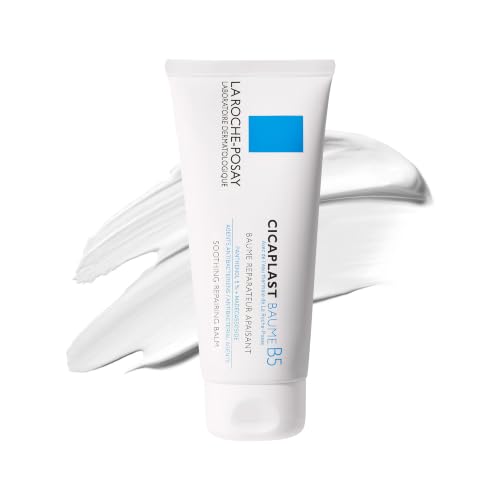
La Roche-Posay
Cicaplast Baume B5 Soothing Repair
moisturizer · 100 ml · 33 ingredients
- Fragrance-free
- No essential oils
- No drying alcohol
- No MI/MCI
- No menthol, camphor and witch hazel

Beauty of Joseon
Red Bean Water Gel
moisturizer · 99.9 ml · 58 ingredients
- Fragrance-free
- No essential oils
- No drying alcohol
- No MI/MCI
- No menthol, camphor and witch hazel
Frequently asked questions
What SPF should someone with vitiligo use, and does it really matter?
The AAD recommends a minimum of SPF 30 broad-spectrum, water-resistant sunscreen for vitiligo patients — applied daily, including in winter and on cloudy days. It genuinely matters for two distinct reasons: depigmented patches have zero melanin photoprotection and burn rapidly in UV light, and sunscreen prevents surrounding skin from tanning (which would widen the visible contrast between patches and unaffected skin). Consistent daily use of SPF 30+ is the single most important skincare step for anyone with vitiligo, regardless of whether they are pursuing active repigmentation treatment.
Is it safe to use exfoliants and acids on skin affected by vitiligo?
Caution is warranted. The Koebner phenomenon means that skin injury or irritation can trigger new vitiligo patches in susceptible individuals. Aggressive physical exfoliants (scrubs, loofahs) and strong chemical exfoliants (high-strength AHAs or BHAs) applied to or near vitiligo patches are best avoided without dermatologist guidance. Gentle, once- or twice-weekly chemical exfoliation on unaffected surrounding skin — if well tolerated — is generally not problematic, but the priority is avoiding irritation on and around lesional skin. Consult your dermatologist before introducing any exfoliating active while undergoing medical vitiligo treatment.
Can self-tanner safely be used on vitiligo patches?
Yes — self-tanners containing dihydroxyacetone (DHA) are safe for vitiligo patches and do not affect melanocytes. DHA reacts with amino acids in the stratum corneum to produce a temporary tint lasting 3–5 days. Because depigmented skin lacks melanin, the DHA color can develop differently from surrounding skin — patch-test a small area first and apply in thin layers to avoid an overly orange result. DHA has no effect on mucous membrane vitiligo (lips, genitalia), where the stratum corneum is minimal.
Should someone with vitiligo avoid the sun entirely?
Complete sun avoidance is not necessary or recommended. Managed, protected sun exposure can actually support repigmentation in some patients — natural sunlight contains the UV wavelengths used therapeutically in narrowband UVB phototherapy. The goal is protected exposure: daily SPF 30+ sunscreen on all exposed areas, covering clothing during prolonged outdoor periods, and seeking shade during peak UV hours (10 a.m.–2 p.m.). Unprotected sun exposure causing sunburn, however, can trigger the Koebner phenomenon and worsen vitiligo.
Does moisturizing help vitiligo or repigmentation?
Moisturizing does not directly stimulate repigmentation, but it supports the conditions in which active treatments work best. Maintaining an intact skin barrier reduces inflammation and prevents dryness-related irritation that could trigger the Koebner phenomenon. During phototherapy, keeping skin well-moisturized helps manage phototherapy-induced dryness. Some clinics recommend applying moisturizer to patches before NB-UVB sessions to optimize UV penetration. A ceramide-rich, fragrance-free moisturizer is a sensible daily foundation for vitiligo skincare.
Health information, not medical advice.
Beauty Comparison is an independent editorial publication. This page is researched and sourced to the authorities listed below, but it is general information — not a diagnosis or a substitute for personalised advice from a qualified doctor, dermatologist or pharmacist. If your symptoms are severe, spreading, painful, or not improving, see a healthcare professional.Sources
- 01How to Make Vitiligo Less Visible and Prevent Spreading — Vitiligo Self-Care — American Academy of Dermatology (AAD). AAD recommends broad-spectrum water-resistant SPF 30+ sunscreen applied 15 minutes before exposure and reapplied every 2 hours; avoiding tanning; camouflage options (waterproof makeup, DHA self-tanners); avoiding tattoos due to Koebner phenomenon; protective clothing including UPF 30+ garments.
- 02How to Care for Skin with Vitiligo — American Academy of Dermatology (AAD). AAD identifies sunscreen, sun-protective clothing, shade-seeking, and camouflage as central to vitiligo skincare; recommends fragrance-free moisturizing sunscreen for facial patches; waterproof makeup lasts one day; self-tanner with DHA lasts 3–5 days; avoid sunbeds; minimize skin injury to prevent Koebner phenomenon.
- 03Vitiligo: Diagnosis and Treatment — American Academy of Dermatology (AAD). AAD confirms ruxolitinib cream twice daily as approved topical treatment; phototherapy and laser options; camouflage and self-tanner as supportive options; personalized dermatologist-led plans essential.
- 04The Pathogenesis and Management of Vitiligo — PubMed Central / NIH, 2024-12-01. Vitiligo patches lack melanin and have no natural UV photoprotection; H₂O₂ accumulation and reduced catalase characterize lesional skin; psychological support and camouflage techniques recommended as part of holistic management.
- 05UV Protection Habits and Preferences in Patients With Cutaneous Immune-Mediated Inflammatory Diseases — PubMed Central / NIH, 2025-01-01. Among patients with immune-mediated skin conditions, vitiligo patients showed the highest daily photoprotection adherence rate (55%); underscores the recognized importance of daily sunscreen use in vitiligo management.
- 06Vitiligo: Causes, Types, and Treatment — DermNet NZ, 2023-01-01. Koebner phenomenon: new vitiligo patches at sites of skin trauma; DHA-based products for cosmetic camouflage; tattoos contraindicated; camouflage options include makeup, waterproof dyes, and micropigmentation; dihydroxyacetone (DHA) provides a temporary tint on depigmented skin.