Vitiligo: Causes, Types & Treatment Options in 2026
The short answer
Vitiligo is an autoimmune condition where the immune system destroys melanocytes.
What Is Vitiligo?
Vitiligo is an acquired, chronic depigmenting disorder of the skin in which melanocytes — the cells responsible for producing the pigment melanin — are selectively destroyed by the immune system. The result is smooth, milky-white macules and patches that can appear anywhere on the body, though they most commonly develop on sun-exposed skin, around body orifices, and at sites of previous injury or pressure.
Vitiligo affects approximately 0.5–2% of the global population, with prevalence as high as 8.8% in some regions of India. It occurs equally in men and women across all ethnicities, though the condition is most visually apparent in people with darker skin tones. Average age of onset is in the early twenties, with around 80% of cases presenting before age 30 — though vitiligo can develop at any age.
The condition is not contagious, does not cause pain or physical harm, and does not increase the risk of skin cancer. However, the psychosocial impact — particularly on self-esteem, relationships, and quality of life — can be profound, and this is a central consideration in treatment planning.
How Vitiligo Develops: The Mechanism
Vitiligo is driven by a three-phase autoimmune cascade:
1. Oxidative stress. Reactive oxygen species — particularly hydrogen peroxide (H₂O₂) — accumulate to millimolar concentrations in affected skin, creating a hostile environment for melanocytes. Catalase, an enzyme that normally neutralizes H₂O₂, is significantly reduced in vitiligo skin.
2. Immune activation. The oxidative damage signals danger to the immune system, triggering the release of interferon-gamma (IFN-γ) and downstream chemokines — particularly CXCL9 and CXCL10 — which recruit cytotoxic immune cells to the melanocyte-rich basal layer.
3. Melanocyte destruction. CD8+ cytotoxic T-cells and natural killer cells infiltrate the skin, directly attacking melanocytes via the JAK-STAT signaling pathway. Resident memory T-cells then remain in lesional skin, maintaining the depigmented state and driving recurrence even after successful treatment.
This JAK-STAT pathway — specifically JAK1 and JAK2 driving IFN-γ signaling — is the direct molecular target of ruxolitinib, the first FDA-approved vitiligo treatment.
Genetic vs. Environmental Factors
Genetic factors account for approximately 80% of vitiligo risk. Twin concordance studies show 23% concordance in identical twins — meaning environmental factors are necessary cofactors, not genetics alone. Around 20–30% of patients report a positive family history, and genome-wide studies have identified more than 30 susceptibility genes, many linked to immune regulation.
Environmental triggers that can initiate or worsen vitiligo in genetically susceptible individuals include:
- UV radiation exposure
- Physical skin injury or trauma (the Koebner phenomenon)
- Chemical exposures — particularly phenols, industrial dyes, and certain adhesives
- Certain medications, including immune checkpoint inhibitors and BRAF inhibitors used in cancer treatment
- Emotional and physical stress, which can alter immune regulation
Types of Vitiligo
Vitiligo is classified based on the pattern and distribution of depigmented patches.
Non-Segmental Vitiligo (NSV)
The most common form, accounting for over 90% of adult cases. Patches are bilateral and broadly symmetrical, tending to progress slowly over time. Non-segmental vitiligo is subdivided by extent:
- Focal: One or a few isolated patches in one area
- Acrofacial: Affects the face, hands, and feet — particularly the tips of fingers and around the eyes, nose, and mouth
- Mucosal: Patches on the lips and genitalia
- Generalized: Scattered patches across the body — the most common subtype within NSV
- Universal: Affects more than 80% of the body surface — the most extensive form
Non-segmental vitiligo is strongly associated with other autoimmune conditions. Thyroid disease (Hashimoto's thyroiditis, Graves' disease) occurs in 5–15% of vitiligo patients, and associations with type 1 diabetes, rheumatoid arthritis, and alopecia areata are documented.
Segmental Vitiligo (SV)
Segmental vitiligo follows a unilateral distribution, often corresponding loosely to a dermatome or nerve segment. It typically spreads rapidly within the affected area for 6–24 months, then stabilizes. Segmental vitiligo is more common in children and is less strongly associated with systemic autoimmune conditions than non-segmental disease. It tends to respond less well to medical treatment but more reliably to surgical melanocyte transplantation once stable.
Unclassified / Mixed Forms
Small isolated patches that do not fit neatly into segmental or non-segmental patterns are classified as unclassified or focal vitiligo. Mixed vitiligo — a rare combination of both segmental and non-segmental patterns — also occurs.
Clinical Features and Diagnosis
What Vitiligo Looks Like
- Patch appearance: Chalk-white or ivory, well-defined macules and patches with clear borders. Some patches have a hyperpigmented or trichrome (three-tone) border.
- Common sites: Sun-exposed areas (face, forearms, hands, feet), periorbital skin (around the eyes), perioral skin (around the mouth), fingers, wrists, and genitalia.
- Hair involvement: Hair within vitiligo patches turns white (leukotrichia) in 10–60% of cases — this affects treatment response, as follicular melanocytes are the primary source for repigmentation.
- The Koebner phenomenon: New vitiligo patches can appear at sites of skin injury, friction, or trauma — including cuts, burns, and tattoos.
- Sensory changes: Occasionally, a patch of itching or mild burning precedes or accompanies a new lesion (inflammatory vitiligo), though vitiligo is characteristically non-symptomatic.
Diagnosis
Vitiligo is primarily a clinical diagnosis based on the appearance and distribution of depigmented patches. Supporting tools include:
- Wood's lamp (UV light examination): Enhances the visibility of white patches, especially on lighter skin, and helps differentiate vitiligo from other causes of hypopigmentation (such as post-inflammatory hypopigmentation or tinea versicolor, which glow differently or not at all).
- Dermoscopy: Can identify activity clues such as perifollicular pigmentation (a positive sign — it indicates residual follicular melanocytes and better treatment response) and the characteristic white glow.
- Skin biopsy: Rarely required for diagnosis; histology confirms absent melanocytes in established lesions.
- Blood tests: Not needed to diagnose vitiligo, but screening for associated autoimmune conditions is clinically appropriate — particularly thyroid function tests (TSH, free T4) and thyroid antibodies.
Differential Diagnoses
Conditions that can be mistaken for vitiligo include:
- Pityriasis versicolor (tinea versicolor): Fungal infection causing hypopigmented (not fully white) patches; scaly texture; responds to antifungals.
- Post-inflammatory hypopigmentation: Follows skin inflammation (eczema, psoriasis, acne); patches are off-white rather than chalk-white; usually repigments spontaneously.
- Naevus depigmentosus: A stable birthmark; never fully chalk-white; present from birth.
- Chemical leukoderma: History of occupational or topical chemical exposure; distribution follows exposure pattern.
- Piebaldism: A congenital genetic condition with stable, non-progressive white patches; present from birth.
Treatment Options
There is no cure for vitiligo, but a growing range of evidence-based treatments can achieve meaningful repigmentation and halt progression in many patients. Treatment success depends on patch location, duration, extent, and the presence of follicular melanocytes (the main cellular source for repigmentation).
Topical Treatments
Ruxolitinib Cream 1.5% (Opzelura) — The First FDA-Approved Treatment for Repigmentation
In July 2022, the FDA approved ruxolitinib 1.5% cream — marketed as Opzelura — as the first topical pharmacologic treatment specifically approved to address repigmentation in non-segmental vitiligo in patients aged 12 and older.
Ruxolitinib is a JAK1/2 inhibitor that directly targets the IFN-γ/JAK-STAT signaling pathway responsible for T-cell recruitment and melanocyte destruction. By blocking JAK1 and JAK2, it reduces the immune attack on remaining melanocytes and creates a permissive environment for repigmentation.
Clinical evidence: In pivotal phase III trials, approximately 30% of patients achieved at least 75% facial color restoration (F-VASI75) by week 24, compared to around 10% receiving vehicle control. Repigmentation continued to improve through week 52, and the treatment demonstrated efficacy in notoriously difficult-to-treat acral sites (hands and feet). The cream is applied twice daily to affected areas of up to 10% body surface area. Satisfactory response may require treatment beyond 24 weeks.
Common adverse effects include application-site reactions (acne, redness, itching), nasal and throat inflammation, headaches, and urinary tract infections. The topical delivery route provides targeted activity while substantially reducing the systemic safety risks associated with oral JAK inhibitors.
Topical Corticosteroids
Mid- to high-potency topical corticosteroids (such as mometasone furoate, betamethasone valerate) remain a first-line option for localized, unstable vitiligo — particularly in adults. They suppress the local immune attack on melanocytes and can stimulate repigmentation. Short courses are used to minimize the risk of skin atrophy, particularly on the face and skin folds.
Topical Calcineurin Inhibitors (Tacrolimus, Pimecrolimus)
Tacrolimus ointment (0.1%) and pimecrolimus cream (1%) block T-cell activation through calcineurin inhibition. They are preferred over corticosteroids for facial and periorbital patches (where steroid-related skin thinning is particularly undesirable), for children, and for longer-term maintenance. Response rates are comparable to mid-potency corticosteroids in controlled trials.
Vitamin D Analogues (Calcipotriol, Tacalcitol)
Vitamin D receptor signalling plays a role in melanocyte function and immune modulation. Topical vitamin D analogues are used as adjuncts, particularly in combination with phototherapy — tacalcitol combined with NB-UVB phototherapy has shown greater benefit than calcipotriol in comparative studies.
Phototherapy
Narrowband UVB (NB-UVB) — The First-Line Physical Treatment
Narrowband UVB (NB-UVB, 311 nm) is the most widely used and best-evidenced first-line physical treatment for vitiligo. It works by suppressing local immune activity, stimulating follicular melanocyte migration and proliferation, and promoting melanin synthesis. Treatment is typically delivered two to three times per week at a dermatology clinic.
Evidence: Studies report greater than 75% repigmentation in treatment-responsive patients after 12 months of twice-weekly sessions. The face and neck respond best; acral areas (hands and feet) are the most resistant. Hair-bearing skin responds better than glabrous (hairless) skin because follicular melanocytes serve as the repigmentation source. DermNet NZ reports that NB-UVB achieves a marked response in approximately 36% of patients at 12 months.
Combination advantage: NB-UVB combined with afamelanotide (a synthetic alpha-MSH analogue, given as a subcutaneous implant) produces faster and more extensive repigmentation over the face and upper extremities than phototherapy alone, according to randomized controlled trial data.
Excimer Laser (308 nm)
Targeted excimer laser delivers a concentrated beam of 308 nm UV light specifically to vitiligo patches, sparing surrounding normal skin. Meta-analyses comparing excimer laser to NB-UVB show the laser achieves a better degree of repigmentation and achieves results more quickly — making it particularly useful for localized, treatment-resistant patches or areas difficult to expose uniformly to a phototherapy cabinet.
PUVA Therapy (Psoralen + UVA)
Oral or topical psoralen followed by UVA light exposure (PUVA) has been used for decades and can achieve around 62% marked response rates in some studies. It is now less commonly used than NB-UVB due to a higher risk of phototoxicity, carcinogenic potential with long-term use, and the logistical burden of psoralen administration.
Systemic Treatments
For rapidly spreading, disseminated vitiligo, systemic treatments can arrest active disease:
- Oral corticosteroids (e.g., low-dose dexamethasone pulse therapy): Short courses can stabilize rapidly progressing vitiligo by broadly dampening immune activity. Not a long-term solution due to systemic steroid risks.
- Oral JAK inhibitors (investigational): Ritlecitinib, an oral JAK3 inhibitor, demonstrated substantial improvement over placebo in achieving F-VASI75 at 24 weeks in a phase IIb trial, with maintained efficacy through 48 weeks. Oral JAK inhibitors remain investigational for vitiligo and are not yet FDA-approved for this indication; they carry a broader systemic safety profile than the topical formulation.
Surgical Treatments
Surgical melanocyte transplantation is reserved for stable vitiligo (no new patches or lesion growth for at least 1–2 years) where medical and light treatments have been insufficient.
- Suction blister grafting: Blisters are raised on donor pigmented skin; the blister roof is transplanted onto the prepared vitiligo site. Produces natural repigmentation with minimal scarring.
- Split-thickness skin grafting: Thin sheets of pigmented donor skin are transferred to the vitiligo area — effective but a more invasive procedure.
- Cultured melanocyte transplantation: Melanocytes are harvested, cultured in the laboratory, and then applied to dermabraded vitiligo patches — allows treatment of larger areas from small donor sites.
Surgical outcomes in stable segmental vitiligo are particularly favorable, with high rates of sustained repigmentation.
Depigmentation Therapy
For individuals with extensive vitiligo (often greater than 50% body surface involvement) who find camouflage unmanageable and repigmentation treatment impractical, permanent depigmentation of the remaining normal skin is an option. Monobenzone (monobenzyl ether of hydroquinone, 20%) applied topically destroys residual melanocytes, creating a uniform skin tone. This is an irreversible procedure that results in permanent sensitivity to UV radiation, requiring lifelong sun protection.
Camouflage Options
While pursuing treatment, cosmetic camouflage provides immediate, practical coverage:
- Waterproof tinted makeup and color-correcting products: Applied over patches; lasts one day but allows flexible, precise coverage.
- Self-tanners containing dihydroxyacetone (DHA): React with amino acids in the stratum corneum to produce a temporary brown tint; last 3–5 days. Effective and safe for vitiligo skin, though results on fully depigmented patches can appear orange if not carefully matched.
- Skin-matching dyes and micropigmentation: Semi-permanent options for stable patches.
- Waterproof sunscreen in skin-matched tints: Provides simultaneous coverage and UV protection.
Vitiligo and Mental Health
The psychosocial burden of vitiligo is well-documented and is now a core consideration in treatment planning. Visible patches — particularly on the face, hands, and neck — are associated with significantly higher rates of depression, anxiety, reduced self-esteem, and social withdrawal. Rates of depression in vitiligo patients are substantially higher than in the general population.
Dermatologists increasingly recommend integrating psychological support alongside physical treatment: counselling, cognitive behavioral therapy, peer support groups (such as the Vitiligo Society and Global Vitiligo Foundation), and education about the condition all improve quality-of-life outcomes.
Prognosis
Vitiligo follows an unpredictable course. Some patients experience a single episode with subsequent stabilization; others have chronic progressive disease with intermittent flares. Spontaneous partial repigmentation can occur — particularly in younger patients and after sun exposure — but complete spontaneous re-pigmentation is uncommon.
Factors associated with a less favorable prognosis include:
- Long disease duration
- White hair within patches (leukotrichia) — follicular melanocytes, the main repigmentation source, are absent
- Mucosal and acral involvement
- A positive Koebner phenomenon
- Family history of vitiligo
When to See a Dermatologist
A dermatologist should be consulted:
- When you first notice white or depigmented patches on the skin — accurate diagnosis matters, as several conditions mimic vitiligo and require different treatment
- If existing patches are spreading rapidly
- If psychological wellbeing is significantly affected
- When OTC camouflage measures are insufficient and active treatment is desired
- To screen for associated autoimmune conditions such as thyroid disease
- To discuss suitability for ruxolitinib cream, phototherapy, or surgical options
Early diagnosis and treatment — before extensive hair whitening develops within patches — generally produces better repigmentation outcomes. There is no reason to wait.
Products that fit: sensitive skin
Picked by code from each product's full ingredient list.

Anua
3 Ceramide Panthenol Moisture Barrier Cream
moisturizer · 100 ml · 63 ingredients
- Fragrance-free
- No essential oils
- No drying alcohol
- No MI/MCI
- No menthol, camphor and witch hazel

Naturium
Marshmallow Root Barrier Balm
moisturizer · 50 g · 58 ingredients
- Fragrance-free
- No essential oils
- No drying alcohol
- No MI/MCI
- No menthol, camphor and witch hazel
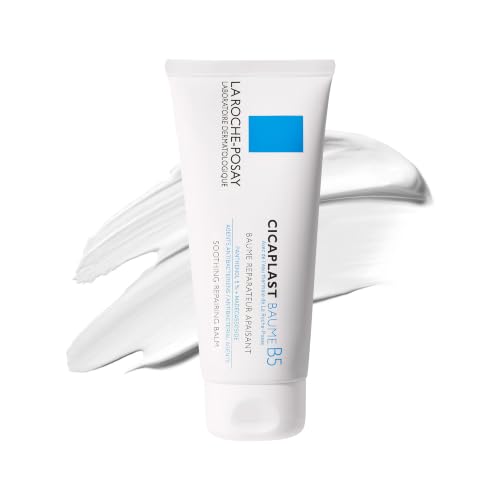
La Roche-Posay
Cicaplast Baume B5 Soothing Repair
moisturizer · 100 ml · 33 ingredients
- Fragrance-free
- No essential oils
- No drying alcohol
- No MI/MCI
- No menthol, camphor and witch hazel

Beauty of Joseon
Red Bean Water Gel
moisturizer · 99.9 ml · 58 ingredients
- Fragrance-free
- No essential oils
- No drying alcohol
- No MI/MCI
- No menthol, camphor and witch hazel
When to see a professional
Consult a dermatologist promptly when you first notice depigmented or white patches — an accurate diagnosis is essential because several conditions mimic vitiligo and require different treatment. Also see a dermatologist if: patches are spreading rapidly; quality of life or mental health is significantly affected; you are considering active treatment (phototherapy, ruxolitinib, or surgery); or to arrange screening for associated autoimmune conditions such as thyroid disease. Early treatment before extensive follicular melanocyte loss gives the best chance of meaningful repigmentation.
Frequently asked questions
What is the most effective vitiligo treatment available in 2026?
Treatment effectiveness depends on vitiligo type, location, duration, and the presence of follicular melanocytes within patches. For non-segmental vitiligo, ruxolitinib 1.5% cream (Opzelura) — the first FDA-approved topical repigmentation treatment, approved in 2022 — is a major advance, with around 30% of patients achieving 75% or more facial color restoration at 24 weeks. Narrowband UVB phototherapy remains an excellent first-line option for widespread disease, with marked response in over one-third of patients after 12 months. Combining NB-UVB with afamelanotide accelerates results. For stable segmental vitiligo, surgical melanocyte transplantation can produce highly successful, sustained repigmentation. A dermatologist can identify the most appropriate treatment for your specific pattern and stage of vitiligo.
Is vitiligo an autoimmune disease?
Yes. The scientific and medical consensus is that vitiligo is an autoimmune condition in which CD8+ cytotoxic T-cells selectively destroy melanocytes. The key molecular pathway — IFN-γ signalling through JAK1 and JAK2 — is directly targeted by ruxolitinib (Opzelura), the first FDA-approved vitiligo treatment. Around 20–30% of vitiligo patients have other autoimmune conditions, most commonly thyroid disease (5–15%). Genetic factors account for approximately 80% of vitiligo risk, with over 30 immune-related genes identified as susceptibility loci.
Does vitiligo spread, and can it be stopped?
Vitiligo can spread, but the course is unpredictable — some patients experience progressive disease, others have prolonged stability. Non-segmental vitiligo tends to progress slowly over years; segmental vitiligo typically spreads rapidly for 6–24 months and then stabilizes. Treatments including ruxolitinib cream and narrowband UVB can arrest active disease as well as promote repigmentation. Physical trauma — cuts, scrapes, sunburn, and friction — can trigger new patches via the Koebner phenomenon, making injury prevention and sun protection important for limiting spread.
Does vitiligo increase the risk of skin cancer?
No — despite the loss of melanin-based UV protection, multiple studies have found that vitiligo patients do not have an elevated risk of skin cancer in depigmented areas. Some research actually suggests a lower incidence of melanoma in vitiligo patients, possibly reflecting the immune system's heightened surveillance and destruction of aberrant melanocytes. However, depigmented skin has no melanin photoprotection and will burn very easily. Daily broad-spectrum SPF 30+ sunscreen on all exposed patches is essential to prevent sunburn and associated chronic UV damage.
Can children get vitiligo?
Yes. Vitiligo can develop at any age; around 50% of cases begin in childhood, and segmental vitiligo — the type that rapidly stabilizes — is more common in children than in adults. Children as young as toddlers can develop vitiligo. Management in children often favors topical calcineurin inhibitors (tacrolimus, pimecrolimus) over topical corticosteroids due to the lower risk of skin atrophy with long-term use. Narrowband UVB phototherapy is appropriate for children with more widespread disease. Ruxolitinib cream is approved from age 12.
What is the Koebner phenomenon in vitiligo?
The Koebner phenomenon is the development of new vitiligo patches at sites of skin injury or trauma — including cuts, sunburn, pressure, and wounds. It appears in a subset of vitiligo patients and is a clinically important sign: its presence suggests active, spreading disease and indicates that skin protection and injury avoidance are particularly important. Tattoos can trigger Koebner-phenomenon vitiligo, with new patches appearing within 10–14 days of tattooing. The AAD specifically advises vitiligo patients against getting tattoos for this reason.
Health information, not medical advice.
Beauty Comparison is an independent editorial publication. This page is researched and sourced to the authorities listed below, but it is general information — not a diagnosis or a substitute for personalised advice from a qualified doctor, dermatologist or pharmacist. If your symptoms are severe, spreading, painful, or not improving, see a healthcare professional.Sources
- 01Vitiligo: Diagnosis and Treatment — American Academy of Dermatology (AAD). AAD confirms ruxolitinib cream (Opzelura) as the only FDA-approved topical treatment to restore skin color in vitiligo; endorses topical corticosteroids, calcineurin inhibitors, and phototherapy; advises Wood's lamp for diagnosis; 30% of patients achieved 75% color restoration at 24 weeks in clinical trials.
- 02The Pathogenesis and Management of Vitiligo — PubMed Central / NIH, 2024-12-01. Vitiligo pathogenesis: oxidative stress (H₂O₂ accumulation, reduced catalase), autoimmune CD8+ T-cell attack, IFN-γ/JAK-STAT pathway; global prevalence 0.4–2%; genetic factors ~80% of risk; 23% twin concordance; NB-UVB first-line physical treatment; vitamin D receptor role in melanocyte function.
- 03Treatment Advances in Vitiligo: An Updated Review — PubMed Central / NIH, 2025-03-01. Ruxolitinib cream effective for repigmentation including acral sites at 24 weeks with continued improvement to week 52; ritlecitinib (oral JAK3 inhibitor) substantially outperformed placebo in F-VASI75 at 24 weeks in phase IIb; NB-UVB achieves >75% repigmentation after 12 months in responsive patients; excimer laser shows better repigmentation and faster results than NB-UVB in meta-analyses; afamelanotide + NB-UVB faster than NB-UVB alone.
- 04FDA Approves Ruxolitinib (Opzelura) for Vitiligo Therapy — PubMed Central / NIH, 2022-09-01. FDA approved ruxolitinib 1.5% cream on July 18, 2022, as the first topical pharmacologic treatment for non-segmental vitiligo aged 12+; mechanism: JAK1/2 inhibition suppressing IFN-γ/JAK-STAT pathway; applied twice daily; first home-use topical specifically approved for vitiligo repigmentation.
- 05Vitiligo: Causes, Types, and Treatment — DermNet NZ, 2023-01-01. Vitiligo defined as acquired chronic depigmenting disorder affecting 0.5–2% globally; types: non-segmental (>90% of adult cases), segmental (unilateral, stabilizes 6–24 months), mixed, unclassified; NB-UVB marked response ~36% at 12 months; thyroid disease in 5–15% of patients; Koebner phenomenon; differential diagnosis including tinea versicolor and post-inflammatory hypopigmentation; prognosis unpredictable.
- 06Vitiligo: Types, Symptoms, Causes, Treatment and Recovery — Cleveland Clinic. Vitiligo affects approximately 1% of global population; causes: autoimmune dysfunction, genetic factors (30+ genes, 30% hereditary), stress, environmental triggers; treatment options: corticosteroids, ruxolitinib, calcineurin inhibitors, phototherapy, PUVA, surgical grafting, depigmentation; SPF 30+ and daily moisturizer recommended; psychological support recommended.
- 07How to Care for Skin with Vitiligo — American Academy of Dermatology (AAD). AAD recommends broad-spectrum water-resistant SPF 30+ sunscreen applied 15 minutes before sun exposure and reapplied every 2 hours; avoid tanning as it increases contrast between natural skin and patches; camouflage options include waterproof makeup (lasts 1 day) and DHA self-tanners (last 3–5 days); avoid tattoos due to Koebner phenomenon risk.