How to Wear Matte Lipstick Without Drying Out Your Lips
The short answer
Prep with a petrolatum-based balm, let it absorb, blot, then apply matte lipstick.
Why Matte Lipstick Dries Out Lips: The Biology
Matte lipstick does not dry out all lips equally. Understanding why it dries some people's lips more than others starts with the structure of lip skin itself.
The vermilion — the colored zone of the lips — is a transitional zone between skin and mucous membrane with a uniquely thin stratum corneum: only 3–5 cell layers compared to 16 on the cheeks. Crucially, lip skin contains no sebaceous glands and no sweat glands. On normal skin, sebaceous glands produce sebum that lubricates, moisturizes, and protects the surface. Lips have none of this protection.
Research published in Scientific Reports (PMC9797544) quantified this vulnerability: transepidermal water loss (TEWL) from the lower lip vermilion runs almost three times higher than from the cheeks. Every hour you are awake, lips are losing more moisture than almost any other surface on your face, with no internal mechanism to compensate.
Matte lipstick compounds this in two ways:
- Low emollient content: Matte finishes require a high pigment-to-oil ratio. The reduced oil content means the formula provides very little of the moisture compensation that a satin or cream bullet would offer.
- Some film-forming agents in liquid mattes pull moisture: In liquid matte formulas, the curing polymer film can compete with the lip surface for residual moisture as the solvent evaporates.
The result is predictable: the longer a matte formula stays on lips that are already moisture-depleted, the more pronounced the dryness sensation becomes.
The solution is not to avoid matte lipstick. It is to compensate proactively, before, during, and after wear, for what matte formulas do not provide.
Step 1: Build a Consistent Exfoliation Routine (2–3 Times Per Week)
Flaking, dead lip skin is the primary cause of matte formula looking patchy and feeling uneven. Matte pigment catches in every crevice and dry patch, accentuating texture instead of providing smooth color.
A gentle lip scrub — granulated sugar mixed with a small amount of honey or balm, or a dedicated cosmetic lip scrub — applied in small circular motions for 30–60 seconds removes the dead cell layer and creates a smooth canvas.
How often: Two to three times per week is sufficient for most people. Daily scrubbing or harsh scrubbing damages the thin stratum corneum and makes dryness worse, not better.
Timing: Never scrub immediately before applying lipstick — this temporarily disrupts the surface and can make formula application more difficult. Exfoliate in the evening or at least an hour before application.
Step 2: Apply a Moisture-Locking Balm — and Choose It Carefully
The balm you apply before matte lipstick is doing two jobs: providing the emollient compensation that the formula itself will not, and reducing the rate at which moisture escapes from the lip surface during wear.
What to look for:
- Petrolatum (petroleum jelly): The most effective single ingredient for sealing moisture in lip skin. Studies in dermatology confirm it significantly reduces TEWL by forming a semi-permeable occlusive film. It is also non-irritating and non-sensitizing at cosmetic use concentrations.
- Glycerin: A humectant that draws water to the surface of the skin. Effective in combination with an occlusive like petrolatum.
- Ceramides: Structural lipids that support and restore the stratum corneum barrier. Look for ceramide NP, AP, or EOP on the ingredient list.
- Shea butter, jojoba oil, castor oil: Emollients that provide lubrication and comfort without heavy occlusion.
What to avoid as a pre-lipstick base:
- Menthol, eucalyptus, camphor: These counter-irritants cause a cooling sensation that many people read as moisture — but they are actually mild irritants that worsen the cycle of dryness and licking. Research on lip care recommends avoiding these in daily balms.
- Fragrances and flavor additives in high concentration: These can trigger lip-licking behavior and are a documented cause of contact cheilitis (lip inflammation) in sensitive individuals.
How to apply: Apply the balm in a thin layer across the full lip surface. Wait 3–5 minutes for it to absorb and the surface to settle. Blot the center lightly with a tissue — too much residue prevents the matte formula from adhering cleanly at the edges — while leaving the outer zones slightly moist to reduce tight feeling.
Step 3: Prep the Lip Surface
After the balm, two additional steps pay dividends:
A hydrating lip liner: Drawing a lip liner around and slightly inside the natural lip line creates a waxy scaffold that anchor the matte formula and reduces how much pigment-heavy product is needed to fill in the center. Less product means less formula drying the lip surface. Use a long-wearing, non-drying liner that matches or slightly deepens your lipstick shade.
Optional lip primer: A dedicated hydrating lip primer fills in fine lines in the lip surface and gives the matte formula an even surface to grip. The practical effect is smoother color, better pigment payoff with less product, and longer initial wear — meaning fewer reapplication cycles that would strip moisture further.
Step 4: Apply the Matte Lipstick in Thin Layers
Heavy application of matte lipstick — pressing the bullet or wand directly onto the lips and dragging — deposits too much pigment in a single layer, increases the feeling of tightness, and settles unevenly into lip surface texture.
The technique that works:
- Start with a lip brush (optional but recommended for liquid mattes). Apply from the center of the upper lip bow outward, then fill the lower lip center-to-corner.
- Build in thin layers. Two thin layers provide better coverage than one heavy application and sit more comfortably.
- For bullet mattes: apply, blot gently with a tissue, then apply a second thin coat. The blotting step removes surface emollients that would otherwise reduce wear, and the second coat bonds directly to the pigment-stained surface — more durably and with a truer matte finish.
- For liquid mattes: apply the wand in one even stroke per section; do not reapply before the first coat has set (1–2 minutes). A second coat over a set first coat can be applied once the film is fully dry.
Step 5: Manage Dryness During Wear
Even with excellent preparation, some people find matte formulas become uncomfortable after 3–4 hours of continuous wear — especially in air-conditioned or heated environments that accelerate moisture loss.
During the day:
- Do not lick your lips. Saliva evaporates almost immediately, leaving the surface more dehydrated than before. This is one of the most common drivers of the dry-matte-lip cycle.
- Sip water, don't coat your lips. Drinking through a straw preserves the formula while maintaining hydration.
- Targeted gloss in the center: If wearing a bullet matte or a long-wear formula that still moves (not a fully set liquid), applying a tiny dab of a clear conditioning gloss to the very center of the lips adds comfort without disrupting the matte perimeter. This technique works best with bullet mattes; it can redissolve some liquid matte films.
Step 6: Remove Properly and Treat Overnight
How you remove matte lipstick and what you do afterward are as important as the preparation.
Removal:
- Soak a cotton pad with micellar oil, an oil-based cleanser, or a cleansing balm. Hold it against the lips for 15–20 seconds before wiping — this dissolves the formula (especially polymer-based liquid mattes) rather than dragging it across the lip surface.
- Avoid dry wiping or rubbing with a dry cloth. The friction on the thin stratum corneum causes micro-damage over time.
Overnight treatment:
Apply a nourishing balm or overnight lip mask after cleansing every night you have worn matte lipstick. The best overnight ingredients are:
- Petrolatum or lanolin: Heavy occlusives that prevent overnight TEWL. Research in dermatological wound care confirms petrolatum as the most effective over-the-counter moisture barrier available.
- Vitamin E (tocopherol): Antioxidant and emollient; supports barrier repair.
- Hyaluronic acid (in a balm base): Attracts water to the surface; most effective when sealed with an occlusive over it.
- Ceramide complexes: Restore the structural lipids in the stratum corneum; particularly useful for people who wear matte lipstick daily.
Choosing a Formula That Works with Your Lips
Not all matte lipsticks are equally drying. Newer formulas — particularly those marketed as "hydrating matte" or "comfortable matte" — incorporate conditioning agents directly into the pigment base:
- Hyaluronic acid and its esters in the wax or oil phase
- Vitamin E esters that survive the polymer curing process in liquid formulas
- Jojoba oil or marula oil in bullet formulas at higher concentrations
- Peptides in some premium ranges
These do not transform a matte into a satin, but they meaningfully reduce the drying effect. If you wear matte lipstick daily and find preparation is never quite enough, testing a conditioning-matte hybrid formula from a different brand is a practical next step before abandoning the finish entirely.
Finish to try if matte is always uncomfortable: A matte-satin hybrid (sometimes called "velvet" or "velour") delivers a near-flat finish with noticeably more emollient content and a slightly softer look. It will not last as long as a full matte and will transfer more, but for everyday wear it solves the comfort problem without completely abandoning the aesthetic.
Building Long-Term Lip Health
The most effective long-term strategy is consistent evening care. Two to four weeks of nightly petrolatum or ceramide-based balm application brings lips to a baseline hydration level that changes how all matte formulas perform. Lips that are chronically dehydrated feel tight in the first hour; lips in good baseline condition may not notice the matte formula at all until late afternoon.
The principle is the same one dermatologists apply to other dry skin conditions: the barrier has to be healthy before topical treatments are expected to behave optimally on it.
Step by step
- 1
Exfoliate lips 2–3 times per week
Use a gentle lip scrub (sugar and balm, or a cosmetic lip scrub) in small circular motions for 30–60 seconds to remove flaking dead skin. Never scrub immediately before applying lipstick and never scrub daily — the stratum corneum on lips is only 3–5 cell layers thick and over-exfoliation damages it. Exfoliate the evening before or at least one hour before application.
- 2
Apply a moisture-locking balm — and let it absorb
Apply a thin layer of a petrolatum-, ceramide-, or glycerin-based balm across the full lip surface. Wait 3–5 minutes for it to absorb. Avoid balms containing menthol, eucalyptus, or camphor — these irritants worsen the dryness cycle. Once absorbed, blot the center lightly with a tissue so the matte formula adheres cleanly at the edges.
- 3
Line and prime (optional but effective)
Draw a hydrating lip liner around the natural lip line. This creates an anchor for the matte formula, reduces how much heavy pigment you need to apply (less product = less drying effect), and sharpens the edge. A dedicated hydrating lip primer applied across the full lip surface further smooths texture and improves color payoff.
- 4
Apply matte lipstick in thin layers
Use a lip brush for precision and start from the center of each lip, working outward. Build color in two thin layers rather than one heavy application. For bullet mattes: apply, blot gently with a tissue, then apply a second coat. For liquid mattes: allow the first coat to fully set (1–2 minutes) before applying a second. Thin, even layers sit more comfortably and look smoother than heavy single applications.
- 5
Manage moisture during wear — do not lick your lips
Saliva evaporates almost immediately and leaves the lip surface more dehydrated than before. Sip water through a straw where possible to preserve the formula. If the formula becomes uncomfortable after several hours, a small dab of a clear conditioning gloss to the center of the lips adds comfort. Do not reapply liquid matte over patchy wear — remove with an oil-based cleanser and reapply from clean lips.
- 6
Remove with an oil-based cleanser
Saturate a cotton pad with micellar oil, a cleansing oil, or a balm-type remover and hold against the lips for 15–20 seconds before wiping. This dissolves the formula rather than abrading the lip surface. Dry wiping or scrubbing damages the thin stratum corneum over time. Rinse gently and pat dry.
- 7
Apply an overnight nourishing treatment every night
After removing matte lipstick, apply a petrolatum- or ceramide-rich overnight balm or lip mask. Leave it on while sleeping. Consistent nightly treatment for 2–4 weeks significantly improves baseline lip hydration, making matte formulas more comfortable from the first application of the day.
Products that fit this guide
Picked by code from each product's full ingredient list.

Burt's Bees
Honey Lip Balm
lip balm · 4.25 g · 10 ingredients
- Fragrance-free
- No essential oils
- With vitamin e

Catrice
Care In Colours Lip Balm
lip balm · 3 g · 12 ingredients
- Fragrance-free
- No essential oils
- With shea butter
- With titanium dioxide
- With vitamin e
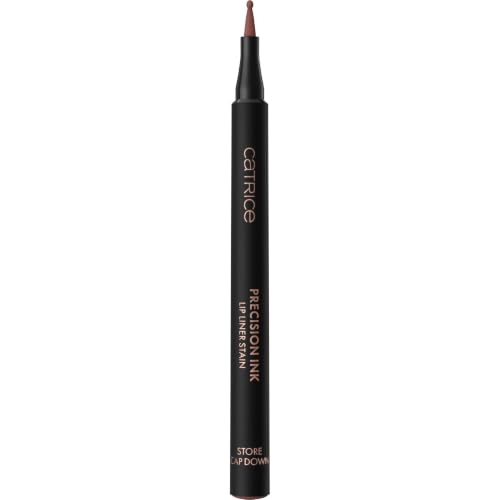
Catrice
Precision Ink Lip Liner Stain
lipstick · 1 ml · 16 ingredients
- Fragrance-free
- No essential oils
- With hyaluronic acid
- With glycerin

La Roche-Posay
Cicaplast Lip Balm
lip balm · 7.5 ml · 15 ingredients
- Fragrance-free
- No essential oils
- With panthenol
- With shea butter
Frequently asked questions
What does current evidence say about matte lipstick and lip health in 2026?
Matte lipstick does not cause lasting harm to lip skin under normal use, but it does not support lip hydration the way emollient-rich formats do. A 2022 study in Scientific Reports (PMC9797544) confirmed that lip skin has nearly three times the transepidermal water loss of cheek skin and no sebaceous glands to compensate — meaning any formula with low emollient content will compound the lips' natural moisture challenge. Dermatological consensus recommends a consistent barrier-support routine (petrolatum or ceramide-based care) for people who wear matte formats regularly, rather than avoiding the finish entirely.
Why does petrolatum work better than most lip balms for pre-lipstick prep?
Petrolatum is a highly effective occlusive: it forms a semi-permeable film on the skin surface that significantly slows transepidermal water loss without blocking oxygen exchange. Dermatological research consistently shows it reduces TEWL more effectively than most cosmetic alternatives, including many fragrance-laden 'moisturizing' balms. Fragranced, menthol-containing, or medicated balms can trigger irritation or licking behavior that worsens dryness. Pure petrolatum or a balm where petrolatum is the first ingredient is the most evidence-backed pre-lipstick moisture base.
Can I apply matte lipstick over a balm without it sliding off?
Yes, if you allow the balm to absorb and then blot the center of your lips lightly with a tissue. This removes excess surface slip while retaining the moisture that has absorbed into the lip surface. A lip liner underneath the matte formula also acts as an anchor. The most common mistake is applying the balm immediately before the lipstick without waiting — the residual slip causes the formula to move, bleed at the edges, and not adhere properly.
How do I fix matte lipstick once it starts looking dry and cracked mid-day?
Do not apply more product over the cracked area. Instead, gently press a clean fingertip to the affected area and blend toward the center to soften the dry edges; this often resolves minor cracking without full removal. For more significant dryness, remove the lipstick completely with an oil-based pad, apply a thin balm layer, let it absorb briefly, and reapply from clean. For liquid mattes in particular, partial reapplication over worn product tends to flake — a full remove-and-redo is always the cleaner option.
Are there matte lipstick formulas that do not dry out lips?
Some modern 'comfortable matte' or 'hydrating matte' formulas incorporate hyaluronic acid derivatives, vitamin E esters, jojoba oil, or ceramide precursors directly into the pigment base. These meaningfully reduce the drying effect compared to a standard matte — though they do not match the comfort of a satin or cream formula. They also tend to wear slightly less long than a pure matte. If you find standard mattes chronically uncomfortable even with preparation, testing a conditioning-matte hybrid is a reasonable next step before abandoning the finish.
Why do my lips look more chapped after I stop wearing matte lipstick?
If lips look worse after removing a matte formula, the most likely cause is cumulative moisture loss during wear (the formula drew water from the surface) combined with friction from removal. Dry-wiping or abrasive removal compounds this. The fix is consistent overnight treatment: petrolatum or a ceramide-rich balm applied every night creates the barrier repair that progressively restores baseline hydration. Two to four weeks of consistent nightly care typically reverses this pattern even with continued daytime matte wear.
Sources
- 01Analysis of Clinical Presentations, Lip Transepidermal Water Loss and Associated Dermatological Conditions in Patients with Chronic Cheilitis — PubMed Central / Scientific Reports (Nature), 2022-12-28. Lip TEWL is almost three times higher than cheek TEWL; the vermilion stratum corneum is devoid of sebaceous and salivary glands, making lip skin structurally vulnerable to dehydration — the biological basis for why matte formulas feel drying.
- 02Formulation and Evaluation of Alternative to Beeswax for Vegan Lipsticks — PubMed Central / PMC12319492, 2025-01-01. Castor oil is the dominant emollient in bullet lipstick and the primary reason satin/cream bullets feel more hydrating than matte formulas with their lower emollient-to-pigment ratio.
- 03Optimization of Natural Lipstick Formulation Based on Pitaya Seed Oil Using D-Optimal Mixture Design — PubMed Central / MDPI Cosmetics, 2018-12-01. Emollient content (castor oil, plant oils) is the primary determinant of lip comfort in bullet formulas; higher oil-to-wax ratios produce more comfortable, less occlusive products.
- 04Preparation, Characterization and Evaluation of Organogel-Based Lipstick Formulations — PubMed Central / MDPI Cosmetics (PMC8293262), 2021-07-01. Matte finish correlates with higher hardness and pigment concentration; glossy finish with higher oil content; the wax-to-oil balance directly predicts the drying potential of a formula.