Liquid Lipstick vs Bullet Lipstick: Which Lasts Longer?
The short answer
Liquid lipstick lasts significantly longer — typically 8–12 hours vs. 3–4 hours.
The Fundamental Difference: Chemistry, Not Format
The question "which lasts longer?" has a clear, chemically grounded answer: liquid lipstick lasts longer, and by a meaningful margin. But the more useful question is why — because understanding the mechanism explains the trade-offs and tells you when each formula wins.
Bullet lipstick is a semi-solid matrix of waxes, oils, and emollients that holds pigment in suspension. It is applied as a soft solid that melts slightly at lip temperature (around 37°C), smears to a colored film, and stays on the lip surface as long as friction, heat, and contact allow. There is no curing, no bonding, no chemical change after application. Its behavior after application is entirely physical.
Liquid lipstick is an entirely different system. It suspends high-concentration pigment in a volatile solvent — usually isododecane — along with film-forming polymers. Within 1–2 minutes of application, the solvent evaporates completely, leaving the pigment particles locked inside a thin polymer film that adheres to the lip surface. This curing process changes the formula's behavior fundamentally: the film is no longer a soft emollient that can smear. It is a set coating.
Wear Time: The Numbers
Published claims from cosmetic brands and industry analyses consistently find:
- Liquid lipstick (matte): 8–12 hours of continuous wear without significant fading or transfer under typical daily conditions (eating, drinking, normal face movements).
- Bullet lipstick: 3–4 hours before a visible touch-up is needed; shorter with food or drinks; potentially longer with a liner base and powdering.
These numbers are real-world ranges, not laboratory maximums. Eating an oily meal, drinking coffee, or wearing a face covering can shorten both significantly — but liquid formulas recover more evenly because the remaining film resists partial transfer.
What Drives Liquid Lipstick's Longevity
Two classes of film-forming ingredient do the heavy lifting:
Acrylates copolymer: A flexible, breathable synthetic polymer that bonds to the lip surface when its solvent evaporates. Creates a durable film that resists smudging and friction.
Trimethylsiloxysilicate (TMS): A silicone-based resin that adds heat resistance and humidity resistance to the film. Silicone film formers outperform purely acrylic systems in high-temperature and high-humidity conditions — relevant for summer wear or active use.
Research into transfer-resistant cosmetic technology documents that the combination of volatile hydrocarbon solvents (isododecane) with silicone and acrylic film formers was the foundational innovation behind long-wear lip color, developed from the mid-1990s onward and refined significantly in the 2000s–2010s.
What Limits Bullet Lipstick's Longevity
Bullet formulas, conversely, have no mechanism to prevent transfer. The wax-and-oil matrix that makes them comfortable is exactly what makes them impermanent: oils reduce friction and the softened wax slides. Beeswax melts completely around 62–65°C; lip temperature is well below this, but body warmth softens the formula enough that friction from eating, drinking, and lip movement wears the film away progressively.
Techniques that extend bullet wear — a waxy lip liner as a base, pressing in and blotting, setting with translucent powder — are all attempts to introduce some of the adhesion and film-stability that liquid formulas provide by design.
Comfort: Where Bullet Lipstick Wins
The most consistent criticism of long-wear liquid formulas is dryness. This is not subjective; it has a structural explanation.
Lip skin has no sebaceous glands and no sweat glands, meaning it produces no sebum and no sweat to buffer moisture loss. A study published in Scientific Reports (PMC9797544) measured transepidermal water loss (TEWL) on the lower lip vermilion and found it runs almost three times higher than on the cheeks. This already-compromised moisture situation is made worse by polymer-heavy liquid formulas with minimal emollient content: the cured film does not provide the hydration that the lip surface would receive from a balm or emollient-rich bullet.
Bullet lipsticks, particularly satin and cream finishes, are formulated with castor oil (often the single largest ingredient by weight), additional emollient esters, and conditioning agents. These ingredients do exactly what lip skin needs: they compensate for the lack of natural oils and reduce transepidermal water loss while the product is on.
Practical result: Most people with dry, chapped, or mature lips find bullet formulas more comfortable for all-day wear. People with naturally well-moisturized lips, or those who prepare with a balm before applying liquid formula, report less of a difference.
Application and Touch-Up: Different Rules
Bullet Lipstick Application
- Apply directly from the bullet or use a lip brush for precision.
- Layer over existing color for touch-ups without removing first.
- Pair with a matching or slightly deeper liner to define the border and extend wear.
- Blotting after the first application and reapplying builds opacity and modestly extends longevity.
Liquid Lipstick Application
- Apply from the wand applicator in the center first, then draw toward the corners.
- Wait for the solvent to fully evaporate (1–2 minutes) before closing lips — contact before setting causes smudging at the inner edge.
- Touching up over worn liquid is problematic. As the polymer film wears away unevenly, a second coat over dry patches often flakes. The correct approach is to fully remove with an oil-based cleanser and reapply.
- A lip liner underneath provides a scaffold and catches any application imprecision at the edges.
Transfer Resistance: A Clear Win for Liquid
Transfer-resistance is the single domain where liquid lipstick has no real competition from bullet formats. The set polymer film resists mechanical transfer onto cups, clothing, and partners. Bullet formulas transfer immediately — detectable on a coffee cup from the first sip.
This matters practically for:
- Long events where touch-up is inconvenient (weddings, presentations, long-haul flights)
- Eating and drinking without visible lip color loss
- Face mask use (liquid transfers minimally; bullet transfers immediately and completely)
- Photography — bullet formulas can transfer onto collars, props, or other people and show in photos
Removal: Bullet is Easier
Removing liquid lipstick — especially long-wear polymer formulas — requires an oil-based makeup remover or a micellar oil. The same polymer film that resists transfer during wear resists water-based cleansing. Scrubbing dry is ineffective and damages lip skin.
Bullet lipstick dissolves easily with micellar water, a damp cloth, or a gentle oil. Any standard makeup remover is sufficient.
Cost and Availability Considerations
Bullet lipstick is the older and more widely available format, represented across every price point from drugstore to luxury. Liquid lipstick expanded from the indie/drugstore market (Kylie, NYX, ColourPop) into luxury and professional brands from approximately 2015 onward.
Price is not a reliable guide to performance within either category. Drugstore long-wear liquid formulas frequently outperform luxury products on wear time in independent testing; luxury formats typically invest their premium in ingredient quality, comfort-enhancing additives, and packaging precision.
Comparison Summary
| Factor | Liquid Lipstick | Bullet Lipstick |
|---|---|---|
| Wear time | 8–12 hours | 3–4 hours |
| Transfer resistance | Very high (cured polymer film) | Low (wax-oil matrix) |
| Comfort / hydration | Lower (minimal emollients) | Higher (castor oil, emollients) |
| Touch-up ease | Difficult (must remove first) | Easy (re-apply over existing color) |
| Application precision | Moderate (wand; liner recommended) | High (solid form; brush optional) |
| Removal | Requires oil-based remover | Any standard remover |
| Finish variety | Predominantly matte | Matte, satin, gloss, metallic |
| Best occasion | Long events; mask-wearing; no touch-up | Daily wear; comfort priority; frequent touch-up |
Who Should Choose What
Liquid lipstick is the better choice if:
- You need color to last through a full day, event, or meal without reapplication
- You are mask-wearing throughout the day
- Transfer onto clothing, props, or partners is a concern
- You have time to prepare lips with moisture beforehand and a clear routine for removal
Bullet lipstick is the better choice if:
- You want comfortable all-day wear without preparation
- You prefer the option to touch up easily on the go
- You have dry or mature lips that feel tight in long-wear formulas
- You value a wider range of finishes and layering flexibility
Hybrid formulas — bullets engineered with film-former blends, or liquids with added conditioning emollients — are an increasingly viable middle option. They do not yet match the extremes (an 8-hour liquid matte vs. a deeply nourishing satin bullet), but they cover the majority of use cases with acceptable compromise on both dimensions.
Products that fit this guide
Picked by code from each product's full ingredient list.

Burt's Bees
Honey Lip Balm
lip balm · 4.25 g · 10 ingredients
- Fragrance-free
- No essential oils
- With vitamin e

Catrice
Care In Colours Lip Balm
lip balm · 3 g · 12 ingredients
- Fragrance-free
- No essential oils
- With shea butter
- With titanium dioxide
- With vitamin e
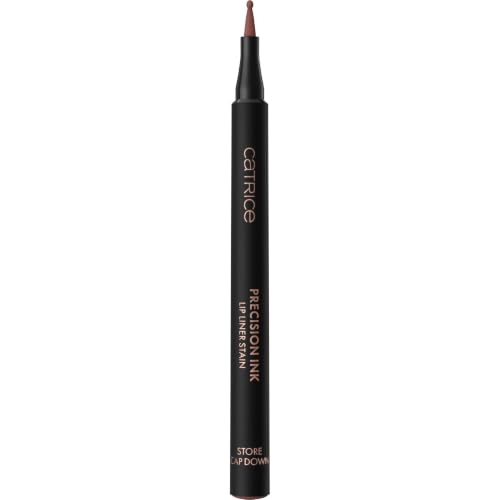
Catrice
Precision Ink Lip Liner Stain
lipstick · 1 ml · 16 ingredients
- Fragrance-free
- No essential oils
- With hyaluronic acid
- With glycerin

La Roche-Posay
Cicaplast Lip Balm
lip balm · 7.5 ml · 15 ingredients
- Fragrance-free
- No essential oils
- With panthenol
- With shea butter
Frequently asked questions
Is liquid lipstick better than bullet lipstick in 2026?
Neither is categorically better — they are formulated for different use cases. Liquid lipstick is better for longevity and transfer resistance; bullet lipstick is better for comfort, ease of touch-up, and finish variety. The current trend in formulation is convergence: liquid formulas are gaining conditioning emollients that reduce dryness, and bullet formulas are incorporating film-formers that extend wear. The right choice depends on how long you need the color to last, your lip's moisture condition, and whether you are willing to do the preparation (moisture base before) and removal (oil-based cleanser after) that long-wear liquids require.
Why does liquid lipstick dry out my lips more than bullet lipstick?
Bullet lipsticks contain castor oil and emollient esters as primary ingredients — often more than half the formula by weight — which compensate for lips' natural lack of sebaceous glands. Liquid lipsticks rely on film-forming polymers in a volatile solvent; once the solvent evaporates, the remaining film contains minimal emollients and may draw residual moisture from the lip surface. Lip skin loses water at almost three times the rate of cheek skin even without product on it (PMC9797544). Applying a petrolatum- or ceramide-based balm before liquid lipstick, allowing it to absorb, and then applying on top creates a moisture buffer that reduces this effect noticeably.
Can I touch up liquid lipstick over existing wear?
Not cleanly, as a rule. As liquid lipstick wears unevenly — typically fading from the center where friction is highest — re-applying a coat over the patchy remainder tends to result in flaking, as fresh solvent partially redissolves the older set film. The recommended approach is to remove all remaining product with an oil-based cleanser, apply a fresh moisture base, and reapply from clean lips. If you know touch-ups will be necessary, a bullet formula or a stain with a gloss topper is operationally easier.
Does bullet lipstick transfer onto masks?
Yes — almost entirely. The wax-oil matrix of a bullet formula transfers on contact with any fabric or surface, including surgical and cloth face masks. A liquid lipstick with a set polymer film transfers minimally and is the practical choice if face-mask wearing is part of your day. Satin and gloss bullets are the worst transferers; matte bullets are slightly better but still transfer significantly compared to any long-wear liquid.
How do I remove long-wear liquid lipstick without damaging my lips?
Use an oil-based makeup remover, cleansing balm, or micellar oil — not water or wiping dry. Saturate a cotton pad or swab, hold it against the lip for 15–30 seconds to dissolve the polymer film, then gently wipe away. Scrubbing without first dissolving the film damages the already-fragile lip stratum corneum. After removal, apply a nourishing balm or overnight lip treatment to restore the moisture that the formula and removal process may have reduced.
Sources
- 01Analysis of Clinical Presentations, Lip Transepidermal Water Loss and Associated Dermatological Conditions in Patients with Chronic Cheilitis — PubMed Central / Scientific Reports (Nature), 2022-12-28. Lip TEWL is almost three times higher than cheek TEWL; the vermilion lacks sebaceous and salivary glands, making lips structurally prone to dryness — the biological basis for why emollient-free long-wear liquids feel tight.
- 02Optimization of Natural Lipstick Formulation Based on Pitaya Seed Oil Using D-Optimal Mixture Design — PubMed Central / MDPI Cosmetics, 2018-12-01. Castor oil is the primary emollient in bullet lipstick (up to ~39% of formula); beeswax, carnauba, and candelilla provide the structural matrix at 15–25%; no polymer film-forming system is present in traditional bullet formulas.
- 03Two Decades of Transfer-Resistant Lipstick — Cosmetics & Toiletries. Film-forming polymers (acrylate copolymers, trimethylsiloxysilicate) in volatile solvents (isododecane) are the foundational technology behind transfer-resistant long-wear liquid lipstick, developed from the mid-1990s onward.
- 04Formulation and Evaluation of Alternative to Beeswax for Vegan Lipsticks — PubMed Central / PMC12319492, 2025-01-01. Castor oil is the dominant emollient and pigment-wetting agent in traditional bullet lipstick; compatibility studies confirm it as the principal oil phase in wax-structured formulas.
- 05Preparation, Characterization and Evaluation of Organogel-Based Lipstick Formulations — PubMed Central / MDPI Cosmetics (PMC8293262), 2021-07-01. Lipstick hardness, stiffness, and glossy appearance are inversely related; higher oil content produces glossier, softer sticks with lower transfer resistance; wax content sets structural integrity.