How to Get Rid of Ingrown Hairs: Prevention & Treatment
The short answer
Get rid of ingrown hairs by exfoliating regularly with salicylic or glycolic acid and improving.
What Is an Ingrown Hair?
An ingrown hair is a strand of hair that grows back into the skin rather than upward and outward through the follicle opening. After shaving, waxing, threading, or tweezing, the shortened hair tip can curve and re-penetrate the skin surface or be trapped under a layer of dead skin cells, growing sideways within the dermis.
The body identifies the trapped hair as a foreign body and mounts an inflammatory response — the same reaction it would mount to a splinter. This produces the hallmark cluster of symptoms: a raised, often tender bump (papule or pustule), redness, itching, and sometimes a visible coiled hair beneath the skin surface.
The clinical term for chronic ingrown hairs, particularly in the beard zone, is pseudofolliculitis barbae (PFB) — sometimes called razor bumps. When it occurs in the pubic region and bikini area, it may be called pseudofolliculitis pubis. The condition is the same regardless of anatomical location.
Why Ingrown Hairs Form: The Mechanism
Two distinct mechanisms produce ingrown hairs:
Transfollicular penetration: The hair exits the follicle normally but curves back around and re-enters the skin at an adjacent point. This is most common with tightly coiled hair (naturally curly or coarse hair textures).
Extrafollicular penetration: The hair is cut short and sharpened by shaving. The sharp angled tip then grows laterally and pierces the follicle wall or nearby skin from the side, becoming trapped beneath the surface.
In both cases, once the hair tip is within the dermis, the immune system treats it as a foreign invader — triggering the inflammatory cascade that produces redness, swelling, pus, and pain.
Who Is Most Affected?
Hair texture is the dominant biological risk factor. Tightly coiled or curly hair exits the follicle at a sharper angle and curves more aggressively than straight hair, making it far more likely to re-enter the skin.
- Black men experience the highest prevalence of pseudofolliculitis barbae — estimated at 45–80%, driven primarily by the tighter curl patterns common in this population. Genetic factors including keratin K6hf mutations further increase susceptibility.
- Women with curly or coarse hair frequently experience ingrown hairs on the legs, bikini area, and underarms.
- People who shave frequently — regardless of hair texture — are at higher risk because shaving creates a sharp angled hair tip and removes the surface cells that might otherwise guide hair outward.
- Anyone wearing tight clothing over shaved areas (compression shorts, tight underwear, fitted trousers) — friction and occlusion can force re-growing hair back into the skin.
Symptoms
| Symptom | Description |
|---|---|
| Raised papule or pustule | A red, pink, or flesh-colored bump at a hair follicle site |
| Itching | Often intense; the foreign body reaction drives pruritus |
| Tenderness or pain | Particularly in infected or deep ingrown hairs |
| Visible coiled hair | The ingrown hair is sometimes visible beneath the skin surface |
| Pus | A white or yellow center indicates a secondary pustule or minor infection |
| Post-inflammatory hyperpigmentation (PIH) | Dark marks left after the bump resolves, particularly in darker skin tones |
| Scarring | In severe, recurrent, or infected cases |
Distinguish ingrown hairs from folliculitis (broader bacterial or fungal infection of multiple follicles), which may require different treatment.
Prevention: The Most Effective Approach
Prevention dramatically outperforms reactive treatment. The key is eliminating the conditions that allow hair tips to re-enter skin.
Chemical Exfoliation (Most Effective Ongoing Prevention)
Regular exfoliation removes the buildup of dead skin cells that trap re-growing hairs beneath the surface. Chemical exfoliants outperform physical scrubbing because they dissolve intercellular bonds rather than causing micro-tears that worsen inflammation.
- Salicylic acid (BHA, 1–2%): A beta-hydroxy acid that is oil-soluble and penetrates into follicles to clear blockages and reduce inflammation. Particularly effective for ingrown hairs in follicle-dense areas (bikini line, underarms). Use 2–3 times per week.
- Glycolic acid (AHA, 5–10%): An alpha-hydroxy acid that exfoliates the skin surface, thinning the layer that can trap re-growing hairs. Works well on legs and body surfaces. Use 2–3 times per week.
- Combined AHA + BHA: Both acids address ingrown hairs from different angles — AHA resurfaces, BHA penetrates follicles. Products combining both are suitable for body areas where ingrown hairs are chronic.
Introduce chemical exfoliants gradually — start at once or twice per week. Applying too frequently before skin is adapted causes dryness and irritation without additional benefit.
Shaving Technique Improvements
Shaving creates the sharp angled hair tips that drive ingrown hair formation. These technique adjustments reduce the incidence significantly:
- Wet the skin thoroughly first — at least 2–3 minutes of warm water exposure softens the hair shaft and raises it slightly, producing a cleaner cut.
- Apply shaving gel or cream — reduces friction and keeps hairs upright during the stroke.
- Shave in the direction of hair growth — not against it. Shaving against the grain produces the sharpest hair tips and the greatest risk of transfollicular re-entry.
- Use a sharp, single-blade razor — multi-blade razors pull the hair out slightly before cutting, depositing the tip below the skin surface. A single sharp blade cuts the hair at the skin surface cleanly.
- Do not stretch the skin during shaving — stretched skin releases after the shave and draws the shortened hair tip below the surface.
- Rinse the blade after every stroke — clogged blades drag and catch rather than cutting cleanly.
- Replace blades frequently — dull blades require more pressure, increasing the likelihood of follicular trauma.
Waxing, Threading, and Alternative Methods
Waxing removes hair from the root, which can produce a finer, softer re-growth tip — potentially less prone to piercing the skin than a shaved tip. However, improper waxing technique can break hair mid-shaft, leaving a sharp tip at the follicle opening. Ensure hair is the correct length (about 6mm) before waxing.
Depilatory creams (chemical hair removal): Dissolve the hair shaft at the skin surface. The resulting rounded, soft tip is less likely to re-enter the skin than a shaved edge. A useful alternative for ingrown hair-prone areas.
Electric razor: Leaves slightly longer hair stubs than a blade; may reduce ingrown hairs in some people but can increase them in others — individual response varies.
Treatment: Active Ingrown Hairs
Step 1 — Do Not Pick, Squeeze, or Dig
Squeezing or picking an ingrown hair creates an open wound that allows bacteria to enter, increasing the risk of true infection, secondary scarring, and post-inflammatory hyperpigmentation. The reflex to extract the hair is understandable but counterproductive.
Step 2 — Warm Compress
Apply a clean warm (not hot) compress to the area for 10–15 minutes. This softens the skin, reduces inflammation, and may encourage the trapped hair to rise closer to the surface. Repeat 2–3 times daily for non-infected ingrown hairs.
Step 3 — Gentle Exfoliation
Use a salicylic acid or glycolic acid product on the area 2–3 times per week. This helps clear the overlying skin cells, giving the hair a path to exit naturally without requiring extraction.
Step 4 — Careful Release (Only When Hair Is Visible)
If the hair is clearly visible just beneath the skin surface — appearing as a coiled hair with no overlying pus or expanding redness — a sterile needle or sterile-tipped tweezers can gently lift the hair end above the skin surface. Do not pull the hair out entirely; simply free the trapped tip so it can grow outward. Sterilize instruments with alcohol before use.
Do not attempt extraction if:
- The area is red, hot, and expanding (possible infection)
- The hair is deep below the skin surface
- There is a pustule with yellow pus that suggests secondary infection
Topical Medical Treatments
For frequent, severe, or persistent ingrown hairs, a dermatologist may recommend or prescribe:
- Topical retinoids (tretinoin): Speed up skin cell turnover, thinning the cell layer that traps ingrown hairs. Also help fade post-inflammatory hyperpigmentation marks.
- Topical corticosteroids (hydrocortisone 1% OTC or prescription-strength): Reduce the inflammatory response around the trapped hair, decreasing redness, swelling, and itching.
- Topical antibiotics (clindamycin, erythromycin) or benzoyl peroxide: Used when secondary bacterial infection is present or when pseudofolliculitis barbae is accompanied by significant follicular papules and pustules.
- Salicylic acid or glycolic acid preparations (prescription-strength): Stronger than OTC versions for resistant cases.
Laser Hair Removal: The Permanent Solution
For people with recurrent, chronic ingrown hairs — particularly those with pseudofolliculitis barbae — laser hair removal offers the only genuinely permanent solution. By destroying the hair follicle at the root, laser eliminates the source of ingrown hairs in treated areas.
Clinical evidence supports laser epilation as effective for pseudofolliculitis barbae, with improvement sustained beyond 6 months when multiple treatment sessions are completed. The Nd:YAG laser (1064nm) is the safest and most effective option for darker skin tones, as it bypasses the melanin in the epidermis to target the follicle directly.
Multiple sessions (typically 6–8) are required for meaningful long-term reduction, as hair grows in cycles and only follicles in active growth phase are destroyed per session. Results are permanent in treated follicles but do not prevent future ingrown hairs in untreated areas.
Electrolysis — permanent hair removal via electrical current destroying individual follicles — is also an option and the only FDA-cleared method for permanent hair removal. It is more time-intensive than laser for large areas.
Post-Inflammatory Hyperpigmentation from Ingrown Hairs
In people with medium to deep skin tones, resolved ingrown hairs frequently leave dark marks (PIH) that can persist for months. These are not scars — they are melanin deposits from the inflammatory process — but they can be as visually significant as the original bumps.
Treatments that help fade PIH from ingrown hairs:
- Vitamin C (L-ascorbic acid or derivatives): Inhibits tyrosinase, the enzyme driving melanin production
- Niacinamide: Reduces melanin transfer to skin cells; also supports barrier function
- Topical retinoids: Accelerate cell turnover, removing pigmented cells faster
- Azelaic acid: Both antibacterial and tyrosinase-inhibiting; useful if active ingrown hairs and PIH are both present
- Broad-spectrum SPF daily: UV exposure darkens PIH significantly; sunscreen is a non-negotiable PIH management tool
Ingrown Hair vs. Folliculitis vs. Other Conditions
| Condition | Appearance | Cause | Treatment |
|---|---|---|---|
| Ingrown hair | Single papule/pustule with visible hair | Trapped re-growing hair | Exfoliation, technique, topical retinoids |
| Bacterial folliculitis | Multiple pustules, often uniform | Staph infection | Topical or oral antibiotics |
| Fungal folliculitis (Malassezia) | Itchy monomorphic papules | Yeast overgrowth | Antifungal treatment |
| Epidermoid cyst | Firm, round lump, slow-growing | Blocked pore, keratin accumulation | Dermatologist assessment; excision if needed |
| Hidradenitis suppurativa | Deep, recurrent nodules in skin folds | Inflammatory follicular disorder | Dermatologist; systemic treatment |
If bumps do not respond to standard ingrown hair treatment within 4–6 weeks, or if the pattern (many follicles affected, uniform appearance, or location in skin folds) suggests a different diagnosis, see a dermatologist.
When to See a Dermatologist
Most ingrown hairs resolve on their own or with consistent OTC exfoliation and technique correction. See a dermatologist if:
- An ingrown hair shows signs of infection: expanding redness, increasing pain, warmth, fever, or the bump is growing rapidly
- You have pseudofolliculitis barbae causing significant scarring or post-inflammatory hyperpigmentation
- Ingrown hairs are recurrent and affecting quality of life
- You are considering laser hair removal and want to discuss the best options for your skin tone and hair type
- You are uncertain whether bumps are ingrown hairs or another condition (folliculitis, cyst, hidradenitis suppurativa)
- Ingrown hairs are leaving permanent or worsening scars
Products that fit: razor bumps
Picked by code from each product's full ingredient list.
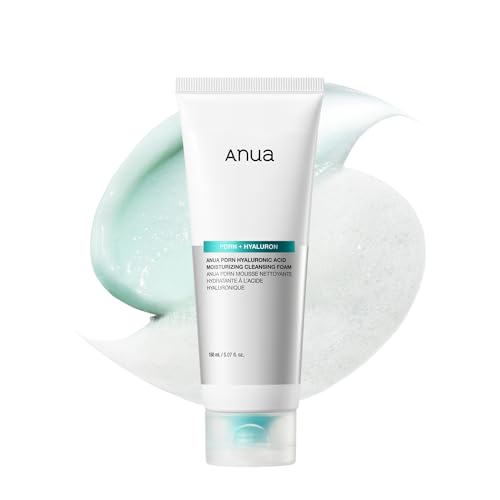
Anua
PDRN Hyaluronic Acid Moisturizing Cleansing Foam
body wash · 150 ml · 51 ingredients
- No drying alcohol
- With allantoin
- With niacinamide

Nivea
Derma Skin Clear Wash Gel
body wash · 150 ml · 10 ingredients
- No drying alcohol
- With salicylic acid
- With niacinamide

The Body Shop
Satsuma Shower Gel Vegan
body wash · 750 ml · 20 ingredients
- No drying alcohol
- With salicylic acid
- With aloe vera

La Roche-Posay Lipikar
Lait Urea 10% Body Lotion
body lotion · 11 g · 36 ingredients
- No drying alcohol
- With allantoin
See the full guide: Best Shaving Creams and Gels for Razor Bumps →
When to see a professional
See a dermatologist if: an ingrown hair shows signs of infection (expanding redness, worsening pain, warmth, fever, or rapidly enlarging bump); ingrown hairs are leaving permanent scars or significant post-inflammatory hyperpigmentation; pseudofolliculitis barbae is chronic and significantly affecting quality of life; you are unsure whether bumps are ingrown hairs or another condition such as folliculitis, epidermoid cyst, or hidradenitis suppurativa; or you want to discuss laser hair removal options — the safest laser wavelength varies by skin tone and professional guidance avoids complications.
Frequently asked questions
What is the best way to prevent ingrown hairs in 2026?
The most effective ongoing prevention combines consistent chemical exfoliation with technique improvement. Use a salicylic acid (1–2% BHA) or glycolic acid (5–10% AHA) product on prone areas 2–3 times per week — this removes the dead cell buildup that traps re-growing hairs. When shaving, use a sharp single-blade razor in the direction of hair growth on wet, gel-lubricated skin; never stretch the skin. For a permanent solution, laser hair removal destroys the follicle and is supported by clinical evidence as the most effective long-term treatment for pseudofolliculitis barbae. For dark skin tones, the Nd:YAG 1064nm laser is the safest option.
Why do I keep getting ingrown hairs on my legs and bikini area?
Recurring ingrown hairs in these areas are almost always driven by a combination of shaving technique, hair texture, and insufficient exfoliation. Legs and the bikini area have fine to medium hair that shaving sharpens into angled tips prone to re-entry. Tight clothing (underwear, leggings) after shaving creates friction that pushes re-growing hair back into the skin. The fix: switch to a sharp single-blade razor, shave in the direction of growth, and start chemical exfoliation with salicylic acid 2–3 times per week between shaves. If you wear tight clothing post-shave, allow the skin to breathe first.
Should I try to remove an ingrown hair myself?
Only if the hair is clearly visible just beneath the skin surface as a coiled strand, with no surrounding pustule, expanding redness, or infection signs. In that specific scenario, a sterilized needle can gently lift the hair tip above the skin to let it grow outward — do not pull the hair out entirely. Do not dig, squeeze, or pick at ingrown hairs that are deep, infected, or not clearly visible. Squeezing creates open wounds that worsen infection risk, scarring, and post-inflammatory hyperpigmentation. Warm compresses and chemical exfoliation are the safer first steps.
Is laser hair removal worth it for chronic ingrown hairs?
Yes — for chronic ingrown hairs, laser hair removal is the most effective long-term option. By permanently reducing hair in treated follicles, it eliminates the recurring source of ingrown hairs. Clinical evidence shows sustained results beyond 6 months with multiple sessions, and for pseudofolliculitis barbae specifically, laser epilation is considered a first-line long-term treatment. Multiple sessions (typically 6–8) are required. For darker skin tones, the Nd:YAG 1064nm laser is the safest choice. The upfront cost is significant, but compared to a lifetime of reactive treatment and PIH management, the benefit-cost ratio is favorable for people with frequent, severe ingrown hairs.
How do I fade dark marks left by ingrown hairs?
Post-inflammatory hyperpigmentation (PIH) from ingrown hairs fades with consistent use of: broad-spectrum SPF daily (UV exposure deepens PIH significantly), vitamin C (inhibits melanin production), niacinamide (reduces melanin transfer to skin cells), and topical retinoids (accelerates cell turnover to remove pigmented cells faster). Azelaic acid addresses both residual inflammation and PIH simultaneously. Most PIH from ingrown hairs fades over 3–6 months with consistent treatment — but first preventing new ingrown hairs stops new PIH from forming.
Can waxing cause ingrown hairs, and is it better than shaving?
Waxing can cause ingrown hairs, but through a different mechanism than shaving. Improper waxing technique can break hair mid-shaft rather than removing it from the root, leaving a sharp tip at the follicle opening. When done correctly — with the right hair length (about 6mm) and proper technique — waxing tends to produce a finer, softer re-growing tip that is less likely to penetrate the skin than a shaved edge. Whether waxing or shaving produces fewer ingrown hairs depends on individual hair texture and technique; chemical exfoliation between sessions is beneficial for both.
Health information, not medical advice.
Beauty Comparison is an independent editorial publication. This page is researched and sourced to the authorities listed below, but it is general information — not a diagnosis or a substitute for personalised advice from a qualified doctor, dermatologist or pharmacist. If your symptoms are severe, spreading, painful, or not improving, see a healthcare professional.Sources
- 01Ingrown Hair: What It Looks Like, Causes, Treatment & Prevention — Cleveland Clinic. Ingrown hairs occur when removed hair regrows back into the skin; common in people with coarse or curly hair; shaving technique improvements (sharp single-blade razor, direction of growth, wet skin, no stretching) reduce incidence; laser hair removal and electrolysis as long-term solutions; warm compresses and exfoliation for home treatment; sterile needle extraction only when hair is visibly near surface.
- 02Pseudofolliculitis Barbae (Razor Bumps): Images and Management — DermNet NZ, 2023-01-01. Pseudofolliculitis barbae is an inflammatory foreign-body reaction from ingrown hairs; 45–80% prevalence in Black men; keratin K6hf mutations increase susceptibility; symptoms include papules, pustules, PIH, and scarring; topical steroids, antimicrobials, benzoyl peroxide, tretinoin used for management; laser epilation effective for pseudofolliculitis barbae; resolution typically 4–6 weeks after stopping causative hair removal; glycolic acid reduces new ingrown spots.
- 03Recalcitrant scarring follicular disorders treated by laser-assisted hair removal — PubMed / NIH, 1999-01-01. Laser-assisted hair removal provides a safe, effective treatment for recalcitrant follicular disorders including pseudofolliculitis barbae; patients noted improvement and decreased hair growth in treated areas; long-pulse non-Q-switched ruby laser used without significant side effects.
- 04Evidence-based review of hair removal using lasers and light sources — PubMed / NIH, 2006-01-01. Laser epilation induces partial short-term hair reduction up to 6 months post-treatment; repeated sessions improve efficacy; evidence supports superior efficacy over shaving and waxing for pseudofolliculitis barbae; Nd:YAG laser safer for darker skin tones.
- 05Acne Vulgaris — StatPearls — NCBI Bookshelf / NIH, 2023-06-01. Topical retinoids (tretinoin) suppress follicular hyperkeratosis and are used to treat pseudofolliculitis barbae alongside antimicrobials and benzoyl peroxide; follicular inflammation pathophysiology is analogous between ingrown hair reactions and acne.