Glycolic Acid Peel: What Strength, How Often & Results
The short answer
Glycolic acid peels at 30–50% exfoliate the epidermis; 70% crosses into medium-depth.
What Is a Glycolic Acid Peel?
Glycolic acid is an alpha-hydroxy acid (AHA) derived from sugar cane. With a molecular weight of 76 Daltons — the smallest of the AHAs — it penetrates the stratum corneum more readily than lactic acid, mandelic acid, or polyhydroxy acids, making it both the most potent and most studied member of the AHA family for clinical peeling applications.
The first glycolic acid peels entered dermatological practice in the late 1980s and early 1990s, and the intervening three decades have produced one of the most robust evidence bases of any cosmetic procedure, encompassing treatment of photoaging, melasma, acne, post-inflammatory hyperpigmentation, acne scars, and seborrheic keratoses.
How Glycolic Acid Peels Work
Glycolic acid exerts its effects through two mechanisms:
1. Corneocyte desquamation — At the acidic pH of peel formulations (typically 1.5–3.5), glycolic acid cleaves the ionic bonds between corneocytes (dead skin cells) at the base of the stratum corneum, releasing them in a controlled, even layer. This is the primary mechanism at lower concentrations (20–30%).
2. Epidermal and dermal remodeling — At higher concentrations (50–70%), glycolic acid penetrates deeper, disrupting desmosomal connections in the lower epidermis and stimulating dermal fibroblast activity. Studies have demonstrated that glycolic acid at clinically applied concentrations stimulates fibroblast proliferation, induces collagen synthesis, and decreases collagen degradation — producing the anti-aging dermal remodeling that makes peel series meaningful for photoaging.
Critical safety distinction: Glycolic acid does not self-neutralize. The reaction continues as long as acid remains on the skin. The clinician must actively apply a neutralizing agent (typically 10–15% sodium bicarbonate solution, or copious water) to terminate the reaction. This is why untimed or unsupervised glycolic acid peel application carries risk of unintended depth and burns — unlike TCA, there is no built-in stopping point.
Glycolic Acid Peel Concentrations: What Each Does
| Concentration | Depth | Clinical Use | Notes |
|---|---|---|---|
| 20–30% | Superficial stratum corneum | Beginners, maintenance, sensitive skin | Minimal risk, suitable for all types |
| 35–50% | Variable epidermis | Hyperpigmentation, acne, melasma, mild photoaging | Standard clinical range |
| 70% (short contact) | Superficial papillary dermis | Acne scars, deeper photoaging | Requires precise neutralization timing |
Outcome is determined by both concentration and contact time. A 30% peel held for 5 minutes can produce effects comparable to a 50% peel held for 1–2 minutes. The dermatologist or aesthetician calibrates both variables in real time, watching for erythema, frosting level, and patient comfort.
pH matters as much as percentage. Two glycolic acid products labeled "30%" may have very different buffering and pH levels, producing substantially different clinical effects. A product at pH 1.5 will be significantly more active than one at pH 3.5, even at the same stated concentration. This is part of why professional products outperform OTC products even at overlapping concentration labels.
What Glycolic Acid Peels Treat: The Evidence
Photoaging and Fine Lines
The most extensive evidence base. Clinical research demonstrates that glycolic acid at 30–50% applied in series stimulates fibroblast proliferation, increases collagen synthesis, and decreases collagen-degrading enzyme activity — reversing the histological signatures of UV-damaged skin. Improvements in fine lines, surface texture, and skin tone are measurable at 4–6 sessions.
Melasma
Glycolic acid is one of the most studied and recommended agents for melasma. Trials using 30–70% glycolic acid demonstrate moderate-to-good improvement in melasma area and severity index (MASI) scores with 4–6 sessions every 2–3 weeks. Glycolic acid requires hydroquinone pre-priming (2% applied 2 weeks before the first peel) to reduce PIH risk and is best suited to epidermal and mixed melasma. Dermal melasma responds poorly to peeling alone.
One head-to-head study found both 35% glycolic acid and 4% retinol peels effective for melasma, with significant improvements in pigmentation and patient quality of life from both.
Acne
Glycolic acid's mechanism of follicular decongestion — dissolving the corneocyte bonds that form microcomedones — makes it effective for comedonal acne. Multiple trials show significant reduction in total acne lesion counts with series of glycolic acid peels at 35–70%. Most protocols combine peels with topical retinoids or antibiotics for synergistic benefit.
Post-Inflammatory Hyperpigmentation (PIH)
Glycolic acid peels at 30–50% in 4–6 session series reduce PIH scores. In darker skin types (Fitzpatrick IV–VI), glycolic acid is considered among the safest peel agents — with careful pre-peel priming it has been shown to be safe and effective even in darker skin, unlike TCA at comparable depths.
Atrophic Acne Scars
Evidence from controlled studies indicates that a minimum of six 70% glycolic acid peels are necessary to produce evident improvement in atrophic acne scars. When combined with microneedling, glycolic acid showed additive benefit in promoting neocollagenesis. For ice-pick scars specifically, TCA CROSS technique produces superior outcomes.
The Standard Glycolic Acid Peel Protocol
Pre-Peel (2–4 Weeks Before)
- Hydroquinone 2–4% for patients with Fitzpatrick types III–VI or any existing PIH
- Topical retinoid (optional but beneficial for photoaging indication): stop 7–10 days before the peel
- Avoid waxing, laser, or other skin procedures for 2 weeks
- Apply broad-spectrum SPF 50+ daily throughout pre-treatment
The Peel Session
- Cleanse and degrease the skin with acetone or isopropyl alcohol wipe
- Apply glycolic acid solution evenly using gauze or brush
- Monitor the skin for erythema, frosting, and patient-reported stinging
- Neutralize with sodium bicarbonate solution or water at the appropriate time (typically 1–5 minutes, calibrated to concentration and patient response)
- Apply cool compresses for comfort
Post-Peel Care
- Bland emollient (petrolatum, ceramide cream) for 2–5 days
- No active skincare ingredients (retinoids, AHAs, benzoyl peroxide) for 5–7 days
- Strict sun avoidance and SPF 50+ daily
- No picking, rubbing, or premature removal of peeling skin
- The skin may look worse for days 3–5 (peaking exfoliation) before improving
Treatment Frequency
- Standard series: 4–6 peels every 2–4 weeks
- Maintenance: monthly or bimonthly peel sessions once treatment goals are achieved
- For acne scars requiring 70% glycolic: minimum 6 sessions, continuing to 10–12 for best results
Glycolic Acid Peel vs. Other Superficial Peels
| Agent | Strength for Equivalent Depth | Best For | Self-Neutralizing? | Dark Skin Safety |
|---|---|---|---|---|
| Glycolic acid | 30–70% | Photoaging, melasma, acne | No (requires neutralization) | Good with priming |
| Lactic acid | 20–30% | Dry/sensitive skin, mild pigmentation | No | Good |
| Salicylic acid | 20–30% | Acne, oily/congested skin | Yes (self-limiting) | Excellent |
| Mandelic acid | 40% | Sensitive skin, skin of color | No | Excellent (slower penetration) |
| TCA | 10–50% | Moderate photoaging, scars | Yes (self-neutralizing) | Modified protocol |
| Jessner's + TCA | Combo | Deeper correction | Partial | Caution |
For acne in darker skin types, salicylic acid or mandelic acid is often preferred over glycolic acid due to greater follicular selectivity and lower PIH risk. For photoaging in lighter skin types, glycolic acid's collagen-stimulating evidence is unmatched among superficial peel agents.
Glycolic Acid Peels at Home vs. in the Clinic
At-home glycolic acid products (5–10%, pH > 3.0) can be used 1–3 times per week or daily as a toner or serum. These concentrations deliver meaningful, cumulative surface improvement but do not replicate the clinical peel effect. They are appropriate for:
- Maintaining results between professional sessions
- General brightening and texture improvement in healthy skin
- Mild acne maintenance
They are not sufficient as standalone treatment for:
- Moderate melasma
- Atrophic acne scars
- Significant photoaging
- Post-inflammatory hyperpigmentation in types IV–VI
See at-home chemical peel for a full safety and efficacy comparison.
Side Effects and What to Expect
Normal and Expected
- Stinging or burning during application (level varies by concentration and individual tolerance)
- Erythema (redness) for hours to days post-peel
- Fine flaking and peeling on days 3–5
- Temporary mild dryness
Potential Complications
Post-inflammatory hyperpigmentation: The most important risk, particularly in types III–VI. Prevention: pre-peel hydroquinone, strict post-peel sun protection, conservative concentration selection for darker skin.
Over-penetration (burns): If neutralization is delayed or skin was unusually sensitized (recent retinoid use, waxing, laser), glycolic acid can penetrate deeper than intended, causing blistering or erosion. This risk is why clinician oversight matters even for superficial peels.
Rebound PIH: Inadequate sun protection post-peel can trigger PIH in any skin type, wiping out the peel's benefit.
Who Should Not Get a Glycolic Acid Peel
- Active inflammatory conditions at the treatment site (eczema flare, rosacea, active cold sore)
- Pregnancy (glycolic acid in cosmetic amounts is generally considered low-risk, but clinical peels require obstetric guidance)
- Recent waxing, laser, or dermabrasion within 2 weeks
- History of keloid formation
- Allergy to glycolic acid or any formulation component
- Very recently started prescription retinoids (wait 4–6 weeks and then stop the retinoid 7–10 days before the peel)
See the chemical peels guide for the full list of contraindications and preparation requirements.
Products with glycolic acid (aha)
Picked by code from each product's full ingredient list.
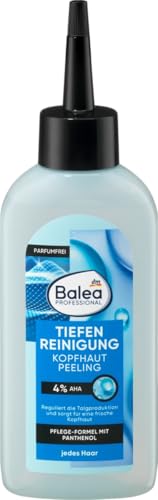
Balea
Professional Scalp Scrub Deep Cleansing
scalp treatment · 150 ml · 10 ingredients
- Fragrance-free
- No essential oils
- With glycolic acid
- With panthenol

Beauty of Joseon
Green Plum Refreshing Toner
toner · 5.27 fl oz · 24 ingredients
- Fragrance-free
- No essential oils
- With glycerin
- With salicylic acid
- With glycolic acid

Paula's Choice
Skin Perfecting 25% AHA + 2% BHA Exfoliant Peel
exfoliant · 30 ml · 13 ingredients
- Fragrance-free
- No essential oils
- With salicylic acid
- With glycolic acid
- With lactic acid

Paula's Choice
Skin Perfecting 8% AHA Gel Exfoliant
exfoliant · 100 ml · 15 ingredients
- Fragrance-free
- No essential oils
- With glycolic acid
- With panthenol
- With aloe vera
Frequently asked questions
What does the latest evidence say about glycolic acid peels in 2026?
The clinical evidence base for glycolic acid peels remains strong and continues to expand. A 2025 head-to-head comparative trial confirmed that both 35% glycolic acid and 4% retinol peels produce significant improvements in melasma pigmentation, dermoscopic features, and patient quality of life. Studies in 2025 continue to support glycolic acid's mechanism of fibroblast stimulation, collagen induction, and collagen-degradation inhibition at clinically applied concentrations. The overall consensus in dermatology has not changed: glycolic acid peels are effective, evidence-backed superficial peels for photoaging, melasma, PIH, and acne when used in an appropriate series.
How many glycolic acid peel sessions do I need?
For melasma, moderate PIH, or acne: 4–6 sessions at 2–4 week intervals, with maintenance sessions monthly thereafter. For atrophic acne scars using 70% glycolic acid: a minimum of 6 sessions is required for evident improvement, with 10–12 sessions producing optimal results. A single glycolic peel produces visible short-term brightening but not durable structural change — the collagen-remodeling benefits are cumulative across a treatment series.
Is glycolic acid peel safe for dark skin tones?
Yes, glycolic acid is considered among the safer peel agents for Fitzpatrick types IV–VI when used with proper pre-treatment priming. Clinical studies have confirmed glycolic acid's safety and efficacy even in darker skin types, provided hydroquinone 2–4% is applied for 2–4 weeks before the peel to reduce PIH risk and concentrations are started conservatively (30–35%) and titrated cautiously. Strict post-peel sun protection is mandatory. Of the major peel agents, salicylic acid and mandelic acid have a slightly lower PIH risk profile for acne in types V–VI, but glycolic acid is appropriate for many indications with proper technique.
Can I do a glycolic acid peel while using retinol?
Not on the same night, and not in the days immediately before a professional peel. Retinol (and prescription retinoids) should be stopped 7–10 days before a professional glycolic peel, because active retinoid use accelerates cell turnover and thins the stratum corneum, increasing the risk of the peel penetrating deeper than intended. For at-home glycolic acid exfoliants, avoid using them on the same night as retinol — alternate to separate nights.
How long does glycolic acid peel downtime last?
For professional superficial peels (30–50% glycolic), expect 3–5 days of mild redness and flaking. The most noticeable peeling typically occurs on days 3–5, after which the skin settles and improvements become visible. At 70% glycolic with brief contact time (medium-superficial depth), erythema and peeling may last 5–7 days. Plan professional social or work commitments around the first 3 days post-peel if you are concerned about redness.
Health information, not medical advice.
Beauty Comparison is an independent editorial publication. This page is researched and sourced to the authorities listed below, but it is general information — not a diagnosis or a substitute for personalised advice from a qualified doctor, dermatologist or pharmacist. If your symptoms are severe, spreading, painful, or not improving, see a healthcare professional.Sources
- 01A Practical Approach to Chemical Peels: A Review of Fundamentals and Step-by-step Algorithmic Protocol for Treatment — PubMed Central / Journal of Clinical and Aesthetic Dermatology, 2018-08-01. Superficial exfoliation with glycolic acid at 30–50% has demonstrated excellent clinical efficacy for hyperpigmentation, photoaging, and fine lines; pH and contact time determine depth as much as concentration; requires alkaline neutralization.
- 02Chemical Peels for Melasma in Dark-Skinned Patients — PubMed Central / Journal of Cutaneous and Aesthetic Surgery, 2012-12-01. Glycolic acid 30–70% applied every 2–3 weeks showed moderate improvement in melasma in dark skin types; priming with hydroquinone reduces PIH; 4–6 sessions standard protocol; lactic acid 92% showed comparable results.
- 03Chemical Peels for Acne and Acne Scars in Asians: Evidence Based Review — PubMed Central / Journal of Cutaneous and Aesthetic Surgery, 2012-12-01. Glycolic acid safe and effective for acne in darker skin types; at least 6 peels at 70% needed for evident improvement in atrophic acne scars; additive benefit with microneedling for neocollagenesis.
- 04Comparative Efficacy of 35% Glycolic Acid Peel versus 4% Retinol Peel in Melasma — PubMed / Journal of Cosmetic Dermatology, 2025-01-01. Both 35% glycolic acid and 4% retinol peels effective for melasma; significant improvements in pigmentation, dermoscopic features, and quality of life in both groups.
- 05The effects and safety of sequential high concentration glycolic acid and TCA chemical peels in skin photo-type IV–VI — PubMed Central, 2025-01-01. Progressive glycolic acid protocol (20–40%) followed by TCA in Fitzpatrick IV–VI showed no scarring; significant melasma improvement at 12 weeks; 32.5% transient hyperpigmentation post-TCA; 70% recurrence at 3 months without maintenance.
- 06Biweekly serial glycolic acid peels vs. long-term daily use of topical low-strength glycolic acid in atrophic acne scars — PubMed / British Journal of Dermatology, 2001-01-01. Repetitive glycolic acid peels (at least six times at 70%) are necessary to obtain evident improvement in atrophic acne scars.