Best Foundation for Acne-Prone Skin: Non-Comedogenic Picks
The short answer
Choose a non-comedogenic, oil-free liquid foundation and always remove it fully before bed to avoid.
What Makes Foundation Break Out Acne-Prone Skin?
Acne cosmetica — acne triggered or worsened by cosmetic products — was first described in dermatology literature in 1972 and remains a clinically relevant concern. The core mechanism: certain foundation ingredients block or partially obstruct the follicular opening (comedogenic effect), creating the anaerobic environment in which Cutibacterium acnes (formerly Propionibacterium acnes) proliferates.
A significant 2025 case-control study published in PMC's Clinical and Cosmetic Investigational Dermatology examined 151 subjects (81 with acne, 70 without) and found that foundation use was significantly associated with increased acne risk (P=0.03). The interaction between formula ingredients, frequency of use, and completeness of removal were the key variables — not foundation use per se, but how and what formula is used.
The good news: reformulating your approach to foundation — choosing the right product and applying and removing it correctly — is a meaningful lever in acne management.
Comedogenic Ingredients to Avoid
Not all foundation ingredients are equal. Research on comedogenicity published in PubMed identifies specific compounds with documented pore-clogging potential:
High comedogenicity — avoid:
- Isopropyl myristate
- Isopropyl palmitate
- Butyl stearate
- Sodium lauryl sulfate
- Lanolin, acetylated lanolin, and lanolin derivatives
- Laureth-4
- Coconut oil (in significant concentrations)
- Cocoa butter
Low or zero comedogenicity — preferred:
- Iron oxides (the pigments in most foundations — inherently non-comedogenic)
- Titanium dioxide
- Zinc oxide
- Dimethicone and other silicones (controversial, but most evidence shows very low comedogenicity)
- Glycerin
- Water as the first ingredient
- Niacinamide
A 2021 PMC safety assessment of comedogenicity in dermatological products confirmed that the original rabbit ear assay — the historical testing method — had significant limitations and that ingredient-level testing does not always translate to final product behavior on human skin. This is why checking the full ingredient list matters more than trusting the label alone.
Foundation Labels: What They Mean
| Label | What It Means | Reliability |
|---|---|---|
| Non-comedogenic | Formula designed to avoid pore-clogging ingredients | Moderate — no regulatory standard; self-reported by brands |
| Oil-free | No added oils in the formula | Generally reliable |
| Won't clog pores | Marketing equivalent of non-comedogenic | Same caveats as above |
| Hypoallergenic | Designed to minimize allergen exposure | Addresses allergy risk, not comedogenicity specifically |
| Dermatologist-tested | A dermatologist reviewed or approved the product | Variable — depends on the scope of review |
The AAD is direct on this: because there is no regulatory standard for "non-comedogenic" labeling, you cannot rely on the label alone. Reading the ingredient list and avoiding known comedogenic compounds is the most reliable approach.
The Best Foundation Types for Acne-Prone Skin
1. Water-Based Liquid Foundation
The most versatile format for acne-prone skin. Water as the first ingredient (aqua) signals an inherently lighter base than oil-in-water or oil-based alternatives. The key is confirming that the remaining ingredients avoid the high-comedogenicity list above.
What to look for: Aqua/water as first ingredient; dimethicone or cyclomethicone for slip (low comedogenicity); glycerin or propylene glycol for hydration; iron oxide pigments for color.
Coverage level: Buildable light-to-full — a significant advantage, because you can add coverage only where needed over active breakouts rather than masking the entire face uniformly.
2. Mineral Foundation (Loose or Pressed Powder)
Mineral foundations — those with iron oxides, titanium dioxide, and zinc oxide as their primary ingredients — are among the most acne-friendly options available:
- Inherently non-comedogenic: No oils, waxes, or synthetic polymers in basic mineral formulas
- Zinc oxide: Has mild anti-inflammatory properties; research supports its role in acne management at cosmeceutical concentrations
- Titanium dioxide: Broad-spectrum UV protection that is photostable and does not require chemical UV filters (some of which have comedogenicity concerns)
The limitation: pressed mineral powder provides limited coverage for active red papules and pustules. A thin layer of water-based liquid foundation beneath a mineral powder setting is a reliable combination for fuller coverage without sacrificing non-comedogenicity.
3. Silicone-Based Foundation
Silicone-based foundations (dimethicone, cyclopentasiloxane as first or second ingredients) create a smoothing film over the skin without penetrating pores. The evidence on silicone comedogenicity is mixed, but the weight of clinical and formulation evidence suggests that cosmetic silicones do not meaningfully clog pores. Many dermatologists recommend them for acne-prone skin specifically because they do not add sebum-like oils to the surface.
4. Foundations With Salicylic Acid
The AAD specifically highlights makeup products containing salicylic acid as a useful option for acne-prone skin. Salicylic acid (a BHA) at 0.5–2% in cosmetic formulas provides mild exfoliation within pores, preventing the microcomedo formation that precedes acne lesions. This category is a functional upgrade over plain non-comedogenic formulas for skin actively dealing with breakouts.
Note: Salicylic acid in foundation can cause dryness, especially if you are already using a topical salicylic acid cleanser or treatment. Monitor for over-exfoliation (redness, peeling) if combining multiple salicylic acid products.
Foundation Formats to Avoid for Acne-Prone Skin
| Format | Why It's Problematic |
|---|---|
| Heavy cream/stage foundation | High wax and oil content — significantly comedogenic |
| Oil-based stick foundation | Wax binders and oils occlude pores |
| Foundations with lanolin or coconut oil | Both documented comedogenic ingredients |
| Powder compacts with talc as first ingredient | Low concern for most; can trap sebum with repeated use |
Application Technique for Acne-Prone Skin
Hygiene First
The AAD is explicit: apply foundation with a clean brush or sponge — never fingers. Hands carry bacteria and oils from throughout the day; pressing them against acne-prone skin deposits these directly into the follicular environment.
Clean your tools: Wash foundation brushes with gentle shampoo or brush cleanser at minimum once a week; beauty sponges should be cleaned after every 2–3 uses. A 2025 PMC narrative review of acne management and dermocosmetics highlights hygiene of application tools as a meaningful factor in reducing acne cosmetica risk.
Apply in Thin Layers
A single thin layer of non-comedogenic foundation provides significantly less pore-occluding risk than a heavy layered application. Build coverage in spots over active lesions with a small flat brush rather than applying a thick all-over layer.
Around Active Breakouts
Avoid applying foundation directly into open lesions or freshly popped spots — this increases infection risk and disrupts healing. Apply foundation to the surrounding skin and feather inward; the coverage over the edge of the lesion is usually sufficient to reduce redness without occluding the wound.
Removal: The Non-Negotiable Step
The 2025 case-control study noted incomplete cosmetic removal as a significant contributor to acne cosmetica. Foundation left on overnight sits in the follicular opening for 8 hours, significantly increasing comedogenic risk even for formulas rated non-comedogenic.
Recommended removal routine for acne-prone skin:
- Micellar water or oil-free makeup remover — dissolves foundation without introducing additional oils
- Gentle non-comedogenic cleanser — removes residue and daily sebum/bacteria buildup
- No harsh mechanical scrubbing — the AAD advises against abrasive cleansing for acne-prone skin
Avoid cleansing oils and balm cleansers for the makeup removal step if you are acne-prone — the oils in these products, even if non-comedogenic as standalone skincare, are applied in larger amounts than most moisturizers and introduce more oil contact time than typical skincare.
Acne Treatments and Foundation: How to Layer Them
If you are using topical acne medications — tretinoin, adapalene, clindamycin, benzoyl peroxide — here is how they interact with foundation:
| Treatment | Interaction With Foundation |
|---|---|
| Tretinoin / adapalene | Apply at night only; foundation in the morning creates no direct interaction |
| Benzoyl peroxide | Can bleach fabric; can oxidize some foundation pigments if applied before full absorption. Apply BP, let absorb fully, then apply foundation |
| Clindamycin (topical) | Morning use is compatible with foundation; apply, let dry, then apply foundation |
| Niacinamide serum | Fully compatible — apply serum, let absorb, then foundation. Niacinamide also appears in many foundations |
| Salicylic acid (spot treatment) | Spot-treat at night; if using a salicylic acid foundation in the morning, avoid double-dosing at the same site |
For active prescription acne treatment, always check with your dermatologist before adding new cosmetic products, particularly when using isotretinoin (oral) — the accompanying skin dryness fundamentally changes which foundation formula is appropriate.
Products that fit: acne-prone skin
Picked by code from each product's full ingredient list.

e.l.f.
Power Grip Matte Primer
primer · 25.73 ml · 16 ingredients
- Fragrance-free
- No essential oils
- No coconut oil, isopropyl myristate and other heavy, pore-clogging emollients
- With niacinamide

Catrice
Under Eye Primer Stick
primer · 4.5 g · 27 ingredients
- Fragrance-free
- No essential oils
- No coconut oil, isopropyl myristate and other heavy, pore-clogging emollients
- With niacinamide
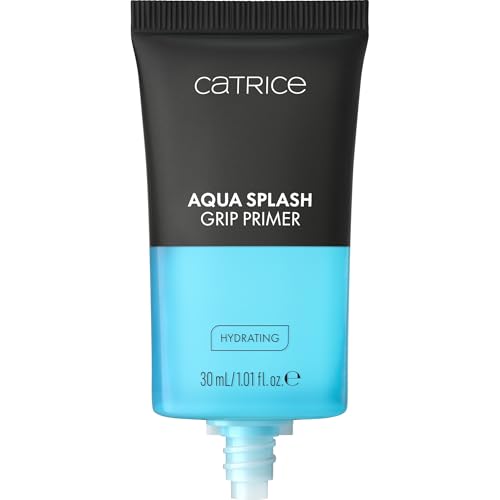
Catrice
Aqua Splash Grip Primer
primer · 30 ml · 17 ingredients
- No essential oils
- No coconut oil, isopropyl myristate and other heavy, pore-clogging emollients
- With niacinamide

Revolution Beauty London
Revolution Superfix Glow Primer
primer · 24 ml · 51 ingredients
- No essential oils
- No coconut oil, isopropyl myristate and other heavy, pore-clogging emollients
- With niacinamide
Frequently asked questions
Can foundation make acne worse — what does the latest evidence say?
Yes, under specific conditions. A 2025 peer-reviewed case-control study (PMC12323874) found foundation use was significantly associated with increased acne risk in a population of 151 subjects, with comedogenic ingredient content and usage frequency as key variables. The risk is not inherent to foundation use broadly, but to the *type* of formula and the *completeness of removal*. Non-comedogenic, oil-free formulas applied with clean tools and fully removed each night carry substantially less risk than comedogenic foundations left on overnight. The risk is real but manageable with correct product selection.
Is mineral foundation really better for acne-prone skin?
Generally yes, for several reasons. Basic mineral foundations use iron oxides, titanium dioxide, and zinc oxide as their primary ingredients — all of which are well-established as non-comedogenic. Zinc oxide has documented mild anti-inflammatory properties. Crucially, many basic mineral formulas contain no oils, waxes, or synthetic polymers that would occlude pores. The limitation is coverage — mineral powder alone often provides insufficient coverage for moderate-to-severe active acne. A thin water-based liquid foundation beneath mineral powder is a common and effective solution.
What ingredients in foundation clog pores the most?
The ingredients with the highest documented comedogenicity in dermatology literature are: isopropyl myristate, isopropyl palmitate, butyl stearate, sodium lauryl sulfate, lanolin and its acetylated forms, and laureth-4. Coconut oil and cocoa butter also have moderate-to-high comedogenicity ratings. Checking the ingredient list for these compounds is more reliable than trusting the 'non-comedogenic' label, since there is no regulatory standard for that claim.
Should I wear foundation at all if I have acne?
The AAD's position is that you can wear makeup with acne, provided you choose the right products, apply them with clean tools, and remove them completely every night. There is no evidence that non-comedogenic, properly removed foundation prevents acne treatment from working. Foundation with salicylic acid may even provide a mild additional benefit. The more important variable is not whether to wear foundation but which foundation and how it is removed.
How do I find my shade in a non-comedogenic foundation?
The shade-matching process is identical to any other foundation — test three shades along the jawline in natural light and select the one that disappears into the neck. For acne-prone skin with hyperpigmentation or redness, choose a formula with buildable coverage rather than full-coverage in one layer — you have more control over where coverage lands. See the full guide on [How to Find Your Foundation Shade](/how-to-find-foundation-shade) for a step-by-step approach.
Can I use concealer over active pimples with foundation?
Yes — applying a non-comedogenic concealer after foundation over specific lesions gives targeted coverage without occluding the entire face. Use a small brush (not fingers) and press gently rather than rubbing. Avoid applying over open or broken lesions. Set with a very light dusting of translucent powder over the concealer to prevent it from migrating, but keep powder away from surrounding skin if it is dry or irritated from acne treatment.
Sources
- 01Makeup tips for acne-prone skin — American Academy of Dermatology (aad.org). AAD recommends choosing oil-free, non-comedogenic makeup for acne-prone skin; salicylic acid in makeup is specifically highlighted; complete removal before bed is mandatory; apply with brushes or sponges, not fingers.
- 02I have acne! Is it okay to wear makeup? — American Academy of Dermatology (aad.org). AAD confirms that makeup can cause acne cosmetica; oil-free and non-comedogenic labels are the key selection criteria; products must be removed every night.
- 03A Case-Control Study Exploring the Association Between Cosmetic Use and Acne Risk: Implications for Prevention and Clinical Practice — PubMed Central / Clinical and Cosmetic Investigational Dermatology, 2025-01-01. 151-subject case-control study found foundation use significantly associated with increased acne risk (P=0.03); powder use was independently associated (OR 3.47); comedogenic ingredients and incomplete removal were key variables driving acne cosmetica.
- 04Safety assessment on comedogenicity of dermatological products — PubMed Central / Cosmetics, 2021-08-01. Ingredients with high comedogenicity include isopropyl myristate, isopropyl palmitate, butyl stearate, lanolin derivatives, and sodium lauryl sulfate; ingredient-level testing does not always translate to final product behavior; standardized human skin testing needed.
- 05Aesthetic Medicine Management and the Role of Dermocosmetics for Acne-Prone Skin: A Narrative Mini Review — PubMed Central / Journal of Cosmetic Dermatology, 2025-01-01. Dermocosmetics for acne-prone skin should be non-comedogenic, oil-free, and formulated to maintain the skin barrier; hygiene of application tools is highlighted as a meaningful factor; non-comedogenic makeup reduced acne cosmetica incidence from 25% to less than 5% in clinic populations.