Foods That Cause Acne: What the Research Actually Shows
The short answer
High-glycemic foods and dairy — especially milk.
What Foods Cause Acne? The Short Answer
The evidence is clearest for two dietary categories: high-glycemic-load (GL) foods and dairy — especially milk. Both drive the hormonal and inflammatory cascades that trigger acne. Chocolate, whey protein, and a high omega-6/omega-3 dietary ratio have supporting but less conclusive evidence. Ultra-processed foods, greasy fast food, and iodine-rich foods are frequently blamed anecdotally but have weaker or more conflicting data.
Diet alone rarely clears acne, but a well-chosen dietary shift can meaningfully reduce lesion counts — and avoiding known triggers removes one layer of the problem.
The Core Mechanism: IGF-1, Insulin, and mTORC1
All dietary acne triggers converge on a single shared pathway. When you consume foods that spike insulin — sugar, refined starch, dairy — your body also elevates insulin-like growth factor 1 (IGF-1), a hormone that acts on skin at multiple levels:
- Sebaceous gland stimulation: IGF-1 directly upregulates sebum production. More sebum means a richer substrate for Cutibacterium acnes (formerly Propionibacterium acnes) to thrive.
- Follicular hyperkeratinization: Excess insulin and IGF-1 promote abnormal keratinocyte proliferation and impaired desquamation inside the hair follicle — the physical plug that starts every acne lesion.
- mTORC1 activation: The mechanistic target of rapamycin complex 1 is the master downstream effector. Dietary sugar and branched-chain amino acids (high in dairy whey) both activate mTORC1, which simultaneously drives sebaceous gland hyperproliferation, lipogenesis, and keratinocyte hyperplasia.
- Androgen amplification: Insulin reduces sex hormone-binding globulin (SHBG), increasing free androgens — which further fuel the sebaceous glands.
Understanding this pathway explains why the dietary evidence is consistent across very different food types: it is not the food itself but whether it spikes this cascade.
High-Glycemic Foods: The Strongest Dietary Evidence
What the Randomized Trials Show
Two well-designed RCTs examined low-GL versus high-GL diets in acne patients over 10–12 weeks and both showed significant reductions in inflammatory and non-inflammatory lesion counts on the low-GL arm. A 2024 study in Cureus (50 female participants, ages 15–35) found dietary counseling toward low-glycemic foods reduced average acne severity from 2.68 to 1.56 on a validated scale within 12 weeks, alongside reductions in the proportion consuming high-GL foods from 60% to 40%.
The mechanism in these trials is clear: low-GL eating reduces fasting insulin, lowers free IGF-1, and increases SHBG — directly addressing each hormonal driver.
High-Glycemic Foods to Moderate
| Food Category | Glycemic Impact | Acne Relevance |
|---|---|---|
| White bread, bagels, white rice | Rapid glucose spike | Strong — well-studied |
| Sugary drinks, juice, energy drinks | Rapid glucose + fructose spike | Strong |
| Chips, crackers, pretzels | High GL, often combined with refined starch | Strong |
| Ice cream | High GL + dairy + added sugar | Strong (also features in dairy data) |
| Breakfast cereals (sweetened) | Very high GL | Likely |
| Pasta (refined, overcooked) | Moderate–high GL | Moderate |
Switching from refined to intact grains (oats, quinoa, whole-grain bread), eating moderate portions, and balancing carbohydrate meals with protein and fat to blunt glucose excursions are the practical tools.
Dairy: A Sizeable and Consistent Signal
The Meta-Analysis Data
A 2018 systematic review and meta-analysis in Nutrients pooled 78,529 children, adolescents, and young adults across 14 observational studies. The associations for acne were:
| Dairy Product | Odds Ratio (95% CI) |
|---|---|
| Any dairy | 1.25 (1.15–1.36) |
| Any milk | 1.28 (1.13–1.44) |
| Low-fat / skim milk | 1.32 (1.16–1.52) |
| Whole milk | 1.22 (1.06–1.41) |
| Yogurt | 1.36 (1.05–1.77) |
| Cheese | 1.22 (1.00–1.50) |
Consuming two or more glasses of milk per day raised odds by 43% versus those drinking it less than weekly (OR 1.43). The authors note results should be interpreted with caution given heterogeneity across studies — but the direction is consistent.
Why Skim Milk Is Worse Than Whole
Counter-intuitively, skim and low-fat milk show a stronger association than whole milk. The leading explanation: fat removal concentrates whey proteins and hormones per volume, and the higher insulin response to skim milk (its glycemic index is slightly higher than whole milk) amplifies the IGF-1 pathway. Whole milk fat may attenuate the insulin response modestly.
The Mechanism
Milk contains both whey protein and casein. Whey is highly insulinotropic — it elevates insulin disproportionately to its carbohydrate content — and delivers branched-chain amino acids (BCAAs) that directly activate mTORC1. Milk also naturally contains bioactive IGF-1 and IGF-1 precursors produced by cows during lactation. Together, these hit the acne pathway from multiple angles.
Cheese and Fermented Dairy
Hard cheeses have a low insulin index despite their protein content, and observational data do not consistently link cheese to acne — the odds ratio in the meta-analysis (1.22) crosses 1.00 in confidence intervals in some analyses. Fermented dairy (kefir, some yogurts) contains probiotic organisms that may partially offset the insulinotropic signals. Yogurt's association (OR 1.36) may be driven by sweetened varieties.
Practical guidance: If you suspect dairy is a trigger, a 4–6 week elimination trial (replacing dairy with unsweetened plant-based alternatives fortified with calcium and vitamin D) is a reasonable diagnostic step — but discuss with your doctor if you are relying on dairy for bone health.
Chocolate: Evidence of Concern but Not Conclusive
A blinded crossover cocoa study found a statistically significant increase in acne lesions following cocoa consumption, with a positive correlation between quantity consumed and new lesions. The NutriNet-Santé cohort study (24,452 participants) found milk chocolate associated with acne at OR 1.28.
The picture is complicated by confounding: milk chocolate combines cocoa with dairy and sugar — both independent variables. Pure dark chocolate's role is less established. The insulin spike from high-sugar chocolate is the most likely mechanism, not cocoa itself. High-sugar milk chocolate is the sensible food to moderate; 70%+ dark chocolate eaten in modest portions is unlikely to be a meaningful driver.
Whey Protein Supplements
Whey protein concentrate and isolate — heavily consumed by gym-goers — are functionally concentrated dairy whey and carry the same insulinotropic, mTORC1-activating properties. Case reports and small observational studies link whey supplementation to acne flares, particularly in individuals who had clear skin before starting supplementation. Plant-based protein alternatives (pea, rice protein) do not have the same mechanistic profile and are a reasonable substitute if acne correlates with whey use.
Omega-3 vs. Omega-6: The Fatty Acid Balance
The modern Western diet carries an omega-6 to omega-3 ratio of approximately 15–20:1 versus the evolutionary ratio closer to 4:1. This matters for acne because omega-6 arachidonic acid is the precursor to pro-inflammatory prostaglandins and leukotriene B4 — a potent mediator that drives C. acnes-related inflammation.
A 45-patient RCT demonstrated that omega-3 supplementation (fish oil) significantly reduced both inflammatory and non-inflammatory acne lesion counts over 10 weeks. Omega-3s lower IGF-1 levels and directly compete with arachidonic acid for inflammatory enzyme pathways.
Practical sources: Fatty fish (salmon, sardines, mackerel) 2–3 times weekly, or a purified omega-3 supplement providing 1–2 g EPA + DHA daily. Reducing vegetable oils high in omega-6 (sunflower, corn, soybean) is an adjunctive step.
Foods That May Help
While the focus on "acne-causing" foods is useful, shifting toward skin-supportive foods is equally practical:
- Low-GI whole foods: Legumes, oats, whole-grain bread, sweet potato, vegetables
- Fatty fish (omega-3): Salmon, sardines, mackerel, anchovies
- Colorful vegetables and fruit: Polyphenols and antioxidants reduce oxidative stress that amplifies inflammation
- Green tea: EGCG (epigallocatechin gallate) has demonstrated anti-sebum and anti-inflammatory properties in preliminary trials
- Zinc-rich foods: Oysters, pumpkin seeds, red meat in moderation — zinc has modest anti-acne evidence (comparable to low-dose antibiotics in some trials)
What Does NOT Cause Acne (Common Myths)
| Belief | Reality |
|---|---|
| "Greasy food touches your skin and clogs pores" | Acne is an internal hormonal and inflammatory process. A greasy burger causes acne via its glycemic load and dairy content, not by touching your face. |
| "Chocolate always causes acne" | High-sugar milk chocolate has evidence; pure dark chocolate does not. |
| "Spicy food causes acne" | No credible mechanistic or trial evidence. May cause flushing in rosacea, which is different. |
| "Iodine in salt/sushi causes acne" | Very high iodine intake may worsen inflammatory acne at pharmacologic doses, but typical dietary iodine (iodized salt, seaweed) is not a meaningful trigger for most people. |
| "You need to drink more water to clear acne" | Hydration supports overall skin health but does not directly reduce acne lesions. |
Diet and Acne: Putting It in Context
Dietary management is adjunctive, not standalone. The American Academy of Dermatology's acne treatment guidelines do not list dietary changes as a first-line treatment. The most effective approaches remain:
- Topical retinoids (adapalene, tretinoin) — first-line for all acne subtypes
- Benzoyl peroxide — first-line antimicrobial
- Salicylic acid — keratolytic, OTC accessible
- Oral antibiotics / prescription therapies — for moderate–severe cases, under dermatologist guidance
Dietary modification is a meaningful adjunct for people whose acne correlates with dietary patterns, and it carries no meaningful downside when it involves shifting toward low-GI whole foods. For those with clear dietary triggers (notably dairy or whey protein), elimination trials are worthwhile. But expecting diet alone to clear moderate-to-severe acne is unrealistic.
See a board-certified dermatologist if you have moderate-to-severe acne, acne causing scarring, acne that has not responded to 8–12 weeks of OTC treatment, or acne causing significant psychological distress — regardless of dietary changes you've made.
When to See a Professional
Dietary changes typically take 10–12 weeks to show meaningful effect. Seek professional evaluation if:
- Acne is causing or threatening to cause permanent scarring
- You have painful, deep nodular or cystic lesions
- Acne has not improved after 12 weeks of consistent OTC treatment
- You are experiencing acne alongside menstrual irregularity, excess hair growth, or other signs that could indicate PCOS or another hormonal condition
- Acne is causing anxiety, depression, or significant social withdrawal
Products that fit: acne-prone skin
Picked by code from each product's full ingredient list.

Catrice
Hydro Supercharged Serum
moisturizer · 30 ml · 11 ingredients
- Fragrance-free
- No essential oils
- No coconut oil, isopropyl myristate and other heavy, pore-clogging emollients
- With niacinamide

Catrice
Lazy Day All In One Serum
moisturizer · 28 ml · 23 ingredients
- Fragrance-free
- No essential oils
- No coconut oil, isopropyl myristate and other heavy, pore-clogging emollients
- With niacinamide
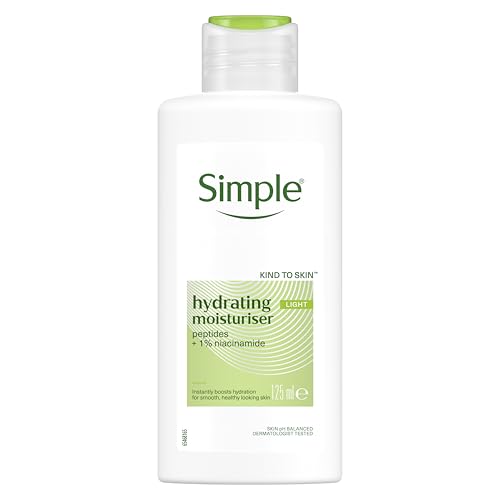
Simple
Hydrating Light Moisturiser
moisturizer · 125 ml · 30 ingredients
- Fragrance-free
- No essential oils
- No coconut oil, isopropyl myristate and other heavy, pore-clogging emollients
- With niacinamide

Balea
Korean Style Dewy Water Moisturising Cream
moisturizer · 50 ml · 21 ingredients
- Fragrance-free
- No essential oils
- No coconut oil, isopropyl myristate and other heavy, pore-clogging emollients
- With niacinamide
When to see a professional
Consult a board-certified dermatologist if your acne is causing or risking scarring, involves painful nodular or cystic lesions, has not responded to 12 weeks of OTC treatment, or is causing significant psychological distress. If acne coincides with menstrual irregularity, excess facial or body hair, or weight gain around the abdomen, see your GP to rule out PCOS or hormonal imbalance — these conditions may require different first-line management beyond dietary changes.
Frequently asked questions
What does the latest 2025 evidence say about diet and acne?
The core dietary-acne framework (high-GL foods and dairy as the primary triggers, omega-3s as protective) remains intact and continues to be supported by newer research. A 2025 review in PMC (Nutrients/international consensus statement) examined medical nutrition therapy in dermatological diseases including acne and confirmed the insulin/IGF-1/mTORC1 pathway as the mechanistic consensus. The field is increasingly nuanced about individual variation — not everyone with acne responds to the same dietary triggers — but the evidence base for GI-focused dietary management continues to grow.
Does cutting out dairy actually clear acne, and how long does it take?
Some people see meaningful improvement, others see little change — individual variation is real. The meta-analysis data shows a population-level association, but population-level ORs of 1.25–1.32 do not mean dairy causes acne in everyone. If dairy is a personal trigger, expect 4–8 weeks for results after eliminating milk and whey-based products; the follicular cycle takes at least that long to reflect dietary changes. A clean elimination trial (cutting all milk and whey for 6 weeks, then reintroducing) is the most informative approach.
Does sugar directly cause acne?
Yes — refined sugar is the glycemic culprit in high-GL diets. Sugary drinks, sweets, and foods with added sugar spike insulin rapidly, which then elevates IGF-1 and activates the mTORC1 sebum-and-keratin pathway. This is why ice cream appears in both the dairy and high-GL data as a particularly strong signal. Reducing total added sugar is one of the most impactful dietary changes for insulin-mediated acne.
Is whey protein bad for acne?
There is reasonable evidence it can be. Whey protein is highly insulinotropic, delivers a concentrated dose of branched-chain amino acids that activate mTORC1, and is functionally similar to concentrated dairy whey — the same mechanistic driver as milk. Several case reports and small observational studies link whey supplementation to new or worsening acne. If you consume whey and have acne, a 6-week trial switching to pea or rice protein is a sensible experiment.
What should I eat to reduce acne?
The dietary pattern with the best evidence for skin health is a low-glycemic Mediterranean-style diet: vegetables, legumes, whole grains, olive oil, fatty fish (omega-3 source), and limited refined carbohydrates and dairy. Zinc (from oysters, pumpkin seeds, meat) and omega-3 fatty acids (fatty fish, fish oil supplement) have specific trial evidence for reducing acne lesion counts. Eating whole, minimally processed foods without high-GL triggers is the most actionable summary.
Does greasy food cause acne?
Not directly through skin contact — acne is an internal process. However, many greasy fast foods are high in refined carbohydrates and/or dairy, which are the true triggers. A burger with a white-flour bun and cheese contains both. The 'greasy food causes acne by touching your skin' myth is false; the glycemic load and dairy content of those meals is the actual mechanism.
Health information, not medical advice.
Beauty Comparison is an independent editorial publication. This page is researched and sourced to the authorities listed below, but it is general information — not a diagnosis or a substitute for personalised advice from a qualified doctor, dermatologist or pharmacist. If your symptoms are severe, spreading, painful, or not improving, see a healthcare professional.Sources
- 01Dairy Intake and Acne Vulgaris: A Systematic Review and Meta-Analysis of 78,529 Children, Adolescents, and Young Adults — PubMed Central / Nutrients, 2018-08-09. Meta-analysis of 14 studies (n=78,529) found any dairy OR 1.25, any milk OR 1.28, low-fat/skim milk OR 1.32, yogurt OR 1.36 for acne; ≥2 glasses milk/day OR 1.43.
- 02Effects of Diet on Acne and Its Response to Treatment — PubMed Central / Dermato-Endocrinology, 2021-01-14. Reviews RCT evidence that low-GL diets reduce acne lesions; NutriNet-Santé cohort data showing milk OR 1.12 and milk chocolate OR 1.28; omega-3 RCT (45 patients) significantly reducing acne lesion counts; mTORC1 as the shared dietary acne pathway.
- 03Effect of a Low-Glycemic-Load Diet and Dietary Counseling on Acne Vulgaris Severity Among Female Patients Aged 15 to 35 Years — PubMed / Cureus, 2024-11-01. 12-week dietary counseling trial (n=50) reduced average acne severity from 2.68 to 1.56; reduced high-GL food consumption from 60% to 40% in treatment group.
- 04Omega-3 Versus Omega-6 Polyunsaturated Fatty Acids in the Prevention and Treatment of Inflammatory Skin Diseases — PubMed Central / International Journal of Molecular Sciences, 2020-01-23. Combined omega-3 and GLA supplementation reduces inflammatory acne lesions; omega-3s lower IGF-1 and leukotriene B4; Mediterranean dietary patterns recommended over isolated supplementation.
- 05Can the Right Diet Get Rid of Acne? — American Academy of Dermatology (aad.org). AAD acknowledges research linking high-glycaemic foods and dairy (especially skim milk) to acne and advises patients to track personal dietary triggers; positions diet as adjunctive to proven treatments.
- 06Medical Nutrition Therapy in Dermatological Diseases: Joint Consensus Statement — PubMed Central / Nutrients, 2025-04-01. Confirms insulin/IGF-1/mTORC1 as mechanistic consensus for dietary acne; supports low-GL and dairy-reduced dietary approaches as adjunctive management; notes individual variation in dietary response.