Anti-Inflammatory Diet for Clear Skin: What to Eat
The short answer
A Mediterranean-style low-glycemic diet rich in omega-3s, polyphenols.
What Is an Anti-Inflammatory Diet for Skin?
An anti-inflammatory diet is not a single rigid protocol — it is a pattern of eating that consistently reduces the biochemical drivers of inflammation: oxidative stress, pro-inflammatory eicosanoids, elevated insulin and IGF-1, and gut dysbiosis. For skin health specifically, the most evidence-supported realization of that pattern is a Mediterranean-style, low-glycemic diet rich in omega-3 fatty acids, diverse polyphenols, and dietary fiber.
What the diet is not: a detox, a fast, a supplement stack, or a cure for any skin condition. It is an adjunctive strategy — meaningful, evidence-supported, and without meaningful downsides when implemented as whole-food dietary shifts.
What Does the Evidence Actually Say?
Psoriasis
A December 2025 review in the American Journal of Clinical Dermatology examined the full body of evidence for dietary management of psoriasis. Mediterranean diet adherence showed an inverse correlation with psoriasis disease activity across multiple studies — the most consistent dietary finding in psoriasis research. Omega-3 PUFAs (fish oil) produced modest but measurable PASI score reductions. Low-calorie diets benefited overweight/obese psoriasis patients significantly, suggesting that anti-inflammatory eating and weight management are synergistic.
Acne
Multiple randomized controlled trials show that low-glycemic-load diets reduce acne lesion counts within 10–12 weeks. A 45-patient RCT demonstrated omega-3 supplementation (fish oil) significantly reduced both inflammatory and non-inflammatory lesion counts. The NutriNet-Santé cohort (24,452 participants) identified fish consumption as inversely associated with acne.
Atopic Dermatitis
A 2020 review in International Journal of Molecular Sciences found that combined omega-3 and GLA supplementation showed the strongest potential for reducing atopic dermatitis severity among dietary interventions, though results across individual omega-3 trials were mixed. Dietary support via fiber and probiotics targeting the gut microbiome shows growing mechanistic support.
Rosacea
The dietary evidence for rosacea is primarily observational and mechanistic. Anti-inflammatory dietary patterns reduce systemic inflammatory markers (CRP, TNF-α, IL-6) that are elevated in rosacea pathophysiology, but head-to-head rosacea dietary trials are sparse. Specific rosacea dietary triggers (alcohol, spicy food, hot beverages) are individual and distinct from the inflammatory pathway targeted by anti-inflammatory eating.
The Core Anti-Inflammatory Foods
1. Fatty Fish (Omega-3 Powerhouse)
Salmon, sardines, mackerel, anchovies, herring are the highest-value additions for skin inflammation. EPA and DHA from these fish:
- Compete directly with arachidonic acid (the omega-6 fatty acid that generates pro-inflammatory prostaglandins and leukotriene B4) for COX and LOX enzyme pathways
- Reduce sebum IGF-1 signaling in acne-prone skin
- Produce specialized pro-resolving mediators (SPMs) — lipoxins, resolvins, protectins — that actively resolve inflammation rather than just inhibit it
Aim for: 2–3 servings of fatty fish weekly. If dietary fish is limited, a purified fish oil supplement providing 1–2 g combined EPA + DHA daily is a reasonable alternative.
2. Colorful Vegetables and Fruits
The polyphenols, carotenoids, and vitamin C in brightly colored plant foods reduce oxidative stress — a key amplifier of NF-κB, the master switch for inflammatory cytokine production in skin.
High-value choices:
- Dark leafy greens (spinach, kale, Swiss chard): vitamin C, lutein, folate
- Berries (blueberries, strawberries, raspberries): anthocyanins, quercetin, ellagic acid
- Tomatoes: lycopene — a carotenoid with UV-protective and anti-inflammatory properties
- Orange and yellow vegetables (sweet potato, carrots, pumpkin): beta-carotene, a precursor to vitamin A (which skin requires at the dermal level)
- Broccoli and cruciferous vegetables: sulforaphane activates Nrf2, reducing oxidative stress
3. Extra-Virgin Olive Oil
EVOO is the fat cornerstone of the Mediterranean diet. Its benefits for skin inflammation come from:
- Oleocanthal — a natural phenolic compound with COX-inhibiting activity mechanistically similar to ibuprofen
- Oleuropein and hydroxytyrosol — potent antioxidants
- High monounsaturated fat content that does not compete with omega-3 for inflammatory enzyme pathways the way omega-6 seed oils do
Replace refined vegetable oils (sunflower, corn, soybean) with EVOO as your primary cooking fat.
4. Legumes
Lentils, chickpeas, black beans, and kidney beans are low-glycemic, high-fiber, and high in zinc. The low glycemic index blunts insulin spikes (reducing IGF-1 acne-signaling), and dietary fiber feeds beneficial gut bacteria that produce anti-inflammatory short-chain fatty acids.
5. Whole Grains (Intact, Not Just Whole-Grain Labeled)
Oats, quinoa, barley, and whole-grain rye have substantially lower glycemic indexes than white bread and refined cereals. The key difference is whether the grain's physical structure remains intact — which slows enzymatic digestion and produces a lower, more sustained glucose curve. "Whole-grain" labeled products can still be finely milled and high-GL.
6. Green Tea
Epigallocatechin gallate (EGCG), green tea's most studied polyphenol, has shown:
- Anti-sebum properties in sebocyte cultures
- Reduction of C. acnes-induced inflammation in vitro
- Antioxidant and NF-κB-suppressing activity
Preliminary human trials are encouraging but small. Green tea is a low-risk, genuinely bioactive addition — 2–3 cups daily contributes meaningfully to polyphenol intake.
7. Nuts and Seeds
Walnuts are particularly relevant — they provide a meaningful omega-3 source (alpha-linolenic acid / ALA) and polyphenols. Brazil nuts provide selenium, which supports antioxidant enzyme systems. Pumpkin seeds are one of the highest dietary sources of zinc, which has specific clinical evidence as an anti-inflammatory agent in acne (zinc sulfate has been shown to reduce acne lesion counts in RCTs, though with weaker effect than antibiotics).
What to Reduce or Avoid
High-Glycemic Foods
The clearest actionable target. White bread, sugary drinks, sweetened cereals, pastries, and chips spike insulin, elevate IGF-1, activate mTORC1, and drive sebum overproduction and follicular hyperkeratinization. These are the primary dietary drivers of acne and potentially worsen psoriasis through metabolic inflammation.
High-Omega-6 Vegetable Oils
Corn oil, soybean oil, sunflower oil, and safflower oil dominate ultra-processed food production. They are high in linoleic acid, which converts to arachidonic acid — the substrate for COX-2 and LOX inflammatory enzymes. The modern 15–20:1 omega-6 to omega-3 ratio (versus the ancestral ~4:1) is a structural driver of systemic inflammation.
Dairy and Whey Protein
Dairy — especially milk and whey protein supplements — elevates insulin and IGF-1 independently of glycemic load. For people with acne, dairy is the most common actionable dietary trigger (a meta-analysis of 78,529 individuals found OR 1.25 for any dairy). Non-dairy plant alternatives (oat milk, almond milk, soy milk — unsweetened) avoid this pathway.
Ultra-Processed Foods
Beyond their glycemic load, ultra-processed foods are high in refined seed oils, advanced glycation end products (AGEs), and chemical emulsifiers that disrupt gut barrier integrity — feeding the gut-skin inflammatory axis.
Alcohol
Alcohol promotes gut permeability, raises systemic inflammation, dehydrates skin, and is a specific rosacea trigger. A Mediterranean-style diet includes moderate wine (for resveratrol) in its traditional form, but for skin-focused anti-inflammatory eating, alcohol should be minimized.
Anti-Inflammatory Diet vs. Supplementation
| Approach | Evidence | Notes |
|---|---|---|
| Mediterranean dietary pattern | Strongest — inverse correlations with psoriasis, acne, and inflammatory markers | Synergistic; addresses multiple pathways simultaneously |
| Omega-3 fish oil supplement (≥1 g EPA+DHA) | Moderate — RCT evidence in acne, psoriasis; mixed in atopic dermatitis | Useful when dietary fish is insufficient |
| Zinc supplement (zinc gluconate/sulfate, 30–40 mg elemental zinc) | Moderate — RCT evidence in acne | GI side effects at high doses; dietary zinc from food is preferable |
| Vitamin D (if deficient) | Moderate for atopic dermatitis and psoriasis in deficiency states | Test levels before supplementing; excess vitamin D is not beneficial |
| Green tea extract | Preliminary — promising in vitro and small trials | Low risk; drinking brewed green tea preferable to extracts |
| Probiotics | Limited but growing — some benefit in eczema; less data for acne/psoriasis | Strain matters; Lactobacillus species most studied |
Practical 7-Day Meal Direction (Not a Meal Plan)
Rather than a rigid plan, these principles applied daily constitute the anti-inflammatory skin diet:
Breakfast: Oats or whole-grain bread + eggs or Greek yogurt (in moderation) + berries or fruit. No sugary cereal, no white toast.
Lunch: Large salad with EVOO dressing + legumes (chickpeas, lentils) or fatty fish + colorful vegetables.
Dinner: Fatty fish (salmon, sardines, mackerel) or lean poultry + two handfuls of non-starchy vegetables + a small serving of whole grain or legume.
Snacks: Walnuts, pumpkin seeds, fruit, raw vegetables with hummus, green tea. Avoid processed snacks, sugary drinks.
Fats: EVOO as primary cooking fat. Avocado. Limit refined seed oils.
Does an Anti-Inflammatory Diet Replace Dermatology Treatment?
No. For any established skin condition — acne, psoriasis, eczema, rosacea — dietary management is adjunctive to evidence-based medical treatment:
- Acne: Topical retinoids (adapalene, tretinoin), benzoyl peroxide, and salicylic acid remain first-line. Diet reduces the inflammatory load but does not clear established acne independently.
- Psoriasis: Biologics, topical corticosteroids, phototherapy, and systemic agents are the evidence-based backbone. Diet reduces inflammation but cannot achieve the clinical response that modern biologics do.
- Atopic dermatitis: Emollients, topical corticosteroids, dupilumab (for moderate–severe disease), and trigger avoidance remain the standard of care.
An anti-inflammatory dietary pattern should be discussed with your dermatologist, particularly if you are managing a systemic inflammatory skin condition, as it may support treatment response and reduce flare frequency.
Products that fit: sensitive skin
Picked by code from each product's full ingredient list.

Anua
3 Ceramide Panthenol Moisture Barrier Cream
moisturizer · 100 ml · 63 ingredients
- Fragrance-free
- No essential oils
- No drying alcohol
- No MI/MCI
- No menthol, camphor and witch hazel

Naturium
Marshmallow Root Barrier Balm
moisturizer · 50 g · 58 ingredients
- Fragrance-free
- No essential oils
- No drying alcohol
- No MI/MCI
- No menthol, camphor and witch hazel
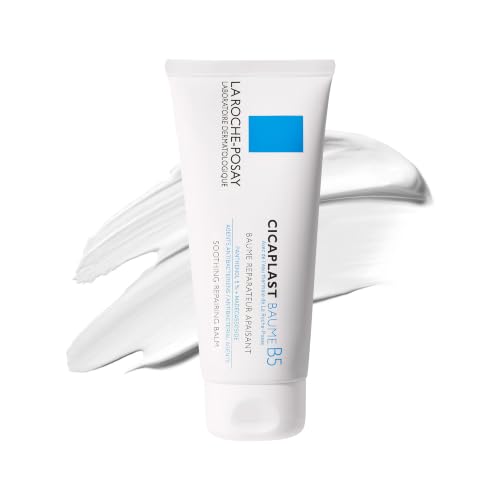
La Roche-Posay
Cicaplast Baume B5 Soothing Repair
moisturizer · 100 ml · 33 ingredients
- Fragrance-free
- No essential oils
- No drying alcohol
- No MI/MCI
- No menthol, camphor and witch hazel

Beauty of Joseon
Red Bean Water Gel
moisturizer · 99.9 ml · 58 ingredients
- Fragrance-free
- No essential oils
- No drying alcohol
- No MI/MCI
- No menthol, camphor and witch hazel
Frequently asked questions
What does the latest 2025–2026 evidence say about anti-inflammatory diet and skin?
A comprehensive December 2025 review in the American Journal of Clinical Dermatology confirmed that Mediterranean dietary adherence inversely correlates with psoriasis disease activity across multiple studies. A 2025 PMC systematic review on omega-3/omega-6 specialized pro-resolving mediators found preclinical evidence consistently supporting omega-3 modulation of inflammatory pathways in psoriasis, atopic dermatitis, and acne. The consensus is stable: Mediterranean, low-glycemic, omega-3-rich eating is the most evidence-based dietary approach for inflammatory skin conditions — no major revisions to this framework in recent literature.
How long does it take for an anti-inflammatory diet to improve skin?
Expect 8–12 weeks minimum for meaningful changes in acne or inflammatory skin conditions. Skin cell turnover takes 4–6 weeks, and systemic inflammatory markers typically take 8+ weeks to shift measurably with dietary change. Some individuals notice reduced redness and fewer breakouts sooner (4–6 weeks), particularly after eliminating a personal trigger like dairy. Be consistent and combine with appropriate topical treatment to see the full benefit.
Is the Mediterranean diet the best diet for skin health?
Based on current evidence, yes — it is the dietary pattern with the most consistent positive associations across multiple skin conditions (acne, psoriasis, atopic dermatitis, and inflammatory markers associated with skin aging). It is also the most studied and most practically sustainable. Other anti-inflammatory approaches (plant-based, low-GI, elimination diets) may help individuals, but the Mediterranean pattern has the broadest evidence base.
Are omega-3 supplements as effective as eating fatty fish?
Fish is preferable because it delivers EPA and DHA alongside protein, vitamin D, selenium, and a matrix of nutrients that likely have synergistic effects. Supplements are a practical alternative when dietary fish is insufficient. For clinical effect on inflammatory skin conditions, studies have typically used 1,000–2,000 mg combined EPA + DHA daily. Look for third-party tested, oxidation-free products with separate EPA and DHA amounts listed on the label.
Can diet cure eczema or psoriasis?
No. Dietary change can meaningfully reduce the frequency and severity of flares, particularly for psoriasis patients who are overweight and for those with identified food sensitivities. But the pathophysiology of both conditions involves genetic immune dysregulation that dietary change cannot reverse. Dupilumab (for eczema) and biologics (for psoriasis) produce clinical response rates that no dietary intervention approaches. Diet is a complementary strategy, not a replacement for medical treatment.
Health information, not medical advice.
Beauty Comparison is an independent editorial publication. This page is researched and sourced to the authorities listed below, but it is general information — not a diagnosis or a substitute for personalised advice from a qualified doctor, dermatologist or pharmacist. If your symptoms are severe, spreading, painful, or not improving, see a healthcare professional.Sources
- 01Nutrition and Psoriasis: The Latest Evidence and How to Approach Nutrition in Clinical Practice — PubMed Central / American Journal of Clinical Dermatology, 2025-12-01. Mediterranean diet adherence inversely correlates with psoriasis disease activity across multiple studies; omega-3 PUFAs show modest PASI reductions; weight loss strongly benefits overweight/obese psoriasis patients.
- 02Omega-3 Versus Omega-6 Polyunsaturated Fatty Acids in the Prevention and Treatment of Inflammatory Skin Diseases — PubMed Central / International Journal of Molecular Sciences, 2020-01-23. Combined omega-3 and GLA supplementation shows highest potential for reducing inflammation in atopic dermatitis, psoriasis, and acne; omega-3s compete with arachidonic acid via COX and LOX pathways, reducing pro-inflammatory eicosanoids.
- 03Effects of Diet on Acne and Its Response to Treatment — PubMed Central / Dermato-Endocrinology, 2021-01-14. Low-GL diets reduce acne lesion counts in RCTs; omega-3 supplementation RCT (45 patients) significantly reduced inflammatory and non-inflammatory lesion counts; mTORC1 identified as the shared dietary acne pathway.
- 04Specialized Pro-Resolving Lipid Mediators and Dietary Omega-3/6 Fatty Acids in Selected Inflammatory Skin Diseases: A Systematic Review — PubMed Central / Nutrients, 2025-02-01. 57-study systematic review: preclinical data consistently demonstrate that omega-3-derived SPMs modulate key inflammatory pathways, support epithelial repair, and help restore immune balance in psoriasis, atopic dermatitis, and acne.
- 05The gut-skin axis: a bi-directional, microbiota-driven relationship with therapeutic potential — PubMed Central / Gut Microbes, 2025-03-06. Dietary fiber and omega-3s support gut microbiome diversity; butyrate and SCFAs from fiber fermentation modulate systemic immunity and skin inflammation through the gut-skin axis.
- 06Medical Nutrition Therapy in Dermatological Diseases: Joint Consensus Statement — PubMed Central / Nutrients, 2025-04-01. Expert consensus on anti-inflammatory dietary approaches in dermatological disease; Mediterranean diet identified as the evidence-based dietary pattern of choice for multiple skin conditions.