Dermal Fillers: Types, Areas, Risks & What's Realistic
The short answer
Dermal fillers add volume to soft tissue to fill lines, restore contour.
What Are Dermal Fillers?
Dermal fillers (also called soft-tissue fillers) are injectable substances placed into the skin or deeper tissues to add volume, smooth lines, restore facial contours, and enhance features. They are medical devices regulated by the FDA and are not interchangeable — different materials have different indications, durations, complication profiles, and degrees of reversibility.
The global filler market is large: millions of procedures are performed annually, and filler use has grown substantially over the past two decades. That popularity makes patient education essential — fillers are not without risk, and result quality varies enormously based on provider expertise and material selection.
The FDA-Approved Filler Materials
1. Hyaluronic Acid (HA)
Hyaluronic acid is a naturally occurring glycosaminoglycan found throughout the body — in skin, joints, and connective tissue. Injectable HA fillers are cross-linked (chemically modified) to resist enzymatic breakdown and extend their duration beyond the few hours native HA would last.
Key properties:
- Reversibility: HA fillers can be dissolved with hyaluronidase — an enzyme that breaks down the cross-linked gel. This is the critical safety advantage that makes HA the preferred first-line filler for almost all zones.
- Duration: 6–12 months in most areas; lips tend to metabolize faster (4–6 months) due to high movement.
- Texture range: HA gels are manufactured in different viscosities. Thin, soft gels suit superficial lines and lips; thick, cohesive gels suit deep structural placement in cheeks and jawline.
- Brand families: Juvederm (Vycross and Allergan HA lines), Restylane (Q-Med/Galderma), Belotero, RHA Collection — each cross-linking technology produces different rheological properties.
Best suited for: lips, nasolabial folds, marionette lines, tear troughs (with experienced technique), cheeks, and any area where reversibility is a priority.
2. Calcium Hydroxylapatite (CaHA)
CaHA consists of calcium microspheres (the same mineral found in bones and teeth) suspended in a gel carrier. It is fully biocompatible and biodegradable.
Key properties:
- Mechanism: Provides immediate volume through the gel carrier AND stimulates new collagen production around the microspheres over time — a biostimulatory effect.
- Duration: 12 months or more; the collagen-stimulating effect may persist longer than the gel itself.
- Consistency: Denser and more viscous than most HA products — this makes it excellent for deep structural placement but unsuitable for superficial or delicate zones.
- Not reversible: No enzyme can dissolve CaHA; complications must resolve naturally or be managed with other interventions.
Best suited for: Deep cheek augmentation, jawline definition, dorsal hand rejuvenation. Not suitable for lips or periorbital areas due to density and lumpiness risk in high-mobility zones.
Brand: Radiesse (Merz Aesthetics) is the primary FDA-approved CaHA product.
3. Poly-L-Lactic Acid (PLLA)
PLLA is a synthetic, biodegradable polymer (the same material used in resorbable sutures) that works almost entirely through biostimulation rather than immediate volumization.
Key properties:
- Mechanism: PLLA microparticles trigger a mild inflammatory response that activates fibroblasts, stimulating Type I collagen synthesis. Volume builds gradually over weeks to months.
- Onset: No immediate volumizing effect — patients must commit to a multi-session protocol (typically 2–3 sessions) and wait 3–6 months for peak results.
- Duration: 2 years or more once the collagen response is established.
- Risk: Nodule formation is the characteristic complication, particularly if product is placed too superficially or in high-movement areas. Technique is critical.
Best suited for: Diffuse volume loss in cheeks and temples, global facial rejuvenation in patients with significant collagen depletion. Requires patient patience and experienced technique.
Brand: Sculptra Aesthetic (Galderma) — FDA approved for nasolabial folds and facial lipoatrophy.
4. Polymethyl Methacrylate (PMMA)
PMMA consists of synthetic microspheres in a collagen suspension. The microspheres are not absorbed — this makes PMMA a semi-permanent filler.
Key properties:
- Duration: Long-lasting structural results; the microspheres remain indefinitely while the collagen carrier absorbs.
- Not reversible: No dissolution agent exists for PMMA.
- Technique demands: Requires precise placement by an experienced injector. Improper depth or volume leads to irreversible lumps, nodules, and contour irregularities.
Best suited for: Deep nasolabial fold correction in carefully selected patients who understand the permanent nature of the product. Expert practitioners only.
Brand: Bellafill (Suneva Medical) — FDA approved for nasolabial folds and acne scars.
Filler by Material: Quick Comparison
| Material | Reversible | Typical Duration | Biostimulatory | Best Zones |
|---|---|---|---|---|
| Hyaluronic acid | Yes (hyaluronidase) | 6–12 months | No | Lips, NLF, tear trough, cheeks |
| Calcium hydroxylapatite | No | 12+ months | Yes | Cheeks, jawline, hands |
| Poly-L-lactic acid | No | 2+ years | Yes (primary effect) | Cheeks, temples, diffuse volume |
| PMMA | No | Semi-permanent | Partial | NLF (experienced practitioners) |
Areas Fillers Can Treat
Upper Face
- Tear troughs (under-eye hollow): One of the most technically demanding areas. A thin, low-viscosity HA gel placed carefully in the tear trough ligament area reduces the shadowed hollow. High risk of Tyndall effect (bluish discoloration) if placed too superficially. Experienced injectors only.
- Temples: Volume loss here contributes to a skeletonized look. PLLA or CaHA placed deep in the temporal fossa restores contour.
Mid Face
- Cheeks: The most requested filler area. Lifting and volumizing the mid-face repositions the overlying soft tissue, softening nasolabial folds indirectly. CaHA or thick HA provides structural support; PLLA builds gradual volume.
- Nasolabial folds (smile lines): The first area most people notice volume loss. HA fillers in the fold directly soften the line; cheek augmentation addresses the cause from above.
Lower Face
- Lips: High movement requires a soft, flexible HA gel. Enhancement focuses on volume, border definition, and hydration. Overfilled or poorly projected lips are among the most visible filler mistakes.
- Marionette lines: Lines running from the corners of the mouth to the chin. HA filler placed in the modiolus and along the fold line softens the downturn expression.
- Chin and jawline: Structural enhancement with CaHA or thick HA. Elongating the chin or sharpening the jawline can dramatically improve facial proportion without surgery.
Nose ("Non-Surgical Rhinoplasty")
One of the highest-risk areas given dense vascular anatomy. Small amounts of HA can camouflage a dorsal hump or lift a drooping tip. Requires expert anatomical knowledge; vascular occlusion risk is elevated.
Risks and Complications
Immediate (Within 24 Hours)
- Redness, swelling, tenderness, bruising at injection sites — expected and self-resolving within days to 2 weeks.
- Asymmetry — often resolves as swelling settles; can be addressed at review.
- Injection-site pain — managed with topical lidocaine (many modern fillers contain lidocaine premixed).
Delayed (2 Weeks to 19 Months)
A 2022 analysis of FDA's MAUDE database (2016–2020) identified 195 confirmed delayed complications from HA fillers:
- Nodules (71.8% of delayed events): inflammatory nodules (42.1%) or non-inflammatory nodules (29.7%). Most common in lips (41.4%), nasolabial folds (23.6%), and marionette lines (22.1%).
- Hypersensitivity reactions (21.5%): can present as swelling, redness, or firm lumps; managed with corticosteroids and antihistamines.
- Granulomas (6.7%): foreign body granulomas are the most difficult delayed complication to manage; may require intralesional steroids, hyaluronidase, or — in severe cases — surgical removal.
The overall incidence of delayed complications is estimated at 0.02%–4% depending on product and technique.
Serious: Vascular Occlusion
The most feared filler complication is inadvertent intra-arterial injection, causing blockage of blood supply to tissue (vascular occlusion) or propagation of embolic material into the ophthalmic circulation.
Consequences can include:
- Skin necrosis (tissue death) from ischemia — appears as blanching, then livedo reticularis (mottled purple), then dark discoloration.
- Vision loss or blindness from retinal artery occlusion — irreversible once the retina has been ischemic. Research indicates irreversible damage can occur in as little as 12–15 minutes of retinal hypoxia.
- Stroke (cerebrovascular event) from embolic material reaching intracranial vessels.
Highest-risk anatomical zones: glabella (between the brows), nose, and forehead — areas where facial arteries anastomose with ophthalmic branches of the internal carotid system.
Management: For HA fillers, immediate high-dose hyaluronidase infiltration (1,500 units is the CMAC-recommended protocol) is the primary intervention. Prompt treatment with vigorous massage and heat application has been shown to prevent tissue necrosis. Hyaluronidase cannot reliably reach the retinal artery, making vision loss from retinal occlusion particularly difficult to reverse.
The primary safety measure is provider expertise — detailed knowledge of facial vascular anatomy, avoidance of high-risk zones at depth, use of blunt cannulas where appropriate, and immediate recognition of occlusion signs.
What Fillers Cannot Do
Setting realistic expectations is as important as understanding what fillers can achieve. Fillers:
- Cannot lift significantly lax skin. Volume restoration supports tissue, but skin laxity — redundant skin — requires surgical intervention (facelift, blepharoplasty) or energy-based tightening devices.
- Cannot address dynamic expression wrinkles. Movement-driven lines (frown lines, forehead lines, crow's feet) require botulinum toxin, not filler. See the Botox guide.
- Cannot correct etched pigmentation. Post-inflammatory hyperpigmentation, melasma, and sun spots require topical actives or laser treatments.
- Cannot permanently solve volume loss. All current biodegradable fillers require maintenance; PMMA is semi-permanent but carries irreversibility risks.
Choosing a Provider
Filler complications correlate strongly with injector skill and anatomical knowledge. Prioritize:
- Board certification in dermatology or plastic surgery, or formal training in aesthetic medicine with documented filler expertise.
- Access to hyaluronidase on-site — every clinic injecting HA fillers must have hyaluronidase available to manage vascular emergencies immediately.
- Anatomy-first consultation — your provider should assess your facial anatomy, volume distribution, and skin quality before discussing products. A good injector declines to treat when treatment is not indicated.
- Transparency about product — know what brand and material is being injected, and at what volume.
Avoid: unlicensed practitioners, "filler parties," unknown or imported products, and any provider who cannot explain their emergency vascular occlusion protocol.
How to Prepare and What to Expect
Before:
- Hold NSAIDs, aspirin, and fish oil for 7–10 days if medically safe to reduce bruising.
- Avoid alcohol 24 hours before.
- If you have a history of cold sores (herpes labialis) and are having lip fillers, discuss prophylactic antivirals with your provider — the injection trauma can trigger an outbreak.
The procedure:
- Varies by area. Lip filler: 10–20 minutes. Full cheek + nasolabial session: 30–45 minutes.
- Most modern fillers contain premixed lidocaine (2% for Juvederm) — topical numbing cream provides additional comfort.
- Immediate swelling is normal and can make results look exaggerated immediately after treatment.
After:
- Swelling peaks at 24–48 hours; settle-in period is 2 weeks. Assess final results at 2 weeks, not the same day.
- Avoid strenuous exercise, high heat, and vigorous face touching for 24 hours.
- Bruising resolves in 5–10 days with arnica (topical or oral) and avoidance of further aspirin/NSAIDs.
Products that fit: sensitive skin
Picked by code from each product's full ingredient list.

Anua
3 Ceramide Panthenol Moisture Barrier Cream
moisturizer · 100 ml · 63 ingredients
- Fragrance-free
- No essential oils
- No drying alcohol
- No MI/MCI
- No menthol, camphor and witch hazel

Naturium
Marshmallow Root Barrier Balm
moisturizer · 50 g · 58 ingredients
- Fragrance-free
- No essential oils
- No drying alcohol
- No MI/MCI
- No menthol, camphor and witch hazel
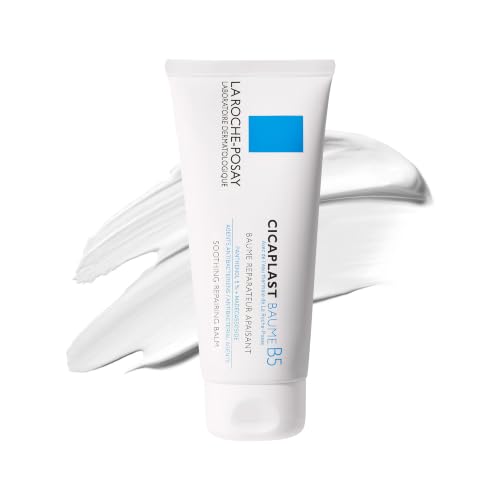
La Roche-Posay
Cicaplast Baume B5 Soothing Repair
moisturizer · 100 ml · 33 ingredients
- Fragrance-free
- No essential oils
- No drying alcohol
- No MI/MCI
- No menthol, camphor and witch hazel

Beauty of Joseon
Red Bean Water Gel
moisturizer · 99.9 ml · 58 ingredients
- Fragrance-free
- No essential oils
- No drying alcohol
- No MI/MCI
- No menthol, camphor and witch hazel
Frequently asked questions
Are dermal fillers safe in 2026?
Dermal fillers are generally safe when administered by trained practitioners using FDA-approved products. The evidence base is extensive — millions of procedures are performed annually globally. However, serious complications including vascular occlusion, tissue necrosis, and vision loss are documented and cannot be completely eliminated with any product or technique. The FDA continues to monitor post-market adverse events through the MAUDE database and has issued safety communications about vascular complications. The risk is meaningfully reduced by choosing providers with specific training in facial anatomy and avoiding high-risk zones in inexperienced hands. HA fillers carry the additional safeguard of reversibility with hyaluronidase.
How do I know if I need fillers or Botox?
The question to ask is: are the lines or concerns you see present at rest, or only when your face is moving? Volume loss (hollow cheeks, thin lips, sunken tear troughs, deep nasolabial folds) and static lines at rest are filler indications. Dynamic expression wrinkles — forehead lines that appear when you raise your brows, frown lines between the brows, crow's feet when you squint — are neuromodulator (Botox) indications. Many patients benefit from both. A thorough consultation with an experienced injector will clarify which approach (or combination) suits your anatomy.
Can filler migration happen, and how do I prevent it?
Yes, filler migration — product spreading beyond the intended injection site — is a real phenomenon, particularly in high-movement areas and with inappropriate product selection or technique. It is most commonly reported in the lip area, where mobile muscles can gradually shift soft, low-viscosity gel. Choosing the right filler rheology for the location, avoiding overfilling, and using an experienced injector substantially reduce migration risk. If migration occurs in an HA filler, it can be dissolved with hyaluronidase and re-treated correctly.
What is the Tyndall effect and can it be fixed?
The Tyndall effect is a blue-gray discoloration that appears when HA filler is placed too superficially in thin-skinned areas (typically under the eyes or on fine lip borders). Light scatters differently through the shallow gel layer, producing the visible blue hue. It is not a bruise and does not resolve on its own. The treatment is hyaluronidase — dissolving the superficially placed filler. It can then be safely re-treated with the correct technique at appropriate depth.
What should I do if I notice blanching or pain after a filler injection?
Blanching (white discoloration) immediately or shortly after injection is an emergency sign of possible vascular occlusion — blocked blood supply to the skin. Other warning signs include severe pain out of proportion to the injection, a mottled purple/livedo pattern, or any visual change. If you notice any of these signs, alert your provider immediately. Treatment with hyaluronidase must begin within minutes for the best chance of preventing necrosis. If you are not in a clinic setting and experience visual changes after filler, go to an emergency department immediately.
How long do lip fillers last?
Lip fillers typically last 4–6 months — shorter than most other filler sites because the lips are high-movement tissue and tend to metabolize HA more rapidly. Some patients find their first round lasts longer than subsequent treatments as their body develops a local inflammatory response, while others see the opposite. Choosing a product specifically formulated for lips (lower cross-linking density, more flexible gel) optimizes both longevity and natural feel.
Health information, not medical advice.
Beauty Comparison is an independent editorial publication. This page is researched and sourced to the authorities listed below, but it is general information — not a diagnosis or a substitute for personalised advice from a qualified doctor, dermatologist or pharmacist. If your symptoms are severe, spreading, painful, or not improving, see a healthcare professional.Sources
- 01Dermal Fillers (Soft Tissue Fillers) — FDA Overview — U.S. Food and Drug Administration (fda.gov). FDA regulates dermal fillers as medical devices; most serious risk is unintentional injection into a blood vessel causing necrosis, vision abnormalities including blindness, and stroke; FDA-approved materials include HA, CaHA, PLLA, and PMMA.
- 02Postmarket Safety Surveillance of Delayed Complications for Recent FDA-Approved Hyaluronic Acid Dermal Fillers — PubMed Central / Dermatologic Surgery, 2022-02-01. From 585 MAUDE reports (2016–2020): nodules constituted 71.8% of delayed complications (inflammatory 42.1%, non-inflammatory 29.7%), hypersensitivity 21.5%, granulomas 6.7%; onset 2 weeks to 19 months; overall delayed complication incidence 0.02%–4%.
- 03Guideline for the Management of Hyaluronic Acid Filler-Induced Vascular Occlusion — PubMed Central / Journal of Clinical and Aesthetic Dermatology, 2021-06-01. Glabella, nose, and forehead are very high risk for vascular occlusion; retinal infarction can occur in 12–15 minutes of hypoxia; CMAC recommends 1,500 units hyaluronidase protocol; prompt treatment prevents necrosis; blindness from retinal artery occlusion remains difficult to reverse.
- 04Hyaluronidase for Dermal Filler Complications: Review of Applications and Dosage Recommendations — PubMed Central / Journal of Cosmetic Dermatology, 2024-02-01. Hyaluronidase yields 84.2% partial or total recovery rate for HA vascular occlusions; delays beyond five days correlate with permanent deficits; hyaluronidase is the first-line treatment for HA filler complications.
- 05Conditions to Consider When Choosing Fillers — PubMed Central / Aesthetic Surgery Journal, 2025-03-01. HA fillers recommended for novice practitioners due to reversibility; CaHA suited to deep structural zones (jawline, cheeks); PLLA biostimulatory mechanism; PMMA semi-permanent; high-viscosity fillers for deep placement only; superficial placement risks overfilled syndrome.
- 06Fillers: FAQs — AAD Patient Education — American Academy of Dermatology (aad.org). AAD patient education on filler types, duration expectations, and provider selection for cosmetic dermal fillers.