Botox (Botulinum Toxin): How It Works, What to Expect
The short answer
Botox relaxes wrinkle-causing muscles by blocking acetylcholine.
What Is Botox?
Botox is the trade name for onabotulinumtoxinA, a purified form of botulinum toxin type A (BoNT-A) produced by Clostridium botulinum. In aesthetics, "botox" is used colloquially for the entire class of neuromodulator injectables — which includes Dysport (abobotulinumtoxinA), Xeomin (incobotulinumtoxinA), Jeuveau (prabotulinumtoxinA), and Daxxify (daxibotulinumtoxinA).
All BoNT-A products share an identical mechanism but differ in molecular formulation, unit dosing, and diffusion properties. They are not interchangeable unit-for-unit: a unit of Dysport is not equivalent to a unit of Botox.
How Botox Works: The Mechanism
Botulinum toxin produces its effect through four sequential steps at the neuromuscular junction:
- Binding — The heavy chain of the toxin binds to specific receptors (SV2 proteins) on the surface of presynaptic cholinergic nerve terminals. This takes approximately 30 minutes.
- Internalization — Receptor-mediated endocytosis draws the toxin-receptor complex inside an endosome.
- Translocation — The acidic endosomal environment triggers the heavy chain to form a pore, allowing the light chain to escape into the cytoplasm.
- Cleavage — The light chain, a zinc-dependent endopeptidase, cleaves SNAP-25 (synaptosomal-associated protein 25), a core component of the SNARE complex. Without an intact SNARE complex, synaptic vesicles cannot dock with the plasma membrane and acetylcholine cannot be released.
The result: the muscle supplied by that nerve cannot contract, producing the characteristic softening of dynamic expression lines. The effect is reversible — functional recovery occurs as nerve terminals sprout new axonal processes over approximately 3–4 months.
Why This Matters Cosmetically
Facial wrinkles fall into two categories:
- Dynamic wrinkles — visible only during muscle movement (squinting, frowning, smiling). These are the primary target of BoNT-A.
- Static wrinkles — present at rest, etched into the skin by years of repeated folding, collagen loss, and photoaging.
Botox is most effective on dynamic wrinkles. Static wrinkles at rest require collagen-building strategies (retinoids, lasers) or volume restoration (dermal fillers). With consistent long-term use, some static lines soften as the muscle is repeatedly kept at rest, allowing the dermis partial repair.
FDA-Approved Cosmetic Indications
As of 2026, onabotulinumtoxinA (Botox Cosmetic) holds four FDA-approved cosmetic indications — more than any other neuromodulator:
| Indication | First FDA Approval |
|---|---|
| Glabellar frown lines ("11s") | 2002 |
| Lateral canthal lines (crow's feet) | 2013 |
| Forehead lines | 2017 |
| Platysma neck bands | October 2024 |
Other products (Dysport, Xeomin, Jeuveau) are FDA-approved for glabellar lines. Many other cosmetic applications — brow lift, lip flip, chin dimpling, "Nefertiti" jawline, hyperhidrosis — are performed off-label by experienced injectors.
What to Expect: The Procedure
Before the Appointment
- Avoid blood thinners (aspirin, NSAIDs, fish oil, vitamin E) for 7–10 days if possible to reduce bruising risk — ask your clinician.
- Arrive with a clean face (no heavy makeup in the treatment zones).
- Expect a brief consultation reviewing your goals, medical history, and consent.
During the Appointment
A typical upper-face cosmetic session takes 10–20 minutes. The clinician maps your facial anatomy and muscle activity, then delivers small injections using a fine needle. Most people describe the sensation as a minor sting. Topical numbing cream is optional; most patients do not require it.
Standard dosing ranges (onabotulinumtoxinA):
| Area | Typical Female Dose | Typical Male Dose |
|---|---|---|
| Glabella (frown lines) | 20 units | 40–60 units |
| Forehead | 10–15 units | 20–30 units |
| Crow's feet (each side) | 6–12 units | 10–20 units |
These are indicative ranges. Actual dosing is highly individualized based on muscle mass, desired effect, and injector technique.
After the Appointment
- Return to most activities immediately — this is a "lunchtime" procedure.
- Avoid lying flat for 4 hours, vigorous exercise for 24 hours, and rubbing the injection sites.
- Onset: visible relaxation within 1–4 days; full effect at 1–4 weeks.
- Duration: 3–4 months for most patients. Some patients with higher muscle mass or faster metabolism may see 8–10 weeks; experienced long-term users sometimes report 5–6 months.
How Long Does Botox Last?
The published literature consistently reports effects lasting 3–4 months in cosmetic studies. Hyperhidrosis (excessive sweating) treatments tend to last longer — approximately 7 months. With repeated treatment over years, some patients find the interval between sessions gradually lengthens, possibly because the repeatedly inhibited muscle undergoes mild atrophy.
Factors that shorten duration:
- High muscle bulk (especially in men)
- High metabolic rate / intense cardiovascular exercise
- Injecting too few units
- Younger patients (faster neuronal regeneration)
Factors that may extend duration:
- Cumulative treatment history
- Lower baseline muscle mass
Side Effects and Risks
Common (Mild, Self-Resolving)
- Injection-site bruising — the most frequent complaint; lasts ~1 week. Applies ice pre- and post-injection reduces risk.
- Headache — reported in approximately 5–10% of patients; resolves within 2–4 weeks.
- Injection-site redness, swelling, or tenderness — typically resolves within hours to a few days.
- Mild muscle weakness adjacent to injection site — expected; is the point of treatment.
Less Common but Clinically Important
- Ptosis (drooping eyelid or brow) — occurs when toxin spreads to the levator palpebrae superioris or frontalis beyond the target zone. Incidence is less than 1% in experienced hands. Fully reversible as toxin wears off; can be partially treated with apraclonidine eye drops (alpha-agonist that slightly lifts the lid).
- Ectropion or strabismus — rare; occurs with periocular injections; fully reversible.
- Asymmetry — can be corrected at a 2-week follow-up if muscle activity is uneven.
Rare and Serious
The AAD states that no serious side effects — including breathing or swallowing difficulties — have ever been reported when cosmetic doses are used by trained dermatologists for aesthetic indications. The lethal dose in humans is vastly higher than cosmetic doses (estimated LD50 approximately 1–2 ng/kg intravenously, compared to the micrograms used cosmetically).
Contraindications
Botox must not be used in:
- Pregnancy or breastfeeding
- Neuromuscular junction diseases: myasthenia gravis, ALS, Eaton-Lambert syndrome, multiple sclerosis
- Active infection or inflammation at the injection site
- Known hypersensitivity to botulinum toxin or formulation components (human albumin, saline)
- Patients taking aminoglycoside antibiotics (potentiate neuromuscular blockade)
Who Should Administer Botox?
Botulinum toxin is a prescription-only drug. It must be prescribed and ideally administered by a licensed medical professional — dermatologist, plastic surgeon, or trained aesthetic physician. In the UK, new regulations (effective October 2023) require a prescriber to be involved in all botulinum toxin cosmetic procedures.
Choosing a Provider
Look for:
- A board-certified dermatologist or plastic surgeon, or a formally trained aesthetic clinician
- Experience specifically in facial anatomy and injectable aesthetics
- Before-and-after portfolios for the specific areas you want treated
- A consultation that includes detailed facial muscle assessment, not just a price quote
Avoid "Botox parties," unlicensed practitioners, and the gray market. Counterfeit and diluted products circulate outside medical channels.
Botox vs. Dermal Fillers: Understanding the Difference
These are frequently confused — and frequently combined:
| Feature | Botox / Neuromodulators | Dermal Fillers |
|---|---|---|
| Mechanism | Relaxes muscle activity | Adds volume to tissue |
| Primary target | Dynamic wrinkles | Volume loss, static lines, contour |
| Duration | 3–4 months | 6–18+ months depending on product |
| Reversibility | Fades naturally | HA fillers can be dissolved with hyaluronidase |
| Common areas | Forehead, glabella, crow's feet | Lips, cheeks, nasolabial folds, under-eye |
Many aesthetic clinicians use both in a single session ("liquid facelift") to address both muscle activity and volume. See the dermal fillers guide for a full breakdown.
How to Evaluate Your Results
Assess at 2 weeks, when the toxin is at full effect. If one side is more relaxed than the other, or if the result is underwhelming, a small touch-up is appropriate at this window. Most experienced injectors offer this as part of the treatment.
At 3 months, if the muscles are clearly activating again and lines are returning, schedule your next appointment. Waiting until lines are deeply re-established does not benefit the skin.
Realistic Expectations
Botox is highly effective for what it does: temporarily reducing the muscle activity that creates dynamic wrinkles. It does not:
- Restore lost volume (that requires fillers or biostimulators)
- Erase deep static lines at rest (though they may gradually soften over years of consistent treatment)
- Lift significantly sagging skin (surgical intervention or energy-based devices are more appropriate)
- Permanently change the face
For patients who want to use it early as a preventative strategy, see the preventative Botox guide.
Products that fit: sensitive skin
Picked by code from each product's full ingredient list.

Anua
3 Ceramide Panthenol Moisture Barrier Cream
moisturizer · 100 ml · 63 ingredients
- Fragrance-free
- No essential oils
- No drying alcohol
- No MI/MCI
- No menthol, camphor and witch hazel

Naturium
Marshmallow Root Barrier Balm
moisturizer · 50 g · 58 ingredients
- Fragrance-free
- No essential oils
- No drying alcohol
- No MI/MCI
- No menthol, camphor and witch hazel
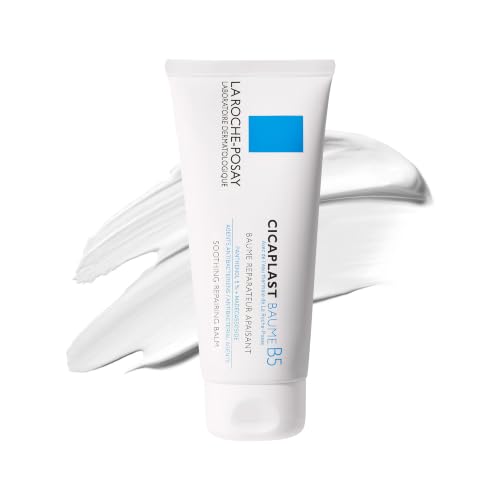
La Roche-Posay
Cicaplast Baume B5 Soothing Repair
moisturizer · 100 ml · 33 ingredients
- Fragrance-free
- No essential oils
- No drying alcohol
- No MI/MCI
- No menthol, camphor and witch hazel

Beauty of Joseon
Red Bean Water Gel
moisturizer · 99.9 ml · 58 ingredients
- Fragrance-free
- No essential oils
- No drying alcohol
- No MI/MCI
- No menthol, camphor and witch hazel
Frequently asked questions
Is Botox still recommended by dermatologists in 2026?
Yes. Botulinum toxin type A remains the most commonly performed cosmetic procedure globally, with well-established FDA approvals and a safety record spanning more than two decades of clinical use. The American Academy of Dermatology supports its use for appropriate cosmetic indications when performed by trained practitioners. No new safety signals have emerged that change the risk-benefit balance for healthy, non-pregnant adults. In October 2024, the FDA expanded the cosmetic approval for onabotulinumtoxinA to include platysma neck bands — reflecting ongoing confidence in the drug class.
How much does Botox hurt?
Most patients describe the injections as a mild sting or pinch — brief and well tolerated without anesthesia by the majority. The needles used are very fine (30–32 gauge). Topical numbing cream can be applied 20–30 minutes before if you are particularly sensitive, but is not required. Discomfort is typically over in seconds per injection site.
What happens if I stop getting Botox?
If you stop treatments, your muscles gradually regain full activity over 3–4 months as the toxin wears off. Your face returns to its baseline — Botox does not accelerate aging or cause your wrinkles to worsen beyond what they would have been naturally. There is no rebound effect. Any softening of static wrinkles achieved during the treatment period may gradually reverse, but it does not leave you worse off than before you started.
Can Botox cause a 'frozen' look?
The frozen appearance associated with over-treated faces is a result of excessive dosing, not an inherent property of botulinum toxin. Skilled injectors use conservative doses that reduce dynamic movement while preserving natural expression. A good result looks refreshed, not immobile. If you are concerned, specifically request a 'natural-movement' approach and consider starting with a conservative dose — you can always add more at your 2-week review.
How long after Botox can I exercise?
The standard advice is to avoid vigorous physical exercise, excessive heat (saunas, hot yoga), and lying flat for 4 hours post-treatment. The rationale is to minimize migration of the toxin away from the injection site and to reduce bruising risk. After 24 hours, normal exercise can resume. There is limited high-quality evidence that exercise meaningfully shortens Botox duration, but some practitioners advise keeping cardiovascular intensity moderate for 48 hours as a precaution.
Is Botox safe if I take blood thinners or aspirin?
Botox itself does not interact with blood thinners, but anticoagulants and antiplatelet agents significantly increase bruising risk at injection sites. If you take prescription anticoagulants (warfarin, clopidogrel, novel oral anticoagulants), discuss with your prescribing physician before stopping them — do not discontinue without medical guidance. OTC blood thinners (aspirin, NSAIDs, fish oil, high-dose vitamin E) can generally be held for 7–10 days before the appointment if this is safe for you medically.
Health information, not medical advice.
Beauty Comparison is an independent editorial publication. This page is researched and sourced to the authorities listed below, but it is general information — not a diagnosis or a substitute for personalised advice from a qualified doctor, dermatologist or pharmacist. If your symptoms are severe, spreading, painful, or not improving, see a healthcare professional.Sources
- 01Botulinum Toxin A for Reducing the Appearance of Facial Wrinkles: A Literature Review — PubMed Central / Journal of Clinical and Aesthetic Dermatology, 2019-05-01. Mechanism of BoNT-A: binds SV2 receptors, internalizes via endocytosis, cleaves SNAP-25 to block acetylcholine release; standard cosmetic dose 20 units; effects onset 1–4 days, peak 1–4 weeks, duration up to 120 days; contraindications include neuromuscular disease and pregnancy.
- 02The Mechanisms of Action and Use of Botulinum Neurotoxin Type A in Aesthetics: Key Clinical Postulates II — PubMed Central / Aesthetic Surgery Journal Open Forum, 2020-11-01. All BoNT-A products share identical mechanism — preventing acetylcholine release at the synaptic cleft; men require 40–80 units for glabella versus women's 20–35 units; clinical duration 3–5 months depending on dose, technique, and patient demographics; onset as early as 6 hours.
- 03A Systematic Review and Comparative Analysis of Botox Treatment in Aesthetic and Therapeutic Applications — PubMed Central / Journal of Cosmetic Dermatology, 2024-09-01. 38,367 adverse events reported for Botox Cosmetic across studies; common complications are eyelid/brow ptosis and muscular weakness; most adverse events not linked to severe outcomes; long-term use raises concerns about decreased facial expressiveness.
- 04Botulinum Toxin Therapy: Overview — AAD Patient Education — American Academy of Dermatology (aad.org). AAD states no serious side effects have been reported when cosmetic doses are used by trained dermatologists; results visible in 3–7 days; improvements last 3–4 months; bruising lasts approximately 1 week.
- 05BOTOX Cosmetic Receives FDA Approval for Platysma Bands — AbbVie Press Release — AbbVie / PRNewswire, 2024-10-18. OnabotulinumtoxinA received FDA approval in October 2024 for platysma bands, making it the first and only neuromodulator with four FDA-approved cosmetic indications.
- 06Botox (onabotulinumtoxinA) Mechanism of Action — PMC Review — PubMed Central / Frontiers in Neurology, 2023-07-01. BoNT-A selectively cleaves SNAP-25 via zinc-dependent endopeptidase light chain; nerve terminal sprouting drives functional recovery at 3–4 months; hyperhidrosis duration approximately 7 months; toxin modulates pain via TRPV1 and substance P suppression.