Eczema on Face: Causes, Triggers & What to Put On It
The short answer
Facial eczema causes red, itchy, flaking skin on cheeks, eyelids, and around the mouth.
Eczema on the Face: Why It Is Different
Eczema on the face presents unique challenges that distinguish it from eczema on the body. Facial skin is significantly thinner and more vascular than skin on the trunk and limbs, which means:
- Topical medications penetrate more readily, increasing both efficacy and side-effect risk
- High-potency topical corticosteroids — used safely on the body — are contraindicated on the face due to the elevated risk of skin atrophy, striae, telangiectasia, and periocular complications
- The face is constantly exposed to environmental triggers: weather, airborne allergens, fragrance, sunscreen ingredients
- Visible changes on the face carry a disproportionate psychological and social impact
Understanding these differences is essential for managing facial eczema effectively and safely.
Where Facial Eczema Typically Appears
In Infants
In early infancy, eczema almost always begins on the face before any other body site. Characteristic areas:
- Cheeks and chin — the classic presentation; often bilateral, erythematous, and scaling
- Forehead and scalp
- Around the mouth and nose — often worse with drooling or teething
- The diaper area and skin folds are typically spared at this age
As the infant develops and begins to crawl (around 6–12 months), eczema often spreads to the extensor surfaces of the legs and then to the flexural creases — the inner elbows, behind the knees — which become the dominant sites in childhood.
In Children and Adults
By childhood and adulthood, facial eczema may involve:
- Eyelids (periorbital eczema): A particularly common and difficult-to-treat area; eyelid skin is extremely thin; rubbing the eyes worsens lichenification
- Around the mouth (perioral eczema): Often worse with food contact, drooling in younger children, or lip-licking
- The forehead and temples
- The periauricular area (around and behind the ears)
- The neck — often contiguous with facial involvement
Dennie-Morgan folds — subtle infraorbital skin folds beneath the lower lids — are a classic sign of atopic dermatitis of the face and are a useful clinical marker.
Common Triggers for Facial Eczema
The face is uniquely exposed to a wide range of potential triggers:
| Trigger Category | Examples |
|---|---|
| Fragrance and cosmetic ingredients | Perfumes, scented moisturizers, fragranced cleansers, essential oils, botanical extracts |
| Airborne allergens | House dust mite, pollen, animal dander — land on the face directly |
| Contact allergens | Nickel (earrings, spectacle frames), rubber (mask straps), preservatives |
| Temperature and weather | Cold wind, low humidity in winter; heat and sweating in summer |
| Physical irritants | Rough fabrics, facial tissue/toilet paper with fragrance or lotion |
| Stress | Triggers or worsens flares via neuroimmune pathways |
| Skin infections | S. aureus colonization of the face is common and worsens flares |
| Sunscreen ingredients | Certain chemical UV filters cause reactions; mineral (zinc oxide, titanium dioxide) is generally better tolerated |
Identifying your personal triggers requires observation and sometimes patch testing. A fragrance-free, dye-free routine is a baseline non-negotiable — not optional.
Ingredients to Avoid on Eczema-Prone Facial Skin
Because the face is more permeable and facial eczema skin is sensitized, the ingredient list on every product matters more than on unaffected skin:
Always avoid:
- Fragrance/parfum of any kind — synthetic or natural — including plant-derived fragrance
- Essential oils (tea tree, lavender, citrus, eucalyptus) — common contact sensitizers
- Sodium lauryl sulfate (SLS) in cleansers — disrupts the barrier and causes stinging
- Alcohol denat. (denatured alcohol) in toners or serums — extremely drying and barrier-disrupting
- Retinol and AHAs during active flares — increase irritation; safe to use during remission under dermatologist guidance
- Botanical extracts with high sensitization potential: calendula, chamomile, arnica, feverfew, lanolin
Generally safe and beneficial:
- Ceramides — restore depleted barrier lipids
- Petrolatum (petroleum jelly) — occlusive, hypoallergenic, and highly effective as an emollient
- Glycerin — humectant with good tolerability in eczema skin
- Colloidal oatmeal — anti-inflammatory and soothing; FDA-recognized for eczema symptom claims
- Niacinamide — anti-inflammatory; supports barrier function; generally well tolerated at 2–5%
- Hyaluronic acid — humectant; well tolerated; apply on damp skin
What to Put on Facial Eczema: A Step-by-Step Approach
Step 1: Gentle, Fragrance-Free Cleansing
Use a creamy, soap-free, fragrance-free cleanser formulated for sensitive or eczema-prone skin. Avoid foaming cleansers with SLS. Wash with lukewarm water — not hot, which strips barrier lipids. Pat dry gently with a soft cloth; do not rub.
Frequency: Once daily is often sufficient for facial eczema in adults; twice daily if you wear sunscreen or cosmetics. Over-cleansing strips the already-impaired barrier.
Step 2: Apply Emollient While Skin Is Still Damp
Within 3 minutes of washing — ideally while skin is still slightly damp — apply a fragrance-free moisturizer. This timing seals moisture into the skin and provides the greatest barrier benefit.
For the face, creams are generally preferable to ointments (less occlusive, more cosmetically acceptable). Look for ceramide-containing or petrolatum-based formulations. Apply a thin, even layer to the entire face, not just visibly affected areas — the surrounding skin is barrier-compromised even if not acutely inflamed.
Step 3: Apply Prescription Treatment to Active Areas
Once the emollient has absorbed (a few minutes), apply prescription or OTC treatment only to areas of active eczema, not to healthy skin.
For the face, appropriate options include:
- Hydrocortisone 1% (OTC): Safe short-term use on the face; suitable for mild flares; do not use for more than 7–10 days continuously without medical guidance
- Topical calcineurin inhibitors (prescription):
- Tacrolimus 0.03% ointment: Approved for ages 2+ on the face; for children
- Tacrolimus 0.1% ointment: More potent; preferred for adults with moderate-to-severe facial eczema
- Pimecrolimus 1% cream: Slightly less effective than tacrolimus 0.1% but cosmetically lighter; useful for mild facial eczema
- Crisaborole 2% ointment: PDE4 inhibitor; approved from age 3 months; an alternative to TCIs for mild-to-moderate facial eczema
What NOT to use on the face:
- Medium- or high-potency corticosteroids (triamcinolone, mometasone, betamethasone, clobetasol) — risk atrophy, telangiectasia, and periocular changes including cataract and glaucoma
Step 4: Sunscreen (Every Morning)
UV exposure can worsen eczema and trigger post-inflammatory hyperpigmentation. Daily SPF 30+ is recommended.
For eczema-prone facial skin, mineral sunscreens (zinc oxide, titanium dioxide) are generally better tolerated than chemical UV filters — they sit on top of the skin rather than penetrating it, and zinc oxide has mild anti-inflammatory properties. Look for fragrance-free, alcohol-free formulations.
Eyelid Eczema: Special Considerations
Eyelid skin is among the thinnest on the body (approximately 0.5 mm). This makes it highly susceptible to both eczema and to medication side effects.
Key points for eyelid eczema:
- Even low-potency corticosteroids on the eyelids carry risk of elevated intraocular pressure, cataract formation, and periocular atrophy with prolonged use — use for short courses only under medical supervision
- Tacrolimus 0.03% is generally the preferred option for eyelid eczema in children; tacrolimus 0.1% in adults — both are effective without atrophy risk
- Pimecrolimus 1% cream is an alternative for milder eyelid involvement
- Apply carefully using a clean fingertip, avoiding the inner corner of the eye and the lid margin
- Contact lens wearers should apply at night after removing lenses
Persistent or severe periorbital eczema should be reviewed by a dermatologist and in some cases an ophthalmologist — chronic eye-rubbing can cause structural changes to the cornea (keratoconus) and lid malposition.
When Topicals Are Not Enough: Systemic Options
For facial eczema that is moderate-to-severe, widespread, or fails to respond adequately to topicals:
Dupilumab (Dupixent) is the biologic most frequently selected for adults and children with significant facial involvement. Clinical trial evidence demonstrates meaningful improvement in facial and head/neck involvement scores. Importantly, a noted side effect in some patients is dupilumab-related head and neck dermatitis — a paradoxical inflammatory reaction in the face and neck that may require switching treatment; it is thought to involve a Th2-to-Th17 shift. This affects an estimated 1–9% of dupilumab-treated patients and should be reported to the prescribing dermatologist.
Phototherapy is less commonly used for isolated facial eczema due to the challenge of protecting the eyes; it remains an option when facial disease is part of widespread involvement.
Makeup and Camouflage for Facial Eczema
Many people with facial eczema want to use makeup to camouflage affected skin. This is safe with appropriate product selection:
- Choose fragrance-free, mineral-based formulations wherever possible
- Avoid setting powders with talc on acutely inflamed skin — they absorb moisture and worsen dryness
- Removal matters as much as application: micellar water or a gentle cleansing oil followed by a fragrance-free foam cleanser is less irritating than scrubbing with wipes
- Avoid makeup on actively weeping or infected skin
When to See a Dermatologist for Facial Eczema
Facial eczema warrants prompt specialist review if:
- It is not controlled by the measures above after 4–6 weeks
- Eyelid skin is severely affected (risk of eye complications)
- You are using OTC hydrocortisone more than intermittently — a sign that prescription therapy is needed
- There are signs of secondary infection: golden crusting, rapidly spreading redness, or painful erosions
- Eczema herpeticum is suspected (painful punched-out blisters on the face — a medical emergency)
- The condition is significantly affecting mental health, relationships, or daily activities
Products that fit: eczema-prone skin
Picked by code from each product's full ingredient list.

Gold Bond
Lot Eczema Reli Size 8z Gold Bond Eczema Relief Lotion 8z
moisturizer · 226 g · 32 ingredients
- Fragrance-free
- No essential oils
- No labelled fragrance allergens
- No drying alcohol
- No MI/MCI
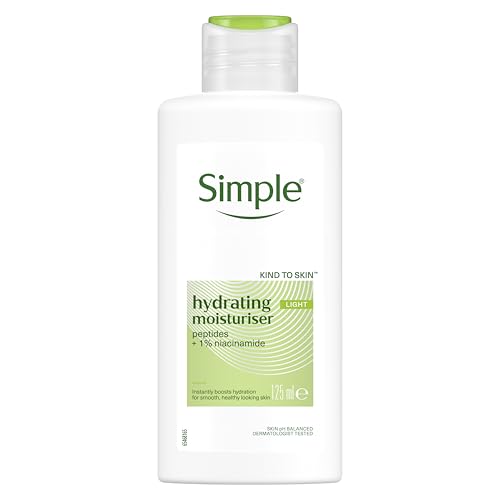
Simple
Hydrating Light Moisturiser
moisturizer · 125 ml · 30 ingredients
- Fragrance-free
- No essential oils
- No labelled fragrance allergens
- No drying alcohol
- No MI/MCI
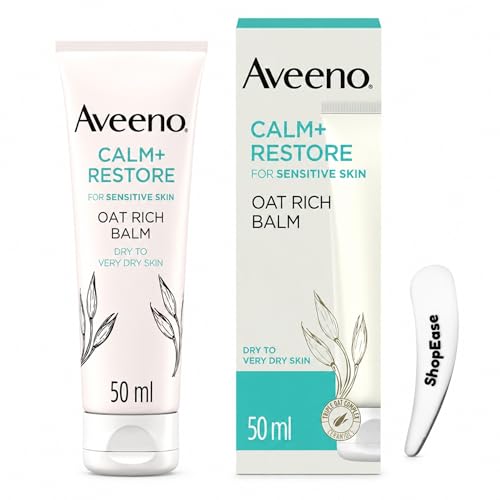
Aveeno
Calm+ Restore Oat Rich Balm
moisturizer · 50 ml · 18 ingredients
- Fragrance-free
- No essential oils
- No labelled fragrance allergens
- No drying alcohol
- No MI/MCI

Aveeno
Dermexa Daily Emollient Cream
moisturizer · 200 ml · 17 ingredients
- Fragrance-free
- No essential oils
- No labelled fragrance allergens
- No drying alcohol
- No MI/MCI
When to see a professional
See a dermatologist if facial eczema is not controlled by fragrance-free emollients and short-course hydrocortisone 1% after 4–6 weeks; if eyelids are significantly affected (risk of eye complications); if you are using OTC hydrocortisone repeatedly (a prescription steroid-sparing agent is needed); if secondary infection is suspected (golden crusting, rapidly spreading redness, pain); if eczema herpeticum is suspected (painful punched-out blisters on the face — this is a medical emergency); or if the condition is meaningfully affecting mental health, work, or relationships. Seek ophthalmology review for persistent periorbital involvement or any visual symptoms.
Frequently asked questions
Is it safe to use cortisone cream on my face for eczema in 2026?
Low-potency topical corticosteroids — specifically hydrocortisone 1% (OTC) — are safe for short-term use on the face (typically 7–10 days continuously at most). Medium- and high-potency steroids (triamcinolone, mometasone, betamethasone, clobetasol) should not be used on facial skin without close dermatologist supervision, as they carry a significantly elevated risk of skin atrophy, telangiectasia, and periocular complications including cataract and glaucoma. For longer-term control of facial eczema, topical calcineurin inhibitors (tacrolimus, pimecrolimus) are the safer choice — they control inflammation without causing atrophy.
Why does eczema keep coming back on my face?
Facial eczema tends to recur because the underlying skin barrier defect and immune dysregulation are persistent, not curable. Trigger re-exposure (fragrance, cold weather, stress, allergens), Staphylococcus aureus colonization, and inadequate daily emollient use between flares all contribute to the relapsing cycle. Consistent daily moisturization, trigger avoidance, and proactive use of topical anti-inflammatories at the first sign of a flare (rather than waiting until the skin is severely affected) substantially reduce relapse frequency.
Can eczema on the face be confused with rosacea or seborrhoeic dermatitis?
Yes, and this is a real diagnostic challenge — particularly for adult facial eczema. Rosacea produces redness, flushing, and sometimes papules or pustules, but lacks the intense pruritus and lichenification of eczema. Seborrhoeic dermatitis typically affects oily areas (nasolabial folds, eyebrows, hairline) with a greasy, yellowish scale, and responds to antifungal treatments rather than emollients or steroids alone. A board-certified dermatologist can differentiate these conditions — and occasionally they co-exist, so treatment needs to address each component separately.
What is the best sunscreen for eczema-prone facial skin?
Mineral sunscreens with zinc oxide and/or titanium dioxide are generally best tolerated on eczema-prone facial skin — they sit on the skin surface rather than penetrating it, and zinc oxide has mild anti-inflammatory properties. Look for formulas that are fragrance-free, alcohol-free, and free of chemical UV filters that are more likely to cause reactions (oxybenzone, octinoxate, avobenzone). Some people tolerate chemical sunscreens fine; patch test first. SPF 30+ minimum, reapplied every 2 hours in direct sun.
Can eczema affect the eyes?
Yes. Periorbital (around-the-eye) eczema is common in atopic dermatitis. Beyond skin involvement, people with moderate-to-severe atopic dermatitis have a higher risk of specific eye complications including keratoconus (corneal thinning from chronic eye-rubbing), anterior subcapsular cataracts, and posterior uveitis. These are not inevitable but warrant awareness, particularly in people with longstanding severe eczema. Chronic use of topical or systemic steroids for eczema also independently raises cataract and glaucoma risk. People with significant periorbital eczema should have periodic ophthalmological review.
Health information, not medical advice.
Beauty Comparison is an independent editorial publication. This page is researched and sourced to the authorities listed below, but it is general information — not a diagnosis or a substitute for personalised advice from a qualified doctor, dermatologist or pharmacist. If your symptoms are severe, spreading, painful, or not improving, see a healthcare professional.Sources
- 01Eczema types: Atopic dermatitis diagnosis and treatment — American Academy of Dermatology (AAD). Treatment options for atopic dermatitis including topical calcineurin inhibitors (preferred for face/skin folds), crisaborole, roflumilast, ruxolitinib, dupilumab (FDA-approved from age 6 months); trigger avoidance including fragrance and skin-irritating fabrics.
- 02Topical calcineurin inhibitors for atopic dermatitis — PubMed Central / NIH, 2023-11-01. Tacrolimus 0.1% ointment is at least equivalent to moderate-potency topical corticosteroids; tacrolimus and pimecrolimus are the preferred treatment for facial and eyelid eczema — they do not cause skin atrophy; chronic facial and flexural lesions are the most justified indication for TCIs.
- 03From the Cochrane Library: Topical Tacrolimus for Atopic Dermatitis — PubMed Central / Cochrane Library, 2023-07-01. Tacrolimus 0.1% superior to low-potency TCS for eczema (RR 3.09); equivalent to moderate-potency TCS; 10-year safety study of 7,954 children found no lymphoma cases; burning/pruritus in 30–50% of early users, resolving to <10% by 6 months.
- 04Atopic Dermatitis: A Review of Diagnosis and Treatment — PubMed Central / NIH, 2024-12-01. Age-specific eczema distribution: infants — face, cheeks, scalp; children — flexural creases; adults — variable. Staphylococcus aureus colonizes >90% of AD patients. Dupilumab approved from age 6 months with favorable safety profile; dupilumab-associated head and neck dermatitis occurs in a subset of patients.
- 05Eczema vs. Psoriasis: What's the Difference? — Cleveland Clinic Health Essentials. Eczema on the face typically affects skin folds and periorbital areas; dennie-morgan folds as a clinical feature; contact allergens vs. internal triggers; distinction between eczema and rosacea/seborrhoeic dermatitis in facial presentations.
- 06How To Choose the Best Eczema Cream — Cleveland Clinic Health Essentials. Ingredients to seek for eczema: ceramides, petrolatum, glycerin, colloidal oatmeal, hyaluronic acid. Ingredients to avoid: fragrance/parfum, essential oils, lanolin, sodium lauryl sulfate, olive oil, alcohol denat. Mineral sunscreens preferred over chemical UV filters for eczema-prone facial skin.