Best Moisturizers for Eczema: Fragrance-Free, Barrier-First
The short answer
The best eczema moisturizers are thick.
What Makes a Moisturizer Actually Work for Eczema
Most moisturizers are marketed with general language: "hydrating," "nourishing," "soothing." For eczema skin, none of these claims reflect what the science demands. To understand what to choose, you need to understand what eczema skin is missing.
The Deficit: What Eczema Skin Lacks
Atopic dermatitis skin has three structural deficits in its stratum corneum (outer skin layer):
- Depleted ceramides — ceramides make up approximately 50% of the lipids in the stratum corneum. Eczema skin has significantly reduced ceramide levels, especially ceramide 1 and 3, which are critical for structuring the lipid bilayers that hold the barrier together.
- Reduced natural moisturizing factor (NMF) — NMF is a collection of amino acids, urea, lactic acid, and pyrrolidone carboxylic acid that draw water into the corneocytes and keep it there. In eczema, filaggrin mutations reduce NMF production.
- Increased transepidermal water loss (TEWL) — as a consequence of the above, water evaporates from eczema skin at an abnormally high rate, leading to perpetual dryness regardless of water intake.
An effective eczema moisturizer addresses all three by providing emollient function (softening), humectant function (drawing water in), and occlusive function (sealing water in).
The Three Types of Moisturizing Ingredients
Understanding these categories helps you read a label intelligently:
Occlusives (Seal Moisture In)
These form a physical barrier on the skin surface, reducing TEWL. They are most effective:
- Petrolatum (petroleum jelly): The most effective occlusive ingredient available — reduces TEWL by over 98%. Hypoallergenic, stable, inexpensive. The main drawbacks are aesthetics (greasy feel). For body eczema it is outstanding; for the face, many people prefer lighter vehicles.
- Dimethicone (silicone): A lighter, less greasy alternative occlusive — lower TEWL reduction than petrolatum but cosmetically more acceptable.
- Lanolin: Effective occlusive, but a known contact allergen in sensitized individuals — a patch test positive rate of approximately 1–3% in the general population and higher in those with eczema who have been exposed through many products. Avoid in patch-test-positive individuals.
- Beeswax: Mild occlusive; generally well tolerated.
Emollients (Soften and Smooth)
Fill in the cracks between corneocytes, reducing the rough, flaking texture:
- Ceramides (ceramide NP, ceramide AP, ceramide EOP) — the closest structural match to the skin's own barrier lipids; replaces the specific lipids depleted in eczema
- Fatty acids (linoleic acid, stearic acid) — structural components of the lipid matrix
- Shea butter, cocoa butter — natural plant-derived occlusive emollients; reasonably well tolerated (rare sensitization)
- Glycerides, squalane — lightweight emollients; good tolerability
Humectants (Draw Water In)
Pull moisture from the environment (or deeper skin layers) into the stratum corneum:
- Glycerin (glycerol): The most widely used humectant in eczema skincare; excellent tolerability; multiple clinical studies support its use in atopic dermatitis. A glycerol-containing cream significantly prolongs flare-free periods in clinical trials.
- Hyaluronic acid: Draws large amounts of water when applied on damp skin; apply on damp skin in humid environments for best effect.
- Urea (5–10%): Dual action — humectant and mild keratolytic (loosens dead skin cells); 5% urea delays relapse of atopic dermatitis in clinical evidence; useful for thick, lichenified eczema patches.
- Colloidal oatmeal: Humectant properties from starches and beta-glucans, plus anti-inflammatory effects from avenanthramides; the only ingredient FDA-permitted for nonprescription eczema symptom claims.
- Lactic acid (low concentration, ≤5%): Humectant; also gently exfoliates thickened eczema skin.
What to Avoid: The Eczema Moisturizer Blacklist
These ingredients are common in mainstream skincare but should be avoided by anyone with eczema-prone skin:
| Ingredient to Avoid | Why |
|---|---|
| Fragrance/parfum (any form, synthetic or natural) | Leading cause of contact dermatitis in eczema; allergens include linalool, limonene, eugenol, geraniol, cinnamal |
| Essential oils (tea tree, lavender, citrus, eucalyptus, rose) | Concentrated plant allergens; cause contact sensitization; worse on barrier-compromised eczema skin |
| Sodium lauryl sulfate (SLS) | Potent barrier disruptor; used in cleansers but found in some "moisturizing" washes; causes stinging and worsening |
| Methylisothiazolinone (MI) and methylchloroisothiazolinone (MCI) | Preservatives that are among the most common patch test positives in eczema patients |
| Formaldehyde and formaldehyde releasers (DMDM hydantoin, quaternium-15, diazolidinyl urea) | Contact allergens; release formaldehyde slowly; patch test positives in sensitized individuals |
| Olive oil | Despite its natural origin and popularity, olive oil has a high oleic acid content that disrupts the lipid bilayers of the stratum corneum; multiple studies have shown it worsens barrier function versus no oil |
| Alcohol denat. (SD alcohol) | Rapidly evaporates, acutely dehydrates the epidermis; found in many toners and lightweight serums — avoid in eczema moisturizers |
| Lanolin | Effective occlusive but a known sensitizer in eczema patients; avoid unless you have specifically confirmed tolerance |
| Propylene glycol (high concentration) | At higher concentrations, can be irritating to compromised eczema skin |
The "natural" trap: Many naturally-derived and organic products contain botanical extracts, essential oils, and plant butters that are the most potent contact allergens encountered by eczema skin. 'Natural' is not synonymous with 'safe for eczema.' Read the ingredients list regardless of how the product is marketed.
What Type of Product Should You Choose?
Ointment vs. Cream vs. Lotion vs. Gel
| Format | Occlusive Capacity | Cosmetic Feel | Best Use |
|---|---|---|---|
| Ointment (e.g., petroleum jelly, aquaphor) | Highest | Greasy; may not absorb into fabrics | Severe eczema; nighttime body application; lips; very dry patches |
| Cream (oil-in-water emulsion) | High | Richer than lotion; non-greasy | Most body and facial eczema; twice-daily use |
| Lotion (water-in-oil or dilute cream) | Low–moderate | Lightest; watery | Not adequate as a primary eczema emollient; insufficient for barrier repair |
| Gel (water-based with thickeners) | Low | Very light; cooling | Not appropriate as a stand-alone eczema emollient |
For eczema body: A thick cream or ointment. Pure petroleum jelly (Vaseline) or aquaphor-type ointments are among the most effective options available, period.
For eczema face: A ceramide-rich or petrolatum-based cream (lighter than a body ointment but still substantial). Many people with facial eczema find creams more tolerable than ointments cosmetically.
Key Ingredient Profiles: What the Evidence Shows
Ceramides: The Structural Repair Ingredients
A randomized, double-blind, placebo-controlled trial published in PLOS ONE (Australian National Center for Complementary Medicine, 2021) enrolled 100 adults with moderate eczema. Participants using a ceramide-dominant cream (containing ceramide EOP, ceramide NP, cholesterol, and linoleic acid from safflower oil in a 3:1:1 molar ratio) twice daily for 28 days showed:
- Significantly reduced TEWL compared to placebo
- Significantly increased skin hydration
- Greater patient-reported relief of itch, dryness, and skin roughness
Both groups saw improvement in Eczema Area and Severity Index (EASI) scores — confirming that emollient use itself drives improvement, but the ceramide formula delivered superior barrier outcomes.
Multiple other clinical studies support ceramide-containing moisturizers for eczema, including an extended time-to-flare study where Eucerin Eczema Relief Body Cream extended the flare-free period beyond 180 days compared to 30 days untreated.
Colloidal Oatmeal: The FDA-Recognized Eczema Ingredient
Colloidal oatmeal (Avena sativa kernel flour) has a unique regulatory status: it is the only ingredient the FDA explicitly permits for nonprescription eczema symptom claims under the OTC drug monograph system. Its mechanism is multi-factorial:
- Beta-glucans form a protective film on the skin surface and have humectant properties
- Starches create barrier and occlusive functions
- Avenanthramides are phenolic antioxidants with documented anti-inflammatory and anti-pruritic activity in multiple in vitro and clinical studies
Glycerin: The Proven Humectant
A clinical study comparing glycerol-containing moisturizers for atopic dermatitis found that a 20% glycerol cream significantly prolonged flare-free intervals compared to vehicle control. Glycerin is well tolerated in eczema skin and works synergistically with other barrier ingredients. It should be applied on damp (not dry) skin for maximum humectant effect — on very dry skin it may pull moisture from the dermis rather than the air.
Petrolatum: The Dermatologist's Workhorse
Petroleum jelly remains the most cost-effective, evidence-backed occlusive in dermatology. A study in infants at high risk for atopic dermatitis (the BEEP trial, Lancet, 2020) found that daily petrolatum-based emollient from birth did not reduce eczema development at age 2, but petrolatum remains a standard first-line recommendation for managing active eczema — no other OTC ingredient delivers comparable occlusion at comparable cost. Its hypoallergenicity (no documented contact sensitization) is particularly relevant for eczema skin with multiple existing sensitivities.
Product Categories That Meet the Evidence Bar
Rather than recommending specific products by name (formulations change), these criteria define an evidence-meeting eczema moisturizer:
Must Have:
- Fragrance-free — no parfum, fragrance, or essential oil anywhere in the ingredient list
- One or more of: petrolatum, ceramides, glycerin, colloidal oatmeal, dimethicone, shea butter, or fatty acids
- Free of SLS, alcohol denat., methylisothiazolinone, and formaldehyde releasers
Cream format should be thick enough that:
- It does not flow easily when the container is tipped
- It requires light rubbing to absorb, not instant absorption like a lotion
Well-studied product lines (as referenced in peer-reviewed clinical literature):
- Products in the Eucerin Eczema Relief line (colloidal oatmeal + ceramides; referenced in Nonprescription Moisturizers review, PMC)
- Products in the Cetaphil Restoraderm line (ceramides; referenced in the same PMC review with corneometry and TEWL data)
- CeraVe Moisturizing Cream (ceramides NP/AP/EOP + MVE technology; frequently cited in eczema clinical contexts)
- Vaseline/Pure Petroleum Jelly — no frills, maximum occlusion, completely hypoallergenic
- Products containing 5% urea (Canoderm, Eucerin Urea 5%, Dermal Therapy) — evidence-backed for eczema maintenance
This is not an exhaustive list — many pharmacist-branded and store-own fragrance-free ceramide creams perform equivalently at lower cost.
How to Apply: The 3-Minute Rule and Dosing
Timing transforms efficacy. Research consistently shows that applying moisturizer within 3 minutes of completing a bath or shower (while skin is still slightly damp) delivers significantly greater TEWL reduction than the same moisturizer applied to dry skin.
The soak and seal method:
- Bathe in lukewarm water for 5–10 minutes (hydrates the stratum corneum)
- Pat (do not rub) dry with a soft towel — leave skin slightly damp
- Apply thick fragrance-free emollient immediately to all affected and eczema-prone areas
- Apply prescription topical treatment on top of (or alongside) the emollient to active patches
Dosing matters. Most people significantly underdose their emollient. Clinical guidance suggests approximately 250–500 g per week for a full-body adult application. For a child with widespread eczema, this may be 100–250 g per week. If you are going through less than a standard-sized tub per week for a full-body application, you are likely underdosing.
Frequency: At minimum once daily, ideally twice (morning and evening). During flares, increase to three times daily if tolerated. Do not stop moisturizing when the skin clears — this is the most common reason eczema relapses quickly.
Special Considerations
Moisturizer for Baby/Infant Eczema
Infant skin is more permeable than adult skin. Use only:
- Fragrance-free, alcohol-free formulations
- Hypoallergenic creams (plain petroleum jelly is ideal for infants)
- Avoid products with botanical extracts, even "baby" formulations
Do not use products containing peanut oil (groundnut oil) — infants with eczema may be at risk of peanut sensitization through skin.
Moisturizer for Facial Eczema
See the full guide at /eczema-face-guide. Key facial considerations:
- Use creams, not ointments (cosmetically acceptable)
- Mineral sunscreen (zinc oxide) over the moisturizer in the morning
- Avoid anything with fragrance, essential oils, or SLS
Moisturizer During Pregnancy
Most fragrance-free ceramide creams are safe in pregnancy — they are topically applied, not absorbed systemically. Avoid products with high concentrations of salicylic acid or retinol. Petroleum jelly is completely safe in pregnancy.
Our picks: the best moisturizers for eczema
Picked by code from each product's full ingredient list.
 1
Gold Bond
Lot Eczema Reli Size 8z Gold Bond Eczema Relief Lotion 8z
moisturizer · 226 g · 32 ingredients
- Fragrance-free
- No essential oils
- No labelled fragrance allergens
- No drying alcohol
- No MI/MCI
 2
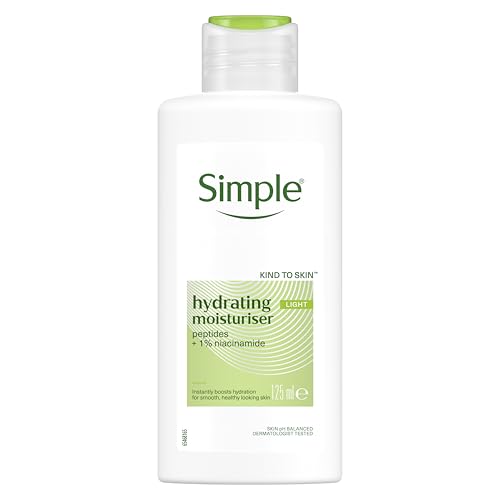
Simple
Hydrating Light Moisturiser
moisturizer · 125 ml · 30 ingredients
- Fragrance-free
- No essential oils
- No labelled fragrance allergens
- No drying alcohol
- No MI/MCI
 3
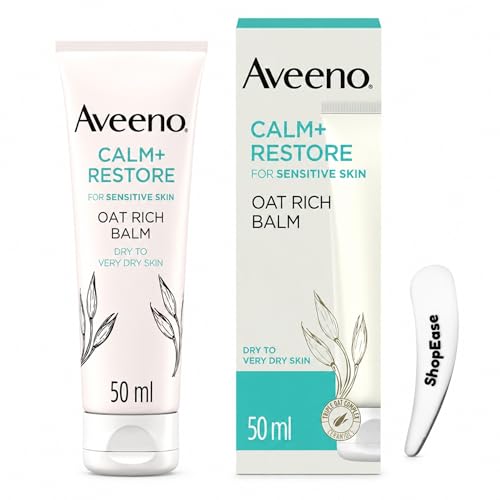
Aveeno
Calm+ Restore Oat Rich Balm
moisturizer · 50 ml · 18 ingredients
- Fragrance-free
- No essential oils
- No labelled fragrance allergens
- No drying alcohol
- No MI/MCI
 4
Aveeno
Dermexa Daily Emollient Cream
moisturizer · 200 ml · 17 ingredients
- Fragrance-free
- No essential oils
- No labelled fragrance allergens
- No drying alcohol
- No MI/MCI
 5
Naturium
Marshmallow Root Barrier Balm
moisturizer · 50 g · 58 ingredients
- Fragrance-free
- No essential oils
- No labelled fragrance allergens
- No drying alcohol
- No MI/MCI
 6
Eucerin
Aquaphor SOS Repair Lips
moisturizer · 10 ml · 19 ingredients
- Fragrance-free
- No essential oils
- No labelled fragrance allergens
- No drying alcohol
- No MI/MCI
 7
Uriage
Xemose C8+ Lipid-Replenishing Anti-Itch Balm
moisturizer · 500 ml · 24 ingredients
- Fragrance-free
- No essential oils
- No labelled fragrance allergens
- No drying alcohol
- No MI/MCI
 8
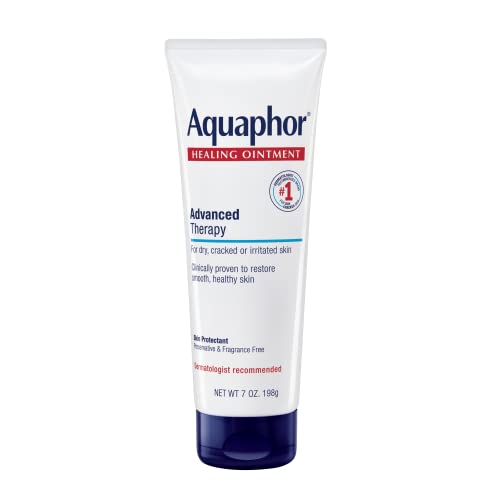
Aquaphor
Advanced Therapy Healing Ointment Skin Protectant 7 Ounce Tube
moisturizer · 210 ml · 6 ingredients
- Fragrance-free
- No essential oils
- No labelled fragrance allergens
- No drying alcohol
- No MI/MCI
Frequently asked questions
Is there clinical evidence for ceramide moisturizers in eczema in 2026?
Yes — multiple clinical trials support ceramide-containing moisturizers for atopic dermatitis. A randomized, double-blind, placebo-controlled trial of 100 adults with moderate eczema (published 2021) found that a ceramide-dominant cream (ceramide EOP/NP, cholesterol, linoleic acid in a 3:1:1 molar ratio) applied twice daily for 28 days produced significantly greater reductions in transepidermal water loss and significantly greater increases in skin hydration compared to placebo. A separate PMC review of nonprescription moisturizers found that ceramide-containing products extended flare-free intervals by months in clinical trials. The AAD includes moisturizers as a strong recommendation in its updated atopic dermatitis guidelines.
Is petroleum jelly (Vaseline) actually good for eczema?
It is one of the best available options. Petroleum jelly reduces transepidermal water loss by over 98%, making it the most effective occlusive available without a prescription. It is completely hypoallergenic — there are no documented cases of contact sensitization to pure petroleum jelly — which is a particular advantage for eczema skin that is sensitized to many other ingredients. It is inexpensive and widely available. The main drawbacks are its greasy feel and that it doesn't improve the cosmetic appearance of dry skin as pleasantly as a ceramide cream. Many dermatologists recommend it for body eczema, especially in infants and for nighttime use.
What is the difference between a cream and an ointment for eczema?
Ointments are oil-based (or petroleum-based) with little to no water content — they have the highest occlusive capacity, stay on the skin longer, and deliver maximum TEWL reduction. They feel greasy but are the most effective vehicle for barrier repair. Creams are oil-in-water emulsions — they are easier to apply, absorb more readily, and are more cosmetically acceptable for daytime or facial use. They are effective for eczema when they contain the right ingredients (ceramides, petrolatum) but are somewhat less occlusive than pure ointments. Lotions are predominantly water — they are insufficient as the primary moisturizer for eczema barrier repair. For most people with eczema, a cream in the day and an ointment at night is an evidence-consistent approach.
Can I use coconut oil for eczema?
Virgin coconut oil has limited evidence for eczema and is not recommended as a first-line option. A small randomized controlled trial found virgin coconut oil superior to mineral oil for improving skin hydration and reducing S. aureus colonization. However, coconut oil has a high lauric acid content that may irritate sensitive or inflamed skin in some individuals, and it lacks the ceramide-replacing mechanism central to evidence-based eczema moisturizers. If a person with eczema tolerates coconut oil without any irritation and finds it helpful as an adjunct, there is no evidence of harm from its use — but it should not replace a fragrance-free ceramide-containing cream as the primary emollient.
How often should I moisturize if I have eczema?
At minimum twice daily — morning and evening. During active flares, three times daily if your schedule allows. The evening application is the most critical: apply immediately after bathing (within 3 minutes, while the skin is still slightly damp) in a generous amount. Do not reduce moisturizing frequency when the skin improves or appears clear — the underlying barrier defect is persistent even in remission, and reducing frequency is the most common trigger for relapse. Approximately 250–500 g per week for a full-body adult application is the clinical dosing benchmark — most people underestimate how much to use.
Are expensive moisturizers better than pharmacy brands for eczema?
Not necessarily. Several peer-reviewed clinical reviews have confirmed that pharmacist-brand and store-own fragrance-free ceramide creams perform comparably to premium-branded products with similar ingredient profiles. What determines efficacy is the ingredient list — specifically: fragrance-free, ceramides or petrolatum, appropriate vehicle (cream or ointment rather than lotion), and avoidance of sensitizing preservatives. A £4 fragrance-free ceramide cream from a pharmacy brand with the right ingredients will outperform a £60 'luxury' moisturizer that contains fragrance, essential oils, or botanical extracts. Read the label, not the price tag.
Health information, not medical advice.
Beauty Comparison is an independent editorial publication. This page is researched and sourced to the authorities listed below, but it is general information — not a diagnosis or a substitute for personalised advice from a qualified doctor, dermatologist or pharmacist. If your symptoms are severe, spreading, painful, or not improving, see a healthcare professional.Sources
- 01Efficacy of Nonprescription Moisturizers for Atopic Dermatitis: An Updated Review of Clinical Evidence — PubMed Central / NIH, 2020-08-01. Ceramide-containing and colloidal oatmeal moisturizers demonstrate clinical efficacy in reducing AD flare frequency and improving barrier function; daily moisturization increases skin hydration and decreases TEWL; therapeutic moisturizers for AD are comparable to prescription barrier creams; thick creams and ointments outperform thin lotions; colloidal oatmeal is the only FDA-permitted OTC ingredient for eczema symptom claims.
- 02A daily regimen of a ceramide-dominant moisturizing cream and cleanser restores the skin permeability barrier in adults with moderate eczema: A randomized trial — PubMed Central / NIH, 2021-09-01. Randomized, double-blind, placebo-controlled trial (n=100 adults with moderate eczema, 28 days): ceramide-dominant cream (ceramide EOP+NP, cholesterol, linoleic acid in 3:1:1 M ratio) significantly reduced TEWL and increased skin hydration versus placebo; ceramide group reported greater itch relief, skin softness, and reduced dryness.
- 03Evidence-based moisturizer selection for atopic dermatitis — PubMed Central / NIH, 2025-05-01. 5% urea (carbamide) delays relapse of atopic dermatitis; glycerol-containing creams (15–20%) are evidence-backed therapeutic alternatives; moisturizer selection should prioritize established pharmacopeial ingredients and barrier function support over complex marketing claims.
- 04American Academy of Dermatology: Updated Atopic Dermatitis Guidelines for Topical Therapies — American Academy of Dermatology (AAD), 2023-01-01. Moisturizers receive a strong recommendation in AAD atopic dermatitis guidelines — they relieve dry and cracked skin, decrease inflammation, and reduce disease severity; fragrance is listed as a primary trigger and contact sensitizer for eczema skin.
- 05How To Choose the Best Eczema Cream — Cleveland Clinic Health Essentials. Ceramides are especially effective for eczema; petrolatum, glycerin, dimethicone, and colloidal oatmeal are effective emollient/humectant/occlusive ingredients; ingredients to avoid include fragrance, essential oils, lanolin, SLS, and olive oil; mineral sunscreen preferred for eczema-prone facial skin; apply moisturizer to clean, moist skin.
- 06Skin barrier in atopic dermatitis: beyond filaggrin — PubMed Central / NIH, 2016-04-01. Eczema skin has significantly depleted ceramides (especially ceramide 1 and 3) — ceramides make up approximately 50% of stratum corneum lipids; filaggrin deficiency reduces natural moisturizing factor (NMF) production; reduced antimicrobial peptides and elevated TEWL are characteristic of eczema barrier dysfunction.