Scalp Serums: What They Do & How to Choose One
The short answer
A scalp serum is a concentrated leave-in treatment targeting the scalp skin.
What Is a Scalp Serum?
A scalp serum is a concentrated, leave-in liquid or fluid formulation applied directly to the scalp — not rinsed out — that delivers active ingredients to the scalp skin and, in some cases, to the hair follicle environment. This distinguishes scalp serums from:
- Hair serums: Applied to hair strands for smoothing, shine, or heat protection; do not target the scalp.
- Scalp shampoos or rinse-off treatments: Contact time is limited; most actives are removed with rinsing.
- Hair oils: Primarily coat the cuticle or scalp surface; limited follicular penetration for most actives.
The scalp is functionally skin — it has the same basic architecture as facial skin, including a stratum corneum, sebaceous glands, and a microbiome — but with a dramatically higher follicle density and sebum output. Scalp serums treat it with the same logic as a targeted skincare treatment.
Why the Scalp Needs Its Own Product Category
Scalp skin has several characteristics that make it distinct from the rest of your face and body:
- High sebaceous gland density: The scalp has one of the highest sebaceous gland densities of any body region, making sebum overproduction, follicular congestion, and buildup common issues.
- Permanent hair follicles as deep structures: The scalp's follicles extend 3–5 mm into the dermis, creating a microenvironment that standard topicals may not reach.
- Distinct microbiome: The scalp microbiome is dominated by Malassezia species; an imbalance here drives dandruff and seborrheic dermatitis. Scalp serums with microbiome-aware formulations avoid disrupting this balance.
- Regular mechanical disruption: Shampooing, brushing, and heat styling all affect scalp barrier integrity.
Types of Scalp Serums: What Problem Are You Solving?
Choosing a scalp serum starts with identifying the primary scalp concern:
1. Buildup and Congestion Serums
Primary actives: Salicylic acid (0.5–1%), glycolic acid, lactic acid, niacinamide
These serums act as between-wash exfoliants. Salicylic acid is the most effective active for follicular congestion because it is lipophilic — it penetrates the sebum layer and dissolves the intercellular bonds holding dead cells together inside the follicle canal, not just on the surface. At 0.5–1% in a leave-in format, it provides a sustained low-level keratolytic effect without the drying risk of high-concentration rinse-off shampoos.
Best for: Oily scalps, scalp buildup, heavy styling product users, people who wash their hair less frequently.
Important: Using a hair growth serum on a scalp congested with buildup is like watering plants with a blocked drainage hole — the active may never reach the follicle. Clear congestion first.
2. Anti-Hair-Loss and Growth Serums
Primary actives: Minoxidil, caffeine, rosemary oil, DHT-blocking peptides (e.g., acetyl tetrapeptide-3)
This is the most marketed scalp serum category, and also the category with the widest variation in evidence quality.
Minoxidil (2% or 5%) is the only OTC active with strong, replicated RCT evidence for androgenetic alopecia (male and female pattern hair loss). It acts as a potassium channel opener, prolonging the anagen (growth) phase and enlarging miniaturized follicles. A 2024 PMC randomized trial found that oral minoxidil 5 mg and topical minoxidil 5% produced equivalent outcomes for male androgenetic alopecia at 24 weeks. Topical minoxidil should be applied to a clean, dry scalp and allowed to fully absorb before styling.
Caffeine has moderate-level evidence from a 2025 PMC systematic review of 9 clinical trials (684 participants total). All 9 studies reported results in favor of topical caffeine for reducing hair loss; however, the review noted that the majority of studies were limited by lack of randomization, missing control groups, and undisclosed caffeine concentrations. One double-blind placebo-controlled trial published in 2025 (PMC12359291) found that DMG-Na and caffeine combination significantly outperformed placebo over 24 weeks for male pattern hair loss. The mechanistic rationale is established: caffeine penetrates the follicle, stimulates cell proliferation, and has documented anti-androgenic effects at the follicle level (counteracting DHT-driven miniaturization). Current evidence supports caffeine as a meaningful adjunct to proven treatments, not a standalone replacement.
Rosemary oil has more RCT support than most botanical hair actives. A head-to-head randomized controlled trial (50 participants per arm, 6 months) found rosemary oil produced equivalent hair count increases to 2% minoxidil at the 6-month endpoint. A 2025 PMC review of natural alternatives for androgenetic alopecia confirmed rosemary-based formulations (particularly at 10%) as among the more evidence-supported natural options. The proposed mechanism involves improved scalp microcirculation and inhibition of 5-alpha reductase (the enzyme that converts testosterone to DHT).
3. Scalp Balance and Sebum-Regulating Serums
Primary actives: Niacinamide (2–5%), zinc, salicylic acid, adaptogenic botanicals
Niacinamide (vitamin B3) applied topically to the scalp supports the barrier function, reduces sebum overproduction, and has mild anti-inflammatory effects — properties well-established from facial skincare research. At the 2–5% concentrations used in scalp serums, the concern that niacinamide may induce hair loss (flagged in an analysis of anti-hair-loss products containing niacinamide) does not apply — that finding relates to mislabeling of a non-growth ingredient as a hair-growth active in commercial products, not toxicity at standard concentrations.
Zinc salts (pyrithione zinc, zinc gluconate) have antifungal and sebum-regulating properties — useful in serums targeting the oily, flaky scalp environment associated with mild seborrheic dermatitis.
4. Scalp Hydration and Barrier Serums
Primary actives: Hyaluronic acid, ceramides, panthenol (pro-vitamin B5), aloe vera, squalane
Dry, tight, or sensitized scalps need barrier repair, not more exfoliation or stimulation. A serum built around humectants and barrier lipids can restore moisture balance, reduce itch associated with dryness, and calm reactive scalps. These are appropriate post-chemical-treatment, post-bleach, or during periods of environmental stress (cold, low-humidity environments).
How to Read a Scalp Serum Label
Evidence Tiers for Common Scalp Serum Ingredients
| Ingredient | Evidence Level | Primary Benefit |
|---|---|---|
| Minoxidil (2%/5%) | Strong (multiple RCTs) | Androgenetic alopecia (AGA) |
| Salicylic acid | Strong (clinical trials, FDA-approved) | Buildup, flaking, scalp exfoliation |
| Caffeine | Moderate (9 clinical trials, most limited design) | Hair follicle stimulation, anti-DHT |
| Rosemary oil | Moderate (RCT vs. 2% minoxidil) | Hair growth, circulation |
| Niacinamide | Moderate (strong in skincare, less scalp-specific data) | Sebum regulation, barrier support |
| Zinc pyrithione | Moderate (antifungal RCTs) | Malassezia suppression, dandruff |
| Biotin (topical) | Limited | Hair strength; better evidence for oral supplementation in deficiency |
| Acetyl tetrapeptide-3 | Limited (in-vitro + small trials) | Follicle anchoring |
| Procapil / Capilia Longa | Preliminary | Growth factors; proprietary blend data only |
What a Good Scalp Serum Label Tells You
- Active ingredient and concentration stated clearly: "Caffeine 5%," "Salicylic Acid 1%," "Minoxidil 5%." Vague "active blend" or "proprietary complex" language without disclosed concentrations is a red flag.
- Application instructions specific to the scalp: Section-by-section application, not general use on hair.
- Leave-in formulation confirmed: If the product is designed to be rinsed out, it is not a serum in the traditional sense and contact-time is limited.
- No alcohol as the primary base (for leave-in scalp serums): High alcohol concentrations cause dryness and scalp barrier disruption with daily leave-in use.
How to Use a Scalp Serum
- Apply to a clean scalp. Most actives work best without a barrier of oil, dry shampoo, or styling product between the serum and the scalp.
- Part the hair in sections. Use an applicator nozzle or your fingertips to apply the serum directly along the part line and across the scalp — the goal is skin contact, not hair coating.
- Massage gently for 1–2 minutes. Scalp massage increases blood flow and may modestly enhance product penetration; a 2019 study (PubMed 34424558) found that standardized scalp massage increased hair thickness in healthy males over 24 weeks.
- Do not rinse. Leave-in is the operative format for scalp serums.
- Use consistently on the schedule the product specifies — typically daily for growth serums, 2–3 times per week for exfoliating or clarifying serums.
- Allow to dry before styling. Applying heat tools to a wet, serum-saturated scalp reduces active efficacy and can cause scalp irritation.
Stacking Scalp Serums: What Works Together
- Clarifying serum (salicylic acid) + growth serum (caffeine / rosemary): Use the clarifying serum 2–3 times per week, the growth serum daily. The exfoliant clears follicular congestion; the growth active reaches a clean follicle.
- Scalp serum + scalp massage: Massage enhances the delivery of leave-in actives by temporarily increasing dermal blood flow and may independently support hair thickness.
- Scalp serum + scalp exfoliation: A weekly physical or chemical scalp exfoliation treatment combined with a daily leave-in serum is the most complete approach to scalp health maintenance.
- Do not stack two exfoliating acids in the same leave-in application — compounded barrier disruption is the result.
The "Skinification" Principle: Treat Your Scalp Like Skin
The scalp skinification trend — applying skincare logic to scalp care — reflects a genuine physiological reality: the scalp is skin. The same principles that govern effective facial skincare apply:
- Cleanse appropriately for your scalp type (over- or under-washing both cause problems)
- Exfoliate to clear dead cell accumulation and follicular congestion
- Treat with actives addressing your specific concern
- Maintain with barrier-supporting ingredients
A scalp serum slots into the "treat" step of this sequence. It works better when the preceding steps are in order. A serum applied over a buildup-congested scalp, or after a sulfate-heavy shampoo that has stripped the barrier, will underperform even if the formulation is excellent.
When to See a Dermatologist Instead of Choosing a Serum
Scalp serums are appropriate for general scalp health, mild congestion, oiliness, and fine or thinning hair in the context of normal aging. See a dermatologist if:
- Hair loss is sudden, patchy, or rapid — these patterns suggest alopecia areata or scarring alopecia, not androgenetic alopecia responsive to OTC serums
- The scalp shows signs of active infection: pustules, oozing, crusting beyond normal dandruff
- Thick plaques are not responding to OTC treatments after 4–6 weeks (may indicate scalp psoriasis needing prescription therapy)
- Significant scalp sensitivity persists despite stopping potential irritants
- You are pregnant or breastfeeding and considering a minoxidil-containing scalp serum (minoxidil is not recommended in pregnancy)
Products that fit: itchy, sensitive scalp
Picked by code from each product's full ingredient list.
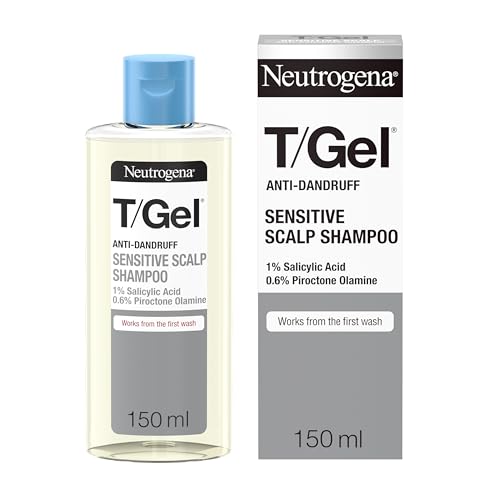
Neutrogena
T/Gel Anti Dandruff Shampoo
shampoo · 150 ml · 15 ingredients
- Fragrance-free
- No essential oils
- No MI/MCI
- With piroctone olamine
- With salicylic acid
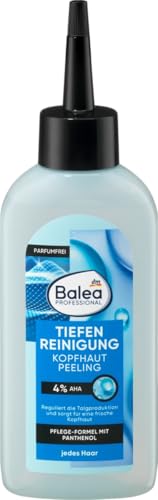
Balea
Professional Scalp Scrub Deep Cleansing
scalp treatment · 150 ml · 10 ingredients
- Fragrance-free
- No essential oils
- No MI/MCI
- With panthenol

OGX
ProGrowth + Peptide Scalp Serum
scalp treatment · 10 ml · 16 ingredients
- Fragrance-free
- No essential oils
- No MI/MCI
- With panthenol

Eucerin
Dermo Capillaire Anti-dandruff Shampoo
shampoo · 250 ml · 15 ingredients
- Fragrance-free
- No essential oils
- No MI/MCI
- With panthenol
Frequently asked questions
Do scalp serums actually work — what does the evidence say in 2026?
It depends entirely on the active ingredient. Minoxidil-containing scalp serums have strong RCT evidence for androgenetic alopecia. Caffeine-based serums have moderate evidence from clinical trials — a 2025 systematic review found all 9 included studies reported positive outcomes, though most were limited by design quality. Rosemary oil has one head-to-head RCT showing equivalence to 2% minoxidil over 6 months. Serums containing salicylic acid for buildup have strong FDA-backed clinical data for their specific purpose. Many marketed 'growth' serums contain proprietary blends with undisclosed concentrations and no independent clinical trials — those are where skepticism is warranted.
What is the difference between a scalp serum and a hair serum?
A scalp serum is formulated to act on the scalp skin and hair follicles — left in contact and absorbed. A hair serum is applied to the hair fiber itself for smoothing, shine, heat protection, or detangling. The two categories have completely different targets and active ingredients. Applying a hair serum to the scalp (particularly silicone-heavy formulations) can contribute to follicular buildup.
Can I use a scalp serum every day?
It depends on the type. Growth serums containing caffeine, rosemary oil, or minoxidil are typically designed for daily use. Exfoliating serums with salicylic acid are best limited to 2–3 times per week to avoid over-stripping the scalp barrier. Hydrating and barrier-repair serums can generally be used daily. Always follow the product's specific application instructions.
Is minoxidil in a scalp serum the same as Rogaine?
Yes — minoxidil is the active ingredient in Rogaine and its generic equivalents. Some premium scalp serums include minoxidil (typically 2% or 5%) as the primary active, sometimes alongside adjunct botanicals or peptides. If the label discloses minoxidil and its concentration, it is regulated as a drug product (in the US, as an OTC drug), and the efficacy evidence base is the same. Read the label: if it says 'minoxidil 2%' or '5%', the clinical evidence applies; if it says 'natural minoxidil alternative,' it does not.
Should I apply a scalp serum before or after shampooing?
After shampooing — scalp serums are leave-in products designed to remain on the scalp. Apply to a clean, towel-dried or dry scalp after your shampoo and conditioner routine, section by section, with direct scalp contact. Applying before shampooing would mean the serum is simply washed away. Exception: some pre-wash clarifying gels containing salicylic acid are designed for pre-shampoo application to a dry scalp, with a dwell time before washing.
Sources
- 01Caffeine as an Active Ingredient in Cosmetic Preparations Against Hair Loss: A Systematic Review of Available Clinical Evidence — PubMed Central, 2025-02-01. A systematic review of 9 clinical trials (684 participants) found all studies reported results in favor of topical caffeine for hair loss; however, most were limited by lack of randomization, control groups, and undisclosed caffeine concentrations — evidence quality rated medium to very low.
- 02Rosemary Oil vs. Minoxidil 2% for the Treatment of Androgenetic Alopecia: A Randomized Comparative Trial — PubMed / Archives of Dermatology, 2015-08-01. A randomized controlled trial (50 participants per arm, 6 months) found rosemary oil and 2% minoxidil produced statistically equivalent hair count increases at the 6-month endpoint; no significant between-group difference at months 3 or 6.
- 03Oral Minoxidil vs. Topical Minoxidil for Male Androgenetic Alopecia: A Randomized Clinical Trial — PubMed Central / JAMA Dermatology, 2024-01-01. Double-blind RCT in 90 men found oral minoxidil 5 mg and topical minoxidil 5% produced equivalent hair growth outcomes at 24 weeks; topical application to the scalp remains effective for androgenetic alopecia.
- 04A Well-Tolerated Hair Serum Containing New Natural Active Ingredients Reduced Hair Loss and Improved Quality of Life in Women With Chronic Telogen Effluvium: A 16-Week Controlled Study — PubMed Central, 2024-11-01. A hair serum with natural active ingredients (Capilia Longa and Procapil) was well-tolerated and showed a significant anti-hair-loss effect in women with chronic telogen effluvium over 16 weeks, with positive impact on quality of life.
- 05A Novel Approach Against Male Pattern Hair Loss With Topical Dimethylglycine Sodium Salt (DMG-Na) and Caffeine: Efficacy of a 24-Week, Double-Blind, Randomized, Placebo-Controlled Trial — PubMed Central, 2025-01-01. A 24-week double-blind RCT found that a topical DMG-Na and caffeine combination significantly outperformed placebo for male pattern hair loss, supporting caffeine as an effective hair-active in a well-controlled study design.
- 06An Overview of Commonly Used Natural Alternatives for the Treatment of Androgenetic Alopecia, with Special Emphasis on Rosemary Oil — PubMed Central, 2024-11-01. Review confirms rosemary-based formulations (particularly at 10%) as among the more evidence-supported natural options for androgenetic alopecia, with proposed mechanisms including improved scalp microcirculation and 5-alpha reductase inhibition.