Adult Acne in Women: Why It Happens After 30
The short answer
Adult acne in women after 30 is primarily hormonal — androgens overstimulate oil glands.
Adult Acne After 30: It's More Common Than You Think
Acne is often dismissed as a teenage condition, but the clinical evidence tells a very different story. A survey of Americans found acne prevalence of 35.2% in women in their 30s and 26.3% in their 40s. The American Academy of Dermatology reports that 20–40% of women who develop adult acne experience it for the first time after age 25. Some continue to have breakouts through their 50s.
Adult female acne is not the same condition as teenage acne. It differs in where it appears, why it occurs, and how it should be treated. Understanding those differences is the foundation of effective management.
Why It's Different From Teenage Acne
Teenage acne is driven primarily by the surge of androgens at puberty acting on sebaceous glands that have been relatively dormant — the result is a sudden flood of sebum across the face, chest, and back. It tends to affect the T-zone (forehead, nose, chin) and often improves as hormone levels stabilize in the mid-20s.
Adult female acne, by contrast, is driven by a more sustained and specific pattern of androgen signaling. It tends to produce:
- Deep inflammatory papules, pustules, and cysts rather than surface comedones
- Lower-face distribution: the jawline, chin, and neck — rather than the forehead and nose
- Cyclical flares that worsen before menstruation
- Slower healing with higher post-inflammatory hyperpigmentation risk
It is also more likely to be hormonally complex — potentially involving PCOS, perimenopause, stress-related adrenal androgen elevations, or cosmetic ingredient sensitivities.
The Hormonal Drivers
Androgens and the Sebaceous Gland
The sebaceous gland is covered in androgen receptors. When androgens — primarily testosterone and its derivative dihydrotestosterone (DHT) — bind these receptors, sebum production increases. More sebum means more raw material for follicular blockages and the anaerobic environment that Cutibacterium acnes (C. acnes) thrives in.
Adult women with acne do not always have elevated serum androgen levels. Instead, their sebaceous glands may be unusually sensitive to normal androgen levels — a phenomenon called peripheral androgen sensitivity. Even "normal" circulating androgens can be enough to drive sebum overproduction in sensitive individuals.
The Perimenstrual Flare
Up to 65% of adult women with acne report cyclical flares, with approximately 56% noting worsening in the week before menstruation. This is driven by two converging hormonal mechanisms:
- Mid-cycle androgen rise: Testosterone rises around ovulation, directly stimulating sebum production.
- Premenstrual progesterone shift: In the luteal phase (the two weeks before a period), progesterone has weak androgenic activity and can further increase sebum. Estrogen, which has a mild sebum-suppressing effect, also drops premenstrually — removing this protective offset.
Polycystic Ovary Syndrome (PCOS)
When adult female acne is severe, treatment-resistant, or accompanied by other signs of androgen excess, PCOS should be considered. PCOS is the most common endocrine disorder in women of reproductive age, and its hallmark is hyperandrogenism — elevated androgens that drive acne, hirsutism (excess facial or body hair), and androgenetic alopecia (hair thinning on the scalp). PCOS acne rarely travels alone: look for irregular or absent periods, difficulty conceiving, increased body hair alongside acne as warning signs warranting medical investigation.
Perimenopause and Menopause
Menopausal and perimenopausal acne is an increasingly recognized entity. As estrogen levels decline during the perimenopause, the balance between estrogen and androgens shifts — even without a change in absolute androgen levels, the relative increase in androgen influence drives sebum production and acne formation. This is the same mechanism underlying menopausal hirsutism.
Stress and the Adrenal Androgen Axis
Psychological and physiological stress stimulates the adrenal glands to produce dehydroepiandrosterone sulfate (DHEAS) — an androgen precursor. Elevated DHEAS levels have been found in women with adult acne. This connects chronic stress, inadequate sleep, and demanding lifestyles to the acne cycles many women experience — and explains why outbreaks often cluster around periods of high stress.
Insulin, IGF-1, and Diet
High-glycemic-load foods and dairy products can raise insulin and IGF-1 (insulin-like growth factor 1) levels, both of which stimulate androgen production and follicular cell proliferation. This partially explains why diet can influence acne: it is not a direct effect of the food on the skin, but an indirect hormonal one. The evidence is moderate but consistent enough to make reducing ultra-processed foods and high-sugar intake a sensible low-risk measure.
Where Adult Female Acne Appears — and Why
The lower-face distribution (jawline, chin, neck) of adult female acne is not coincidental. Sebaceous glands along the jaw and chin appear to be particularly androgen-sensitive. The T-zone, by contrast, has high sebaceous activity that peaks at puberty. The shift in affected area between teen and adult acne reflects this differential sensitivity.
Skincare and Cosmetic Triggers
While hormones are the primary driver, certain skincare and haircare products can worsen adult acne:
- Comedogenic ingredients in moisturizers, foundations, and sunscreens can physically block follicles. Look for labels reading "non-comedogenic," "oil-free," or "won't clog pores."
- Occlusive hair products (heavy pomades, waxes, silicone-heavy conditioners) applied near the hairline and chin can contribute to follicular blockages — sometimes called pomade acne.
- Over-cleansing or harsh actives strip the skin barrier, triggering reactive sebum overproduction and worsening breakouts.
- Fragrance in skincare is a common contact sensitizer that can trigger or worsen inflammatory breakouts.
Treatment: What Works for Adult Female Acne
The treatment of adult female acne should address the hormonal driver — not just the lesion on the skin surface. This is why standard acne treatments designed for teenage acne often underperform in adult women, and why hormonal therapies are frequently the most effective approach.
Topical Options
Topical retinoids (adapalene, tretinoin, tazarotene): First-line treatment that normalizes follicular cell shedding, prevents microcomedone formation, reduces inflammation, and simultaneously addresses post-inflammatory hyperpigmentation. Adapalene 0.1% is available OTC; stronger formulations require a prescription. See the adapalene guide for full protocol.
Azelaic acid (10% OTC, 15–20% prescription): Anti-inflammatory, antibacterial, and effective against PIH — making it a strong option for darker skin tones where hyperpigmentation is the primary concern alongside active breakouts.
Benzoyl peroxide (2.5%–10%): Bactericidal against C. acnes; important for preventing antibiotic resistance when combined with antibiotic therapies. See the benzoyl peroxide guide.
Niacinamide (topical, 4–10%): Anti-inflammatory, sebum-regulating, and barrier-supporting — a useful adjunct in sensitive adult skin prone to barrier disruption from actives.
Hormonal Therapies
For adult women with clear hormonal patterns — perimenstrual flares, jawline/chin distribution, confirmed or suspected PCOS — hormonal therapies are often more effective than any topical treatment:
Combined oral contraceptives (COCs): Three formulations are FDA-approved for acne: ethinyl estradiol combined with norgestimate, norethindrone acetate, or drospirenone. They suppress ovarian androgen production and increase sex hormone-binding globulin (SHBG), which binds free testosterone and reduces its activity. Results typically appear after 3–4 months of consistent use.
Spironolactone (off-label for acne): An oral anti-androgen that competitively blocks androgen receptors at the sebaceous gland level. Highly effective for deep jawline and chin cysts in adult women. Typically prescribed at 50–200 mg/day. Not suitable for men (causes hormonal side effects). Requires monitoring for potassium levels. Usually continued long-term as acne returns when it is stopped.
Clascoterone 1% cream: The first FDA-approved topical androgen receptor blocker — provides anti-androgen effects at the skin level without systemic hormonal impact. A useful option for women who cannot or prefer not to use systemic hormonal therapy.
Oral Options for Moderate-to-Severe Cases
Oral antibiotics (doxycycline, sarecycline): Effective for moderate inflammatory adult acne, but should be limited to short courses (3–6 months) and always combined with benzoyl peroxide to prevent C. acnes resistance. Not a long-term solution for hormonally driven acne that recurs on stopping.
Isotretinoin: Reserved for severe, nodular, or cystic adult female acne, or acne causing scarring that fails to respond to other treatments. Highly effective; the only treatment capable of long-term remission. Full monitoring and pregnancy prevention protocols (iPLEDGE in the US) apply. See the cystic acne guide for details.
Building a Routine for Adult Acne-Prone Skin
Adult skin is generally more sensitive than teenage skin and often shows signs of early aging alongside acne — a combination that requires a balanced approach:
- Gentle foaming or cream cleanser (twice daily, no more) — avoid scrubbing or stripping
- Lightweight, oil-free, non-comedogenic moisturizer — even acne-prone skin needs hydration; dryness worsens barrier disruption
- Active treatment — retinoid (evening) or azelaic acid; benzoyl peroxide spot treatment or rinse
- Daily SPF 30+ broad-spectrum sunscreen — non-negotiable; many acne treatments increase photosensitivity, and unprotected UV exposure worsens PIH
Avoid product overloading — using five or six actives at once creates irritation without proportionally better outcomes. Consistency with two or three proven actives over 8–12 weeks outperforms daily product-switching.
When to Seek Medical Help
Adult female acne warrants a dermatology consultation if:
- Breakouts include deep, painful nodules or cysts
- Any lesions have caused scarring
- There are signs potentially consistent with PCOS (irregular periods, excess hair, scalp thinning)
- OTC products used consistently for 2–3 months have not produced meaningful improvement
- Hormonal acne is significantly affecting quality of life or mental wellbeing
- You are currently pregnant or planning pregnancy — isotretinoin is teratogenic, and many hormonal therapies are also not suitable during pregnancy
A dermatologist can also test for hormonal abnormalities (serum testosterone, DHEAS, LH/FSH ratios) to guide targeted treatment, particularly when signs of a hormonal disorder are present.
Products that fit: acne-prone skin
Picked by code from each product's full ingredient list.

Anua
Azelaic Acid 10 Hyaluron Redness Soothing Serum
serum · 30 ml · 35 ingredients
- Fragrance-free
- No essential oils
- No coconut oil, isopropyl myristate and other heavy, pore-clogging emollients
- With salicylic acid
- With niacinamide

Medik8
Calmwise Colour Correct
serum · 50 ml · 41 ingredients
- Fragrance-free
- No essential oils
- No coconut oil, isopropyl myristate and other heavy, pore-clogging emollients
- With niacinamide
- With azelaic acid

Anua
Peach 70 Niacinamide Serum
serum · 30 ml · 45 ingredients
- No essential oils
- No coconut oil, isopropyl myristate and other heavy, pore-clogging emollients
- With salicylic acid
- With niacinamide
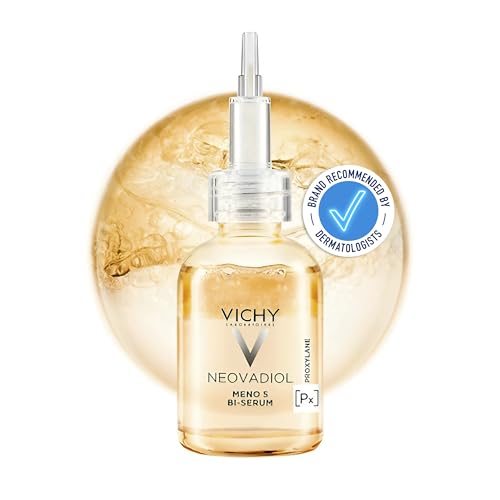
Vichy
Neovadiol Meno 5 Bi-Serum
serum · 2.4 l · 23 ingredients
- No essential oils
- No coconut oil, isopropyl myristate and other heavy, pore-clogging emollients
- With salicylic acid
- With niacinamide
Frequently asked questions
Why is adult acne in women still so common in 2026?
Adult female acne prevalence has not declined meaningfully because its primary drivers — androgen sensitivity, hormonal fluctuations, PCOS, and stress-related adrenal androgens — are biological and not eliminated by better skincare products. Survey data indicate approximately 35% of women in their 30s and 26% in their 40s experience acne. Increased recognition and improved treatment options mean more women are now seeking and receiving effective care, but the underlying hormonal landscape has not changed. A dermatologist is the best resource for treatment beyond OTC options.
Why does my acne flare before my period every month?
Perimenstrual acne flares are driven by two hormonal shifts in the luteal phase (the two weeks before menstruation): a mid-cycle testosterone rise around ovulation that directly stimulates sebum production, and a premenstrual drop in estrogen that removes its mild sebum-suppressing effect. Approximately 65% of adult women with acne report cyclical worsening, with 56% identifying the week before menstruation as the worst period. If perimenstrual flares are severe, a combined oral contraceptive or spironolactone — both of which modulate the androgen signals driving this cycle — can significantly reduce them.
Could my adult acne be caused by PCOS?
PCOS is the most common endocrine cause of treatment-resistant adult female acne. It should be investigated if you have acne alongside any of the following: irregular or absent periods, excess facial or body hair (hirsutism), scalp hair thinning (androgenetic alopecia), difficulty conceiving, or unexplained weight gain particularly around the abdomen. A GP or gynecologist can investigate with blood tests (testosterone, DHEAS, LH/FSH, fasting insulin) and a pelvic ultrasound. Successfully treating the underlying PCOS, rather than just the skin symptoms, produces more sustained improvement.
Is spironolactone safe for adult female acne?
Spironolactone is widely prescribed off-label for adult female acne and has a well-established safety record for this use at doses of 50–200 mg/day. It competitively blocks androgen receptors at the sebaceous gland, reducing sebum production. Common side effects include increased urination, irregular periods (at higher doses), and rarely elevated potassium — blood monitoring is standard. It is not suitable for men (causes feminizing hormonal effects) or for people trying to conceive or pregnant. Most women who respond to spironolactone see results within 3–6 months and need to continue it long-term, as acne typically returns when it is stopped.
Why doesn't my teenage acne treatment work now that I'm older?
Teenage acne is typically driven by a sharp androgenic surge affecting oil glands across the entire face — benzoyl peroxide washes and salicylic acid cleansers address the surface bacterial and shedding components effectively. Adult female acne is driven by sustained, cyclical hormonal signaling that creates deep inflammatory cysts along the jawline — surface-level OTC treatments cannot adequately address this hormonal root cause. Treatments that target the androgen signal itself (spironolactone, oral contraceptives, clascoterone) or that combine a retinoid with a hormonal approach tend to be significantly more effective in adult women.
Can menopause cause acne to start or worsen?
Yes. As estrogen declines during perimenopause and menopause, the relative influence of androgens increases — even without a change in absolute androgen levels. This relative androgen dominance can trigger acne, hirsutism, and scalp hair thinning in women who may have had clear skin for decades. Menopausal acne can be difficult to treat with standard acne therapies because the hormonal context differs from reproductive-age acne; a dermatologist or gynecologist can advise on appropriate hormonal and topical strategies within the broader context of menopause management.
Health information, not medical advice.
Beauty Comparison is an independent editorial publication. This page is researched and sourced to the authorities listed below, but it is general information — not a diagnosis or a substitute for personalised advice from a qualified doctor, dermatologist or pharmacist. If your symptoms are severe, spreading, painful, or not improving, see a healthcare professional.Sources
- 01Menopausal Acne — Challenges and Solutions — PubMed Central / NIH, 2019-10-01. Menopausal acne caused by relative androgen excess as estrogen declines; clinical hyperandrogenism manifests as acne, hirsutism, and androgenetic alopecia; hormonal treatment is the cornerstone of management.
- 02Adult Acne — AAD Patient Education — American Academy of Dermatology. 20–40% of women develop adult acne after age 25; stress increases adrenal androgens; lower-face distribution is characteristic; hormonal therapies (COCs, spironolactone) are standard management.
- 03Adult-Onset Acne: Prevalence, Impact, and Management — PubMed Central / NIH, 2018-02-01. Acne prevalence 35.2% in women in their 30s and 26.3% in their 40s; peripheral androgen sensitivity as a mechanism in normal-androgen adult female acne; lower-face distribution distinguishes adult from teen acne.
- 04A Review of Hormonal Therapy for Female Adult Acne — PubMed Central / NIH, 2018-05-01. Spironolactone mechanism: competitive androgen receptor blockade at the sebaceous gland; COCs suppress ovarian androgen production and increase SHBG; evidence for hormonal therapies in adult female acne.
- 05Perimenstrual acne — clinical and hormonal findings — PubMed Central / NIH, 2014-01-01. 65% of women with acne report perimenstrual worsening; 56% during the week before menstruation; mid-cycle testosterone rise and premenstrual estrogen drop as the hormonal mechanism.
- 06Acne in Adult Women: Pathogenesis, Clinical Presentation, and Management — PubMed Central / NIH, 2020-06-01. PCOS as the most common endocrine cause of treatment-resistant adult female acne; adrenal DHEAS elevated in adult female acne; deep inflammatory lower-face distribution; role of stress-induced adrenal androgens.