The Best Skincare Routine for Acne-Prone Skin
The short answer
The best acne routine is: gentle cleanser, targeted acne treatment, non-comedogenic moisturizer.
Why Most Acne Routines Fail
The most common reason a skincare routine fails to clear acne is not that the right ingredients weren't chosen — it's that too many were used at once, switched too frequently, or applied inconsistently. A stripped, irritated skin barrier actually worsens acne: damaged barriers allow greater penetration of bacteria and inflammatory signals, and barrier compromise triggers compensatory oil production.
The principles below are drawn from American Academy of Dermatology guidance and evidence-based dermatology. The goal is a routine that works with the skin's biology, not against it.
The Core Routine Framework
An acne-focused routine has four functions: cleanse, treat, hydrate, protect. Every product you add should serve one of these four purposes explicitly. If it doesn't, it does not belong in an acne routine.
Morning Routine
Step 1 — Gentle Cleanser
Wash with a mild, fragrance-free, non-comedogenic cleanser. The AAD recommends soap-free cleansers with a skin-appropriate pH (around 5.5) rather than standard alkaline soaps, which disrupt the acid mantle and worsen barrier function.
What to look for: A cleanser labeled "non-comedogenic" or "for sensitive or acne-prone skin." Surfactants should be gentle — look for formulas using glucosides or amphoacetates rather than sodium lauryl sulfate, which is particularly stripping.
What to avoid: Scrubs, physical exfoliants, cleansing brushes, or anything abrasive. Mechanical friction damages the skin barrier, increases inflammation, and can spread acne-causing bacteria across the face.
Wash gently with lukewarm water — not hot — and pat dry with a clean towel. Twice daily is the clinically recommended frequency; washing more frequently worsens irritation and barrier integrity.
Step 2 — Morning Acne Treatment (Benzoyl Peroxide)
Benzoyl peroxide is uniquely suited to morning use because it is bactericidal and stable in daylight (unlike retinoids, which degrade in UV). Apply a thin, even layer to all acne-prone areas — not just active lesions.
- Concentration: Start at 2.5%–5% to minimize dryness; 5%–10% is available for established tolerators, though 2.5% evidence-matched to 10% for efficacy with substantially lower irritation in published studies.
- Application zone: The entire area that breaks out — both cheeks, forehead, chin, jaw, wherever you typically see spots — not just current spots. This prevents new microcomedone formation.
If your nighttime routine includes a retinoid (see below), using benzoyl peroxide in the morning and adapalene at night is the recommended separation: benzoyl peroxide can oxidize and partly inactivate retinoids if layered directly on top.
Step 3 — Non-Comedogenic Moisturizer
Even oily, acne-prone skin needs hydration. This point is misunderstood and the skipping of moisturizer is one of the most common mistakes in acne routines. Dryness from acne treatments (especially benzoyl peroxide and retinoids) triggers compensatory sebum production — the opposite of what you want — and a compromised barrier worsens inflammation.
Choose a lightweight, oil-free, non-comedogenic moisturizer — gel or lotion formulas work well for most acne-prone skin types. Ingredients well-tolerated by acne-prone skin include:
- Hyaluronic acid — draws water into the skin without clogging pores
- Niacinamide — supports barrier function and has mild anti-inflammatory properties; compatible with all acne actives
- Glycerin — a gentle humectant that improves barrier hydration without occlusion
- Ceramides — help rebuild the skin barrier depleted by acne treatments
Avoid heavy occlusives (petrolatum-based creams, mineral oil) on acne-prone zones, and avoid anything containing known comedogenic ingredients (isopropyl myristate, coconut oil, certain silicones at high concentrations).
Step 4 — Broad-Spectrum SPF 30+
Daily sun protection is not optional in an acne routine. Topical retinoids and benzoyl peroxide both increase the skin's sensitivity to UV radiation. More importantly, ultraviolet exposure darkens post-inflammatory hyperpigmentation (PIH) — the dark marks left after acne lesions clear — potentially prolonging their visibility for months longer than necessary.
What to choose: A broad-spectrum (UVA + UVB) sunscreen of at least SPF 30. For acne-prone skin, look for:
- Labeled "non-comedogenic" and "oil-free"
- Gel, fluid, or lotion formulas rather than heavy creams
- Mineral (zinc oxide, titanium dioxide) options are well-tolerated and anti-inflammatory; modern formulations avoid the white-cast issue
Apply after moisturizer, 15 minutes before sun exposure. Reapply every two hours if outdoors. SPF in a moisturizer alone is usually insufficient for adequate daily protection.
Evening Routine
Step 1 — Gentle Cleanser (Same Product as Morning)
Repeat the same gentle cleanse from your morning routine. If you wear makeup or sunscreen, double-cleansing — a cleansing oil or micellar water first, then your regular cleanser — is recommended to remove cosmetics fully without stripping. This matters because residual makeup and SPF left on skin overnight are a legitimate comedogenic risk.
Step 2 — Targeted Acne Treatment
Evening is the time for your most active treatment. The two main options used at night are:
Option A: Retinoid (Adapalene or Prescription Tretinoin)
A retinoid is the most evidence-backed topical ingredient for acne. Adapalene 0.1% gel is available OTC and is strongly recommended by the AAD as a first-line treatment. It normalizes follicular cell turnover, prevents microcomedone formation, and reduces inflammation via selective RAR-β and RAR-γ receptor binding.
How to apply:
- Apply to fully dry skin — wait 20–30 minutes post-cleanse or pat skin dry and wait a minute
- Use a pea-sized amount for the full face
- Apply to the whole acne-prone zone, not just individual spots
- Start at 2–3 nights per week and build to nightly over 4–8 weeks; retinoids cause initial dryness and purging that resolves as the skin adapts
The purge: In the first 4–8 weeks of starting a retinoid, many people experience an initial increase in breakouts as the accelerated cell turnover forces congestion to surface. This is expected and temporary — not a sign that the treatment is wrong.
Option B: Salicylic Acid (0.5%–2%)
For people who cannot yet tolerate a retinoid, or who have primarily comedonal (blackhead/whitehead) acne, a leave-on salicylic acid treatment is the alternative. As a lipid-soluble BHA, salicylic acid penetrates the follicle directly and dissolves the bonds between dead skin cells forming the comedonal plug. It also has mild anti-inflammatory properties.
Salicylic acid is less effective than a retinoid for inflammatory acne but better tolerated for sensitive skin beginners.
Can You Use Both?
Using a retinoid and salicylic acid in the same evening session increases irritation risk. If you want both, alternate nights (salicylic acid on nights you're not using the retinoid) or use salicylic acid only in your cleanser rather than as a leave-on.
Step 3 — Moisturizer (Same Formula or Richer Version)
Apply the same non-comedogenic moisturizer, or a slightly richer version if your skin feels more depleted at night from the retinoid. The sandwich method — applying moisturizer first, then retinoid, then moisturizer on top — is a useful technique for reducing retinoid irritation without meaningfully blunting efficacy.
When to Add, and When Not to Add, Extra Actives
Consider adding:
- Niacinamide (4%–10%) in your moisturizer or a dedicated serum: supports barrier, reduces redness, mild sebum-regulating effect. Compatible with all acne actives.
- Azelaic acid (10% OTC, 15–20% prescription): antibacterial, mild keratolytic, anti-inflammatory, and effective for post-inflammatory hyperpigmentation. A good alternative for those who don't tolerate benzoyl peroxide or retinoids.
Do not add to an acne routine:
- AHAs (glycolic acid, lactic acid) in leave-on concentration on the same nights as a retinoid — the combined acid load damages the barrier. AHAs may be useful on off-nights for surface texture, but are not essential.
- Vitamin C (L-ascorbic acid at low pH): Use in the morning, not at night alongside retinoids; pH incompatibility is theoretical but separation is the simpler, safer choice.
- Physical exfoliants, scrubs, or exfoliating brushes: Remove these from the routine entirely. They disrupt the barrier, spread bacteria, and are counterproductive in an acne routine.
- Essential oils or fragrant botanical extracts: Common irritants that can trigger or worsen acne through IgE-mediated responses or direct irritation.
Makeup and Acne-Prone Skin
Makeup can be worn with an acne routine. Key principles:
- Use products labeled non-comedogenic
- Mineral-based formulas (zinc oxide, titanium dioxide) have mild anti-inflammatory properties
- Remove makeup thoroughly before bed — residual makeup significantly increases comedone formation
- Heavy coverage worn daily over active acne can worsen breakouts; a tinted sunscreen or BB cream may be a better daily option
How Long Before the Routine Works?
The most common reason people abandon an effective routine is expecting fast results. The realistic timeline:
| Week | What to expect |
|---|---|
| 1–4 | Possible purge (retinoid), initial dryness and adjustment |
| 4–8 | Settling of initial irritation; new breakouts slowing in most people |
| 8–12 | Visible improvement in most cases; texture and clarity improving |
| 12–16 | Meaningful clearance for mild-to-moderate acne |
| 16+ | Continued improvement; maintenance rather than active clearing phase |
Allow at least 6–8 weeks before deciding a routine isn't working. The AAD notes complete clearing generally takes 3–4 months. Changing products every few weeks is the most reliable way to prevent any of them from working.
When the Routine Isn't Enough
Self-managed OTC therapy with this framework clears mild-to-moderate acne in most people. See a dermatologist if:
- Acne includes nodules or cysts (deep, hard, painful lumps) — these require prescription treatment
- Any lesions are leaving scars
- The routine has been followed consistently for 3 months without meaningful improvement
- Acne is accompanied by signs of a hormonal disorder (irregular cycles, excess hair growth, scalp thinning in women)
- Breakouts are significantly affecting your mental health or quality of life
See the full guide to acne and hormonal acne for a deeper look at causes and prescription treatment options.
Step by step
- 1
Cleanse gently — twice daily
Use a mild, fragrance-free, non-comedogenic, soap-free cleanser morning and evening. Wash with lukewarm water using your fingertips — never a scrub or brush. Pat dry with a clean towel. Do not wash more than twice a day; over-cleansing strips the skin barrier and worsens inflammation.
- 2
Apply morning acne treatment (benzoyl peroxide)
After cleansing in the morning, apply a thin, even layer of benzoyl peroxide (start at 2.5%) to all acne-prone areas — not just existing spots. This kills C. acnes bacteria, reduces inflammation, and prevents new breakouts from forming. Benzoyl peroxide is morning-appropriate as it is stable in daylight and does not deactivate your nighttime retinoid.
- 3
Apply a lightweight non-comedogenic moisturizer
Acne-prone skin still needs hydration. Apply a lightweight, oil-free, non-comedogenic moisturizer after your treatment has absorbed (a minute or two). Look for formulas containing hyaluronic acid, niacinamide, glycerin, or ceramides. Skipping moisturizer causes compensatory oil production and worsens the dryness from acne treatments.
- 4
Apply broad-spectrum SPF 30+ (morning only)
Apply a non-comedogenic, oil-free broad-spectrum SPF 30 or higher as the final morning step, 15 minutes before sun exposure. This is non-negotiable: retinoids and benzoyl peroxide increase photosensitivity, and UV exposure worsens the dark marks (PIH) that acne lesions leave behind.
- 5
Cleanse again at night (double cleanse if wearing makeup)
Remove any makeup or sunscreen first with a cleansing oil or micellar water, then follow with your regular gentle cleanser. Residual SPF and cosmetics left overnight significantly increase comedone formation.
- 6
Apply your nighttime acne treatment (retinoid or salicylic acid)
To dry skin (wait 20–30 minutes post-cleanse), apply a pea-sized amount of adapalene 0.1% gel across all acne-prone areas. Start at 2–3 nights per week and build toward nightly use over 4–8 weeks. If you cannot yet tolerate a retinoid, use a leave-on salicylic acid (0.5%–2%) instead. Do not use both retinoid and salicylic acid in the same evening session.
- 7
Seal with moisturizer at night
Apply your non-comedogenic moisturizer after the retinoid has absorbed, or use the sandwich method (moisturizer → retinoid → moisturizer) to reduce retinoid irritation. A slightly richer formula is fine at night if your skin feels stripped.
- 8
Wait 6–8 weeks before assessing and adjusting
Commit to the routine for a minimum of 6–8 weeks before making changes. Acne treatments work progressively; switching products every few weeks prevents any of them from showing results. Complete clearance typically takes 3–4 months of consistent use.
Products that fit: acne-prone skin
Picked by code from each product's full ingredient list.

Anua
Azelaic Acid 10 Hyaluron Redness Soothing Serum
serum · 30 ml · 35 ingredients
- Fragrance-free
- No essential oils
- No coconut oil, isopropyl myristate and other heavy, pore-clogging emollients
- With salicylic acid
- With niacinamide

Medik8
Calmwise Colour Correct
serum · 50 ml · 41 ingredients
- Fragrance-free
- No essential oils
- No coconut oil, isopropyl myristate and other heavy, pore-clogging emollients
- With niacinamide
- With azelaic acid

Anua
Peach 70 Niacinamide Serum
serum · 30 ml · 45 ingredients
- No essential oils
- No coconut oil, isopropyl myristate and other heavy, pore-clogging emollients
- With salicylic acid
- With niacinamide
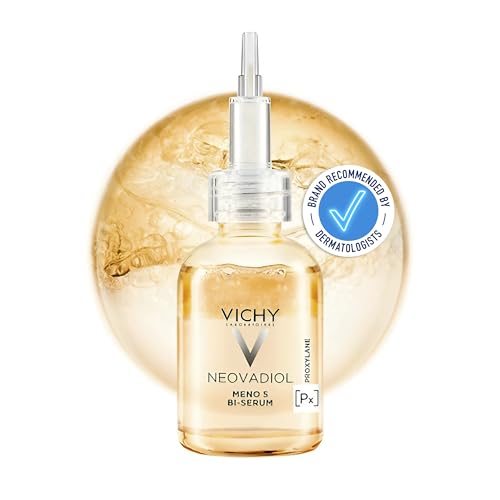
Vichy
Neovadiol Meno 5 Bi-Serum
serum · 2.4 l · 23 ingredients
- No essential oils
- No coconut oil, isopropyl myristate and other heavy, pore-clogging emollients
- With salicylic acid
- With niacinamide
Frequently asked questions
What is the most important step in an acne skincare routine?
Consistency is more important than any individual product. That said, if there is one non-negotiable active, it is a topical retinoid (adapalene 0.1% gel is available OTC). The AAD's 2024 guidelines give topical retinoids a strong recommendation as first-line acne therapy — they address microcomedone formation at the root and work for all acne lesion types. Combined with benzoyl peroxide in the morning, this pairing outperforms either ingredient alone. Everything else in the routine supports these two actives.
Do I need a toner in my acne routine?
No — toners are optional, not essential. The historical reason for toners was removing residual alkaline soap residue; modern gentle cleansers make this unnecessary. If you choose to use a toner, choose one with niacinamide or azelaic acid and avoid any with alcohol, witch hazel, or harsh astringents, which strip the skin barrier and worsen acne through increased barrier disruption and inflammation.
Can I wear makeup with acne-prone skin?
Yes. The key requirement is that products are labeled non-comedogenic and are thoroughly removed before bed. Mineral-based foundations and tinted sunscreens are generally well-tolerated by acne-prone skin. Heavy-coverage products worn daily can worsen breakouts; if full coverage is needed, double cleansing in the evening is especially important.
Should I moisturize if I have oily skin and acne?
Yes — this is one of the most important and most ignored points in acne skincare. Acne treatments (especially benzoyl peroxide and retinoids) cause dryness, which triggers compensatory sebum production. A compromised skin barrier also allows greater inflammatory signal penetration, worsening breakouts. Choose a lightweight, gel-format, oil-free, non-comedogenic moisturizer — it will not cause breakouts and will support the effectiveness of your treatments.
How many active ingredients can I use in an acne routine?
As few as possible. The foundation of an evidence-based acne routine is one or two actives: a retinoid (night) and benzoyl peroxide (morning). Adding multiple acids, exfoliants, and serums on top of these is a common barrier-disrupting mistake. Every additional active ingredient compounds irritation risk; the instability of an irritated barrier feeds inflammation and acne. Add niacinamide or azelaic acid as secondary adjuncts if desired, but do not layer AHAs, vitamin C, and retinoids in the same session.
Why is my acne worse after starting a new routine?
Two possibilities: a purge or over-irritation. A 'purge' occurs when a retinoid or other active accelerates cell turnover, forcing congestion to surface faster — producing a temporary increase in breakouts in weeks 1–6 that resolves as the skin adapts. Over-irritation is different: persistent redness, stinging, or worsening beyond week 6 suggests the barrier is compromised. Simplify the routine, stop the most aggressive actives, rebuild the barrier with a gentle cleanser and ceramide moisturizer, and restart more slowly.
Sources
- 01Skin care for acne-prone skin — American Academy of Dermatology (aad.org). AAD recommends non-comedogenic cleanser twice daily; apply acne treatment to all acne-prone areas, not just spots; use lightweight oil-free moisturizer; wear SPF 30+ daily; use retinoid at night; results take 6–8 weeks minimum.
- 0210 skin care habits that can worsen acne — American Academy of Dermatology (aad.org). Over-washing worsens acne; scrubbing spreads bacteria; physical exfoliants are counterproductive; skipping moisturizer causes compensatory oil production; not using SPF worsens PIH.
- 03Guidelines of care for the management of acne vulgaris — Journal of the American Academy of Dermatology, 2024-01-30. Strong recommendation for topical retinoids and benzoyl peroxide as first-line; combination products outperform monotherapy; topical antibiotic monotherapy not recommended; antibiotic combined with BPO to prevent resistance.
- 04Acne: Learn More – Skin care for acne-prone skin — InformedHealth.org / National Center for Biotechnology Information (NCBI). Soap-free cleansers with skin-appropriate pH recommended over alkaline soaps for acne-prone skin; twice-daily cleansing is the appropriate frequency; moisturizer use is important alongside acne treatments.