Buying guide · Picks updated 6 November 2026
Best Moisturisers for Rosacea-Prone Skin (2026)
Our top pick for moisturisers for rosacea-prone skin in 2026 is Uriage Xemose C8+ Lipid-Replenishing Anti-Itch Balm: Fragrance-free, No essential oils, No drying alcohol, with Ceramides, with Centella asiatica. These 8 picks pass every rule for this need, out of 129 moisturisers whose full ingredient lists we have decoded. Picks updated 6 November 2026.
The catch: 5 of these 8 picks contain silicones. If you'd rather avoid silicones, go for #1, #2 and #3.
Rosacea-prone skin usually does best with a simple, calm moisturiser, and the full ingredient list tells you more than the front of the pack. Check the full list for fragrance-free first, since fragrance is the most common cause of cosmetic contact allergy, then look for helpful extras like niacinamide or ceramides. See a doctor or dermatologist for a rosacea diagnosis and treatment, since a moisturiser only makes daily care gentler.
Edited by Bez · Our full method

Best overall
AffiliateUriage Xemose C8+ Lipid-Replenishing Anti-Itch Balm
- Fragrance-free
- No essential oils
- No drying alcohol
- No labelled fragrance allergens
- Sulfate-free
- Silicone-free
Key ingredients: Ceramides · Glycerin · Centella asiatica · Shea butter · Vitamin E
Our picks, ranked by their ingredient lists
1Uriage
Xemose C8+ Lipid-Replenishing Anti-Itch Balm
moisturizer · 500 ml · 24 ingredients
- Fragrance-free
- No essential oils
- No drying alcohol
- No menthol, camphor, witch hazel and glycolic acid
- With ceramides
 2
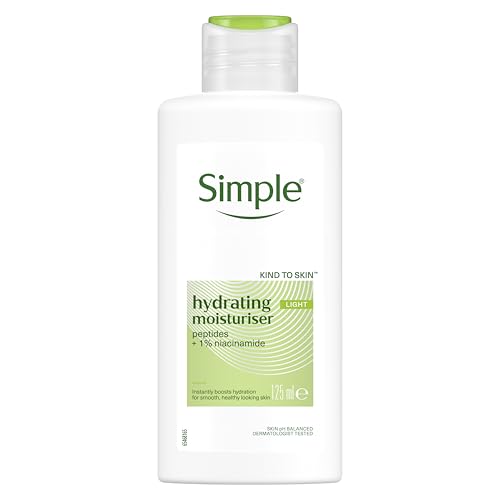
Simple
Hydrating Light Moisturiser
moisturizer · 125 ml · 30 ingredients
- Fragrance-free
- No essential oils
- No drying alcohol
- No menthol, camphor, witch hazel and glycolic acid
- With niacinamide
 3
Beauty of Joseon
Dynasty Cream Hydrating Face Moisturizer
moisturizer · 100 ml · 37 ingredients
- Fragrance-free
- No essential oils
- No drying alcohol
- No menthol, camphor, witch hazel and glycolic acid
- With niacinamide
 4
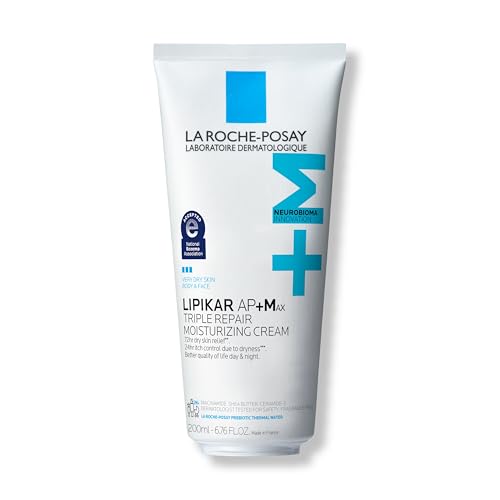
La Roche-Posay Lipikar
BAUME AP+ baume relipidant antiirritations
moisturizer · 200 ml · 20 ingredients
- Fragrance-free
- No essential oils
- No drying alcohol
- No menthol, camphor, witch hazel and glycolic acid
- With niacinamide
 5
CeraVe
Hydrating Hyaluronic Acid Water Gel
moisturizer · 48 g · 31 ingredients
- Fragrance-free
- No essential oils
- No drying alcohol
- No menthol, camphor, witch hazel and glycolic acid
- With niacinamide
 6
Medik8
Total Moisture Daily Facial Cream
moisturizer · 50 ml · 46 ingredients
- Fragrance-free
- No essential oils
- No drying alcohol
- No menthol, camphor, witch hazel and glycolic acid
- With ceramides
 7
Anua
PDRN Hyaluronic Acid 100 Moisturizing Cream
moisturizer · 60 ml · 48 ingredients
- Fragrance-free
- No essential oils
- No drying alcohol
- No menthol, camphor, witch hazel and glycolic acid
- With niacinamide
 8
Byoma
Barrier Repair Treatment
moisturizer · 50 ml · 43 ingredients
- Fragrance-free
- No essential oils
- No drying alcohol
- No menthol, camphor, witch hazel and glycolic acid
- With niacinamide
Compare every pick
Affiliate| Product | Ingredients | Fragrance | Essential oils | Drying alcohol | Labelled fragrance allergens | Sulfates | Silicones | Key ingredients | Buy |
|---|---|---|---|---|---|---|---|---|---|
| 1Uriage Xemose C8+ Lipid-Replenishing Anti-Itch BalmBest overall | 24 | Ceramides, Glycerin, Centella asiatica | Amazon | ||||||
| 2Simple Hydrating Light Moisturiser | 30 | Niacinamide, Glycerin, Lactic acid | Amazon | ||||||
| 3Beauty of Joseon Dynasty Cream Hydrating Face Moisturizer | 37 | Ceramides, Niacinamide, Hyaluronic acid | Amazon | ||||||
| 4La Roche-Posay Lipikar BAUME AP+ baume relipidant antiirritationsShortest ingredient list | 20 | Ceramides, Niacinamide, Glycerin | Amazon | ||||||
| 5CeraVe Hydrating Hyaluronic Acid Water Gel | 31 | Ceramides, Niacinamide, Hyaluronic acid | Amazon | ||||||
| 6Medik8 Total Moisture Daily Facial CreamMost key ingredients | 46 | Ceramides, Hyaluronic acid, Glycerin | Amazon | ||||||
| 7Anua PDRN Hyaluronic Acid 100 Moisturizing Cream | 48 | Niacinamide, Hyaluronic acid, Glycerin | Amazon | ||||||
| 8Byoma Barrier Repair Treatment | 43 | Ceramides, Niacinamide, Hyaluronic acid | Amazon |
What every pick leaves out
Every pick is free of added fragrance, essential oils and drying alcohol, such as alcohol denat. or SD alcohol, and also leaves out menthol, camphor, witch hazel and glycolic acid. Essential oils carry the same allergens as perfume, and fragrance-free labels can still contain them. Simple alcohols high on the list can dry and sting sensitive skin; fatty alcohols like cetyl alcohol are fine.
- Fragrance-free
- No essential oils
- No drying alcohol
How to choose
Which ingredients should you look for in a moisturiser for rosacea?
Read the INCI list, the standard ingredient list printed on the label. Items are ordered from highest amount to lowest, down to about 1%; below that, the order is not fixed. Look for calming names higher up, such as niacinamide, azelaic acid, centella asiatica, allantoin or zinc oxide. Ceramides help hold the skin barrier together. Creams and ointments are richer than lotions, so pick by how dry your skin feels.
Which ingredients should you skip if you have rosacea-prone skin?
Skip any moisturiser listing Parfum, Fragrance or Aroma in its INCI list. Fragrance is the most common cause of cosmetic contact allergy, and rosacea-prone skin usually does better without it. Skip essential oils too, such as lavender, citrus peel, peppermint or tea tree. Avoid drying alcohols like Alcohol denat., SD alcohol, ethanol or isopropyl alcohol. Fatty alcohols like cetyl alcohol are fine. Remember, 'unscented' can still hide a masking fragrance.
How do you patch test a new moisturiser first?
Apply a little to a small area, such as inside the elbow, for several days before using it all over. Check the full ingredient list before you buy, because only that list proves a 'fragrance-free' claim. Rosacea is diagnosed and treated by a doctor or dermatologist. A moisturiser only makes daily care gentler. See a doctor, dermatologist or pharmacist for a plan.
Frequently asked questions
Which are the best moisturisers for rosacea-prone skin in 2026?
Uriage Xemose C8+ Lipid-Replenishing Anti-Itch Balm is our top pick in 2026: Fragrance-free, No essential oils, No drying alcohol, with Ceramides, with Centella asiatica. The runners-up are Simple Hydrating Light Moisturiser, Beauty of Joseon Dynasty Cream Hydrating Face Moisturizer and La Roche-Posay Lipikar BAUME AP+ baume relipidant antiirritations. Every pick is chosen by code from its full ingredient list.
Should a moisturiser for rosacea-prone skin be fragrance-free?
Usually yes. Fragrance is the most common cause of cosmetic contact allergy, and sensitive, eczema-prone and rosacea-prone skin usually does better without added scent. Only the full ingredient list proves a product is fragrance-free, because unscented products can still contain a masking fragrance.
Is a fragrance-free label enough to rule out essential oils?
No. Essential oils carry the same fragrance allergens as perfume, and fragrance-free labels can still contain them. Check the full list for scented plant oils such as lavender, citrus peel, peppermint or tea tree.
Are certain ingredients better for rosacea-prone skin?
Yes. Look for azelaic acid, niacinamide, ceramides, centella asiatica, zinc oxide and allantoin. Azelaic acid calms redness and evens tone. Niacinamide helps with oil, redness, uneven tone and the barrier. Ceramides help hold the skin barrier together.
Should I patch test a new moisturiser before using it all over my face?
Yes. Apply a little to a small area, such as inside the elbow, for several days before using a new moisturiser all over. Do this with anything new, even one that fits every rule in this guide.
Should I see a dermatologist before choosing a moisturiser for rosacea?
Yes, for diagnosis and treatment. Rosacea is diagnosed and treated by a doctor or dermatologist. Products only make daily care gentler. See a doctor, dermatologist or pharmacist with any health question about your skin.