Peptides in Skincare: Do They Actually Boost Collagen?
The short answer
Topical peptides signal fibroblasts to produce collagen and elastin.
What Are Peptides in Skincare?
Peptides are short polymers of amino acids — the same building blocks that make up proteins like collagen, elastin, and keratin. In the context of skincare, "peptide" refers to synthetic or derived fragments typically between 2 and 10 amino acids long that are small enough to be formulated into topical products and, with the right delivery system, reach dermal fibroblasts.
The rationale for using them is biological: when collagen breaks down in aging skin — from intrinsic aging, UV damage, or mechanical stress — the resulting fragments (called matrikines) signal the skin to produce more collagen. Topical peptides mimic these signaling fragments to trigger the same repair cascade without waiting for damage to occur.
A 2025 PMC review classifies cosmeceutical peptides into four functional categories, each with a distinct mechanism of action.
The Four Classes of Skincare Peptides
1. Signal Peptides (Matrikines)
Signal peptides mimic naturally occurring collagen breakdown fragments, stimulating fibroblasts to increase production of collagen, elastin, fibronectin, and glycosaminoglycans. They are the most clinically studied class.
Key examples:
- Palmitoyl pentapeptide-4 (Matrixyl): The benchmark cosmeceutical peptide. Published clinical data show reductions in wrinkle area and depth of 17–68% at 4–12 weeks of twice-daily use. Palmitoylation (the fatty-acid chain attached to the peptide) increases lipid solubility and improves stratum corneum penetration.
- Palmitoyl tripeptide-1 and palmitoyl tetrapeptide-7 (Matrixyl 3000): A combination marketed to target collagen I and hyaluronic acid synthesis simultaneously. Clinical evidence is promising but smaller in volume than Matrixyl alone.
- Tripeptide-1 (GHK): The core sequence of the well-studied copper tripeptide complex. In fibroblast cultures it up-regulates collagen I, III, elastin, and versican gene expression.
2. Carrier Peptides
Carrier peptides transport essential microelements into dermal cells.
- Copper tripeptide-1 (GHK-Cu): GHK (Gly-His-Lys) binds copper and delivers it into fibroblasts, where copper acts as a cofactor for lysyl oxidase — an enzyme that cross-links collagen and elastin fibers for structural integrity. In a 2024 PMC study on cultured human dermal fibroblasts, collagen peptides including GHK sequences demonstrably upregulated collagen, elastin, and versican gene expression. GHK-Cu has also been shown to stimulate wound healing and skin remodeling at concentrations as low as 1–10 nM.
3. Neurotransmitter-Inhibitor Peptides
These peptides reduce dynamic wrinkle depth by partially blocking acetylcholine release at neuromuscular junctions, relaxing repetitive facial muscle contractions in a mechanism analogous (at far lower magnitude) to botulinum toxin.
- Acetyl hexapeptide-8 (Argireline): The most commercially prominent neurotransmitter-inhibitor peptide. It blocks the SNARE complex responsible for acetylcholine vesicle fusion. A 2025 PMC review on AH-8 confirmed that clinical studies show reductions in crow's feet and forehead wrinkle depth, but notes that penetration through the lipophilic stratum corneum is the primary limitation — hydrophilic peptides accumulate at the barrier rather than penetrating deeply. Encapsulation technologies (liposomes, niosomes) improve delivery.
- Leuphasyl (pentapeptide-18): Works synergistically with Argireline on a different step in the SNARE complex; often formulated together.
4. Enzyme-Inhibitor Peptides
These peptides reduce the activity of enzymes that break down the extracellular matrix.
- Soy-derived peptides inhibit serine proteases involved in collagen and fibronectin degradation.
- Silk fibroin peptides have been shown to reduce MMP-1 (collagenase) activity in UV-stressed keratinocytes.
Do Topical Peptides Actually Penetrate the Skin?
This is the central scientific debate. The intact stratum corneum is a formidable barrier, and most peptides are inherently hydrophilic and relatively large compared to small molecules like retinol. The 2025 PMC review on AH-8 concluded that unmodified hydrophilic peptides face significant permeability constraints.
The industry has developed several strategies that improve (but do not fully solve) the penetration problem:
| Strategy | Example | Mechanism |
|---|---|---|
| Palmitoylation | Palmitoyl pentapeptide-4 | Adds a fatty-acid tail, increases lipophilicity |
| Liposomal encapsulation | GHK-Cu liposome | Fuses with cell membranes, releases cargo in epidermis |
| Niosomal delivery | AH-8 niosomes | Non-ionic surfactant vesicles; better skin retention |
| Penetration enhancers | Propylene glycol, oleic acid | Transiently disrupt stratum corneum lipids |
The practical implication: palmitoylated peptides and liposome-encapsulated peptides are meaningfully better options than unmodified hydrophilic sequences in an aqueous serum.
Clinical Evidence: How Strong Is It?
The honest answer is moderate — significantly better than most cosmeceutical ingredients, not as deep as the retinoid evidence base.
| Peptide | Best Evidence | Effect Seen |
|---|---|---|
| Palmitoyl pentapeptide-4 (Matrixyl) | Multiple RCTs, 4–12 weeks | Wrinkle area reduction 17–68%; increased skin thickness |
| GHK-Cu | In vitro + small clinical | Collagen I/III and elastin gene upregulation; wound healing |
| Acetyl hexapeptide-8 (Argireline) | RCTs with limitations | Crow's feet and expression line depth reduction; penetration is the constraint |
| Tetrapeptide-68 | 2024 RCT (PMC11359174) | Significant periorbital wrinkle reduction vs. placebo in 56 days |
| Cyclized hexapeptide-9 | 2025 RCT (PMC12207714) | Outperformed retinol on most photoaging outcomes at 8 weeks |
A 2024 PMC overview of cosmeceuticals noted that the evidence base behind peptides is among the strongest in the cosmeceutical class, with many studies achieving Level Ib evidence (at least one RCT).
How to Use Peptides Effectively
Formulation Matters More Than Concentration
A peptide serum at 4 ppm of a palmitoylated peptide in an optimized delivery vehicle will outperform a cream at 200 ppm of an unmodified hydrophilic sequence. Look for peptides early in the ingredient list and, where possible, look for palmitoylated or encapsulated forms.
pH and Stability
Peptides are generally stable across a wider pH range than vitamin C, which makes formulation easier. They are compatible with most skincare routines. However, some enzyme-inhibitor peptides can be cleaved by proteases present in products with live fermentation ingredients — check that the formulation is preserved appropriately.
Layering in a Routine
Morning: Cleanser → Peptide serum → Moisturizer → SPF Evening: Cleanser → Peptide serum (or combine with moisturizer containing peptides) → Retinol (on nights you use it) → Moisturizer
Peptides and retinol are fully compatible — they work by complementary mechanisms with no interaction risk. Pairing them in a regimen gives both collagen-stimulation pathways (nuclear receptor activation via retinol + extracellular signaling via peptides) running in parallel.
Niacinamide and peptides also pair well: niacinamide supports the skin barrier and reduces inflammation, creating a better environment for peptide penetration and reducing the chance of retinol irritation if all three are used.
Realistic Timeline
- Weeks 1–4: Hydration improvements are often the first noticeable change; peptides increase hyaluronic acid synthesis faster than they restructure collagen.
- Weeks 4–8: Fine surface lines begin to soften as collagen synthesis increases at the papillary dermis level.
- Weeks 8–12: Measurable improvement in skin firmness and wrinkle depth. Most clinical studies measure primary outcomes at this timepoint.
- 6+ months: Continued and compounding improvement. Unlike retinoids, peptides do not cause a "purge" — adaptation is smooth.
Who Benefits Most From Peptides
Peptides are genuinely useful for:
- Adults over 30 beginning to see fine lines and reduced firmness — peptides work best as early-intervention tools, before collagen loss is severe.
- Retinol-sensitive individuals who cannot tolerate retinoids — peptides offer a gentler alternative with meaningful, if less potent, collagen support.
- Post-procedure skin (after peels or laser) — peptides, particularly GHK-Cu, support wound healing and may reduce recovery time.
- Anyone looking to amplify a retinol routine — the complementary mechanism means combining both is better than either alone.
Peptides are not a replacement for retinoids in people who can tolerate them. The retinoid evidence base (spanning 30+ years of biopsy-controlled trials) remains deeper. But for the large subset of people who find retinoids too irritating, or who want to add a second collagen-stimulating pathway, peptides are the highest-evidence cosmeceutical alternative.
What to Look for on a Label
Highest confidence picks (well-studied):
- Palmitoyl pentapeptide-4 (Matrixyl)
- Palmitoyl tripeptide-1 + palmitoyl tetrapeptide-7 (Matrixyl 3000)
- Copper tripeptide-1 (GHK-Cu)
- Acetyl hexapeptide-8 (Argireline) — in a liposomal or niosomal vehicle
Promising but less-studied:
- Tripeptide-10 citrulline (collagen fiber organization)
- Hexapeptide-9 (cyclized; one 2025 RCT showed superiority to retinol)
- Tetrapeptide-68 (periorbital use; 2024 RCT)
Skip if the only peptide is buried at the end of a long INCI list — effective peptide concentrations require the ingredient to appear in the first half of the list, or the brand to publish validated concentrations.
See the full anti-aging skincare guide for how peptides fit into a complete anti-aging routine, and collagen loss and aging skin for the biological context behind why these signals matter.
Products with peptides
Picked by code from each product's full ingredient list.

Catrice
Super Boost Lash & Brow Serum
brow product · 6 ml · 15 ingredients
- Fragrance-free
- No essential oils
- With hyaluronic acid
- With glycerin
- With panthenol
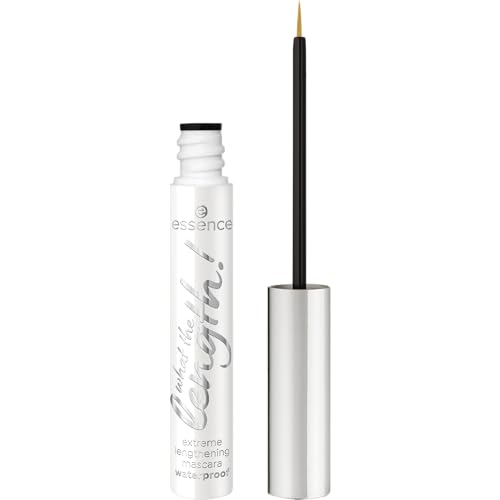
Essence
What The Length! Lash Growth Serum
serum · 4 ml · 19 ingredients
- Fragrance-free
- No essential oils
- With glycerin
- With panthenol
- With peptides

La Roche-Posay
Toleriane Dermallergo Fluid
moisturizer · 40 ml · 18 ingredients
- Fragrance-free
- No essential oils
- With glycerin
- With squalane
- With peptides

Neutrogena
Collagen Bank Face Moisturiser
sunscreen · 50 ml · 19 ingredients
- Fragrance-free
- No essential oils
- With glycerin
- With peptides
- With shea butter
Frequently asked questions
What does the current evidence say about topical peptides in 2026?
The evidence is moderate and improving. A 2025 PMC review and a 2024 overview of cosmeceuticals both rate peptides among the strongest-evidenced topical cosmeceuticals, with multiple published RCTs supporting palmitoyl pentapeptide-4 (Matrixyl) and, more recently, cyclized hexapeptide-9 and tetrapeptide-68. The main limitation is penetration — hydrophilic peptides have difficulty crossing the stratum corneum — but palmitoylated and encapsulated formulations are demonstrably better. The overall picture: peptides produce real but modest improvements in fine lines and firmness, not as dramatic as prescription retinoids, but meaningful and well-tolerated.
Are peptides better than retinol for anti-aging?
No, not overall — but they are a valuable complement. Retinol has 30+ years of biopsy-controlled trial data showing measurable increases in dermal collagen and epidermal thickness. Peptide evidence, while solid at the RCT level, is shorter in duration and less mechanistically deep. A 2025 RCT (PMC12207714) found that cyclized hexapeptide-9 outperformed retinol on some outcome measures in 8 weeks, which is a notable finding — but it has not been replicated at scale. For people who tolerate retinol, the best strategy is to use both. For those who cannot tolerate retinoids, peptides are the best cosmeceutical alternative.
How long do peptides take to work?
Hydration improvements typically appear within 1–2 weeks (peptides stimulate hyaluronic acid synthesis faster than collagen remodeling). Fine line softening begins at 4–8 weeks. Most clinical trials measure primary endpoints at 8–12 weeks. Unlike retinoids, peptides do not have an adaptation phase — the experience is gradual improvement with no initial worsening.
Can you use peptides with retinol and niacinamide?
Yes — this is one of the most synergistic combinations in evidence-based skincare. Peptides work through extracellular receptor signaling; retinol works through nuclear receptor activation; niacinamide supports the skin barrier and reduces inflammation. There are no documented interactions between these three. A common routine: niacinamide in the morning (with SPF), peptide serum in the evening, retinol every second or third evening building to nightly.
What is the best peptide for collagen production?
Palmitoyl pentapeptide-4 (Matrixyl) has the most robust clinical evidence for collagen synthesis stimulation among topical peptides. Copper tripeptide-1 (GHK-Cu) has strong in vitro data for upregulating collagen I, III, elastin, and glycosaminoglycans, with supporting clinical data. For combined signal-peptide activity and moisturization, Matrixyl 3000 (palmitoyl tripeptide-1 + palmitoyl tetrapeptide-7) is widely cited. In all cases, delivery vehicle quality matters as much as the peptide identity.
Are collagen supplements the same as topical peptides?
No — they work by completely different mechanisms. Oral hydrolyzed collagen peptides are digested and absorbed into the bloodstream, where clinical trials show they can increase circulating collagen peptide levels and stimulate skin fibroblasts systemically. A 2024 randomized controlled trial published on PubMed demonstrated significant improvement in skin elasticity and hydration after 12 weeks of oral collagen peptide supplementation. Topical peptides act locally via receptor signaling at the skin surface and dermis. Both approaches have evidence; they are complementary, not interchangeable.
Sources
- 01Applications of bioactive peptides in cosmeceuticals: a review — PubMed Central / PMC, 2025-06-01. Cosmeceutical peptides are classified as signal peptides/matrikines, carrier peptides, neurotransmitter-inhibitor peptides, and enzyme-inhibitor peptides; each class works by a distinct mechanism to reduce visible aging signs.
- 02Acetyl Hexapeptide-8 in Cosmeceuticals — A Review of Skin Permeability and Efficacy — PubMed Central / PMC, 2025-05-01. AH-8 (Argireline) blocks SNARE-complex acetylcholine release, reduces crow's feet and forehead wrinkle depth in clinical studies, but faces significant penetration constraints through the lipophilic stratum corneum; encapsulation improves delivery.
- 03Collagen peptides affect collagen synthesis and the expression of collagen, elastin, and versican genes in cultured human dermal fibroblasts — PubMed Central / PMC, 2024-05-01. Collagen peptides including GHK sequences upregulate collagen I, elastin, and versican gene expression in human dermal fibroblasts, confirming the signal-peptide mechanism in a controlled in vitro model.
- 04Overview of popular cosmeceuticals in dermatology — PubMed Central / PMC, 2024-03-01. Peptides have among the strongest evidence bases in the cosmeceutical class, with many studies achieving Level Ib evidence (at least one RCT); palmitoyl pentapeptide-4 shows measurable wrinkle reduction in published trials.
- 05Novel Cyclized Hexapeptide-9 Outperforms Retinol Against Skin Aging: A Randomized, Double-Blinded, Active- and Vehicle-Controlled Clinical Trial — PubMed Central / PMC, 2025-06-01. In an 8-week RCT, cyclized hexapeptide-9 produced significantly larger effects than retinol on crow's feet and forehead wrinkles and was better tolerated, with time-dependent augmentation of improvement on long-term use.
- 06Wrinkle Reduction Using Tetrapeptide-68 — A Randomized Double-Blind Placebo-Controlled Study — PubMed Central / PMC, 2024-08-01. Tetrapeptide-68 (derived from the skin structural protein Loricrin) applied twice daily for 56 days produced significant periorbital wrinkle reduction vs. placebo in women aged 30–65; 95.46% of participants reported visible improvement.