The LOC & LCO Method: Which Order Works for Your Hair?
The short answer
LOC (liquid, oil, cream) seals moisture best for high-porosity curly hair.
What the LOC and LCO Methods Are
The LOC and LCO methods are layering techniques designed to address one of curly and coily hair's central challenges: moisture retention. Tightly coiled and wavy hair textures have a naturally irregular cuticle pattern that makes it difficult for scalp sebum to travel down the full length of the hair shaft. Without that lubricating, sealing oil reaching the ends, water evaporates out of the cortex quickly — leaving hair dry, frizzy, and prone to breakage.
The methods solve this by deliberately layering three product types — each with a distinct function — in a specific sequence so that moisture is introduced, supplemented, and then sealed inside the hair fiber.
- L = Liquid: water or a water-based leave-in conditioner
- O = Oil: a natural or formulated oil (coconut, argan, avocado, jojoba)
- C = Cream: a heavier water-in-oil emulsion, curl cream, or butter
The only difference between the two methods is where the oil sits in the sequence.
Why Sequence Matters: The Science
Hair fiber is a complex structure — primarily protein (approximately 90% keratin) plus a protective outer lipid layer (18-methyleicosanoic acid, or 18-MEA) covalently bonded to the epicuticle. Research published in PMC on hair care physicochemistry (2023) confirms that this lipid layer is critical for maintaining hydrophobicity, cuticle smoothness, and resistance to environmental humidity.
Chemical services, heat styling, and mechanical manipulation degrade 18-MEA, raising the cuticle, increasing porosity, and allowing water to move in and out of the cortex erratically. The LOC/LCO method mimics what healthy, intact lipid architecture does naturally — using an applied oil to compensate for lost lipid coverage, and a cream emulsion to provide an additional sealant layer.
Why oil must come after liquid (in both methods): Oils are hydrophobic — they cannot deliver water to the hair shaft. If oil is applied to dry hair first, it creates a barrier that prevents subsequent water from entering the cortex at all. Both LOC and LCO start with a liquid (water or leave-in conditioner) for this reason.
Why cream comes last in LOC, oil comes last in LCO: In LOC, the oil sits directly on the hair surface before the cream, providing a lipid barrier that slows moisture evaporation; the cream then locks in both the moisture and the oil layer. In LCO, the cream (which has water-based ingredients) is applied over the liquid first — gently diluting any heaviness — and the oil finishes on top as a final light seal. The result of LCO tends to be softer and less occlusive, which suits fine or low-porosity hair.
Which Method Is Right for Your Hair?
LOC: High-Porosity, Coarse, Dry, or Coily Hair
High-porosity hair absorbs moisture quickly but loses it just as fast because the cuticle is raised or damaged. The LOC order — sealing with oil before the cream — provides a more occlusive barrier earlier in the sequence, which is more effective at slowing the evaporative loss that high-porosity hair is prone to.
Best candidates for LOC:
- Naturally 3C–4C coil patterns
- Bleached or color-treated hair
- Hair that feels dry within 24 hours of washing despite regular conditioning
- Chemically relaxed or heat-damaged hair
LCO: Fine, Low-Porosity, or Wavy-to-Loosely-Curly Hair
Low-porosity hair has tightly closed cuticles — moisture is hard to get in, but once in, it stays well. The cuticle's resistance means these hair types do not need as heavy a sealant. Applying oil directly after a leave-in (as in LOC) can feel heavy, greasy, or can even block the cream's water-based ingredients from providing benefit. In LCO, the cream's lighter, emulsified formulation sits between the leave-in and the oil, allowing the oil to provide a gentle finish without overwhelming the strand.
Best candidates for LCO:
- 2A–3B curl patterns
- Fine-stranded hair regardless of curl pattern
- Hair that becomes weighed down easily or looks greasy after oil application
- Low-porosity hair that tends to resist product absorption
How to Do the LOC Method: Step by Step
See the detailed steps section below. In summary:
- Start on freshly washed, damp hair. The initial water present in the hair is the "L" — the most effective liquid source. Applying to completely dry hair reduces the moisture that gets sealed in.
- Apply leave-in conditioner or water mist. This is optional additional liquid if your hair has dried partially. Spray with water or apply a lightweight leave-in.
- Apply oil (LOC) or cream (LCO) next. Work through sections, from mid-lengths to ends, focusing on the most damaged and driest areas.
- Apply the final layer. Cream in LOC, oil in LCO. Smooth over the hair, sealing and defining.
- Style as usual. The LOC/LCO foundation works as a moisture base under gels, mousses, or other styling products.
Choosing Products for Each Step
L — Liquid
- Best option: Freshly washed, damp hair (no extra product needed for the L)
- If adding: Distilled water or rose water mist; a lightweight, water-based leave-in conditioner with humectants (glycerin, panthenol, aloe vera)
- Avoid: Heavy, butter-heavy leave-ins (they compete with the O and C layers)
O — Oil
Not all oils perform equally for this purpose. Penetrating oils — those with smaller molecular structures that can pass through the cuticle to reach the cortex — provide internal nourishment. Sealing oils stay on the surface and are better suited to the outer sealing function.
| Oil | Primary function | Best for |
|---|---|---|
| Coconut oil | Penetrating — reduces protein loss | Most hair types; avoid if protein-sensitive |
| Avocado oil | Penetrating — rich in oleic acid | Coarse, dry, high-porosity |
| Olive oil | Semi-penetrating, high oleic acid | Thick, coarse, high-porosity |
| Jojoba oil | Surface sealing — mimics sebum | Fine, low-porosity, oily scalp |
| Argan oil | Light surface sealing | All types; shine-focused |
| Castor oil | Heavy sealing | Very high-porosity, coily; too heavy for fine hair |
For LOC on high-porosity hair: a penetrating oil (coconut, avocado) works best. For LCO's finishing layer on fine hair: a lightweight sealing oil (argan, jojoba) is better.
C — Cream
A water-based curl cream, leave-in cream, or whipped butter. Look for:
- Fatty alcohols (cetyl, stearyl) for slip and emollience without greasiness
- Humectants (glycerin, aloe) to maintain moisture after sealing
- Avoid heavy, non-rinsing silicones (dimethicone) if you do not use a sulfate shampoo regularly — these accumulate and eventually block moisture entry
Common Mistakes
Using too much oil. A few drops to a dime-sized amount is usually sufficient. Excess oil does not improve moisture retention — it just makes hair greasy and can attract dust and debris.
Applying to fully dry hair. The moisture the LOC/LCO method seals in largely comes from the water in freshly washed damp hair. Applying to dry hair and then a small water mist is far less effective than starting on properly damp hair.
Choosing the wrong method for your porosity. LOC on low-porosity or fine hair commonly results in greasiness, flatness, and product buildup. If your hair feels heavy or looks dull after LOC, switch to LCO with lighter product choices.
Using non-penetrating silicone oils as the O layer. Dimethicone and other heavy non-penetrating silicones in the oil slot form a coating that blocks the cream layer from contributing to the hair. Use a natural oil or a lightweight silicone-free formulation in the O step.
Not adapting based on season. In humid summer months, your hair retains environmental moisture — you may need less oil and cream, or may prefer to skip the LCO/LOC method entirely and use just a leave-in. In dry winter months, a heavier LOC sequence may be appropriate even for those who usually prefer LCO.
LOC/LCO vs. Other Moisturizing Methods
The LOC and LCO methods are particularly well-suited for curly and coily hair textures and are part of the broader curly hair care philosophy that prioritizes moisture retention and cuticle-gentle practices.
For straight or wavy hair that doesn't require such intensive moisture sealing, a standard rinse-out conditioner and leave-in are typically sufficient. For heavily damaged hair in any texture, a weekly deep conditioning treatment is the foundation, and LOC/LCO can be applied on top of that foundation as an everyday moisturizing method.
Leave-in conditioners — the "L" layer — are also useful standalone products for many hair types. Glycerin, commonly found in both leave-ins and creams, plays an important role in the humectant step of this system.
How to Know If Your Method Is Working
Signs LOC or LCO is working for you:
- Hair retains softness and moisture for 3–5 days between washes
- Frizz is reduced compared to using a single product
- Curls or waves are defined without crunchiness or heaviness
- Less breakage when detangling
Signs it's not working:
- Hair feels heavy, flat, greasy, or looks dull after the first day → try LCO instead of LOC, or use lighter product choices
- Hair still feels dry within 24 hours → add a deeper moisture base with a deep conditioning treatment first, or increase the frequency of wash days
- Product buildup that doesn't come out with normal shampoo → add a monthly clarifying shampoo session to reset
Step by step
- 1
Start with freshly washed, damp hair
Apply the LOC or LCO method immediately after washing while hair is still damp. The water present in the hair fiber is the primary 'L' — the moisture you are sealing in. Divide hair into 4–6 sections to ensure even product application throughout.
- 2
L — Apply leave-in conditioner or water mist (if needed)
If your hair has dried partially, spritz with distilled water or a lightweight water-based leave-in conditioner. Focus on mid-lengths and ends. This step re-introduces or supplements the liquid layer before sealing. If hair is still sufficiently damp from washing, this step can be skipped or kept very light.
- 3
LOC: Apply oil next | LCO: Apply cream next
For LOC: apply a penetrating oil (coconut, avocado, or olive oil) in a thin, even layer from mid-shaft to ends. Use a small amount — a few drops to a dime-sized amount for medium-length hair. For LCO: apply your water-based cream or curl cream next instead, working it through each section.
- 4
LOC: Apply cream to seal | LCO: Apply oil to finish
For LOC: apply a water-based cream, curl cream, or whipped butter over the oil layer. This seals both the moisture and the oil in. For LCO: apply a lightweight oil (argan, jojoba) over the cream as the final sealing layer. In both cases, smooth each section from root to end.
- 5
Style as usual
The LOC or LCO layers work as a moisture foundation beneath your styling products. Apply gel, mousse, or a defining cream on top if desired. Avoid re-wetting or disturbing the layers before the hair has fully dried — disrupting the product layers while drying causes frizz.
- 6
Assess and adapt
After 2–3 wash days using the same method and products, evaluate the results: Does hair feel moisturized for 3–5 days? Is it too heavy or too light? Adjust product weight, amount, or switch between LOC and LCO based on how your hair responds. Seasonal adjustments are normal — use a lighter approach in summer humidity and a heavier one in dry winter air.
Products that fit this guide
Picked by code from each product's full ingredient list.

Bioderma
Abcderm Smooth Shampoo
shampoo · 200 ml · 16 ingredients
- No essential oils
- With lactic acid
- With panthenol
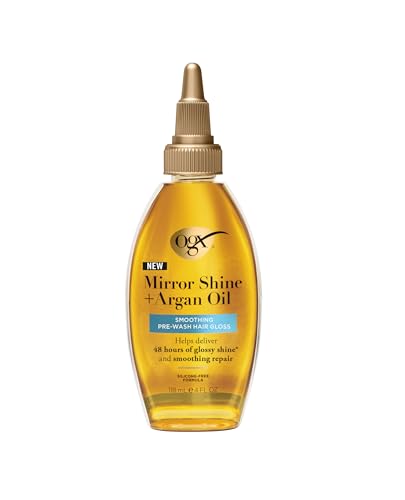
OGX
Mirror Shine + Argan Oil Pre-Wash Hair Gloss
hair oil · 118 ml · 8 ingredients
- No essential oils

Davines
Natural Tech Purifying Shampoo
shampoo · 250 ml · 21 ingredients
- No essential oils
- With glycerin
- With selenium sulfide

Eucerin
Dermo Capillaire Anti-dandruff Shampoo
shampoo · 250 ml · 15 ingredients
- Fragrance-free
- No essential oils
- With lactic acid
- With panthenol
- With urea
Frequently asked questions
Is the LOC method backed by science, or is it a social media trend?
The LOC method emerged from the natural hair care community rather than a clinical trial, but its underlying logic is consistent with established hair science. Peer-reviewed research on hair physicochemistry confirms that the hair's natural lipid layer (18-MEA) controls hydrophobicity and moisture retention, that penetrating oils like coconut oil can reduce protein loss from the cortex, and that layering emollient and occlusive agents in sequence is a well-established principle in cosmetic formulation. The specific order was developed empirically by practitioners — there are no randomized controlled trials comparing LOC to LCO — but the rationale is scientifically grounded.
How do I know if I have high or low porosity hair?
The most reliable test is the float test: take a clean strand of hair (free of product) and place it in a glass of room-temperature water. After 2–4 minutes, high-porosity hair sinks (it absorbs water quickly and becomes dense); low-porosity hair floats or takes a long time to sink. Behavioral cues are also useful: high-porosity hair dries quickly but loses moisture quickly; low-porosity hair takes a long time to get fully wet and to dry, and products tend to sit on top rather than absorbing. Medium-porosity hair sinks slowly over a few minutes.
Can I use the LOC method on straight or wavy hair?
The LOC method was designed for curly and coily textures that struggle with moisture retention, but it can be adapted for wavy (2A–2C) hair with significant product weight adjustments. Most straight hair types do not need the level of occlusive sealing that LOC provides — standard conditioning and leave-in products are sufficient. For wavy hair trying LOC or LCO, use very lightweight versions of each layer: a water mist, a very small amount of a non-penetrating light oil like argan, and a light defining cream — and expect to experiment with quantities.
Can I do the LOC method every day?
The full LOC or LCO sequence is intended for wash day and the days immediately after. Many people with curly or coily hair wash 1–2 times per week, applying the full LOC sequence after each wash. On non-wash days, re-moisturizing with just water and a small amount of cream (without re-oiling) is usually sufficient. Applying full oil and cream layers daily without washing can cause product buildup that blocks future moisture absorption.
Why does my hair feel greasy after the LOC method?
Greasiness after LOC most commonly means one of three things: (1) you are using too much oil, (2) your hair is low-porosity and does not need the heavy sealing that LOC provides — try LCO with lighter products, or (3) you are using a heavy sealing oil (castor, shea butter) that is too occlusive for your hair's needs. Try reducing the oil to just a few drops, choosing a lighter oil like jojoba or argan, and switching to the LCO order.
Does coconut oil work as the oil step for everyone?
Coconut oil is one of the most studied penetrating oils for hair and is effective for many people, but it is not universal. Coconut oil has a high lauric acid content and a small molecular size that allows it to penetrate the cortex and reduce protein loss. However, some people experience protein sensitivity — their hair becomes stiff and brittle with repeated coconut oil use. If your hair feels hard or breaks more easily after using coconut oil, switch to avocado, olive, or argan oil and monitor the response.
Sources
- 01On Hair Care Physicochemistry: From Structure and Degradation to Novel Biobased Conditioning Agents — PubMed Central / Polymers (MDPI), 2023-01-24. The 18-MEA lipid layer on the hair cuticle controls hydrophobicity and moisture retention; chemical and heat damage degrade this lipid layer, increasing porosity; oils supplement this lipid function; conditioning agents adsorb to the negatively charged, damaged cuticle surface.
- 02Hair Cosmetics: An Overview — PubMed Central / Journal of Clinical and Diagnostic Research, 2015-04-01. Leave-on conditioners provide prolonged moisture benefits; oils and emollient agents reduce evaporative moisture loss; layering product types in sequence is a standard formulation principle for curly and coily hair care.
- 03Advances in Permeation of Solutes into Hair: Influencing Factors and Theoretical Models — MDPI Applied Sciences, 2023-04-28. Molecular size and polarity determine whether an oil penetrates the hair cortex (small, saturated like lauric acid in coconut oil) or remains on the cuticle surface (large molecules, sealing oils); water entry into the cortex depends on cuticle integrity and lipid coverage.
- 04Shampoo and Conditioners: What a Dermatologist Should Know? — PubMed Central / Indian Dermatology Online Journal, 2015-06-01. Leave-on conditioning products provide longer-lasting benefit by maintaining continuous contact with the hair fiber; cationic surfactants and emollients deposit on the cuticle to reduce friction and moisture loss.
- 056 curly hair care tips from dermatologists — American Academy of Dermatology (AAD). Curly hair is more prone to dryness due to its structure; dermatologists recommend leave-in conditioners, oils, and creams to help retain moisture in curly and coily hair types.