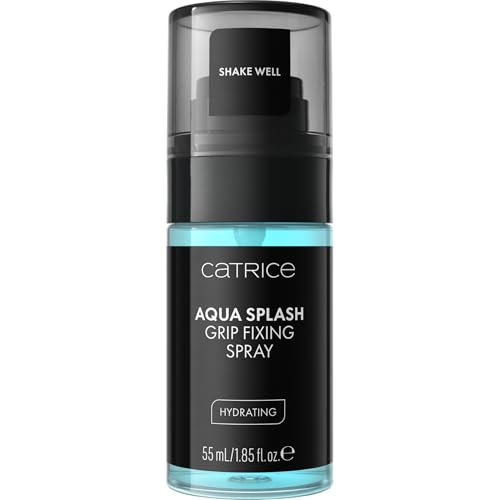
Catrice
Aqua Splash Grip Fixing Spray
setting spray · 14 ingredients
- Fragrance-free
- No essential oils
- With glycerin
- With panthenol
- With aloe vera
Full ingredient lists, decoded. Free-from facts on every product.
Ingredient dictionary
Sodium Gluconate is the sodium salt of gluconic acid, made from sugar, and its main job is to bind calcium and magnesium in hard water. It is on the label of 31 products in our library. Checked against our library November 6, 2026.
The catch: none for most people; check the full product list if your skin reacts easily.
Sodium Gluconate is the sodium salt of gluconic acid, a mild acid found naturally in foods such as honey and fruit. Most of it is made by fermenting glucose, a simple sugar, with microorganisms, then converting the acid into its sodium salt.
Formulators use it as a chelating agent. Chelators hold onto metal ions, such as calcium and magnesium, so those ions are less likely to interfere with cleansers or with the formula itself. In bath products, this helps soap and other cleansers work better in hard water, which is water rich in minerals. It dissolves easily in water and does not add much to how a product feels, so its job happens mostly behind the scenes.
Good for
Bath and body products, especially for people with hard water who want cleansers to lather more easily.
Be careful if
Nothing in particular for most skin types.
It is generally considered well tolerated in cosmetics. It is a salt of a natural acid found in foods like honey. As with any ingredient, a person with very sensitive skin may still react, so a patch test on a small area is a sensible first step.
Not really. It does not remove minerals from water. It binds calcium and magnesium so they interfere less with soap and cleansers. The minerals are still present, but they are held in a form that works less against the product.
Catrice
setting spray · 14 ingredients

Catrice
moisturizer · 28 ml · 23 ingredients

Balea
sunscreen · 50 ml · 30 ingredients

Catrice
primer · 32.5 ml · 22 ingredients

Nuxe
micellar water · 200 ml · 10 ingredients

Catrice
blush · 9 ml · 28 ingredients

Catrice
foundation · 30 ml · 37 ingredients

E45
after-sun · 150 ml · 8 ingredients