
Eucerin
Aquaphor SOS Repair Lips
moisturizer · 10 ml · 19 ingredients
- Fragrance-free
- No essential oils
- With glycerin
- With vitamin c
- With panthenol
Full ingredient lists, decoded. Free-from facts on every product.
Ingredient dictionary
Also listed as: Castor Oil
A thick, pale oil pressed from the seeds of the castor plant. It mainly softens and adds shine to skin and lip products. It is on the label of 14 products in our library. Checked against our library November 6, 2026.
The catch: none for most people; check the full product list if your skin reacts easily.
Castor oil comes from the seeds of the castor plant, Ricinus communis. The seeds are pressed to release the oil, which is then often refined for use in cosmetics. Its main fatty acid is ricinoleic acid, a fairly unusual fatty acid that makes the oil thicker and more viscous than most plant oils.
Formulators use castor oil to add shine, slip, and softness, especially in lip balms and glosses. It helps oil-based products feel smooth and hold a glossy finish on the lips. On skin, it feels rich and cushioned, and it can leave a slightly sticky film. Because it is thick, it is often blended with lighter oils or waxes to adjust the texture.
Good for
Suits people who want a glossy, cushioned lip feel and do not mind a little stickiness.
Be careful if
Nothing in particular for most skin types.
Castor oil is a common ingredient in lip balms and glosses. It adds shine and a soft, cushioned feel that many people enjoy. Because it is thick, it can feel sticky, so some people prefer it in small amounts or blended with lighter oils.
Yes. Castor oil is the common name for Ricinus communis seed oil. The INCI name is the standard label name used worldwide, so you may see either one on a product.
Eucerin
moisturizer · 10 ml · 19 ingredients
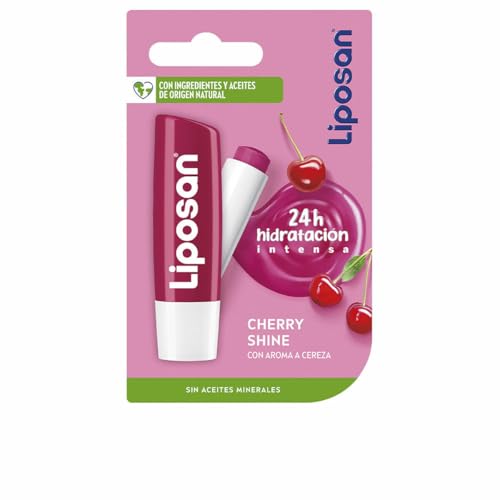
Liposan
lip balm · 5.5 ml · 17 ingredients

Burt's Bees
lip balm · 4.25 g · 14 ingredients

Labello
lip balm · 19 ml · 11 ingredients

Labello
sunscreen · 4.8 g · 25 ingredients

Bondi Sands
self-tanner · 150 ml · 31 ingredients

Alverde
lip balm · 4.8 g · 21 ingredients

Burt's Bees
hand cream · 28.3 g · 40 ingredients