
CeraVe
DOUBLE Hydrating Cream-to-Foam Cleanser
cleanser · 236 ml · 22 ingredients
- Fragrance-free
- No essential oils
- With ceramides
- With hyaluronic acid
- With glycerin
Full ingredient lists, decoded. Free-from facts on every product.
Ingredient dictionary
Phytosphingosine is a skin-identical building block for ceramides, the lipids that help hold the skin barrier together. Its main job is skin conditioning. It is on the label of 43 products in our library. Checked against our library November 6, 2026.
The catch: none for most people; check the full product list if your skin reacts easily.
Phytosphingosine is a sphingoid base, a natural building block found in human skin. Skin cells use bases like it to build ceramides, the fatty lipids that form the outer layer of the skin barrier. Cosmetic phytosphingosine is usually made by fermentation or chemical synthesis.
Formulators use it to support the skin barrier and help skin feel smooth and comfortable. It is a common choice in cleansers, moisturizers, and baby products. It blends into creams, lotions, and washes without much fuss.
Good for
Suits dry or sensitive skin, and is common in gentle cleansers, moisturizers, and baby lotions.
Be careful if
Nothing in particular for most skin types.
Phytosphingosine is generally well tolerated and appears often in baby lotions and everyday moisturizers. Everyone reacts differently, though, so try a small patch on your inner arm first if your skin reacts easily to new products.
Not exactly. Phytosphingosine is the base part of a ceramide. When a fatty acid joins it, the result is a ceramide. Formulas often include it to give skin a building block for its own barrier lipids.
CeraVe
cleanser · 236 ml · 22 ingredients

CeraVe
cleanser · 473 ml · 23 ingredients

CeraVe
cleanser · 474 ml · 25 ingredients

Uriage
moisturizer · 500 ml · 24 ingredients

CeraVe
body wash · 236 ml · 33 ingredients
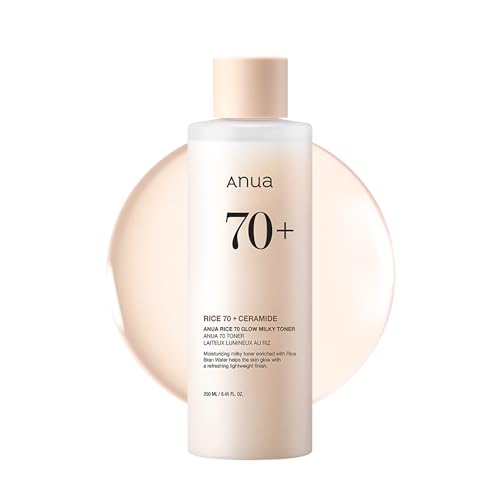
Anua
toner · 8.45 fl oz · 35 ingredients

CeraVe
cleanser · 473 ml · 20 ingredients

CeraVe
sunscreen · 52 ml · 36 ingredients