
Catrice
Highlighting Eyeshadow
eyeshadow · 2 g · 13 ingredients
- Fragrance-free
- No essential oils
- With titanium dioxide
- With vitamin e
Full ingredient lists, decoded. Free-from facts on every product.
Ingredient dictionary
Mica is a group of shiny minerals that break into thin, flat plates. In cosmetics it adds shimmer, sparkle and a soft pearly sheen. It is on the label of 78 products in our library. Checked against our library November 6, 2026.
The catch: none for most people; check the full product list if your skin reacts easily.
Mica is a mineral that forms in layers, like a stack of very thin sheets. Miners split it into small, flat flakes, then grind and clean them. Many cosmetic mica flakes are also coated with thin layers of metal oxides, which change their color. Synthetic mica, made in a lab, is also used.
Formulators use mica because it is stable, does not dissolve, and reflects light well. It adds sparkle to eyeshadow, lip gloss and bronzer, and a soft pearly look to shampoo. On the skin it feels smooth and slightly silky, and it blends in easily. Shade and coating decide how bright or subtle the effect is.
Good for
Suits anyone who wants shine or glow in eyeshadow, lip gloss, bronzer or shampoo.
Be careful if
Nothing in particular for most skin types.
Mica is widely used in cosmetics and is generally well tolerated. It does not dissolve, so it tends to sit on the surface. If you have sensitive skin, patch test a new product first and stop if you notice redness or itching.
Neither is better across the board. Natural mica is mined from the ground. Synthetic mica is made in a lab. Both give a similar shine. Some people choose synthetic for consistency or to avoid mined material.
Catrice
eyeshadow · 2 g · 13 ingredients

Catrice
eyeliner · 0.78 g · 10 ingredients

Catrice
eye cream · 4.2 g · 23 ingredients

Catrice
eye cream · 10 ml · 25 ingredients

Essence
brow product · 1 g · 10 ingredients

Essence
eyeliner · 1 g · 15 ingredients
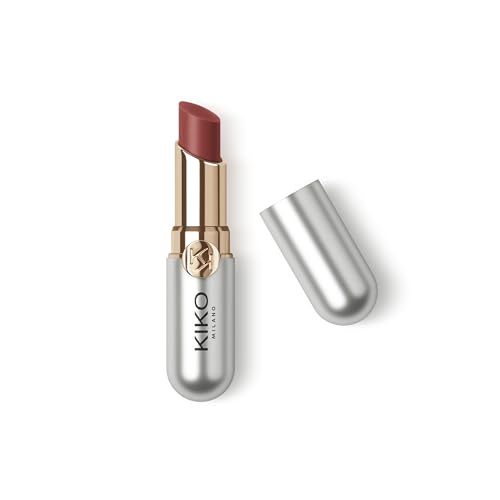
Kiko Milano
moisturizer · 2 g · 28 ingredients

Flormar
lip gloss · 4.5 ml · 29 ingredients