
Catrice
Under Eye Brightener Liquid
eye cream · 10 ml · 25 ingredients
- Fragrance-free
- No essential oils
- With glycerin
- With titanium dioxide
- With vitamin e
Full ingredient lists, decoded. Free-from facts on every product.
Ingredient dictionary
Also listed as: Soy Lecithin, Sunflower Lecithin
Lecithin is a natural mix of fatty substances called phospholipids, taken from plant or egg sources, that mainly helps oil and water blend. It is on the label of 67 products in our library. Checked against our library November 6, 2026.
The catch: none for most people; check the full product list if your skin reacts easily.
Lecithin is taken from oily seeds such as soybean and sunflower, or from egg yolk. Makers separate it during the processing of crude oils, then purify it into a thick, pale yellow to brown mixture. Its molecules have a water-loving end and an oil-loving end, which is why it can bring oil and water together.
Formulators use lecithin as an emulsifier, a conditioner, and a dispersing agent. In creams and lotions it keeps the layers mixed and stable. In washes it helps the formula feel smooth. In eyeshadow it helps pigments spread and stick evenly. On the skin it leaves a soft, cushioned feel rather than a heavy film.
Good for
Suits most skin types and people who prefer gentle, familiar ingredients in creams, washes and makeup.
Be careful if
Nothing in particular for most skin types.
Not quite. Soy lecithin is one kind, made from soybeans. Lecithin is the broader name and can also come from sunflower seeds or egg yolk. The source is usually named on the label, so you can check it if you have a soy or egg allergy.
Lecithin is generally well tolerated and is common in gentle formulas. Problems are uncommon, but any ingredient can irritate some people. If your skin reacts easily, patch test a new product on a small area first and stop if you notice redness or itching.
Catrice
eye cream · 10 ml · 25 ingredients
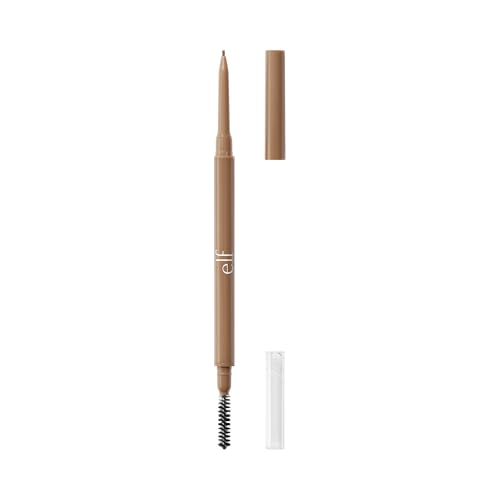
e.l.f.
brow product · 0.03 g · 16 ingredients

e.l.f.
primer · 17 g · 24 ingredients

Aveeno Baby
baby wash · 354 ml · 26 ingredients

Paula's Choice
serum · 20 ml · 26 ingredients
Paula's Choice
serum · 30 ml · 29 ingredients

e.l.f.
primer · 4.2 g · 30 ingredients

Catrice
mascara · 10 ml · 31 ingredients