
Mustela
MUS028220 Bebe Nourishing Lotion
baby lotion · 200 ml · 21 ingredients
- No essential oils
- With ceramides
- With glycerin
- With vitamin e
Full ingredient lists, decoded. Free-from facts on every product.
Ingredient dictionary
A surfactant made from lauryl alcohol and ethylene oxide, with an average of 23 ethylene oxide units. It cleans and helps foam and mix oil and water. It is on the label of 9 products in our library. Checked against our library November 6, 2026.
The catch: none for most people; check the full product list if your skin reacts easily.
Laureth-23 is made by attaching an average of 23 ethylene oxide units, small repeating building blocks, to lauryl alcohol, a fatty alcohol often sourced from coconut or palm kernel oil. The result has a water-loving chain on one end and an oil-loving tail on the other. That split is what lets it act as a surfactant.
Formulators like it because it is a nonionic surfactant, meaning it has no electrical charge. That makes it easy to combine with other cleansers and keeps formulas stable. It foams gently, helps oil and dirt rinse away, and can soften the feel of harsher ingredients. It also shows up in some baby lotions, where it helps blend oil and water.
Good for
Good for rinse-off shampoos and gentle cleansers, including formulas for babies and people with sensitive skin.
Be careful if
Nothing in particular for most skin types.
It is generally well tolerated in rinse-off products like shampoo. Like most cleansers, it can feel drying or irritate if left on skin or used at high strength, so rinse well. If your skin is very sensitive, a patch test on a small area is a sensible first step.
No. Sodium laureth sulfate is a different surfactant with a charged sulfate group. Laureth-23 has no charge, and it is often used alongside cleansers like that to make them feel softer.
Mustela
baby lotion · 200 ml · 21 ingredients

Nivea Men
shaving cream · 75 ml · 25 ingredients

OGX
shampoo · 385 ml · 35 ingredients

Moroccanoil
shampoo · 70 ml · 58 ingredients
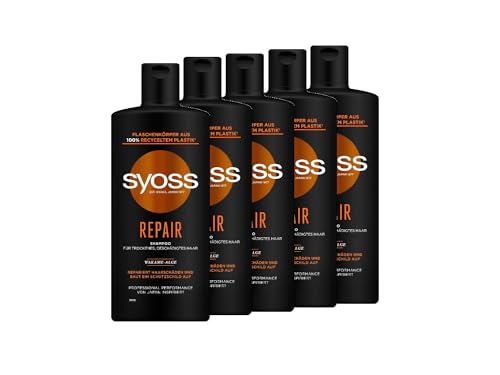
Syoss
shampoo · 440 ml · 27 ingredients

OGX
shampoo · 385 ml · 36 ingredients

Schwarzkopf
shampoo · 250 ml · 31 ingredients

John Frieda
shampoo · 250 ml · 27 ingredients