
Anua
Heartleaf 80% Moisture Soothing Ampoule
serum · 30 ml · 18 ingredients
- Fragrance-free
- No essential oils
- With hyaluronic acid
- With glycerin
- With panthenol
Full ingredient lists, decoded. Free-from facts on every product.
Ingredient dictionary
Hydroxyethylcellulose is a plant-derived thickener made by modifying cellulose, the fiber found in plant cell walls. Its main job is to make formulas thicker and more stable. It is on the label of 64 products in our library. Checked against our library November 6, 2026.
The catch: none for most people; check the full product list if your skin reacts easily.
Hydroxyethylcellulose starts with cellulose, the tough plant fiber that gives wood and cotton their structure. Chemists add small chemical side groups to its sugar units so it can dissolve in water, something plain cellulose cannot do.
Formulators like it because a little goes a long way. It thickens water-based formulas, builds body, and helps keep particles from settling or separating over time. It feels smooth and slightly slippery when spread, and it rinses or wipes off without much heaviness. Because it is not an oil, it suits lighter, water-based products.
Good for
Suits water-based shampoos, creams, deodorants and mascaras that need a smooth, stable texture.
Be careful if
Nothing in particular for most skin types.
It is generally well tolerated and is widely used in skincare and haircare. Like any ingredient, a small number of people may react to it, so a patch test is a sensible step for new products.
It starts from cellulose, a natural plant material, but it is chemically modified during manufacturing. Many people describe it as plant-derived or semi-synthetic. Either way, it is a long-established polymer used across the beauty industry.
Anua
serum · 30 ml · 18 ingredients

Catrice
mascara · 9.5 ml · 19 ingredients
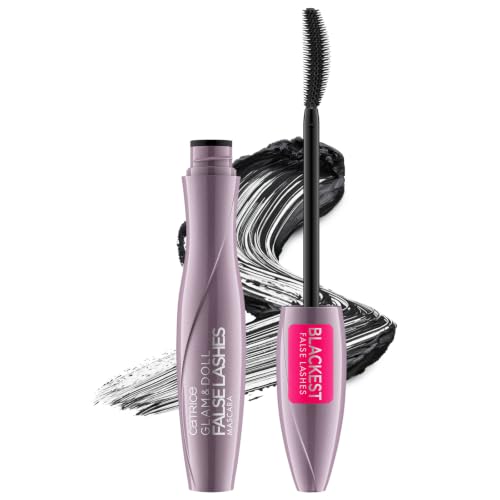
Catrice
mascara · 9.5 ml · 19 ingredients

Catrice
mascara · 11 ml · 25 ingredients

Essence
mascara · 12 ml · 20 ingredients

Essence
mascara · 12 ml · 20 ingredients

Essence
mascara · 12 ml · 19 ingredients

Essence
mascara · 12 ml · 19 ingredients