
Isana
Korean Skincare Effective Pimple Patches
exfoliant · 14 ingredients
- Fragrance-free
- No essential oils
- With salicylic acid
- With centella asiatica
- With madecassoside
Full ingredient lists, decoded. Free-from facts on every product.
Ingredient dictionary
Hydrogenated Polyisobutene is a smooth, synthetic hydrocarbon made from isobutene. Its main job is to soften skin and help makeup and creams glide and stay put. It is on the label of 41 products in our library. Checked against our library November 6, 2026.
The catch: none for most people; check the full product list if your skin reacts easily.
Hydrogenated Polyisobutene starts as isobutene, a small building block from petrochemical refining. Chemists link many of these units into long chains, called polyisobutene, then add hydrogen. This step, called hydrogenation, removes reactive double bonds, so the ingredient stays stable over time.
Because it is a hydrocarbon, it does not mix with water. Formulators use it to add slip to creams and to help pigments blend evenly in makeup. On skin it feels soft and smooth, not heavy, and leaves a thin, flexible film that helps other ingredients stay in place.
Good for
Suits moisturizers, bronzers and eye creams that need a smooth, light feel on the skin.
Be careful if
Nothing in particular for most skin types.
It is generally well tolerated and used in many leave-on products. As with any ingredient, a few people may react, so patch test new products first. Speak with a dermatologist if you have ongoing skin concerns.
It is made from petrochemical building blocks, not from animal or plant oils. Its source is not animal-based, but check each product's own labeling if you need a vegan claim.
Isana
exfoliant · 14 ingredients
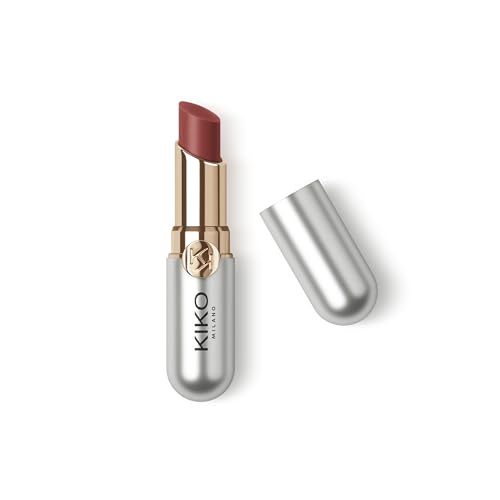
Kiko Milano
moisturizer · 2 g · 28 ingredients

Beauty of Joseon
face mask · 140 ml · 35 ingredients

Catrice
blush · 1 g · 13 ingredients

Catrice
foundation · 4 g · 19 ingredients

e.l.f.
moisturizer · 3 ml · 21 ingredients

Essence
moisturizer · 25 ml · 23 ingredients

Essence
lip gloss · 5 ml · 8 ingredients