
Beauty of Joseon
Green Plum Refreshing Cleanser
cleanser · 99.9 ml · 29 ingredients
- Fragrance-free
- No essential oils
- With glycerin
Full ingredient lists, decoded. Free-from facts on every product.
Ingredient dictionary
Also listed as: Cationic guar gum
A plant-based conditioning polymer made from guar gum, a bean-derived sugar chain with a positive charge. It helps hair and skin feel smooth and soft. It is on the label of 57 products in our library. Checked against our library November 6, 2026.
The catch: none for most people; check the full product list if your skin reacts easily.
Guar gum comes from the seeds of the guar plant, a bean-like legume grown mainly in warm, dry areas. Its natural sugar chains are ground, cleaned and then modified. Chemists add hydroxypropyl groups to help it dissolve in water, plus quaternary ammonium groups, which carry a permanent positive charge.
That positive charge is the key. Hair and skin usually carry a slight negative charge, so the polymer is drawn to them and clings to the surface. It leaves a thin, slippery layer that smooths the hair or skin, cuts static, and helps hair comb through more easily when wet. In creams, it adds a soft, cushiony feel.
Good for
Suits shampoos, conditioners and moisturizers, especially for dry, frizzy or tangled hair and dry skin.
Be careful if
Nothing in particular for most skin types.
It is generally well tolerated and is used in many shampoos, conditioners and creams. As with any ingredient, a small number of people may react to it, so patch testing a new product is a sensible step.
It can, with heavy or frequent use, especially on fine hair. Using a gentler, lighter product or a clarifying shampoo now and then can help keep hair feeling light.
Beauty of Joseon
cleanser · 99.9 ml · 29 ingredients

Bübchen
baby wash · 230 ml · 13 ingredients

Aveeno
body wash · 300 ml · 18 ingredients

Aveeno
body wash · 500 ml · 21 ingredients
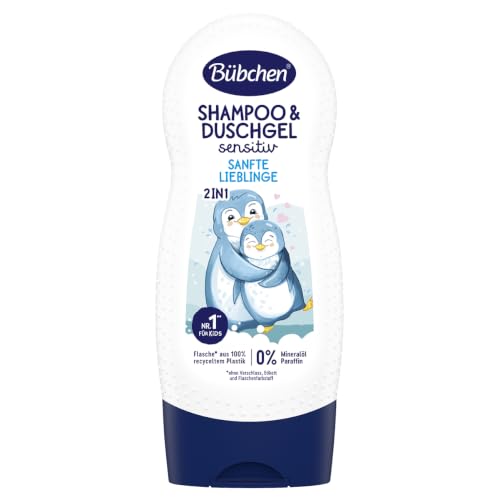
Bübchen
baby wash · 230 ml · 13 ingredients

OGX
hair oil · 50 ml · 25 ingredients

The Body Shop
conditioner · 250 ml · 21 ingredients

The Body Shop
shampoo · 400 ml · 22 ingredients