
La Roche-Posay
Toleriane Purifying Foaming Gel
cleanser · 12 g · 24 ingredients
- Fragrance-free
- No essential oils
- With ceramides
- With niacinamide
- With glycerin
Full ingredient lists, decoded. Free-from facts on every product.
Ingredient dictionary
Also listed as: Edetic acid
EDTA is a chelating agent, a small molecule that grabs onto metal ions like calcium and iron, helping keep formulas stable and clear. It is on the label of 11 products in our library. Checked against our library November 6, 2026.
The catch: none for most people; check the full product list if your skin reacts easily.
EDTA is a synthetic ingredient, made in a chemical plant rather than taken from plants or animals. It is a chelating agent, meaning its molecule wraps around metal ions such as calcium, magnesium and iron. Once bound, those ions cannot react with other ingredients, cause cloudiness, or shift scent and color.
Formulators add EDTA to help preservatives work more reliably and to keep shampoos and body washes clear and stable over time. It is often used in salt forms, such as disodium or tetrasodium EDTA, which dissolve more easily in water. At the small levels used, it is not noticeable on skin or hair, and it appears only in the ingredient list.
Good for
Found in many rinse-off and leave-in products, including shampoos, cleansers, body washes and hair color, where stable formulas matter.
Be careful if
Nothing in particular for most skin types.
EDTA is generally well tolerated at the levels used in rinse-off and leave-in products. Most people tolerate it well, but if you have sensitive skin, patch testing a new product is a sensible habit.
In shampoo, EDTA binds metal ions that can come from tap water or other ingredients. This keeps the formula clear and lets preservatives work well. It is a quiet helper, rarely the star of the product.
La Roche-Posay
cleanser · 12 g · 24 ingredients

Clinique
cleanser · 200 ml · 23 ingredients

Clinique
body wash · 200 ml · 25 ingredients

Gold Bond
moisturizer · 226 g · 32 ingredients

OGX
hair dye · 385 ml · 37 ingredients

Redken
styling product · 75 ml · 41 ingredients

OGX
shampoo · 385 ml · 37 ingredients
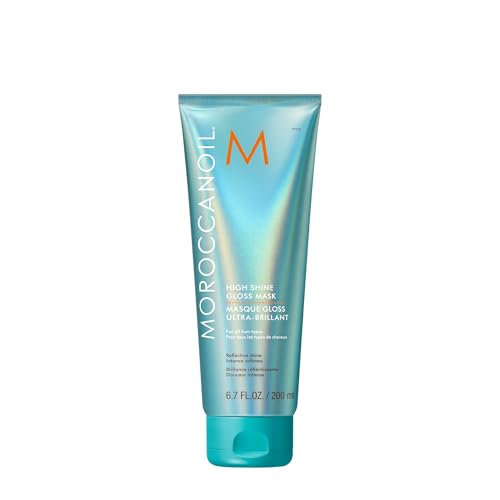
Moroccanoil
face mask · 200 ml · 49 ingredients