
Medik8
r-Retinoate Day & Night Cream
retinol serum · 50 ml · 29 ingredients
- Fragrance-free
- No essential oils
- With hyaluronic acid
- With glycerin
- With retinoids
Full ingredient lists, decoded. Free-from facts on every product.
Ingredient dictionary
A plant starch that has been chemically modified to thicken formulas and keep them stable. It is used mainly to build a smooth, creamy texture. It is on the label of 10 products in our library. Checked against our library November 6, 2026.
Distarch Phosphate is made from starch taken from plants such as corn, tapioca or potato. The starch is treated with phosphate salts, which link the starch molecules together and add small phosphate groups along them. This process, often called cross-linking, helps the starch hold up better to heat, acid and the stress of mixing and pumping.
Formulators use it because it thickens water-based parts of a product and gives a smooth, soft body. That body helps a cream or lotion stay even and resist separating. It leaves a silky, slightly dry-feeling finish rather than an oily one, which is why it often appears in sunscreens that need to spread evenly and feel light.
Good for
Suits anyone who likes a light, smooth moisturizer or sunscreen feel.
Distarch phosphate is widely used in cosmetics and is generally well tolerated. It is a starch-based ingredient, so it is not known to irritate most skin. As with any product, a patch test is a sensible step if your skin is very sensitive.
It is not generally considered a pore-clogging ingredient. Starches are usually seen as light, water-based thickeners, and this one is common in lightweight moisturizers and sunscreens. How skin responds varies from person to person, so watching how your own skin reacts is always worthwhile.
Medik8
retinol serum · 50 ml · 29 ingredients

Nivea Men
moisturizer · 75 ml · 22 ingredients

Olay
moisturizer · 50 ml · 37 ingredients

Eucerin
sunscreen · 50 ml · 33 ingredients
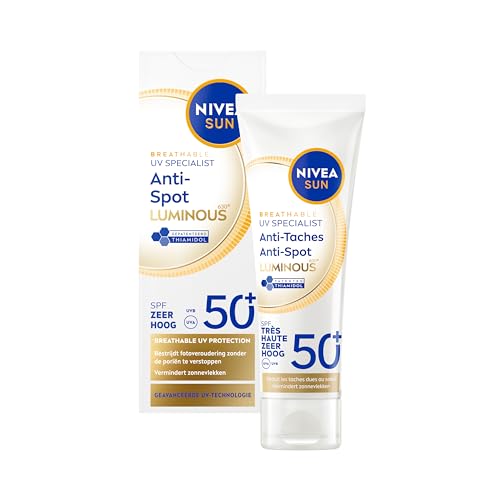
Nivea Sun
sunscreen · 40 ml · 36 ingredients

Nivea
serum · 30 ml · 26 ingredients

Balea
sunscreen · 50 ml · 37 ingredients

Nivea Sun
sunscreen · 50 ml · 38 ingredients