
La Roche-Posay
Toleriane Purifying Foaming Gel
cleanser · 12 g · 24 ingredients
- Fragrance-free
- No essential oils
- With ceramides
- With niacinamide
- With glycerin
Full ingredient lists, decoded. Free-from facts on every product.
Ingredient dictionary
A mild, coconut-derived surfactant that cleans and foams. It works as a gentle helper alongside stronger cleansers. It is on the label of 47 products in our library. Checked against our library November 6, 2026.
The catch: none for most people; check the full product list if your skin reacts easily.
Coco-Betaine is made from fatty chains taken from coconut oil, joined to a betaine-type group. Its structure carries both a positive and a negative electrical charge, a feature chemists call zwitterionic. That balance keeps it mild and lets it work well alongside stronger cleansing ingredients.
Formulators use it to build a creamy foam and to soften harsher surfactants, such as sulfates. It shows up often in body washes, cleansers and shampoos. In lotions and hair masks, it adds slip, or easy glide, and a smooth, soft feel, so the product feels smoother to use.
Good for
Suits anyone who wants a gentler wash, especially on dry or easily irritated skin and in shampoos meant to feel soft.
Be careful if
Nothing in particular for most skin types.
No. Coco-Betaine is not a sulfate. Sulfates such as sodium lauryl sulfate are a different class of cleansing agent. Coco-Betaine is often used in sulfate-free products because it cleans gently and helps foam without a harsh feel.
No, they are close relatives but different molecules. Both are coconut-based mild foaming agents. Cocamidopropyl Betaine has an extra chemical link in its structure, so it is a separate ingredient with its own label name and profile.
La Roche-Posay
cleanser · 12 g · 24 ingredients

Anua
cleanser · 150 ml · 30 ingredients

CeraVe
body wash · 236 ml · 33 ingredients

Clinique
cleanser · 200 ml · 22 ingredients

Dermalogica
cleanser · 50 ml · 21 ingredients
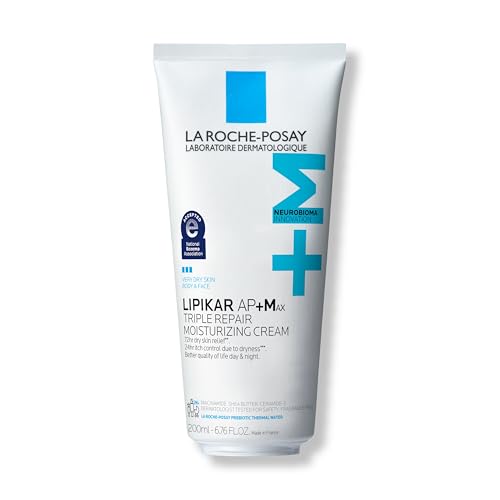
La Roche-Posay Lipikar
moisturizer · 200 ml · 20 ingredients

La Roche-Posay Lipikar
body wash · 400 ml · 20 ingredients

La Roche-Posay Lipikar
body wash · 200 ml · 20 ingredients