Hidradenitis Suppurativa (HS): What It Is & Why It's Misdiagnosed
The short answer
Hidradenitis suppurativa is a chronic inflammatory skin condition causing painful nodules, abscesses.
What Is Hidradenitis Suppurativa?
Hidradenitis suppurativa (HS) — also known as acne inversa or Verneuil disease — is a chronic, recurrent, inflammatory disorder of the hair follicle. It produces painful deep-seated nodules, abscesses, and draining sinus tracts (tunnels under the skin) predominantly in areas where skin rubs together: the armpits, groin, inner thighs, buttocks, and inframammary folds beneath the breasts.
HS is not a simple infection, not a consequence of poor hygiene, and not contagious. It is an inflammatory disease driven by a malfunctioning immune response that begins with follicular occlusion and escalates into a destructive cycle of rupture, abscess formation, and scarring. It is chronic — most patients experience flares throughout their lives — and without appropriate treatment, progressive. Early diagnosis and staged intervention substantially improve long-term outcomes.
How Common Is HS?
Reported prevalence varies widely from 0.1% to 4% of the general population, depending on study methodology and country; the true figure is almost certainly higher because of the well-documented underdiagnosis problem. The condition is three times more common in women than men, peaks in onset between ages 18 and 29, and rarely presents before puberty or after age 55 — hormonal influence is strongly implicated. African Americans are diagnosed at over 2.5 times the rate of non-Hispanic white patients in the United States, and research confirms they experience greater disease severity and more limited access to specialist care.
Why HS Is So Often Misdiagnosed
The average time from symptom onset to correct diagnosis of HS is 7–10 years. Some patients wait over 20 years. This is one of the longest diagnostic delays of any common dermatological condition, and it has real consequences: delayed diagnosis is independently associated with more severe disease, a greater burden of comorbidities, and reduced access to targeted therapies.
What HS Gets Mistaken For
| Mistaken diagnosis | Why it happens |
|---|---|
| Boils / furuncles | Deep, painful nodules in flexural areas look identical on first inspection |
| Folliculitis | Recurrent inflammatory lesions in hair-bearing skin |
| Infected sebaceous cysts | Fluctuant swellings with drainage |
| Pilonidal cysts | Lesions in the perianal / buttock region |
| Crohn's disease | Perianal HS with draining sinuses can closely mimic perianal Crohn's fistulas |
| Sexually transmitted infections | Groin lesions sometimes trigger STI workup first |
Barriers That Drive Delay
Research identifies three dominant barriers: patient embarrassment (lesions occur in intimate body areas, discouraging early disclosure), provider knowledge gaps (a significant proportion of general practitioners do not recognize HS or consider dermatology referral), and structural access barriers (limited dermatology availability, lack of insurance coverage, and racial disparities in specialist access).
The Pathophysiology: What Actually Goes Wrong
The initiating event is follicular occlusion — a keratinous plug blocks the hair follicle opening. The sealed follicle fills with keratin, sebum, and bacteria, eventually rupturing into the surrounding dermis. This releases a cascade of pro-inflammatory signals. In HS, the immune response is dysregulated: inflammatory cytokines — particularly TNF-α, IL-1β, IL-17A, and IL-17F — are markedly elevated, driving neutrophil recruitment, abscess formation, and ultimately fibrosis and sinus tract development.
Importantly, HS is not primarily a bacterial infection. While bacteria colonize the lesions, cultures typically show polymicrobial flora (Staphylococcus aureus, anaerobes, Gram-negatives) rather than a single pathogen, and lesions do not respond reliably to antibiotics the way classic bacterial abscesses do. The immune dysregulation, not the bacteria, sustains the condition.
Genetic susceptibility plays a clear role: roughly one-third of patients report an affected first-degree relative. Variants in the gamma-secretase gene complex (NCSTN, PSENEN, PSEN1) have been identified in familial cases, as these genes regulate follicular differentiation.
Who Is at Risk? Key Risk Factors
Beyond sex (female predominance) and puberty-linked onset, the evidence-supported risk factors are:
- Obesity and high BMI: Mechanical friction between skin folds, metabolic effects on inflammation, and altered sex hormone metabolism all contribute. Weight loss is one of the few modifiable factors that durably reduces flare frequency.
- Cigarette smoking: The most consistently identified environmental trigger. Nicotine impairs neutrophil function and alters follicular differentiation. Quitting smoking reduces flares and occasionally induces remission.
- Family history: A 30–40% positive family history in most series.
- Mechanical friction: Tight clothing, synthetic fabrics, and shaving in affected areas aggravate follicular occlusion and surface trauma.
- Hormonal factors: HS onset and flares track with hormonal shifts — puberty, menstrual cycle, pregnancy, and menopause — and the disease rarely persists after menopause, supporting androgenic influence.
- Inflammatory bowel disease: HS and Crohn's disease share immune pathways; their co-occurrence is significantly above background rates.
Hurley Staging: Matching Severity to Treatment
The Hurley staging system is the most widely used clinical severity classification and the framework clinicians use to select treatments.
| Hurley Stage | Description | Typical Presentation |
|---|---|---|
| Stage I | Abscess formation without sinus tracts or scarring | Single or multiple isolated abscesses; no tunneling; lesions may appear to resolve between episodes |
| Stage II | Recurrent abscesses with one or more sinus tracts; scarring is present | Repeated lesions in the same area; palpable cord-like tunnel between nodules; permanent scarring beginning |
| Stage III | Diffuse or near-diffuse involvement; multiple interconnected sinus tracts and extensive scarring | Virtually all affected areas involved; confluent inflammatory plaques; contracture scarring; significant functional and mobility impairment |
For quantitative monitoring, clinicians increasingly use the IHS4 (International Hidradenitis Suppurativa Severity Score) or the HiSCR (Hidradenitis Suppurativa Clinical Response) endpoint used in clinical trials. HiSCR50 — a ≥50% reduction in total abscess and nodule count — is the primary endpoint for biologic approval studies.
How HS Is Diagnosed
HS is a clinical diagnosis — no blood test, culture, or biopsy result confirms it. The modified Dessau criteria require all three of the following:
- Typical lesions: inflammatory nodules, abscesses, draining sinus tracts, or scarring
- Typical intertriginous distribution: axillae, groin, perianal, perineal, buttocks, or inframammary skin
- Chronicity and recurrence: at least two episodes within the preceding six months
A biopsy is sometimes taken to exclude malignancy — squamous cell carcinoma can very rarely arise in long-standing HS lesions — but biopsy is not required for the diagnosis. Microbiology cultures are of limited diagnostic value; a negative culture helps exclude primary bacterial abscess but does not diagnose HS.
What to Tell Your Doctor
If you present to a primary care clinician and suspect HS, describe:
- The specific locations (axillae, groin, buttocks, under breasts)
- The recurrent nature — lesions coming back in the same spots
- The course of individual lesions: deep, painful nodules lasting days to weeks, often draining
- Any family history of similar lesions
- The chronicity: symptoms predating this visit by months or years
This framing dramatically improves the odds of an HS diagnosis being considered and appropriate dermatology referral made.
Treatments: A Stage-Guided Approach
Management of HS is always multimodal — combining lifestyle, topical, systemic, and, where necessary, surgical interventions. No single treatment resolves HS; combinations are the standard.
Lifestyle Modifications (All Stages)
- Quit smoking: The most consistently effective lifestyle intervention. Some patients with mild disease see sustained remission after quitting alone.
- Lose weight if BMI is elevated: Reduces mechanical friction and pro-inflammatory adipokines. Even moderate weight loss (5–10% body weight) can reduce flare frequency.
- Wear loose-fitting, breathable fabrics: Reduce follicular trauma from friction.
- Avoid shaving in affected areas: 75% of patients in research report shaving worsens their HS. See the separate skincare guide for detailed product guidance.
- Manage heat and sweating: Excess sweating promotes maceration and follicular occlusion; light activity during cooler hours and cooling environments help.
Topical and Procedural Treatments (Stage I – Mild)
Topical clindamycin 1% is the most-studied topical antibiotic for HS. It reduces superficial pustule counts and has some anti-inflammatory effect, though it does not reliably suppress deep nodule formation. Resistance emergence with prolonged use is a concern.
Resorcinol 15% cream is a keratolytic agent that opens blocked follicles and reduces inflammatory lesion size. In a controlled study it reduced both pain and abscess duration. It can cause irritant dermatitis on sensitive skin.
Antiseptic washes — including chlorhexidine 4%, benzoyl peroxide wash, and zinc pyrithione — are supported by expert consensus for reducing surface bacterial burden and are routinely recommended as part of the daily skincare protocol.
Intralesional triamcinolone (10 mg/mL) injected directly into an acute, inflamed nodule reduces pain, erythema, and swelling within days and is widely used in dermatology offices for acute painful lesions. It does not prevent recurrence.
Incision and drainage (I&D): Provides short-term relief for fluctuant abscesses but has very high recurrence rates (close to 100%) and is not considered a definitive treatment. It is appropriate as emergency pain relief only.
Systemic Antibiotics (Stage I–II)
Tetracyclines (doxycycline, minocycline) are first-line oral therapy for mild-to-moderate HS. They have anti-inflammatory, not just antibacterial, properties. A standard course is 12 weeks, though some patients need longer courses.
Clindamycin + rifampicin combination is the most studied oral antibiotic regimen for HS, with published response rates of 71–93% across studies. Typically given as clindamycin 300 mg twice daily + rifampicin 300 mg twice daily for 10–12 weeks. Rifampicin significantly reduces clindamycin resistance emergence and may directly suppress the HS immune pathway. Liver function monitoring is advisable.
Hormonal Therapies (Typically for Women)
The hormonal dimension of HS justifies anti-androgen therapies in appropriate female patients:
- Spironolactone (50–200 mg/day): Published case series show improvement rates of up to 85%, with 55% achieving complete remission in one study. An accessible first-line option for women with hormonally-patterned HS.
- Combined oral contraceptives (containing estrogen): Three FDA-approved formulations for acne have been used empirically for HS; they lower free androgen levels and reduce sebum-driven follicular occlusion.
- Metformin: Benefits patients with concurrent metabolic syndrome; also has direct anti-inflammatory effects via the AMPK pathway.
- Finasteride and cyproterone acetate: Used in specific patient populations; require specialist guidance.
Biologic Therapies (Moderate-to-Severe, or Stage II–III Failing Antibiotics)
Biologics are the most significant therapeutic advance in HS in recent years. Three agents are currently FDA-approved:
Adalimumab (Humira and biosimilars) — TNF-α inhibitor; the first biologic approved for HS (2015). Dosing: 160 mg week 0, 80 mg week 2, then 40 mg weekly. Phase III trials showed HiSCR50 response rates of 42–59% vs. 26–28% placebo. Approximately half of week-12 responders lose response by week 36, a recognized limitation.
Secukinumab (Cosentyx) — IL-17A inhibitor; FDA-approved October 2023. Acts on a different inflammatory axis than adalimumab, providing a mechanistically distinct second-line or alternative option. Clinical trials demonstrated significant reductions in nodule and abscess counts vs. placebo.
Bimekizumab (Bimzelx) — dual IL-17A and IL-17F inhibitor; FDA-approved 2024. The BE HEARD I and II Phase III trials showed HiSCR50 responses of 48–54% at 16 weeks vs. 29–32% placebo, with HiSCR75 responses also met with biweekly dosing. Benefits sustained through 48 weeks. Common adverse effects include oral candidiasis (7–13%), which reflects IL-17 inhibition of mucosal immunity. Dosing: 640 mg loading dose, then 320 mg every 2–4 weeks subcutaneously.
Other biologics used off-label include infliximab (IV), ustekinumab (IL-12/23 inhibitor), and anakinra (IL-1 inhibitor), each with Level II evidence supporting conditional recommendation in North American guidelines.
Surgical Treatments (Stage II–III)
Surgery is not a last resort but an appropriate, often necessary, component of HS management — particularly for established sinus tracts, which no medication eliminates once formed.
- Deroofing: The roof of sinus tracts is removed, exposing the tunnel base. High success rates for individually deroofed lesions with low recurrence compared to I&D.
- Wide local excision: Removal of all affected tissue to clear margins in a defined anatomical area. The most definitive approach for Stage III disease; requires reconstructive planning.
- Radical excisional surgery with flap or graft reconstruction: For diffuse Stage III disease involving large areas of an axilla, groin, or perineum.
- Laser therapies: Nd:YAG and CO₂ lasers have demonstrated benefit as adjuncts; they reduce follicular density and may reduce sinus tract formation.
Comorbidities: The Whole-Person Picture
HS is a systemic inflammatory disease, not just a skin condition. Clinicians should screen for and manage:
| Comorbidity | Association Strength |
|---|---|
| Metabolic syndrome | Strong; shared inflammatory pathways and obesity risk factor |
| Type 2 diabetes | Well-established; direct inflammatory contribution |
| Cardiovascular disease | Increased risk independent of traditional risk factors |
| Inflammatory bowel disease (Crohn's) | Significant co-occurrence; shared IL-17/TNF-α pathways |
| Polycystic ovarian syndrome (PCOS) | Common in female HS patients; shared androgen excess |
| Depression and anxiety | Among the highest in any dermatological condition |
| Spondyloarthropathy | Arthritic complications in a subset |
| Squamous cell carcinoma | Rare but documented in long-standing perianal disease |
The psychological burden of HS is severe and frequently underaddressed. Chronic pain, drainage, odor, and the intimate body location of lesions contribute to profound social withdrawal, sexual dysfunction, employment difficulties, and — in significant proportions — suicidal ideation. Active mental health screening and referral is a core component of comprehensive HS care.
When to See a Dermatologist
See a dermatologist — not just a primary care provider — if you have:
- Recurrent painful nodules, abscesses, or boils in skin folds that return to the same locations
- Any lesion in the armpit, groin, buttock, or breast fold that lasts more than 2 weeks or keeps recurring
- Lesions that connect or tunnel under the skin
- Significant scarring at sites of previous nodules
- Symptoms consistent with HS that have been labeled "boils," "infected cysts," or "folliculitis" repeatedly without lasting resolution
Do not wait. The consequences of delayed diagnosis — progressive sinus tract formation, contracture scarring, and failed response to later biologics — make early specialist engagement the single most important step a person with suspected HS can take.
Products that fit: sensitive skin
Picked by code from each product's full ingredient list.

Anua
3 Ceramide Panthenol Moisture Barrier Cream
moisturizer · 100 ml · 63 ingredients
- Fragrance-free
- No essential oils
- No drying alcohol
- No MI/MCI
- No menthol, camphor and witch hazel

Naturium
Marshmallow Root Barrier Balm
moisturizer · 50 g · 58 ingredients
- Fragrance-free
- No essential oils
- No drying alcohol
- No MI/MCI
- No menthol, camphor and witch hazel
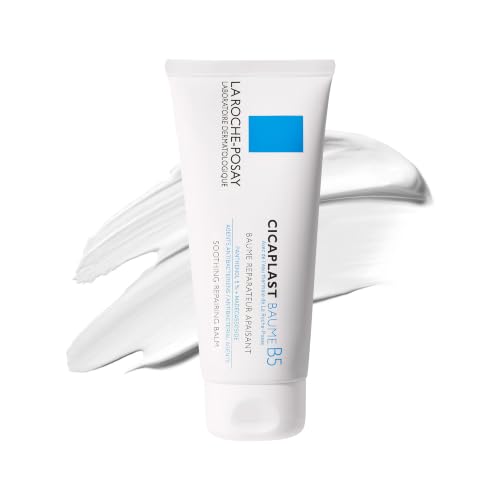
La Roche-Posay
Cicaplast Baume B5 Soothing Repair
moisturizer · 100 ml · 33 ingredients
- Fragrance-free
- No essential oils
- No drying alcohol
- No MI/MCI
- No menthol, camphor and witch hazel

Beauty of Joseon
Red Bean Water Gel
moisturizer · 99.9 ml · 58 ingredients
- Fragrance-free
- No essential oils
- No drying alcohol
- No MI/MCI
- No menthol, camphor and witch hazel
When to see a professional
See a dermatologist — not just a general practitioner — if you have recurrent painful nodules, abscesses, or boils in skin folds (armpits, groin, buttocks, under breasts) that return to the same locations, last longer than two weeks, drain, connect under the skin, or have left permanent scarring. Do not accept a repeated diagnosis of 'boils' or 'folliculitis' without a dermatology review if lesions keep returning. The consequences of delayed HS diagnosis — progressive sinus tract formation, contracture scarring, and reduced biologic response — make early specialist consultation the most important single step. Seek urgent care if you develop fever, rapidly spreading redness, or signs of systemic infection alongside skin lesions.
Frequently asked questions
What does the latest evidence say about treating HS in 2026?
The treatment landscape has expanded significantly. Since 2023–2024, three biologics are now FDA-approved for moderate-to-severe HS: adalimumab (anti-TNF-α, first approved 2015), secukinumab (anti-IL-17A, approved October 2023), and bimekizumab (dual anti-IL-17A/F, approved 2024). The BE HEARD Phase III trials for bimekizumab showed HiSCR50 responses of 48–54% at 16 weeks. Current North American clinical management guidelines (published 2022, updated for special populations 2024) recommend a staged, multimodal approach: lifestyle modification at all stages, topical clindamycin and antiseptic washes for mild disease, systemic antibiotics (tetracyclines or clindamycin/rifampicin) for moderate disease, and biologics with surgical intervention for moderate-to-severe or treatment-refractory disease. Surgery remains essential for established sinus tracts, which biologics cannot eliminate once formed.
Why does it take so long to get an HS diagnosis?
The average diagnostic delay is 7–10 years, driven by three main factors: patient embarrassment (lesions occur in intimate areas, delaying disclosure), provider knowledge gaps (HS is not always recognized in primary care — a substantial proportion of general practitioners do not consider dermatology referral), and structural barriers (limited dermatology access, insurance coverage issues, and racial disparities that leave minority patients waiting longer and experiencing worse disease). HS is frequently misdiagnosed as recurrent boils, folliculitis, infected sebaceous cysts, or — when perianal — Crohn's disease fistulas. Research shows that delayed diagnosis is independently associated with more severe disease progression and reduced access to targeted therapy.
Is HS caused by poor hygiene?
No — this is the most damaging myth about HS and one that causes real harm by generating shame and delaying care. HS originates inside the hair follicle, begins with a keratinous plug (not surface bacteria), and is driven by immune dysregulation involving TNF-α, IL-17, and other cytokines. Surface cleanliness has no bearing on the underlying inflammatory mechanism. The disease is not contagious. Excessive scrubbing or harsh cleansing actually worsens HS by increasing follicular trauma and surface inflammation. The clinically correct guidance is gentle antiseptic washing, not aggressive scrubbing.
Can HS go away on its own?
Spontaneous remission is possible, particularly after menopause in women (when androgen levels fall) or following smoking cessation in patients whose disease is strongly smoking-linked. However, HS is a chronic relapsing condition: the majority of patients will experience recurrent flares throughout their lives without treatment. More importantly, any sinus tracts that form will not resolve without surgical intervention — scarring is permanent. Waiting for spontaneous remission in moderate-to-severe disease substantially increases the risk of irreversible structural damage. Early treatment is the evidence-based approach.
Is HS the same as acne?
No — despite sharing the follicular origin and sometimes being called 'acne inversa,' HS is a fundamentally different condition from acne vulgaris. Common acne (acne vulgaris) involves the pilosebaceous unit in sebaceous-gland-rich areas (face, chest, back) and is primarily driven by Cutibacterium acnes bacteria and sebum overproduction. HS involves hair follicles in intertriginous skin folds (armpits, groin, buttocks), is primarily driven by innate immune dysregulation and cytokine cascades, does not respond predictably to acne treatments, and causes sinus tracts and irreversible scarring that acne does not. The treatments are different, the severity is typically greater, and the comorbidity burden is substantially heavier.
Does diet affect HS?
The evidence is limited but suggestive for some patients. Observational research and small studies indicate that high-glycemic-load diets (refined carbohydrates, sugary foods) and dairy consumption — both of which raise insulin and IGF-1 levels — may worsen HS flares in susceptible individuals, by mechanisms that overlap with those implicated in acne. Some patients report significant improvement on a low-glycemic or dairy-free diet. These changes are safe, low-risk adjuncts worth trialing, but dietary modification alone is not a substitute for evidence-based medical treatment of moderate or severe disease, and the evidence base is nowhere near strong enough to make specific dietary mandates in clinical guidelines.
Health information, not medical advice.
Beauty Comparison is an independent editorial publication. This page is researched and sourced to the authorities listed below, but it is general information — not a diagnosis or a substitute for personalised advice from a qualified doctor, dermatologist or pharmacist. If your symptoms are severe, spreading, painful, or not improving, see a healthcare professional.Sources
- 01Hidradenitis Suppurativa — StatPearls — NCBI Bookshelf / StatPearls Publishing. Definition, pathophysiology (follicular occlusion, cytokine cascade), Hurley staging, epidemiology (prevalence 0.1–4%, 3:1 female predominance, peak ages 21–29), clinical features, comorbidities, treatment options including biologics and surgical approaches, average 7-year diagnostic delay.
- 02Hidradenitis Suppurativa: Diagnosis and Treatment — American Academy of Dermatology (aad.org). AAD treatment recommendations including topical clindamycin, resorcinol, oral antibiotics, hormonal therapy, FDA-approved biologics (adalimumab, bimekizumab, secukinumab), surgical drainage, and laser hair removal for HS management.
- 03Hidradenitis Suppurativa: Self-Care — American Academy of Dermatology (aad.org). AAD self-care recommendations: antiseptic washes (benzoyl peroxide, zinc pyrithione), avoiding scrubbing, loose clothing, smoking cessation, weight loss for reducing flares, and warm compress use.
- 04Hidradenitis Suppurativa — DermNet NZ — DermNet NZ. Definition as chronic inflammatory disorder of apocrine gland-bearing skin; modified Dessau diagnostic criteria (typical lesions + typical intertriginous location + chronicity ≥2 episodes in 6 months); Hurley staging I–III; comorbidities including IBD, metabolic syndrome, cardiovascular disease, depression, spondyloarthropathy; management overview.
- 05North American Clinical Management Guidelines for Hidradenitis Suppurativa: Part II — Topical, Intralesional, and Systemic Medical Management — PubMed Central / Journal of the American Academy of Dermatology. Evidence-graded recommendations: tetracyclines first-line for mild-moderate HS; clindamycin + rifampicin combination 71–93% response rate; adalimumab Grade A biologic recommendation (HiSCR 42–59% vs placebo 26–28%); spironolactone 85% improvement rate; Hurley-stage-based treatment algorithm.
- 06Decades Delayed in Diagnosis: Hidradenitis Suppurativa and a Review of Barriers to Care — PubMed Central / NIH. Average diagnostic delay 4–10 years; barriers including patient embarrassment, provider knowledge gaps, and structural access issues; one-third of GPs not recognizing HS or considering dermatology referral; African Americans experience 2.5× higher incidence and worse disease severity.
- 07Equity and Outcome Events in Hidradenitis Suppurativa: Exploring Effect Modifiers Associated with Diagnostic Delay in the Real World — PubMed Central / NIH. Study of 1,787 HS patients: mean time to diagnosis 38.4 months; delayed diagnosis associated with more severe disease, greater comorbidity burden, and worsened psychological outcomes; non-White ethnicity and smoking associated with longer delay; higher BMI and multiple co-managed conditions delay post-consultation diagnosis.
- 08Bimekizumab for the Treatment of Hidradenitis Suppurativa — PubMed Central / NIH, 2024-05-01. Bimekizumab mechanism (dual IL-17A/F inhibitor); BE HEARD I & II Phase III trial results (HiSCR50 48–54% vs 29–32% placebo at 16 weeks); HiSCR75 met with biweekly dosing; dosing 640 mg loading then 320 mg every 2–4 weeks; common adverse effect oral candidiasis 7–13%.