Dermaroller: At-Home Microneedling, Worth It vs. Hype
The short answer
At-home dermarollers (0.25–0.5 mm) improve product absorption and skin texture but cannot replicate professional microneedling's.
What Is a Dermaroller?
A dermaroller is a handheld device consisting of a handle and a rolling cylinder embedded with rows of fine needles — typically 192 needles arranged in 8 rows, available in lengths from 0.1 mm to 3 mm depending on the intended use. When rolled across skin, each pass creates a pattern of micro-punctures — up to approximately 250 channels per square centimeter with 15 passes.
The device is the original microneedling tool. It predates automated dermapens and radiofrequency microneedling, and the majority of early clinical research on microneedling (percutaneous collagen induction therapy) was conducted using roller devices. The clinical evidence is real. The question for consumers is which portion of that evidence applies to the at-home devices sold online, and which requires a professional treatment setting.
Two Very Different Worlds: At-Home vs. Clinical
The needle length is the defining variable. It determines how deep the device reaches, and therefore what mechanism it can activate.
At-Home Dermarollers (0.1–0.5 mm)
- 0.1–0.25 mm: Penetrate the outer stratum corneum only. Function: dramatically enhance transdermal absorption of applied serums and actives. Clinical studies document a 100,000-fold increase in the flux of certain drugs through dermaroller-pre-treated skin compared to passive application.
- 0.5 mm: Penetrate through the stratum corneum and into the viable epidermis. Function: mild surface stimulation plus enhanced product delivery. Some fibroblast activation at the epidermal-dermal junction may occur, but deep collagen induction does not.
- Pain: Essentially none at 0.25 mm; mild sensation at 0.5 mm. No anesthesia required.
- Bleeding: Should not occur at these depths. If it does, the device is too aggressive or skin is too sensitive.
Professional Clinical Devices (0.5–3 mm)
- 1.0–1.5 mm: Reach the upper dermis. Trigger wound-healing cascade, growth factor release, and organized collagen and elastin synthesis. Suitable for skin rejuvenation, mild scars, and drug delivery to the dermis (e.g., minoxidil for alopecia).
- 1.5–2.5 mm: Reach the mid-dermis. Histological studies at this depth confirm statistically significant increases in collagen types I, III, and VII, with up to 400% increase in collagen and elastin deposition at 6 months after 4 monthly sessions.
- Pain: Moderate (average 5.4/10); requires topical anesthesia (lidocaine 4–5%) applied 30–60 minutes before.
- Bleeding: Expected and normal as a sign of dermal penetration.
The Real Evidence: What Dermarollers Do (and Don't) Achieve at Home
What at-home dermarollers genuinely do:
1. Enhance product absorption This is real, well-documented, and the primary at-home benefit. Cosmetic actives — vitamin C serums, hyaluronic acid, minoxidil, niacinamide — penetrate more effectively through dermaroller-conditioned skin. One study documented a greater-than-twofold improvement in penetration of liposomal formulations. The benefit is immediate and applies for several hours post-treatment while microchannels remain open.
2. Mild surface-level texture improvement At 0.5 mm, some degree of epidermal-dermal junction stimulation occurs, triggering mild fibroblast activity. Over months of consistent use, some users see improved skin texture, subtle reduction in fine lines at the surface, and a smoother complexion. These effects are real but modest compared to professional treatment.
3. Minoxidil delivery for hair loss This application has the strongest at-home evidence. Microneedling combined with minoxidil significantly outperforms minoxidil alone for androgenetic alopecia, as confirmed by a 2024 meta-analysis of randomized controlled trials. While professional depth achieves more, even at-home roller depths can enhance minoxidil delivery to follicles below the epidermis — making this the single most clinically supported at-home use case for dermarollers.
What at-home dermarollers genuinely do NOT do:
1. Deep collagen induction for scar remodeling The collagen induction that produces 51–70% improvement in atrophic acne scars and up to 400% histological collagen increase requires 1.5–2 mm depth. A 0.25 mm roller cannot achieve this. Claims that at-home dermarollers will significantly reduce rolling or boxcar acne scars are not supported by the clinical evidence base.
2. Hair regrowth equivalent to clinical microneedling + minoxidil At-home depth delivers enhanced drug delivery, but the combination of clinical-depth dermal stimulation plus minoxidil in the clinical trials cited produced effects far exceeding what home devices can provide.
3. Wrinkle reversal Surface stimulation at 0.25–0.5 mm does not produce the deep dermal collagen architecture changes that reduce established wrinkles. It improves fine surface lines and skin quality over time, but not established wrinkles.
Choosing the Right Needle Length at Home
| Length | Depth Reached | Primary Use | Appropriate At Home? |
|---|---|---|---|
| 0.1–0.25 mm | Outer stratum corneum | Serum/active absorption | ✓ Yes — safest choice |
| 0.5 mm | Outer epidermis | Mild stimulation + absorption | ✓ Yes — for experienced users |
| 1.0 mm | Papillary dermis | Collagen induction begins | ⚠ Borderline — requires care |
| 1.5 mm | Mid-dermis | Clinical collagen induction | ✗ Professional setting only |
| 2.0–3.0 mm | Deep dermis | Scar remodeling, deep rejuvenation | ✗ Professional/clinical only |
The safest starting point is 0.25 mm. If your primary goal is to enhance the absorption of your skincare actives — vitamin C, retinol, hyaluronic acid — 0.25 mm achieves this. Moving to 0.5 mm provides modestly more stimulation for surface texture but requires more careful aftercare.
Do not purchase or use 1.0 mm or larger dermarollers at home without having discussed this with a dermatologist. The risk of infection, post-inflammatory hyperpigmentation, and unwanted scarring increases significantly above 0.5 mm outside a clinical environment.
How to Use a Dermaroller Safely
Step 1: Cleanse
Start with clean, dry skin. Use a gentle, low-pH cleanser. No acids, retinoids, or actives immediately before rolling.
Step 2: Disinfect the Roller
Submerge the roller head in 70% isopropyl alcohol for 10–15 minutes before each use. Allow to air-dry completely. Important: alcohol disinfection reduces bacterial contamination but does not sterilize; it does not reliably inactivate all viruses. Ideally, use a new roller head every 4–6 uses (most heads are inexpensive replacements). Never share a dermaroller.
Step 3: Roll
Divide the face into sections. Roll in one direction 4–6 times, lift, reposition, roll again. Alternate directions (vertical, horizontal, diagonal at 45°) across each section. Do not apply excessive pressure — the needles do the work. Avoid the eye area, active lesions, and broken skin.
Step 4: Apply Your Active
Within 5–10 minutes of rolling, apply your chosen serum. Vitamin C (10–20%), hyaluronic acid, or minoxidil (for scalp) are well-suited to post-rolling application. Avoid actives with a strong acid profile (AHAs at high concentration, low-pH vitamin C) at 0.5 mm — the enhanced penetration via open channels can cause irritation not seen with passive application.
Step 5: Moisturize and Protect
Apply a gentle, barrier-supporting moisturizer (ceramides, hyaluronic acid). In the morning after a night-before rolling session: SPF 50+ is mandatory. The microchannels, even at shallow depths, temporarily increase UV sensitivity.
Step 6: Clean and Store
Rinse the roller with clean water, re-disinfect in alcohol, allow to dry in a protective case. Replace the head regularly.
Frequency: How Often to Roll
| Needle Length | Frequency |
|---|---|
| 0.25 mm | Daily to every other day (if skin tolerates) |
| 0.5 mm | 2–3 times per week; allow 24–48 hours between sessions |
| 1.0 mm | Weekly maximum; requires proper recovery time |
Do not roll more frequently than recommended hoping for faster results — over-rolling prevents the wound-healing cycle from completing, disrupts the skin barrier, and increases PIH and infection risk.
Who Should Not Use a Dermaroller?
Do not use a dermaroller if you have:
- Active acne or inflamed skin in the treatment area. Rolling over active pustules or cysts ruptures them internally and spreads bacteria across the skin via the open microchannels, worsening breakouts and risking infection.
- Active cold sore (herpes simplex) or a history of frequent cold sores. Even at-home roller depths can reactivate dormant herpes simplex virus. Discuss prophylactic antiviral therapy with your doctor if you have a cold sore history and want to use a dermaroller.
- Open wounds, eczema flares, psoriasis flares, or rosacea in active flare.
- A personal history of keloid or hypertrophic scarring. Rolling creates controlled wounds; anyone with a history of abnormal wound healing faces risk of an unwanted scarring response.
- Coagulation disorders or anticoagulant medication.
- Pregnancy. Safety has not been established; avoid.
Common Mistakes
Using too long a needle. The most common mistake — and the one with the most potential for harm. Stick to 0.25 mm until you understand how your skin responds.
Not sterilizing between sessions. A moist, used roller head is a bacterial culture. The open microchannels created by rolling are a direct pathway for bacteria into the skin. This is the primary cause of microneedling-related infections, and the majority of documented infection cases involved home devices.
Rolling over active breakouts. Spreading bacteria is a real and documented risk.
Applying harsh actives immediately post-rolling. Low-pH acids (glycolic at high concentration, retinol) applied immediately after rolling at 0.5 mm can cause chemical burns or significant irritation due to dramatically enhanced penetration. Apply gentle, supportive ingredients immediately after; save acids and high-concentration retinol for a separate evening.
Expecting professional results from a home device. Managing expectations is part of using any tool correctly. At-home dermarollers are a legitimate and useful tool for product absorption, scalp minoxidil delivery, and gentle surface maintenance — not a substitute for clinical microneedling for scars or wrinkles.
When to Seek Professional Microneedling Instead
Choose professional microneedling when:
- Your goal is significant improvement in atrophic acne scars, deep wrinkles, or stretch marks
- You want histologically confirmed collagen remodeling at the dermal level
- You have alopecia requiring the full clinical-depth treatment protocol
- You have Fitzpatrick types IV–VI and want optimal safety with controlled clinical conditions
- Any at-home attempt produces persistent redness, new breakouts, or skin changes beyond 48 hours
See our complete guide on professional microneedling for clinical protocols, session numbers, and full evidence review.
Products that fit: sensitive skin
Picked by code from each product's full ingredient list.

Anua
3 Ceramide Panthenol Moisture Barrier Cream
moisturizer · 100 ml · 63 ingredients
- Fragrance-free
- No essential oils
- No drying alcohol
- No MI/MCI
- No menthol, camphor and witch hazel

Naturium
Marshmallow Root Barrier Balm
moisturizer · 50 g · 58 ingredients
- Fragrance-free
- No essential oils
- No drying alcohol
- No MI/MCI
- No menthol, camphor and witch hazel
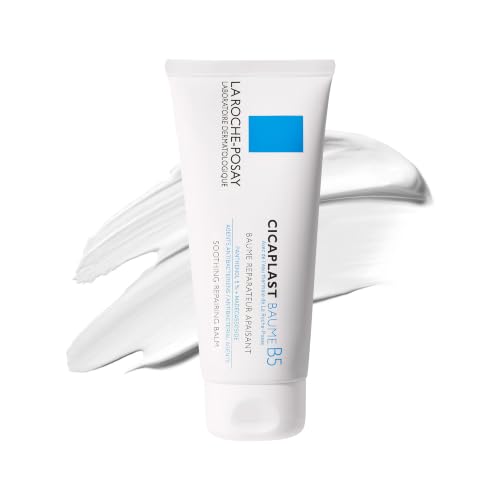
La Roche-Posay
Cicaplast Baume B5 Soothing Repair
moisturizer · 100 ml · 33 ingredients
- Fragrance-free
- No essential oils
- No drying alcohol
- No MI/MCI
- No menthol, camphor and witch hazel

Beauty of Joseon
Red Bean Water Gel
moisturizer · 99.9 ml · 58 ingredients
- Fragrance-free
- No essential oils
- No drying alcohol
- No MI/MCI
- No menthol, camphor and witch hazel
Frequently asked questions
Do at-home dermarollers actually work in 2026?
Yes — but within clearly defined limits. At-home dermarollers (0.25–0.5 mm) genuinely improve transdermal absorption of skincare actives (documented increases in penetration of serums and minoxidil) and provide mild surface-level texture refinement over time. For hair loss, combining at-home rolling with minoxidil has randomized trial support — a 2024 meta-analysis confirmed combination therapy significantly outperforms minoxidil alone. What they cannot do is replicate the 400% collagen increase and deep scar remodeling documented at professional 1.5 mm depths. Set expectations accordingly and they are a useful addition to a skincare routine.
How often should I use a 0.25 mm dermaroller?
A 0.25 mm dermaroller can be used daily to every other day by most users with tolerant skin, since the micro-penetration is superficial and recovery is near-immediate. If you are using it primarily to enhance serum absorption, rolling 3–4 nights per week is practical and sufficient. If your skin shows persistent redness beyond a few hours or increased sensitivity, reduce frequency. Always follow with a gentle moisturizer and SPF the following morning.
What should I apply to my face after dermarolling?
Apply hydrating, barrier-supportive ingredients immediately post-rolling: hyaluronic acid serum, ceramide-rich moisturizer, vitamin C serum (if tolerated), or minoxidil (on the scalp). Avoid applying high-concentration AHAs, low-pH vitamin C, or undiluted retinol immediately after rolling at 0.5 mm — enhanced penetration can cause unexpected irritation. Save active acids and retinol for a separate session or apply 30–60 minutes after rolling once the channels have begun to close.
How do I clean and sterilize a dermaroller?
Submerge the roller head in 70% isopropyl alcohol for 10–15 minutes before and after each use, then allow to air dry completely before using or storing. Note that alcohol is a disinfectant, not a sterilant — it reduces bacteria but does not inactivate all pathogens. The safest practice is to replace the roller head every 4–6 uses. Never share a dermaroller with anyone else.
Can I use a dermaroller on active acne?
No — this is a hard contraindication. Rolling over active acne pustules, cysts, or inflamed lesions ruptures them internally and carries bacteria through the open microchannels across the skin surface, worsening breakouts and risking secondary infection. Wait until the acne has fully resolved in an area before rolling. If you have widespread active acne, see a dermatologist before starting any microneedling — professional chemical peels with salicylic acid are a better treatment for active acne.
Will a dermaroller help with acne scars?
For significant atrophic (indented) acne scars — rolling, boxcar, icepick — professional microneedling at 1.5–2.0 mm is the appropriate treatment. At-home rollers at 0.25–0.5 mm cannot reach the depth needed to break fibrotic collagen bundles and induce the organized neocollagenesis that reduces scar depth. For mild surface texture irregularity (not true indented scars), consistent at-home rolling may provide some improvement over several months. Set realistic expectations: true scar correction requires professional treatment.
Health information, not medical advice.
Beauty Comparison is an independent editorial publication. This page is researched and sourced to the authorities listed below, but it is general information — not a diagnosis or a substitute for personalised advice from a qualified doctor, dermatologist or pharmacist. If your symptoms are severe, spreading, painful, or not improving, see a healthcare professional.Sources
- 01Derma Rollers in Therapy: The Transition from Cosmetics to Transdermal Drug Delivery — PubMed Central / PMC (NCBI), 2020-11-01. At-home dermarollers under 0.15 mm designed for self-administration without bleeding; dermarollers create microchannels increasing drug flux by 100,000× in some applications; study of 36 acne scar patients showed 50–70% improvement after five monthly professional sessions; needle length determines depth reached and mechanism activated.
- 02Microneedling: Advances and Widening Horizons — PubMed Central / PMC (NCBI), 2016-08-01. Up to 400% increase in collagen and elastin at 6 months after 4 monthly sessions at clinical depth; traditional roller creates ~250 channels/cm² with 15 passes; neocollagenesis at 500–600 µm depth with 1.5 mm needle; at-home range 0.13–0.2 mm for painless penetration enhancement only.
- 03Safety Profile for Microneedling: A Systematic Review — PubMed Central / PMC (NCBI), 2021-08-01. Home self-treatment devices account for documented infection cases; roller microneedling PIH in ~6.8% of cases; tram-track marking in ~10.5%; herpes reactivation is documented and prophylactic antivirals are recommended for patients with HSV history before any needling procedure.
- 04Efficacy and Safety of Combined Microneedling Therapy for Androgenic Alopecia: Systematic Review and Meta-Analysis — PubMed, 2024-01-01. Meta-analysis of RCTs confirms microneedling combined with minoxidil significantly outperforms minoxidil monotherapy for androgenetic alopecia — the strongest at-home use case for dermarollers is enhancing minoxidil delivery to follicles.
- 05Microneedling in Dermatology: A Comprehensive Review of Applications, Techniques, and Outcomes — PubMed Central / PMC (NCBI), 2024-10-01. Contraindications for any microneedling include active skin infections, bleeding disorders, keloid history, and pregnancy; active acne in the treatment area is a relative contraindication; at-home devices with shorter needles focus on surface stimulation and transdermal delivery, not deep collagen remodeling.