Dehydrated Skin vs. Dry Skin: How to Tell the Difference
The short answer
Dry skin is a permanent skin type lacking oil.
Why the Confusion Exists
"Dry skin" and "dehydrated skin" are used interchangeably in popular skincare content, but they describe different biological problems requiring different solutions. Getting the diagnosis right is the difference between choosing the wrong product category for months and actually fixing the problem in days.
The core distinction:
| Dry Skin | Dehydrated Skin | |
|---|---|---|
| Category | Skin type (permanent) | Skin condition (temporary) |
| What is lacking | Oil (lipids/sebum) | Water |
| Who can have it | Those with genetically low sebum | Anyone — including oily skin |
| Key symptom | Rough, flaky, scaly texture | Fine surface lines, dullness, tightness |
| Fixes with | Emollients + occlusives + humectants | Humectants + barrier support |
| Response time | Weeks to months | Days to 2 weeks |
What Is Dry Skin?
Dry skin — medically termed xerosis — is a skin type defined by the sebaceous glands producing insufficient sebum. Sebum is a complex lipid mixture (triglycerides, fatty acids, squalene, wax esters, cholesterol) that coats the skin surface and is the primary source of the lipids in the stratum corneum's intercellular matrix.
Without adequate surface lipids, the skin cannot effectively slow transepidermal water loss (TEWL) — the passive evaporation of water through the epidermis. The result is a chronic cycle:
- Low sebum → depleted intercellular lipids → increased TEWL
- Increased TEWL → low stratum corneum water content → rough, flaking texture
- Rough texture + compromised barrier → itch → scratch → further barrier damage
Dry skin is typically lifelong — worse in winter and with age (sebum production falls sharply after the 40s), better in warm, humid environments, but never resolved entirely because the underlying sebum production is the limiting factor.
Characteristic features of dry skin:
- Rough, scaly, or flaky texture that is persistent
- Visible flaking or peeling, especially around the nose, cheeks, and forehead
- Itching (pruritus), often worse in winter
- No visible pores (without sebum, pores are not dilated)
- Worsens with hot showers, harsh soaps, cold/dry weather
The Dry Skin Guide covers causes, symptoms, and treatment in depth.
What Is Dehydrated Skin?
Dehydrated skin is a condition of insufficient water content in the stratum corneum. It is not about sebum — it is about the water-holding capacity of the outermost skin layer.
The stratum corneum normally holds 10–30% water content; below this range, it loses flexibility, scatters light unevenly, and becomes sensitized to environmental stimuli. Dehydration at this level is surprisingly common and is caused by:
- Over-exfoliation or harsh cleansing — removing the lipid barrier (even temporarily) dramatically increases TEWL
- Environmental factors — low indoor humidity (forced-air heating), cold outdoor air, air conditioning
- Skincare product ingredients — high-alcohol toners, retinoids in early use, benzoyl peroxide
- Lifestyle — lack of sleep, excess caffeine and alcohol (both diuretics), smoking
- Sun exposure — UV damages the stratum corneum lipid matrix and increases TEWL
- Illness, fever, or diarrhea — increased systemic fluid loss can temporarily reduce available tissue water
Critically, dehydrated skin can occur in oily skin types. Someone with oily skin who uses alcohol-based toners and exfoliates daily may experience tightness, fine surface lines, and dullness — all signs of dehydration — while still producing abundant sebum. Their skin type is not dry; their skin condition is dehydrated.
Characteristic features of dehydrated skin:
- Fine lines that appear when you gently press or stretch the skin and disappear when you release (distinct from permanent wrinkles)
- Dull, lackluster complexion
- Tight or "papery" feeling — even on naturally oily areas
- Possible paradoxical oiliness: dehydrated skin can overcompensate by ramping up sebum
- Rapid improvement (within days) when humectants are introduced
The Skin Pinch Test: Useful Screening, Limited Science
The pinch test is widely cited as a self-diagnostic tool:
- Gently pinch a small fold of skin on your cheek or the back of your hand.
- Hold for 2 seconds, then release.
- If the skin springs back immediately: reasonably hydrated. If it holds the fold briefly before returning: possibly dehydrated.
The limitation: Research has found that the pinch test measures dermal elasticity, which depends on collagen architecture, age, and hydration state — not stratum corneum water content specifically. A study in the Journal of the European Academy of Dermatology and Venereology found no statistically significant correlation between pinch-test lag time and corneometer readings (the clinical instrument for stratum corneum hydration). Older skin snaps back more slowly regardless of hydration status because of age-related elastin loss.
The pinch test is a reasonable first screen — not a diagnosis. If your skin passes the pinch test but still feels tight, looks dull, and shows fine surface compression lines, dehydration is still possible.
How to Definitively Tell Them Apart
Compress test for dehydration lines: Under good light, gently press two fingers together on your cheek and look for fine lines forming where you compress the skin. These transient lines are a more reliable sign of dehydration than the pinch test; they represent the stratum corneum lacking the water needed to maintain elasticity.
History and pattern:
- Lifelong roughness + flaking + seasonally worse = dry skin type
- Suddenly appeared dryness + started after a new product or routine change = likely dehydration
- Tight skin + visible sebum / enlarged pores = dehydrated (not dry) skin
Response to treatment:
- If 1–2 days of a glycerin/hyaluronic acid serum under a moisturizer dramatically improves texture and tightness: the primary problem was dehydration.
- If weeks of consistent ceramide moisturization produces only incremental improvement: the lipid-deficit of a dry skin type is the driving issue.
How to Treat Each Condition
Treating Dehydrated Skin
Priority 1: Add humectants to damp skin. Apply a glycerin or hyaluronic acid serum to skin that is still slightly damp after washing. Humectants draw water from the environment and residual surface moisture into the stratum corneum.
Priority 2: Seal with a moisturizer. Unsecured humectants in low-humidity environments can draw water from the dermis upward and allow it to evaporate from the surface — making dehydration worse. Always follow with an emollient-containing moisturizer.
Priority 3: Remove the trigger.
- Stop or reduce alcohol-based toners.
- Cut back exfoliation to once or twice weekly.
- Shorten shower duration; use lukewarm water only.
- Run a humidifier during heating season.
Priority 4: Address lifestyle factors. Adequate sleep, reducing alcohol and excess caffeine, and managing stress all have secondary effects on skin hydration through cortisol regulation and systemic fluid balance.
Treating Dry Skin
Dry skin requires everything dehydrated skin does — plus lipid replenishment:
Emollients (ceramides, fatty acids, squalane) fill the physical gaps in the stratum corneum's lipid matrix, improving barrier integrity.
Occlusives (petrolatum, dimethicone, mineral oil) form a film on the skin surface that dramatically slows TEWL — petrolatum by approximately 46% within 40 minutes of application.
The complete moisturizer formula for dry skin: Look for products containing all three categories (humectant + emollient + occlusive) in a cream or ointment vehicle. Lotions have too high a water content to deliver lasting occlusion.
The Best Moisturizer for Dry Skin guide ranks formulas by ingredient profile.
Can You Have Both at the Same Time?
Yes — and it is common. Someone with dry skin (chronically lipid-deficient) who also experiences dehydration (low stratum corneum water content from additional triggers) will need both lipid replenishment and humectant support simultaneously. A well-formulated ceramide cream with glycerin and a light petrolatum seal at night addresses both.
What Doesn't Work for Either
- Drinking more water. A randomized trial found participants who increased water intake to 3 liters daily showed only ~8% improvement in corneometer readings (stratum corneum water content) compared with ~42% improvement from a topical glycerin-and-hyaluronic-acid formula. Systemic hydration is important for overall health but does not meaningfully hydrate the stratum corneum; the barrier controls water from the outside in, not the inside out.
- Heavy face mists applied over dry skin. Without a sealed moisturizer, misting accelerates TEWL by creating a temporary surface water film that evaporates, pulling skin moisture with it.
- Over-exfoliating to address texture. The rough texture of dry skin or the dullness of dehydrated skin can look like it needs exfoliation — and weekly gentle exfoliation can help. But daily exfoliation compounds barrier disruption and worsens both conditions.
Products that fit: dehydrated skin
Picked by code from each product's full ingredient list.

Naturium
Marshmallow Root Barrier Balm
moisturizer · 50 g · 58 ingredients
- No drying alcohol
- With hyaluronic acid
- With glycerin
- With panthenol

Balea
med Ultra Sensitive Face Serum
moisturizer · 30 ml · 20 ingredients
- No drying alcohol
- With hyaluronic acid
- With glycerin
- With panthenol

Catrice
Lazy Day All In One Serum
moisturizer · 28 ml · 23 ingredients
- No drying alcohol
- With hyaluronic acid
- With glycerin
- With panthenol
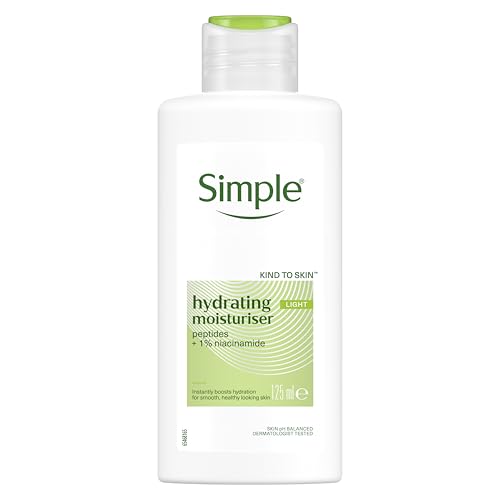
Simple
Hydrating Light Moisturiser
moisturizer · 125 ml · 30 ingredients
- No drying alcohol
- With glycerin
- With panthenol
- With urea
Frequently asked questions
Is the dehydrated vs. dry skin distinction still clinically relevant in 2026?
Yes — and increasingly so. As skincare awareness has grown, so has misdiagnosis: many people with oily-dehydrated skin are told (or believe) they have dry skin and use heavy occlusive formulas that worsen congestion. Dermatologists routinely use corneometry (stratum corneum capacitance measurement) and TEWL meters to objectively distinguish the two in clinical settings. For home diagnosis, the pattern of symptoms and response to treatment remain the most practical guides.
Can oily skin really be dehydrated at the same time?
Yes — this is one of the most common and consistently misunderstood skincare phenomena. Sebum production (oil, measured by sebometry) and stratum corneum water content (hydration, measured by corneometry) are physiologically independent. Harsh cleansers, alcohol-based toners, or aggressive exfoliation can strip the lipid barrier on oily skin, dramatically increasing TEWL and causing the stratum corneum to lose water — even while the sebaceous glands continue producing ample sebum. The result: skin that is shiny and simultaneously tight, dull, and showing fine dehydration lines.
Why does my skin feel tight after washing even though I moisturize?
Post-wash tightness is most often a sign that your cleanser is stripping too many surface lipids — an effect that occurs within 3–5 minutes of using an alkaline or surfactant-heavy formula. The tight feeling is TEWL accelerating before your moisturizer can compensate. Switch to a gentle cream or oil cleanser, apply moisturizer within 3 minutes of rinsing, and use lukewarm water. If tightness persists after switching to a gentle cleanser, the underlying skin type may be chronically dry, requiring a richer emollient-occlusive formula.
How quickly does dehydrated skin improve with the right routine?
Measurably, within 48–72 hours of introducing a humectant (glycerin or hyaluronic acid serum) applied to damp skin and sealed with a moisturizer, most people notice reduced tightness and improved luminosity. The fine surface compression lines associated with dehydration typically diminish within a week. Complete stratum corneum recovery — rebuilding a coherent lipid barrier after over-exfoliation, for example — takes 2–4 weeks. The speed of improvement is one of the clearest diagnostic signals: rapid improvement confirms dehydration; slow or incomplete improvement suggests a lipid-deficit dry skin type.
Which products treat both dry skin and dehydration?
A ceramide-rich cream that also contains glycerin or hyaluronic acid (humectant), combined with ceramides or fatty acids (emollient), and an occlusive like dimethicone or petrolatum addresses both conditions simultaneously. This 'three-category' formulation is the most efficient choice for anyone who is uncertain which condition they have — it treats both without making either worse. Products like CeraVe Moisturizing Cream and Vanicream Moisturizing Skin Cream fit this profile at an accessible price point.
Sources
- 01Dry Skin: Who Gets and Causes — American Academy of Dermatology (AAD). Defines dry skin as a skin type caused by insufficient sebum production; lists environmental, behavioral, age-related, medical, and medication-related causes.
- 02Clinical Measurement of Transepidermal Water Loss — PubMed Central (PMC12359141), 2025-06-05. Establishes TEWL as the primary objective measure of skin barrier function and confirms that topical humectants and occlusives measurably reduce TEWL; distinguishes between water loss (TEWL) and stratum corneum water content (corneometry).
- 03Skin Hydration Assessment through Modern Non-Invasive Bioengineering Technologies — PubMed Central / Mædica (PMC4268288), 2014-03-01. Corneometer uses capacitance to measure stratum corneum water content; values below 30 AU indicate very dry skin; skin hydration decreases with age; moisturizer application produces measurable hydration improvements within 28 days.
- 04Benefits of topical hyaluronic acid for skin quality and signs of skin aging — PubMed Central (PMC10078143), 2022-10-21. Topical hyaluronic acid significantly reduces TEWL and improves corneometer hydration readings; confirmed in randomized controlled trial data over 12 weeks.