Contact Dermatitis: Allergic vs. Irritant & What Causes It
The short answer
Contact dermatitis is skin inflammation caused by direct contact with an allergen or irritant.
What Is Contact Dermatitis?
Contact dermatitis is an inflammatory skin reaction triggered by direct skin contact with an external substance. It is one of the most common skin conditions worldwide and accounts for a significant proportion of both dermatology appointments and occupational skin disease.
The condition splits cleanly into two subtypes that differ in mechanism, timeline, and clinical management:
- Irritant contact dermatitis (ICD): Direct chemical or physical damage to the skin barrier, activating the innate immune system. No prior sensitization is required. Anyone exposed to a sufficient concentration of an irritant can develop ICD.
- Allergic contact dermatitis (ACD): A delayed-type (Type IV) hypersensitivity reaction. An allergen penetrates the skin, is processed by Langerhans cells, and triggers the activation of allergen-specific T lymphocytes. The reaction only occurs in people who have been previously sensitized — often by prior low-level exposures — and peaks 48–72 hours after re-exposure.
Both types look similar on the skin surface, which is why distinguishing them clinically can be challenging and why formal testing matters.
How Common Is Contact Dermatitis?
Contact dermatitis is prevalent. Research from Europe found approximately 20% of the general population is sensitized to at least one contact allergen. It occurs roughly twice as frequently in women as in men and commonly begins in adolescence. Occupational contact dermatitis represents up to 30% of all occupational diseases for which compensation is payable — hairdressers, healthcare workers, cleaners, and metalworkers are among the most commonly affected groups.
In the skincare context specifically, the prevalence of allergic contact dermatitis to cosmetic products increased from 9.8% to 13.9% between the periods 1996–2004 and 2005–2013, reflecting both rising cosmetic use and the proliferation of preservatives such as methylisothiazolinone.
Irritant Contact Dermatitis (ICD): The More Common Type
ICD is caused by substances that physically damage the skin's barrier. The mechanism is non-immunological: the irritant disrupts tight junctions in the stratum corneum, damages keratinocytes, and triggers the release of pro-inflammatory cytokines from epidermal cells — without allergen-specific memory T-cell involvement.
Types of Irritant Exposure
- Acute ICD: A single exposure to a high-concentration irritant (strong acid, alkali, or solvent) causes immediate visible damage within minutes to hours. Chemical burns are the extreme end of this spectrum.
- Cumulative (chronic) ICD: Repeated low-level exposures that individually cause no visible reaction gradually erode the skin barrier over weeks to months. This is the most common pattern in occupational and domestic ICD — repeated handwashing, use of soap and detergent, or daily application of skincare products with low-grade irritants all contribute.
- Subacute ICD: Falls between the two in timing and severity, often caused by repeated intermediate-concentration exposures.
Common ICD Triggers in Skincare and Daily Life
| Category | Examples |
|---|---|
| Soaps and detergents | Sodium lauryl sulfate (SLS), harsh alkaline cleansers |
| Solvents | Alcohol (isopropanol, ethanol at high concentrations), acetone |
| Preservatives | High-concentration isothiazolinones, formaldehyde releasers |
| Physical irritants | Repeated friction, occlusion, wet work |
| Environmental | Low humidity, cold air, prolonged water contact |
The characteristic symptom is a burning or stinging sensation that develops quickly (often within minutes to hours), with redness and dryness that is worst at the point of maximum contact. Itching may be present but is typically less pronounced than in ACD.
Allergic Contact Dermatitis (ACD): The Immune-Mediated Type
ACD is a two-phase process that requires time to establish:
Phase 1: Sensitization (No Visible Reaction)
When an allergen first penetrates the skin, it binds to skin proteins to form a complete antigen. Langerhans cells in the epidermis capture this hapten-protein complex and carry it to regional lymph nodes, where allergen-specific T lymphocytes are generated and stored as memory cells. This process takes 10–14 days and produces no visible skin reaction — the person has become sensitized without knowing it.
Phase 2: Elicitation (The Visible Reaction)
On subsequent exposures to the same allergen, the memory T cells recognize it rapidly, mount an inflammatory cascade, and produce the visible skin reaction. This peaks at 48–72 hours after exposure — a key diagnostic clue that distinguishes ACD from ICD (which peaks earlier). The hallmark symptoms are intense itching, erythema (redness), and vesicle (blister) formation at the contact site. Chronic ACD can also produce lichenification (skin thickening) and scaling.
The Most Common Contact Allergens
In skincare and cosmetics:
- Fragrance mixtures: Fragrance is consistently one of the top two or three causes of cosmetic ACD globally. Both synthetic fragrance chemicals and natural essential oils (tree moss, ylang-ylang, oakmoss) are significant sensitizers.
- Preservatives: Methylisothiazolinone (MI) and methylchloroisothiazolinone (MCI) are particularly potent sensitizers — a European-wide epidemic of ACD was documented when these preservatives were introduced into rinse-off cosmetics. Formaldehyde and its releasers (DMDM hydantoin, quaternium-15, imidazolidinyl urea) are also significant.
- Lanolin and cocamidopropyl betaine: Present in moisturizers and shampoos.
- Sunscreen UV filters: Some chemical filters, particularly benzophenones and para-aminobenzoic acid (PABA) derivatives, have documented sensitization potential.
Common allergens beyond skincare:
- Nickel: The single most common contact allergen worldwide — found in jewelry, watch straps, belt buckles, and phone cases.
- Para-phenylenediamine (PPD): Found in permanent hair dyes. Hair dye allergens were responsible for 18.5% of cosmetic ACD cases in one analysis. Black henna tattoos containing PPD are a known sensitization pathway.
- Chromium: Found in cement, leather, and some metal products.
- Rubber accelerators: Found in gloves, footwear, and medical devices.
- Plants (Toxicodendron genus): Poison ivy, poison oak, and poison sumac cause ACD via urushiol, one of the most potent plant allergens.
Symptoms: What Contact Dermatitis Looks Like
Both ICD and ACD can produce an overlapping range of skin changes:
Acute features:
- Erythema (redness) and swelling at the contact site
- Intense itching (more prominent in ACD) or burning/stinging (more prominent in ICD)
- Vesicles (small blisters) and weeping
- Edema in severe cases
Subacute and chronic features:
- Dryness, scaling, and flaking
- Lichenification (thickened, leathery skin with exaggerated skin lines)
- Fissuring (painful cracks), particularly on the hands
- Post-inflammatory hyperpigmentation, especially in darker skin tones
The distribution of the rash is often diagnostically informative: a rash following the outline of a watch strap suggests nickel; a rash confined to the hairline and ears after hair coloring suggests PPD; a band of dermatitis where elastic waistbands sit suggests rubber accelerator allergy; a rash on the eyelids (despite product application elsewhere) may indicate airborne or transfer contact dermatitis from hands.
Diagnosis: How Contact Dermatitis Is Identified
Clinical History and Examination
A detailed history is the starting point: what products are used (and when introduced), occupational exposures, hobbies, timing of reactions relative to exposures, and whether symptoms improve away from work (suggesting occupational cause). The distribution and morphology of the rash guide the differential diagnosis.
Patch Testing (The Gold Standard for ACD)
Formal patch testing performed by a board-certified dermatologist or allergist is the only reliable method for identifying specific allergens in ACD. The procedure involves:
- Small amounts of standardized allergen panels (typically 25–140 allergens) are applied to the back under occlusive tape for 48 hours.
- Patches are removed and read at 48 hours, then read again at 96 hours (reactions often peak at this later reading).
- Positive reactions show erythema, papules, and vesicles at the allergen site; true positives reproduce the patient's symptoms and correlate with their exposure history.
The procedure distinguishes ACD from ICD and identifies the specific allergen — essential information for avoidance counseling. It is not the same as the brief at-home patch test used when introducing a new skincare product (see below).
At-home product testing (applying a product to a small skin area for 7–10 days before full use) is a useful screening step for new products but will not identify which specific ingredient is responsible if a reaction occurs, and may miss a true ACD reaction if the test period is too short. For persistent or severe reactions, formal dermatologist-led patch testing is required.
Treatment and Management
Step 1: Identify and Remove the Trigger
This is the most important step. For ICD, it means reducing or eliminating contact with the irritant. For ACD, it means permanent avoidance of the specific allergen — which requires knowing what it is. Symptom-suppressing treatments do not cure ACD if exposure continues.
Practical strategies:
- Switch to fragrance-free, preservative-minimal, non-comedogenic skincare
- Wear protective gloves for cleaning and wet work (though gloves can cause their own reactions if rubber-allergic — nitrile gloves are the usual alternative)
- Check ingredient lists against your identified allergen(s) — allergens can appear under multiple INCI names
Step 2: Barrier Repair
A damaged skin barrier perpetuates inflammation and invites further irritation. Use thick, fragrance-free emollients and moisturizers containing ceramides, glycerin, or petrolatum. Apply immediately after washing (within three minutes) to trap moisture. The AAD emphasizes moisturizer frequency over specific formulation — regular application rebuilds the barrier over days to weeks.
Step 3: Topical Corticosteroids for Acute Flares
Topical corticosteroids are the mainstay of medical treatment for both ICD and ACD flares. They reduce the inflammatory response but do not eliminate sensitization.
- Mild potency (hydrocortisone 1%): Appropriate for the face, eyelids, skin folds, and children
- Moderate potency (clobetasone butyrate 0.05%, betamethasone valerate 0.025%): Appropriate for trunk and limbs in moderate flares
- High potency (betamethasone dipropionate 0.05%): Reserved for severe flares on the trunk and limbs in adults; short-course use
The NHS recommends using the lowest effective potency for the shortest duration, and avoiding high-potency steroids on the face or skin folds. Courses longer than a few weeks on sensitive areas require medical review.
Step 4: Antihistamines for Itch Control
Oral antihistamines such as cetirizine or loratadine can reduce itching and aid sleep during acute flares. Non-sedating antihistamines are preferred for daytime use; sedating antihistamines (such as hydroxyzine) may be used short-term for severe nocturnal itch. Note: antihistamines address itch but do not treat the underlying inflammation.
Step 5: Additional Options for Severe or Chronic Cases
- Oral corticosteroids: For widespread involvement (>20% body surface area) or severe acute reactions, a short oral prednisone course may be prescribed
- Tacrolimus or pimecrolimus (topical calcineurin inhibitors): Useful for chronic ACD on the face and skin folds where long-term corticosteroid use is undesirable
- Phototherapy: Used in refractory chronic cases to dampen immune activation
- Systemic immunosuppression (methotrexate, cyclosporine): Reserved for severely recalcitrant disease under specialist supervision
Contact Dermatitis vs. Other Skin Conditions
Contact dermatitis is frequently confused with:
| Condition | Key Distinguishing Features |
|---|---|
| Atopic eczema (atopic dermatitis) | Starts in childhood; flexural distribution; personal or family history of atopy; not triggered by specific contact |
| Rosacea | Centrofacial flushing and redness; no vesicles; triggered by heat, alcohol, spicy food, not contact allergens |
| Seborrheic dermatitis | Scalp, eyebrows, nasolabial folds; greasy yellowish scales; caused by Malassezia yeast |
| Psoriasis | Well-demarcated silvery plaques; Auspitz sign; nail changes; genetic component |
| Urticaria (hives) | Wheals that are raised, blanching, transient (<24 hours); can be immediate (Type I allergy) |
Who Is Most Susceptible?
Anyone can develop contact dermatitis, but certain factors increase risk:
- Atopic dermatitis: People with eczema have a compromised skin barrier that allows allergens and irritants to penetrate more readily, increasing both ICD and ACD susceptibility
- Occupation: Regular exposure to water, detergents, solvents, or specific chemicals (healthcare, hairdressing, construction, metalworking)
- Skin of color: The inflammatory presentation may look different — less visible redness, but post-inflammatory hyperpigmentation (PIH) is more common and can persist long after the dermatitis has resolved
- Age: Older adults have a thinner, drier skin barrier; adolescents are exposed to a widening range of cosmetics and products for the first time
When to See a Dermatologist
Many mild cases of ICD resolve with avoidance and good moisturization. Seek medical advice if:
- Symptoms are severe — widespread blistering, weeping, or swelling, particularly around the eyes or face
- The reaction does not improve within 2–3 weeks despite stopping the suspected trigger
- You cannot identify the specific cause and reactions are recurrent
- The rash is spreading or becoming infected (increased pain, warmth, pus, fever)
- You need formal patch testing to identify the allergen
- Contact dermatitis is affecting your ability to work or significantly impacting quality of life
Seek emergency care immediately if you develop difficulty breathing, throat swelling, or generalized hives after skin contact — though rare with contact allergens, anaphylaxis is a medical emergency requiring immediate epinephrine.
Products that fit: contact dermatitis
Picked by code from each product's full ingredient list.
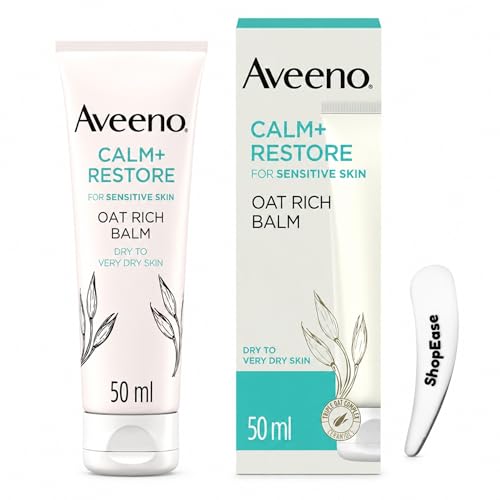
Aveeno
Calm+ Restore Oat Rich Balm
moisturizer · 50 ml · 18 ingredients
- Fragrance-free
- No essential oils
- No labelled fragrance allergens
- No MI/MCI
- No formaldehyde releasers

Aveeno
Dermexa Daily Emollient Cream
moisturizer · 200 ml · 17 ingredients
- Fragrance-free
- No essential oils
- No labelled fragrance allergens
- No MI/MCI
- No formaldehyde releasers

CeraVe
DOUBLE Hydrating Cream-to-Foam Cleanser
cleanser · 236 ml · 22 ingredients
- Fragrance-free
- No essential oils
- No labelled fragrance allergens
- No MI/MCI
- No formaldehyde releasers

CeraVe
Double Sa Smoothing Cleanser
cleanser · 473 ml · 23 ingredients
- Fragrance-free
- No essential oils
- No labelled fragrance allergens
- No MI/MCI
- No formaldehyde releasers
See the full guide: Best Moisturizers for Contact Dermatitis →
When to see a professional
See a board-certified dermatologist if: your symptoms are severe (widespread blistering, facial swelling, or weeping over a large area); the rash does not improve within 2–3 weeks after stopping the suspected cause; you cannot identify what is triggering repeated reactions; symptoms are spreading or show signs of secondary infection (increased pain, warmth, pus discharge, fever); or contact dermatitis is significantly impacting your work or quality of life. Formal patch testing — only performed clinically — is the only way to reliably identify which specific allergen is responsible for allergic contact dermatitis. Seek emergency care immediately for any difficulty breathing or throat swelling after skin contact, which may indicate anaphylaxis.
Frequently asked questions
What does current evidence say about the most common skincare contact allergens in 2026?
The evidence base, current as of 2025–2026, is consistent: fragrances and preservatives are the two most clinically significant skincare allergen categories. Among preservatives, methylisothiazolinone (MI) has been particularly problematic — a widespread epidemic of ACD driven by MI in rinse-off cosmetics was documented and led to EU concentration restrictions. Para-phenylenediamine (PPD) in hair dyes and nickel in jewelry remain leading non-cosmetic allergens. Research published in PMC (2025) on natural skincare products found that even 'clean beauty' products frequently contain botanicals with sensitization potential, including essential oils and plant extracts. Consumers with confirmed fragrance or preservative allergy should check both conventional and 'natural' product ingredient lists carefully.
How is allergic contact dermatitis different from irritant contact dermatitis?
The key differences are mechanism and timing. Irritant contact dermatitis (ICD) is caused by direct chemical damage to skin cells — no immune memory is involved and anyone can develop it given sufficient exposure. It typically peaks within 24 hours. Allergic contact dermatitis (ACD) is a delayed-type immune reaction that only occurs in people who have been previously sensitized; the reaction peaks at 48–72 hours after re-exposure as allergen-specific T cells mount an inflammatory response. Clinically they look similar, which is why formal patch testing is needed to distinguish them. ICD often causes burning or stinging more than itching; ACD typically causes intense itching and may produce more vesicles.
Can contact dermatitis be cured?
For irritant contact dermatitis, yes — removing the irritant and repairing the skin barrier typically resolves the condition. For allergic contact dermatitis, there is no cure in the conventional sense: once sensitized, the immune memory persists indefinitely. Management means permanent allergen avoidance, which — with specific knowledge of your allergen from patch testing — allows most people to live symptom-free. Treating flares with topical corticosteroids manages inflammation but does not eliminate sensitization. Some research into tolerance induction is ongoing, but no clinically approved desensitization protocol for contact allergens currently exists.
How do I know if my skincare reaction is contact dermatitis or purging?
These are entirely different phenomena. Skincare purging (retinization from retinoids, or accelerated cell turnover from AHAs) produces breakouts — comedones, small whiteheads, or papules — in areas where you normally break out, during the first 4–6 weeks of use. It does not produce itching, redness beyond mild flushing, or blistering. Contact dermatitis produces itching, redness, scaling, or blistering, typically at the site of product application, and can occur at any time during product use. If you have itching, burning, swelling, or blistering, stop the product and consider a dermatologist consultation — this is not purging.
Is nickel allergy the most common contact allergy?
Yes, nickel is consistently the most prevalent single contact allergen in the global patch test literature. It affects a higher proportion of women than men, reflecting greater jewelry use. Common exposure sources include earrings, necklaces, belt buckles, watch straps, jean buttons, and phone cases. Once sensitized, nickel allergy is lifelong. Switching to surgical steel, titanium, or 18-carat (or higher) gold jewelry avoids the low-grade nickel release that sustains the reaction.
What ingredients in skincare are most likely to cause an allergic reaction?
Based on clinical patch test data, the most common culprits are: (1) Fragrance — listed as 'parfum', 'fragrance', or as individual fragrance chemicals (linalool, limonene, cinnamal, eugenol, oakmoss extract); (2) Preservatives — methylisothiazolinone (MI), methylchloroisothiazolinone (MCI/MI blend), formaldehyde-releasing preservatives (DMDM hydantoin, quaternium-15, imidazolidinyl urea), and parabens (less commonly); (3) Some sunscreen UV filters, particularly oxybenzone (benzophenone-3); (4) Cocamidopropyl betaine in shampoos and cleansers; (5) Lanolin in moisturizers. Choosing fragrance-free, preservative-minimal products and introducing new products one at a time makes it easier to identify a cause if a reaction occurs.
Health information, not medical advice.
Beauty Comparison is an independent editorial publication. This page is researched and sourced to the authorities listed below, but it is general information — not a diagnosis or a substitute for personalised advice from a qualified doctor, dermatologist or pharmacist. If your symptoms are severe, spreading, painful, or not improving, see a healthcare professional.Sources
- 01Contact Dermatitis — StatPearls (NCBI Bookshelf) — National Library of Medicine / NCBI StatPearls, 2023-07-17. Definition, mechanism (ICD vs ACD), pathophysiology, common causes including nickel, fragrances, plants; first-line treatment with topical corticosteroids; oral steroids for >20% body surface area involvement; antihistamines for pruritus control.
- 02Eczema Types: Contact Dermatitis Signs and Symptoms — American Academy of Dermatology (AAD). AAD clinical description of contact dermatitis symptoms: itching, burning, redness, blistering; rash timeline relative to exposure; recommendation to see a board-certified dermatologist for persistent or severe reactions.
- 03Contact Dermatitis: Symptoms, Causes, Types & Treatments — Cleveland Clinic, 2023-01-01. Clinical overview including ICD vs ACD distinction; anaphylaxis risk note (rare but requires emergency epinephrine); treatment including cool soaks, hydrocortisone, antihistamines; allergen avoidance as definitive management.
- 04Contact Dermatitis — NHS — NHS (UK National Health Service). Treatment guidance: emollients for barrier repair, topical corticosteroids (lowest effective strength for shortest duration), antihistamines for itch; recommendation to see a GP for persistent, recurrent, or severe symptoms.
- 05Allergic Contact Dermatitis: Epidemiology, Molecular Mechanisms, In Vitro Methods and Regulatory Aspects — PMC / Environmental Health Perspectives, 2012-02-01. Approximately 20% of the European general population is sensitized to at least one contact allergen; ACD occurs twice as frequently in women; occupational contact dermatitis constitutes up to 30% of occupational diseases; fragrance and preservatives are leading cosmetic allergens.
- 06Allergic Contact Dermatitis: Immunopathology and Potential Therapeutic Strategies — PMC / NIH, 2025-01-01. ACD is a Type IV delayed hypersensitivity reaction mediated by allergen-specific T lymphocytes; sensitization phase occurs over 10–14 days without visible reaction; elicitation phase peaks 48–72 hours post re-exposure; Langerhans cells present hapten-protein complexes to T cells in lymph nodes.
- 07Allergic Contact Dermatitis to Cosmetics: Retrospective Analysis (2004–2017) — PMC / NIH, 2020-11-01. Prevalence of cosmetic ACD increased from 9.8% (1996–2004) to 13.9% (2005–2013); leading cosmetic allergens were methylisothiazolinone (19%), PPD (15.2%), and fragrance mixtures (7.8%); hair dyes implicated in 18.5% of cosmetic ACD cases.
- 08Contact Dermatitis: Causes — AAD — American Academy of Dermatology (AAD). AAD list of common contact dermatitis triggers including nickel, fragrance, preservatives, rubber, poison ivy; guidance on avoiding known allergens and fragrance-free product selection.