Brow Lamination: What It Is, Safety & How Long It Lasts
The short answer
Brow lamination is a chemical treatment that lifts and sets brow hairs into a uniform.
What Is Brow Lamination?
Brow lamination is a non-invasive beauty treatment that restructures the natural protein bonds within brow hairs — the same fundamental chemistry used in hair perms and lash lifts. Using thioglycolate-based processing solutions, a technician softens the disulfide bonds in the hair's keratin structure, brushes the hairs into a new, lifted position, and then neutralizes (reformulates) those bonds to lock the hairs permanently in place until they naturally grow out.
The result is a brow where all hairs lie in the same direction — typically straight up or at a slight angle — creating the appearance of a fuller, more uniform, feathery brow. Hairs that previously grew downward, sideways, or in conflicting directions are now set neatly. The effect resembles the "brushed up" brow style that previously required brow gel reapplication every morning.
What brow lamination is not:
- It does not add pigment or color to the brows
- It does not add hair that does not already exist
- It does not penetrate the skin — only the hair shaft is chemically processed
- It is not a permanent treatment — results fade entirely as new hair grows in and the treated hairs reset
The Brow Lamination Process: Step by Step
A professional brow lamination session takes approximately 45–60 minutes and involves three chemical steps:
Step 1: Processing (Breaking the Bonds)
A thioglycolate-based solution (containing ammonium thioglycolate or thioglycolic acid) is applied to the brow hairs. This softens the disulfide bonds in the hair's keratin — the bonds that give the hair its natural shape and growth direction. The solution is left on for 8–12 minutes depending on hair thickness and texture.
Step 2: Setting (Repositioning)
While the bonds are in their softened state, the technician brushes the brow hairs upward and into the target direction, pressing them flat with a cling film or guard. They hold the hairs in position until the neutralizing step locks them in.
Step 3: Neutralizing (Locking the Bonds)
A neutralizing solution (typically hydrogen peroxide-based) is applied to reform the disulfide bonds in their new position. This step "locks in" the shape. Without it, the hairs would simply return to their previous direction.
Finishing Treatments
Most professional sessions end with a conditioning or nourishing serum or oil applied to the brow hairs — the processing solution can dry the hair, and a restorative treatment helps maintain hair health. Some salons also offer a tint at the same appointment to deepen brow color.
Safety: What the Evidence Says
The Chemical Risk Profile
A 2024 peer-reviewed study published in PMC — described as the first study to specifically investigate the safety profile of brow lamination chemicals — provides the most rigorous available evidence on risks.
Ammonium thioglycolate (ATG) and thioglycolic acid (TGA) are the active processing agents. The study's key findings:
Allergic contact dermatitis (ACD): ATG and TGA can cause ACD at the skin surface, characterized by irritation, dryness, erythema, and in some cases vesiculation or weeping. The periorbital skin — where the brows are — is thin and reactive, making it particularly vulnerable.
Transdermal absorption: Both compounds are hydrophilic and absorbed through the skin via intracellular and transappendageal (through hair follicle) pathways. This means some chemical load passes through the skin, not just into the hair.
Systemic effects: The study noted documented systemic effects from significant thioglycolate exposure affecting the reproductive, ocular, respiratory, and endocrine systems. The researchers emphasized the need for further investigation and stronger regulatory controls on concentration limits in cosmetic products.
Hair structure damage: ATG and TGA alter the mechanical and chemical properties of the hair itself. Overprocessing — leaving the solution on too long, applying at too-high concentration, or repeating too frequently — weakens the hair shaft and can cause breakage. Brow hairs that are over-laminated become brittle and may break off at the shaft.
Eye damage: The brow area is immediately adjacent to the eyes. If processing solution migrates into the eyes during application, it can cause eye damage. Professional technicians protect the eye area, but home-use kits require particular care.
Who Should Not Have Brow Lamination
Based on the documented chemical risk profile and general practice guidelines:
- Active eczema or dermatitis — any break in the skin barrier creates an entry point for thioglycolate penetration and reaction
- Active rosacea — reactive skin with impaired barrier function is more vulnerable to chemical irritants
- Known thioglycolate allergy — people who have reacted to hair perms, relaxers, or depilatory creams containing thioglycolate compounds should avoid brow lamination
- Severely compromised skin barrier — recent chemical peels, laser treatments, or any procedure that has thinned or disrupted the periorbital skin
- Eye conditions — any active eye infection or condition that could be worsened by chemical proximity
Patch test: A 24–48 hour patch test with the specific products your salon uses is prudent, particularly for your first session or if switching salons.
Is It Safe in Pregnancy?
Current evidence does not categorically confirm or deny safety in pregnancy for topical thioglycolate exposure. The 2024 study noted reproductive system effects in the systemic effects profile. As a precautionary principle — consistent with how most personal care chemicals with potential systemic effects are handled — it is advisable to defer elective cosmetic procedures like brow lamination during pregnancy. Consult your obstetrician or midwife for guidance specific to your situation.
How Long Does Brow Lamination Last?
The laminated shape typically lasts 6–8 weeks. Within that range, several factors determine whether results are closer to 6 weeks or closer to 8:
| Factor | Effect on Duration |
|---|---|
| Oily skin | Excess sebum can break down the chemical bond faster; oily-skin clients often see results fade toward 5–6 weeks |
| Hair type | Thick, coarse hairs tend to hold the shape longer than fine, soft brows |
| Water exposure | Frequent swimming, heavy sweating, or steam (saunas, steam rooms) accelerates the breakdown of the laminated shape |
| Aftercare adherence | Correct aftercare — particularly the 24–48 hr dry period — significantly affects how well the shape sets |
| New hair growth | As new brow hairs grow in, they are unlaminated and may grow in different directions, visually diluting the laminated effect |
Aftercare: The Rules That Determine Your Results
The Critical 24–48 Hours
The most important aftercare window is the first 24–48 hours. During this period, the reformed disulfide bonds are still stabilizing. Any moisture — water, steam, sweat, or humidity — can disrupt this process and cause the hairs to fall back toward their natural direction before the bonds are fully set.
Strict avoidances for the first 24–48 hours:
- No washing the brow area or face with water
- No sweating (avoid exercise, saunas, hot baths or showers)
- No steam — avoid steamy kitchen environments, steam rooms, humidifiers near the face
- No swimming
- No makeup application directly on the brows
- No rubbing or pressing the brow area
After 48 hours, normal face washing can resume.
Long-Term Aftercare for Maximum Longevity
- Daily brushing: Groom brows upward with a clean spoolie each morning to maintain the lifted direction while the lamination is active
- Nourishing oil or serum: After the first week, applying a lightweight oil (argan, castor) or dedicated brow serum to the hairs supports hydration and helps maintain hair health after chemical processing
- Avoid oil-based makeup removers on the brow area: Heavy oils can soften and break down the lamination chemistry faster
- Strong brow gel: Use an eyebrow gel to set the brows in the mornings — particularly helpful at the 4–6 week mark when the lamination begins to relax
Spacing Between Sessions
Do not repeat brow lamination sooner than every 6–8 weeks. Repeating the chemical process on already-processed hairs before they have fully recovered and grown out increases the risk of hair damage and breakage. The general guideline from professional training bodies is a minimum 6–8 week interval between sessions.
Who Is a Good Candidate for Brow Lamination?
Most suitable candidates:
- Brows with adequate density — plenty of hairs — but those hairs lie flat, grow in multiple directions, or have prominent cowlicks
- Anyone who wants the trendy "fluffy," brushed-up, feather-brow aesthetic
- People who currently spend time each morning applying brow gel and want that look set without daily effort
- Those who want to try a fuller-looking brow before committing to microblading or other semi-permanent options
- Clients with brows that look sparse primarily due to flat, downward-growing hairs rather than true hair absence
Not suitable:
- Brows with genuinely sparse density where the skin is visibly bare between hairs — lamination cannot make hair appear where it does not exist (consider microblading or filling makeup for this)
- Any of the contraindicated skin conditions listed above
Home Brow Lamination Kits: Are They Safe?
Home kits are widely available and significantly cheaper than professional sessions. They use the same chemistry — thioglycolate processing plus neutralizer — in consumer-appropriate concentrations.
The risks of home use relative to professional treatment:
- Timing errors: Overprocessing is more likely at home without professional experience judging the hair's response. Leaving Step 1 solution on too long is the most common cause of brow hair damage.
- Eye proximity: A professional technician has experience protecting the eye area; home users working on themselves in a mirror have less control and visibility.
- No patch test standard: Professional salons should patch test new clients; many home users skip this step.
If using a home kit: follow timing instructions precisely (do not extend processing time), protect the skin immediately below the brow with petroleum jelly or cream, work carefully near the eye area, and always do a patch test 24–48 hours in advance.
Brow Lamination vs. Alternatives
| Treatment | Invasiveness | Duration | Best For |
|---|---|---|---|
| Brow gel | None | Hours | Daily definition; zero commitment |
| Brow lamination | Chemical (hair shaft only) | 6–8 weeks | Unruly, flat brows with adequate density |
| Microblading | Semi-invasive (breaks skin) | 12–18 months | Sparse, thin, or bare brows |
| Brow tinting | Non-invasive (hair dye) | 4–6 weeks | Adding color/definition to light brows |
| Henna brows | Non-invasive (plant dye) | 2–6 weeks | Color with some skin stain for shape |
For sparse or thin brows, see how-to-fill-in-brows for makeup techniques that work alongside or instead of lamination. For a full comparison with microblading, see microblading-vs-brow-lamination.
Products that fit this guide
Picked by code from each product's full ingredient list.

Artdeco
Sensitive Fine Liner No.1 Deep Black
eyeliner · 1 ml · 13 ingredients
- Fragrance-free
- No essential oils

Catrice
Brow Fix Shaping Wax
brow product · 1 g · 11 ingredients
- Fragrance-free
- No essential oils

Catrice
Drunk'n Diamonds Eyeshadow Stick
eyeshadow · 2.5 g · 17 ingredients
- Fragrance-free
- No essential oils
- With titanium dioxide
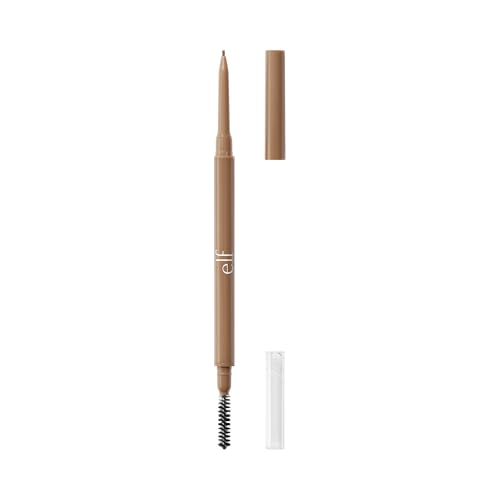
e.l.f.
Micro-Fine Brow Pencil
brow product · 0.03 g · 16 ingredients
- Fragrance-free
- No essential oils
- With vitamin e
Frequently asked questions
Is brow lamination safe — what does the evidence say?
Brow lamination is considered safe when performed by a trained professional using appropriate-concentration products, but it is not risk-free. A 2024 peer-reviewed study — the first to specifically examine the safety profile of brow lamination chemicals — documented risks including allergic contact dermatitis from ammonium thioglycolate and thioglycolic acid, transdermal absorption with potential systemic effects at significant exposures, hair structure damage from overprocessing, and eye damage risk if solution contacts the eyes. The study called for more research and stronger regulatory oversight. Patch testing, professional application, and following contraindications are the primary risk-reduction measures.
How long does brow lamination really last?
Most clients see the laminated shape hold for 6–8 weeks. The specific duration depends on skin type (oily skin shortens results), hair thickness (coarser hairs hold longer), water and heat exposure, and how carefully the post-treatment 24–48 hour dry period is followed. New hair growth begins to dilute the effect as unlaminated hairs grow in; by weeks 7–10, most clients find the original growth patterns returning noticeably.
Can brow lamination damage my brow hairs?
Yes — overprocessing is the primary risk to the hair itself. Leaving the thioglycolate processing solution on for longer than instructed, using products with too-high chemical concentrations, or repeating sessions too frequently (less than 6 weeks apart) weakens the disulfide bonds in the hair keratin, making hairs brittle and prone to breakage. Applied correctly by a professional at appropriate intervals, hair damage is uncommon but remains a possibility with any chemical hair treatment.
What are the rules for the first 48 hours after brow lamination?
Keep brows completely dry. Avoid all water contact on the brow area, sweating, steam (saunas, hot showers, cooking steam), swimming, and direct makeup application on the brows. Avoid pressing, rubbing, or sleeping with your face pressed into a pillow. Even humidity can affect how well the bonds set. After 48 hours, normal cleansing and activities can resume, and you can begin applying a nourishing oil or serum to maintain hair health.
How often can I get brow lamination?
The professional consensus is a minimum of 6–8 weeks between sessions. Repeating the chemical process sooner risks over-processing the brow hairs and causing breakage. Many clients find that by week 6, enough new unlaminated growth has appeared that a refresh is warranted; others find the effect lasts comfortably until week 8 or beyond.
Can brow lamination be combined with tinting?
Yes — many salons offer combined brow lamination and tinting in a single appointment. Tinting adds color depth and definition to the brows and can make sparse or light brows look more prominent in addition to the lifted shape from lamination. When both are done in the same session, the tint is typically applied after the lamination neutralizer and conditioning steps, as the opened cuticle from processing can help color penetrate. Ask your technician about the specific order they use and whether you have any color or dye sensitivities before booking a combined treatment.
Health information, not medical advice.
Beauty Comparison is an independent editorial publication. This page is researched and sourced to the authorities listed below, but it is general information — not a diagnosis or a substitute for personalised advice from a qualified doctor, dermatologist or pharmacist. If your symptoms are severe, spreading, painful, or not improving, see a healthcare professional.Sources
- 01Effects of Thioglycolate Compounds in an Emerging Technique in the World of Cosmetics — Brow Lamination — PubMed Central / National Center for Biotechnology Information, 2024-10-01. First peer-reviewed study specifically examining brow lamination chemical safety: ammonium thioglycolate and thioglycolic acid cause allergic contact dermatitis via transdermal absorption; documented systemic effects on reproductive, ocular, respiratory, and endocrine systems; hair structure and pigmentation may be altered; authors call for further research and regulatory oversight of concentration limits.
- 02Microblading and the Science Behind it — PubMed Central, 2021-03-01. Contextual reference for thioglycolate chemistry as used in brow treatments; perm and relaxer chemistry comparison; chemical restructuring of disulfide bonds in cosmetic procedures.